John Richard Stepp - Böcker
Visar alla böcker från författaren John Richard Stepp. Handla med fri frakt och snabb leverans.
4 produkter
4 produkter
1 062 kr
Skickas inom 10-15 vardagar
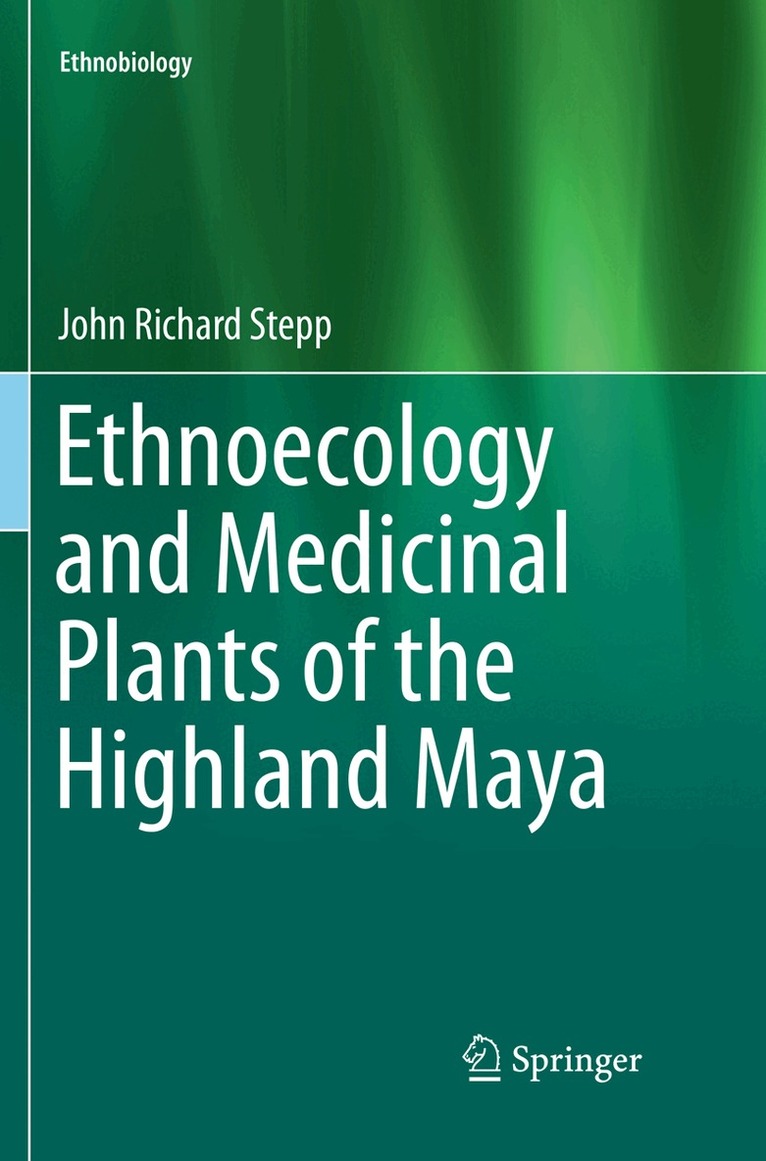
Plants play a central role in human existence. Medicinal plants, in particular, have allowed for the continued survival of the human species. This book, based on over a decade of research in Southern Mexico with the Highland Maya, explores the relationship between medicinal plants, traditional ecological knowledge and the environment. The biodiversity of the region remains among the highest in the world, comprising more than 9000 plant species. Over 1600 employed for medicinal uses and knowledge for approximately 600 species is widespread. Medicinal plants play an overwhelmingly primary role in the daily health care of the Highland Maya. Three principal objectives are addressed: 1) identifying which medicinal plants are used; 2) determining the role of environmental variation on use and selection of medicinal plants; and 3) identifying which habitats are preferred for medicinal plant procurement. Findings demonstrate the overwhelming importance of human modified environments for medicinal plants. Explanations are presented from human ecology and biochemical ecology. Implications for conservation, health and the environment are discussed.
1 062 kr
Skickas inom 10-15 vardagar
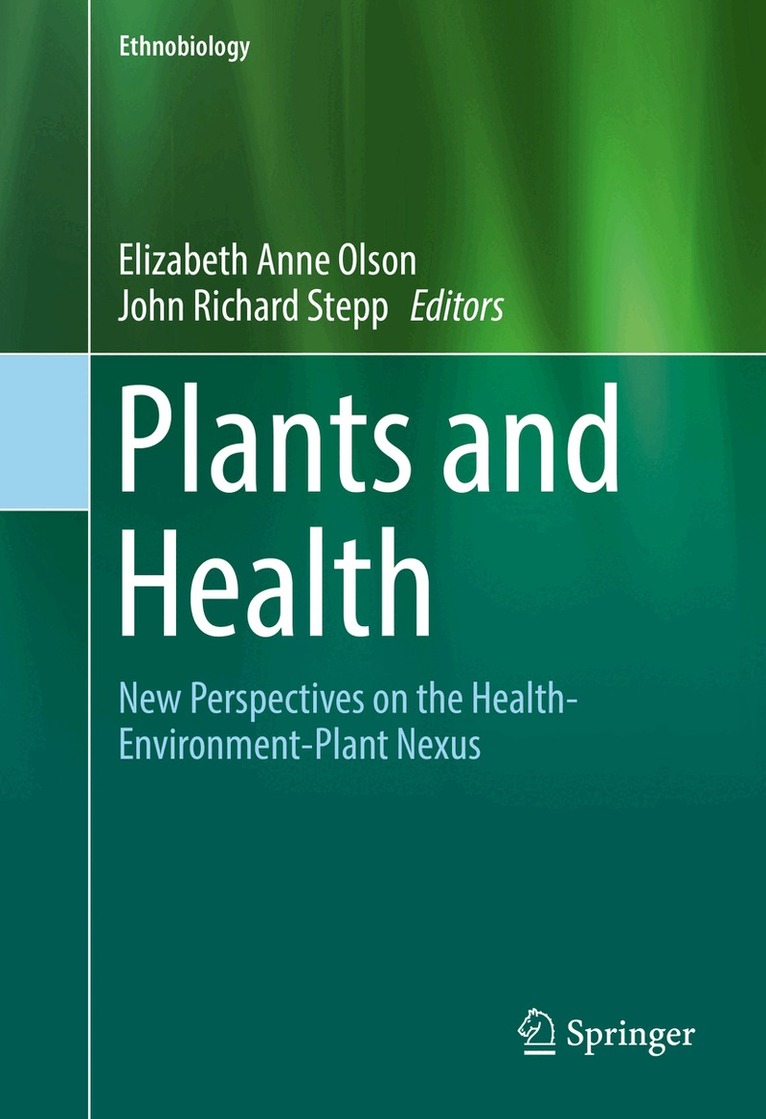
This volume showcases current ethnobiological accounts of the ways that people use plants to promote human health and well-being. The goal in this volume is to highlight some contemporary examples of how plants are central to various aspects of healthy environments and healthy minds and bodies. Authors employ diverse analytic frameworks, including: interpretive and constructivist, cognitive, political-ecological, systems theory, phenomenological, and critical studies of the relationship between humans, plants and the environment. The case studies represent a wide geographical range and explore the diversity in the health appeals of plants and herbs. The volume begins by considering how plants may intrinsically be ‘healthful’ and the notion that ecosystem health may be a literal concept used in contemporary efforts to increase awareness of environmental degradation. The book continues with the exploration of the ways in which medically-pluralistic societies demonstrate the entanglements between the environment, the state and its citizens. Profit driven models for the extraction and production of medicinal plant products are explored in terms of health equity and sovereignty. Some of the chapters in this volume work to explore medicinal plant knowledge and the globalization of medicinal plant knowledge. The translocal and global networks of medicinal plant knowledge are pivotal to productions of medicinal and herbal plant remedies that are used by people in all variety of societies and cultural groups. Humans produce health through various means and interact with our environments, especially plants, in order to promote health.The ethnographic accounts of people, plants, and health in this volume will be of interest to the fields of anthropology, biology and ethnobiology, as well as allied disciplines.
1 062 kr
Skickas inom 10-15 vardagar
Plants play a central role in human existence. Medicinal plants, in particular, have allowed for the continued survival of the human species. This book, based on over a decade of research in Southern Mexico with the Highland Maya, explores the relationship between medicinal plants, traditional ecological knowledge and the environment.
1 094 kr
Skickas inom 10-15 vardagar
This volume showcases current ethnobiological accounts of the ways that people use plants to promote human health and well-being.