John Truscott - Böcker
Visar alla böcker från författaren John Truscott. Handla med fri frakt och snabb leverans.
9 produkter
9 produkter
567 kr
Skickas inom 10-15 vardagar
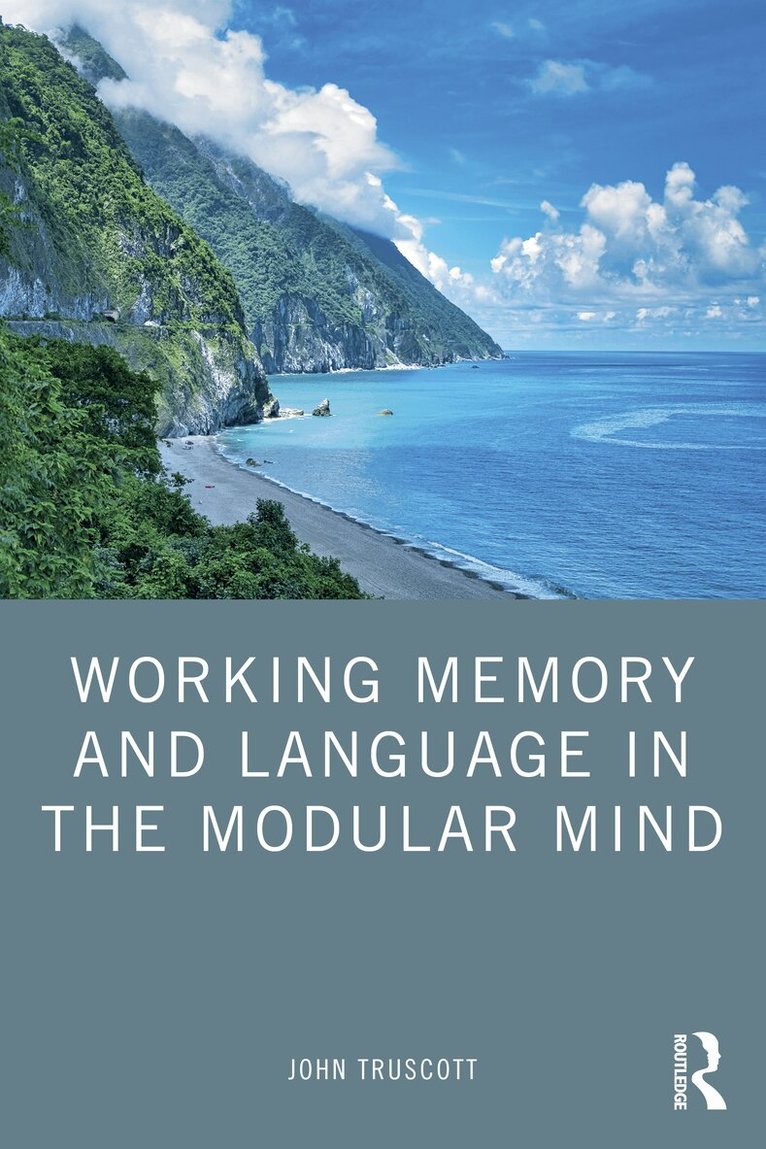
The book explores two fundamental aspects of the human mind and their relation to one another. The first is the way that information is put to use in the mind. When we are doing a mental arithmetic problem, for example, how do we bring the relevant bits of information to mind and hold them there while carrying out the series of calculations? This is working memory, the subject of an enormous research literature in psychology, neuroscience, and a great many other disciplines. Characterizing the working memory process is now a major part of efforts to understand the human mind. How we characterize this process depends of course on how we characterize the human mind as a whole. In particular, is the mind made up of a number of distinct units, each carrying out a specialized function? There is considerable reason to say that it is, and this modular view of the mind has become prominent in a great deal of academic work, notably in cognitive neuroscience, with important implications for our understanding of how working memory works. But these implications have received surprisingly little consideration to this point. The aim of the book is to explore this relation between working memory and modularity, first in general terms and then using a specific modular view of the mind – the Modular Cognition Framework. The ideas are illustrated and further developed through an application to language and especially second language acquisition and use.
2 103 kr
Skickas inom 10-15 vardagar
The book explores two fundamental aspects of the human mind and their relation to one another. The first is the way that information is put to use in the mind. When we are doing a mental arithmetic problem, for example, how do we bring the relevant bits of information to mind and hold them there while carrying out the series of calculations? This is working memory, the subject of an enormous research literature in psychology, neuroscience, and a great many other disciplines. Characterizing the working memory process is now a major part of efforts to understand the human mind. How we characterize this process depends of course on how we characterize the human mind as a whole. In particular, is the mind made up of a number of distinct units, each carrying out a specialized function? There is considerable reason to say that it is, and this modular view of the mind has become prominent in a great deal of academic work, notably in cognitive neuroscience, with important implications for our understanding of how working memory works. But these implications have received surprisingly little consideration to this point. The aim of the book is to explore this relation between working memory and modularity, first in general terms and then using a specific modular view of the mind – the Modular Cognition Framework. The ideas are illustrated and further developed through an application to language and especially second language acquisition and use.
241 kr
Skickas inom 7-10 vardagar
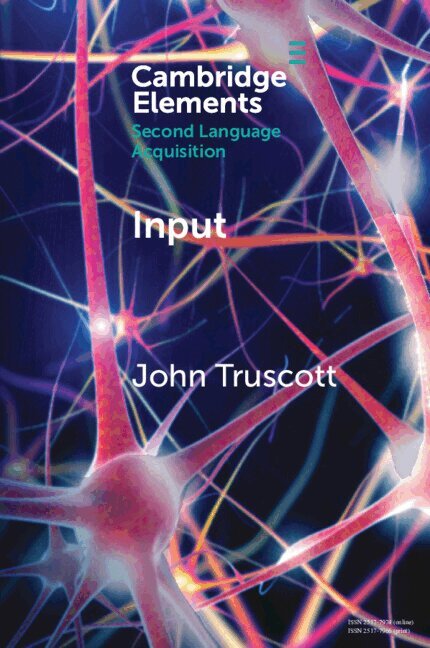
Input is the name of a topic - the way that language 'out there' impacts the development of interlanguage, within the individual. It is perhaps the most important aspect of second language learning. This Element offers an overview of the key concepts related to input and the major lines of research exploring its nature and its role in second language learning. It then puts things together into a coherent, if controversial, picture of input and its role in development, emphasizing the place of consciousness. In this and most other current perspectives, implicit (unconscious) input-based learning is the heart of second language acquisition. This suggests two general options for teaching: (a) trust the natural implicit processes, trying to create optimal conditions for them; (b) direct those processes to selected features of the input, probably using explicit instruction. The conclusion is that (a) appears preferable.
775 kr
Skickas inom 7-10 vardagar
Input is the name of a topic - the way that language 'out there' impacts the development of interlanguage, within the individual. It is perhaps the most important aspect of second language learning. This Element offers an overview of the key concepts related to input and the major lines of research exploring its nature and its role in second language learning. It then puts things together into a coherent, if controversial, picture of input and its role in development, emphasizing the place of consciousness. In this and most other current perspectives, implicit (unconscious) input-based learning is the heart of second language acquisition. This suggests two general options for teaching: (a) trust the natural implicit processes, trying to create optimal conditions for them; (b) direct those processes to selected features of the input, probably using explicit instruction. The conclusion is that (a) appears preferable.
1 553 kr
Skickas inom 7-10 vardagar
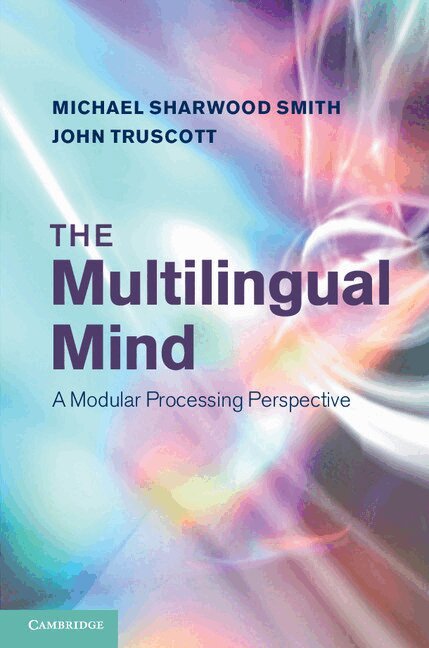
Language lies at the heart of the way we think, communicate and view the world. Most people on this planet are in some sense multilingual. The Multilingual Mind explores, within a processing perspective, how languages share space and interact in our minds. The mental architecture proposed in this volume permits research across many domains in cognitive science to be integrated and explored within one explanatory framework, recasting compatible insights and findings in terms of a common set of terms and concepts. The MOGUL framework has already proven effective for shedding light on the relationship between processing and learning, metalinguistic knowledge, consciousness, optionality, crosslinguistic influence, the initial state, 'UG access', ultimate attainment, input enhancement, and even language instruction. This groundbreaking work will be essential reading for linguists working in language acquisition, multilingualism, and language processing, as well as for those working in related areas of psychology, neurology and cognitive science.
493 kr
Skickas inom 7-10 vardagar
Language lies at the heart of the way we think, communicate and view the world. Most people on this planet are in some sense multilingual. The Multilingual Mind explores, within a processing perspective, how languages share space and interact in our minds. The mental architecture proposed in this volume permits research across many domains in cognitive science to be integrated and explored within one explanatory framework, recasting compatible insights and findings in terms of a common set of terms and concepts. The MOGUL framework has already proven effective for shedding light on the relationship between processing and learning, metalinguistic knowledge, consciousness, optionality, crosslinguistic influence, the initial state, 'UG access', ultimate attainment, input enhancement, and even language instruction. This groundbreaking work will be essential reading for linguists working in language acquisition, multilingualism, and language processing, as well as for those working in related areas of psychology, neurology and cognitive science.
Del 83 - Second Language Acquisition
Consciousness and Second Language Learning
Häftad, Engelska, 2014
489 kr
Skickas inom 5-8 vardagar
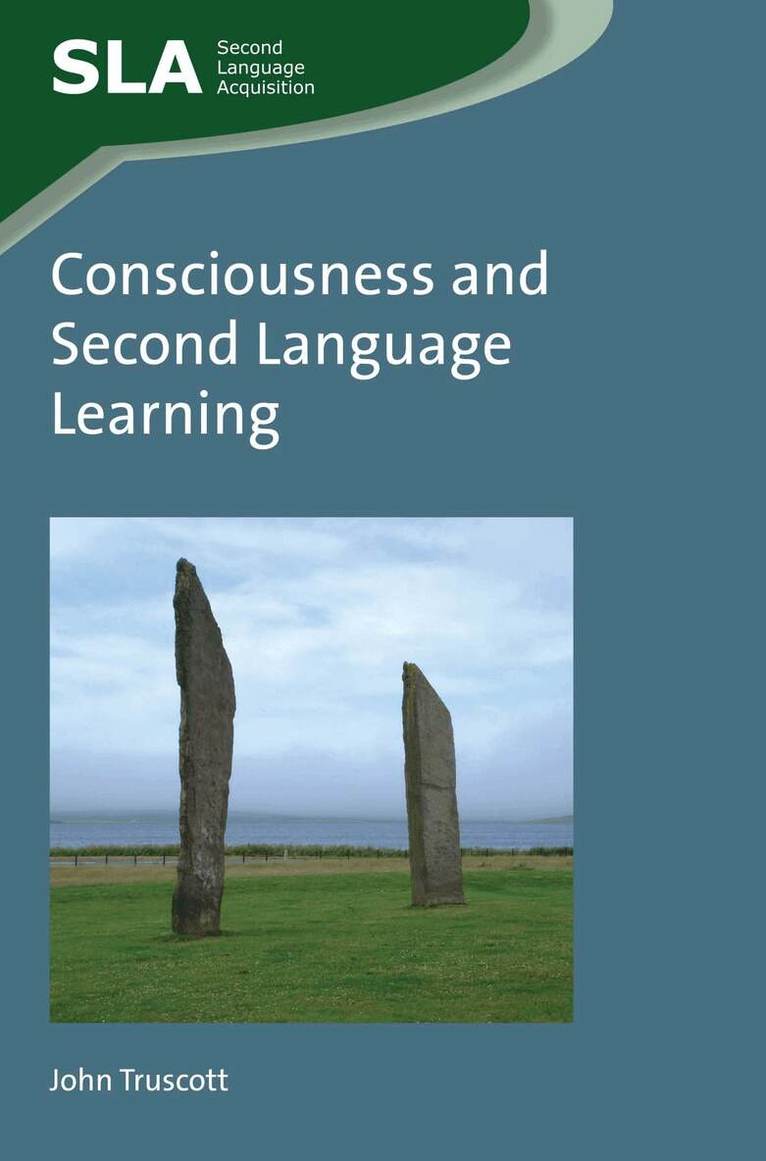
This book explores the place of consciousness in second language learning. It offers extensive background information on theories of consciousness and provides a detailed consideration of both the nature of consciousness and the cognitive context in which it appears. It presents the established Modular Online Growth and Use of Language (MOGUL) framework and explains the place of consciousness within this framework to enable a cognitively conceptualised understanding of consciousness in second language learning. It then applies this framework to fundamental concerns of second language acquisition, those of perception and memory, looking at how second language representations come to exist in the mind and what happens to these representations once they have been established (memory consolidation and restructuring).
Del 83 - Second Language Acquisition
Consciousness and Second Language Learning
Inbunden, Engelska, 2014
1 689 kr
Skickas inom 5-8 vardagar
This book explores the place of consciousness in second language learning. It offers extensive background information on theories of consciousness and provides a detailed consideration of both the nature of consciousness and the cognitive context in which it appears. It presents the established Modular Online Growth and Use of Language (MOGUL) framework and explains the place of consciousness within this framework to enable a cognitively conceptualised understanding of consciousness in second language learning. It then applies this framework to fundamental concerns of second language acquisition, those of perception and memory, looking at how second language representations come to exist in the mind and what happens to these representations once they have been established (memory consolidation and restructuring).
2 023 kr
Tillfälligt slut