John W. Loftus – Författare
Visar alla böcker från författaren John W. Loftus. Handla med fri frakt och snabb leverans.
9 produkter
9 produkter
263 kr
Skickas inom 5-8 vardagar
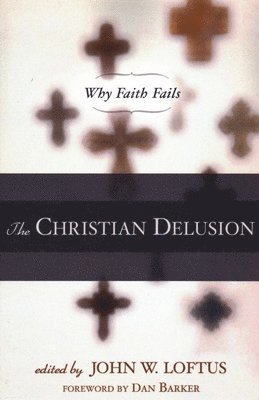
In this anthology of recent criticisms aimed at the reasonableness of Christian belief, a former evangelical minister and apologist, author of the critically acclaimed Why I Became an Atheist, has assembled fifteen outstanding articles by leading skeptics, expanding on themes introduced in his first book.Central is a defense of his "outsider test of faith," arguing that believers should test their faith with the same skeptical standards they use to evaluate the other faiths they reject, as if they were outsiders. Experts in medicine, psychology, and anthropology join Loftus to show why, when this test is applied to Christianity, it becomes very difficult to rationally defend. Collectively, these articles reveal that popular Christian beliefs tend to rely on ignorance of the facts. Drawing together experts in diverse fields, including Hector Avalos, Richard Carrier, David Eller, and Robert Price, this book deals a powerful blow against Christian faith.
263 kr
Skickas inom 5-8 vardagar
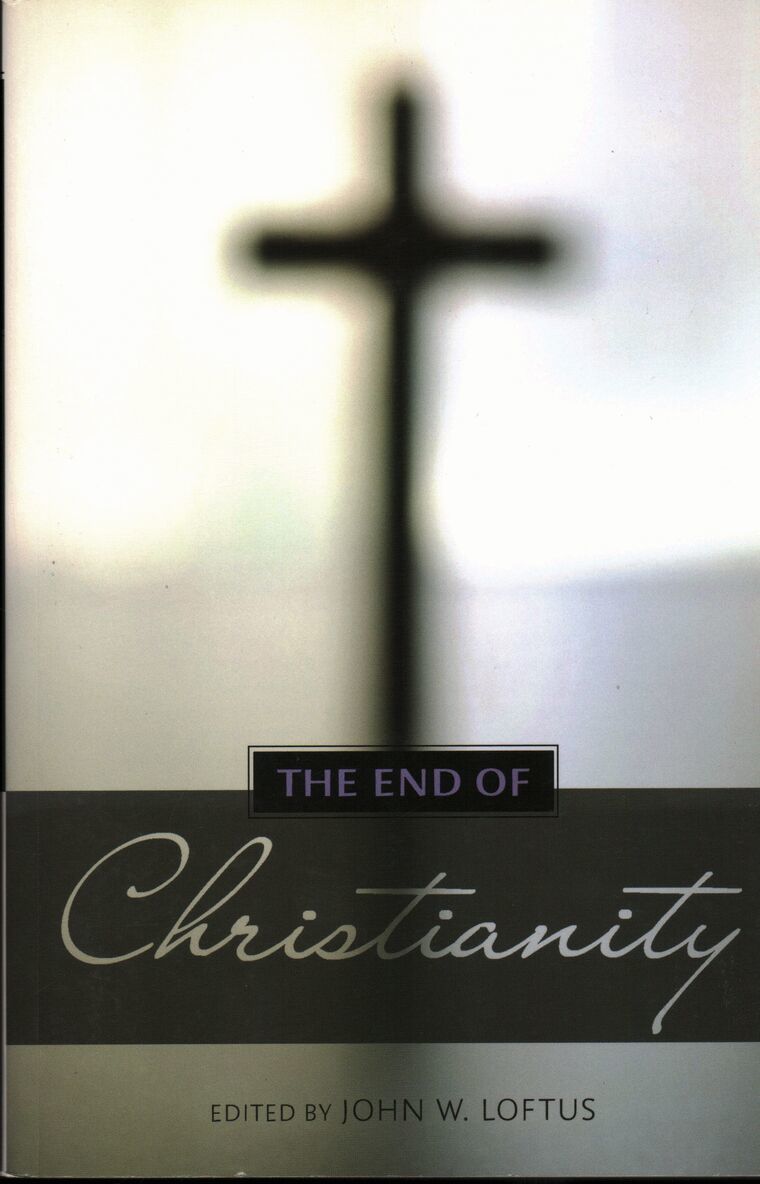
In this successor to his critically acclaimed anthology, The Christian Delusion: Why Faith Fails, a former minister and now leading atheist spokesperson has assembled a stellar group of respected scholars to continue the critique of Christianity begun in the first volume. Contributors include Victor Stenger, Robert Price, Hector Avalos, Richard Carrier, Keith Parsons, David Eller, and Taner Edis. Loftus is also the author of the best-selling Why I Became an Atheist: A Former Preacher Rejects Christianity. Taken together, the Loftus trilogy poses formidable challenges to claims for the rationality of the Christian faith. Anyone with an interest in the philosophy of religion will find this compilation to be intellectually stimulating and deeply thought provoking.
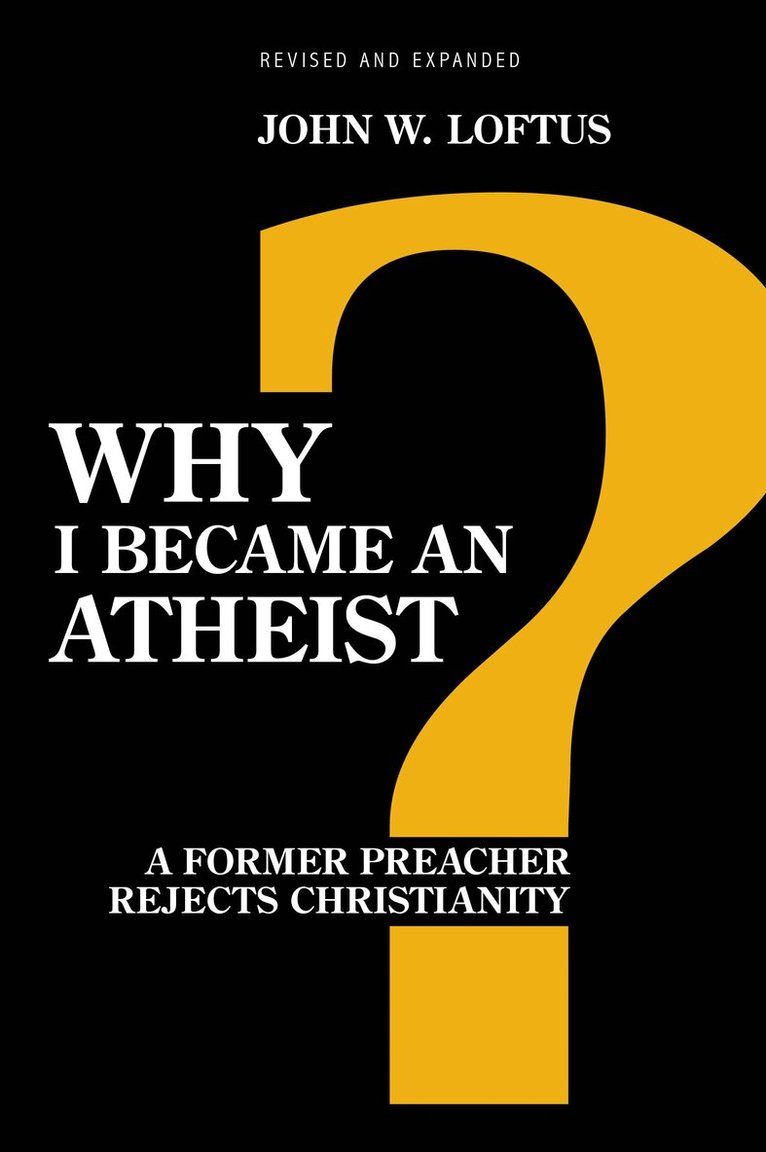
Why I Became an Atheist
A Former Preacher Rejects Christianity (Revised & Expanded)
Häftad, Engelska, 2012
279 kr
Skickas inom 5-8 vardagar
For about two decades John W. Loftus was a devout evangelical Christian, an ordained minister of the Church of Christ, and an ardent apologist for Christianity. With three degrees--in philosophy, theology, and philosophy of religion--he was adept at using rational argumentation to defend the faith. But over the years, doubts about the credibility of key Christian tenets began to creep into his thinking. By the late 1990s he experienced a full-blown crisis of faith. In this honest appraisal of his journey from believer to atheist, the author carefully explains the experiences and the reasoning process that led him to reject religious belief. The original edition of this book was published in 2006 and reissued in 2008. Since that time, Loftus has received a good deal of critical feedback from Christians and skeptics alike. In this revised and expanded edition, the author addresses criticisms of the original, adds new argumentation and references, and refines his presentation. For every issue he succinctly summarizes the various points of view and provides references for further reading. In conclusion, he describes the implications of life without belief in God, some liberating, some sobering. This frank critique of Christian belief from a former insider will interest freethinkers as well as anyone with doubts about the claims of religion.
232 kr
Skickas inom 5-8 vardagar
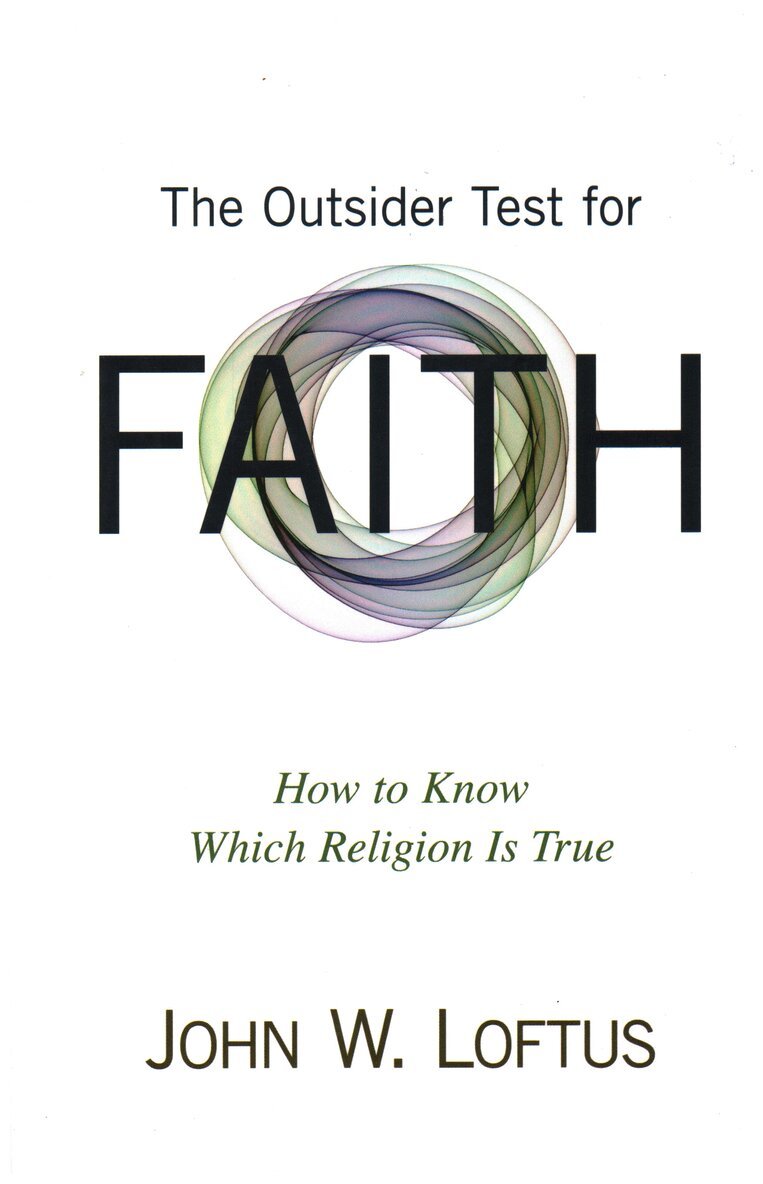
Fostering mutual understanding by viewing religion from an outsider perspectiveDepending on how one defines religion, there are at least thousands of religions in the world. Given such religious diversity, how can any one religion claim to know the truth? Nothing proposed so far has helped us settle which of these religions, if any, are true--until now. Author John W. Loftus, a former minister turned atheist, argues we would all be better off if we viewed any religion--including our own--from the informed skepticism of an outsider, a nonbeliever. For this reason he has devised "the outsider test for faith." He describes it as a variation on the Golden Rule: "Do unto your own faith what you do to other faiths." Essentially, this means applying the same skepticism to our own beliefs as we do to the beliefs of other faiths. Loftus notes that research from psychology, anthropology, sociology, and neuroscience goes a long way toward explaining why the human race has produced so many belief systems, why religion is culturally dependent, and how religion evolved in the first place. It's important that people understand these findings to escape the dangerous delusion that any one religion represents the only truth.At a time when the vast diversity of human belief systems is accessible to all, the outsider test for faith offers a rational means for fostering mutual understanding.
247 kr
Skickas inom 5-8 vardagar
In this new anthology critiquing Christianity, John Loftus-a former minister and now a leading atheist-has brought together an outstanding group of respected scholars who focus on the harms caused by the world's leading religion. The contributors begin by dissecting the many problematic aspects of religious faith generally. They repeatedly demonstrate that, with faith as a foundation, almost anything can be believed or denied. And almost any horrific deed can be committed. The authors then take a good hard look at many of the most important political, institutional, scientific, social, and moral harms committed in the name of Christianity. These range from the historical persecutions of the Inquisition and witch hunts to the current health hazards of faith healing.Finally, the authors answer three common Christian retorts to criticisms from nonbelievers: (1) that atheists cannot judge a harmful action without an objective moral standard; (2) that atheists need faith to solve the world's problems; and (3) that atheists cannot live a good life without faith.Loftus and the contributors generally conclude that, given both the well-documented historical record and ongoing problems raised by the faith, Christianity decisively fails empirical tests of its usefulness to humanity.
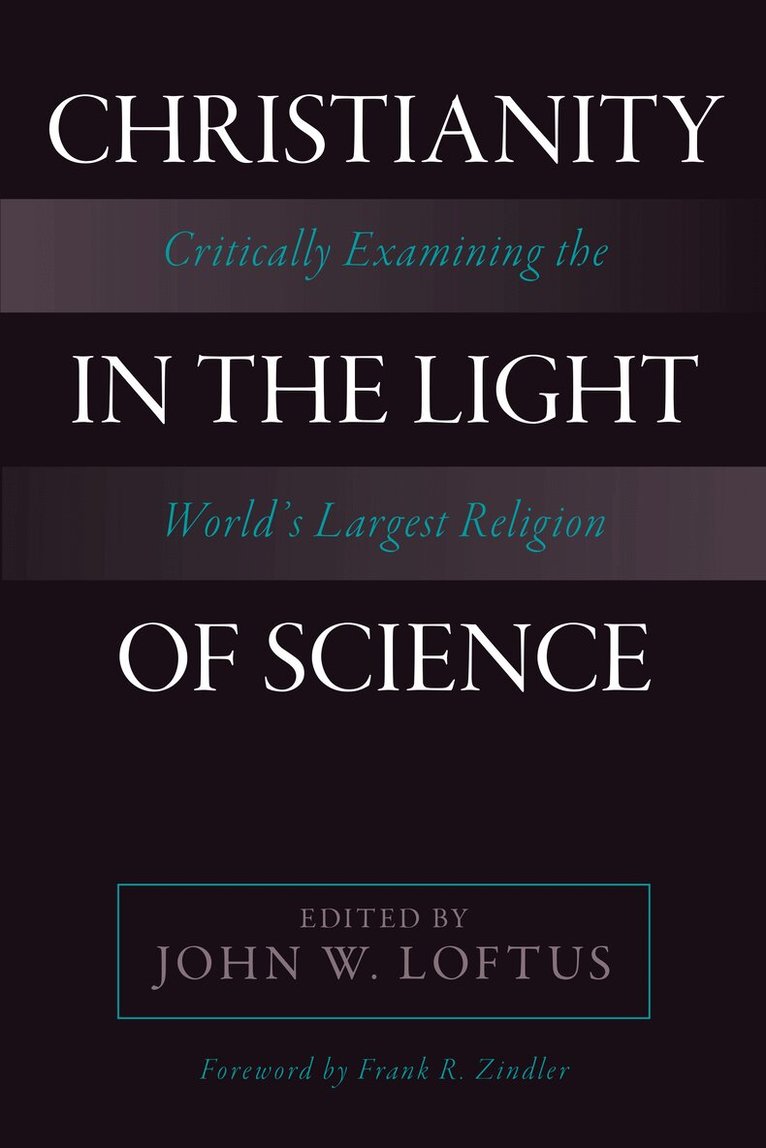
Christianity in the Light of Science
Critically Examining the World's Largest Religion
Häftad, Engelska, 2016
242 kr
Skickas inom 3-6 vardagar
This anthology of new critical essays written by experts in their fields, in honor of the late Victor Stenger, examines Christianity using established scientific criteria. Where science specifically touches upon the claims of Christianity the authors seek to show those claims lack the required evidence. The result is that Christianity is not a sufficiently evidenced religion. In his New York Times bestseller, God: The Failed Hypothesis, physicist Victor Stenger argued that claims of religion should be subject to the same standards of scientific rigor as any other truth claim. Taking this approach, the contributors argue that Christianity fails every known scientific test for truth. Stenger himself wrote a chapter for this volume before he died.In it he presents a brief history of ideas about cosmology, showing that Christianity's premodern understanding of the cosmos is incompatible with current scientific evidence regarding the origin and structure of the cosmos. Other contributors examine a wide variety of topics, including biblical archaeology, Intelligent Design, the Shroud of Turin, free will, the existence of the soul, the efficacy of petitionary prayer, and more.This challenging work is indispensable reading for both skeptical readers and open-minded people of faith.
216 kr
Skickas inom 5-8 vardagar
272 kr
Skickas inom 5-8 vardagar
218 kr
Skickas inom 5-8 vardagar