Jonathan A. Morell - Böcker
Visar alla böcker från författaren Jonathan A. Morell. Handla med fri frakt och snabb leverans.
4 produkter
4 produkter
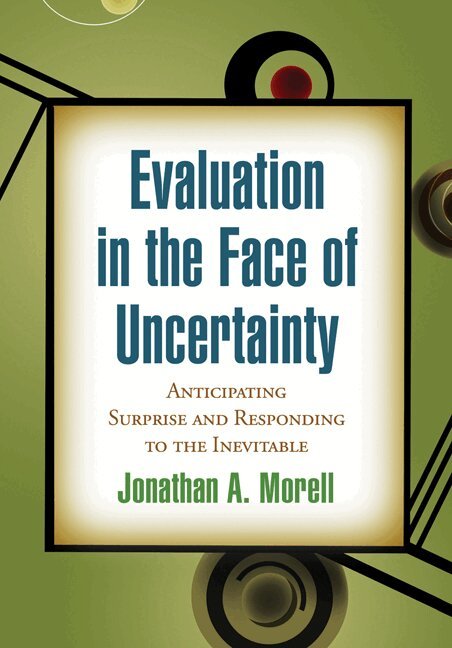
Evaluation in the Face of Uncertainty
Anticipating Surprise and Responding to the Inevitable
Häftad, Engelska, 2010
597 kr
Skickas inom 7-10 vardagar
Unexpected events during an evaluation all too often send evaluators into crisis mode. This insightful book provides a systematic framework for diagnosing, anticipating, accommodating, and reining in costs of evaluation surprises. The result is evaluation that is better from a methodological point of view, and more responsive to stakeholders. Jonathan A. Morell identifies the types of surprises that arise at different stages of a program's life cycle and that may affect different aspects of the evaluation, from stakeholder relationships to data quality, methodology, funding, deadlines, information use, and program outcomes. His analysis draws on 18 concise cases from well-known researchers in a variety of evaluation settings. Morell offers guidelines for responding effectively to surprises and for determining the risks and benefits of potential solutions.
Evaluation in the Face of Uncertainty
Anticipating Surprise and Responding to the Inevitable
Inbunden, Engelska, 2010
898 kr
Skickas inom 7-10 vardagar
Unexpected events during an evaluation all too often send evaluators into crisis mode. This insightful book provides a systematic framework for diagnosing, anticipating, accommodating, and reining in costs of evaluation surprises. The result is evaluation that is better from a methodological point of view, and more responsive to stakeholders. Jonathan A. Morell identifies the types of surprises that arise at different stages of a program's life cycle and that may affect different aspects of the evaluation, from stakeholder relationships to data quality, methodology, funding, deadlines, information use, and program outcomes. His analysis draws on 18 concise cases from well-known researchers in a variety of evaluation settings. Morell offers guidelines for responding effectively to surprises and for determining the risks and benefits of potential solutions.
965 kr
Skickas inom 7-10 vardagar
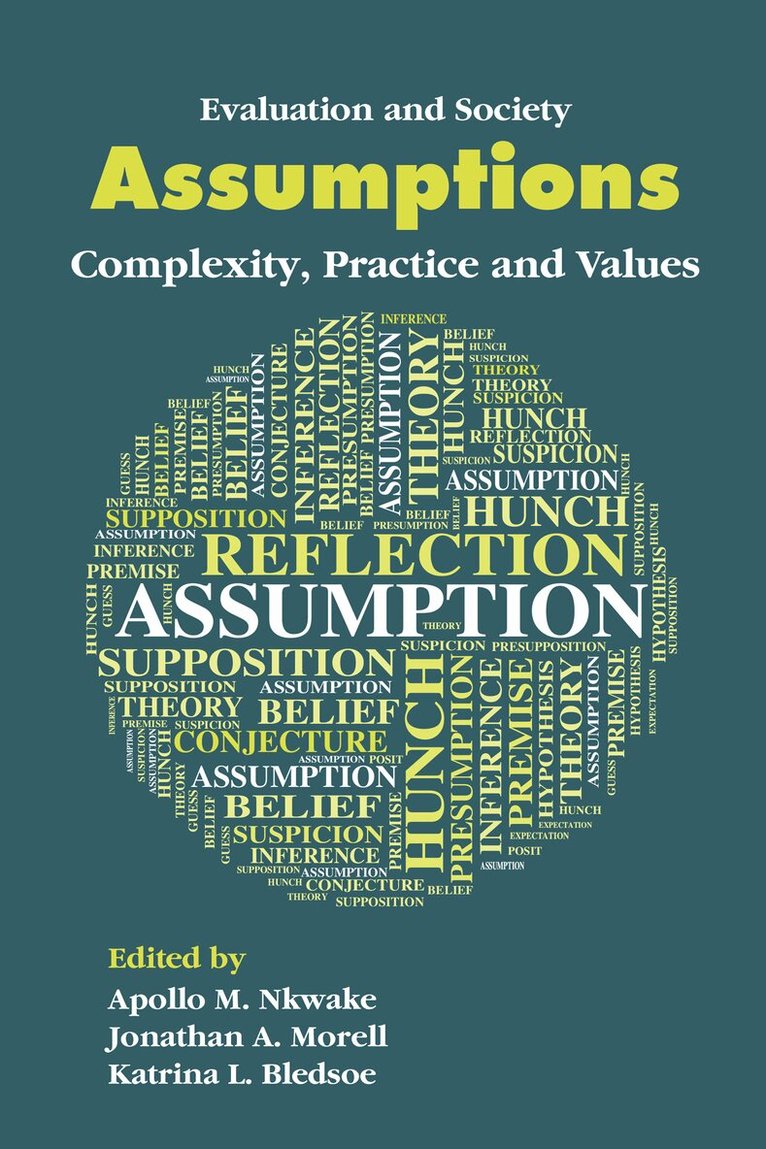
Assumptions: Complexity, Practice and Values delves into the empirical and theoretical aspects of assumptions in evaluation, offering methodologies to identify and categorize them, and exploring how they influence evaluations and each other. It provides practical guidance for evaluators to help stakeholders identify priorities and plan effective programs, while also presenting conceptual insights into the nature of assumptions and their impact on both programs and evaluations. The chapters push the boundaries of our understanding of assumptions in the field and propose a research agenda to deepen our knowledge and improve evaluation practices. Addressing assumptions is a cornerstone of evaluative thinking, crucial for uncovering the beliefs that guide stakeholders' decisions and actions. This book emphasizes how these assumptions shape the evaluation process, determining the questions asked and the answers sought. By examining these underlying beliefs, evaluators can conduct more meaningful evaluations that truly reflect the needs and realities of the programs they assess. This book also equips methodologists with the tools to design evaluations that yield actionable insights for decision-makers. Practitioners will learn to monitor their own and their stakeholders' assumptions to avoid biases and leverage deeper understanding in their work. Program funders and designers will gain the knowledge to implement more effective programs and avoid unintended consequences. Evaluation educators will find valuable content to enhance their teaching, and researchers will discover new directions for their studies. Ultimately, Assumptions aims to enrich evaluators' ability to reveal and prioritize the most consequential assumptions in their work.
518 kr
Skickas inom 7-10 vardagar
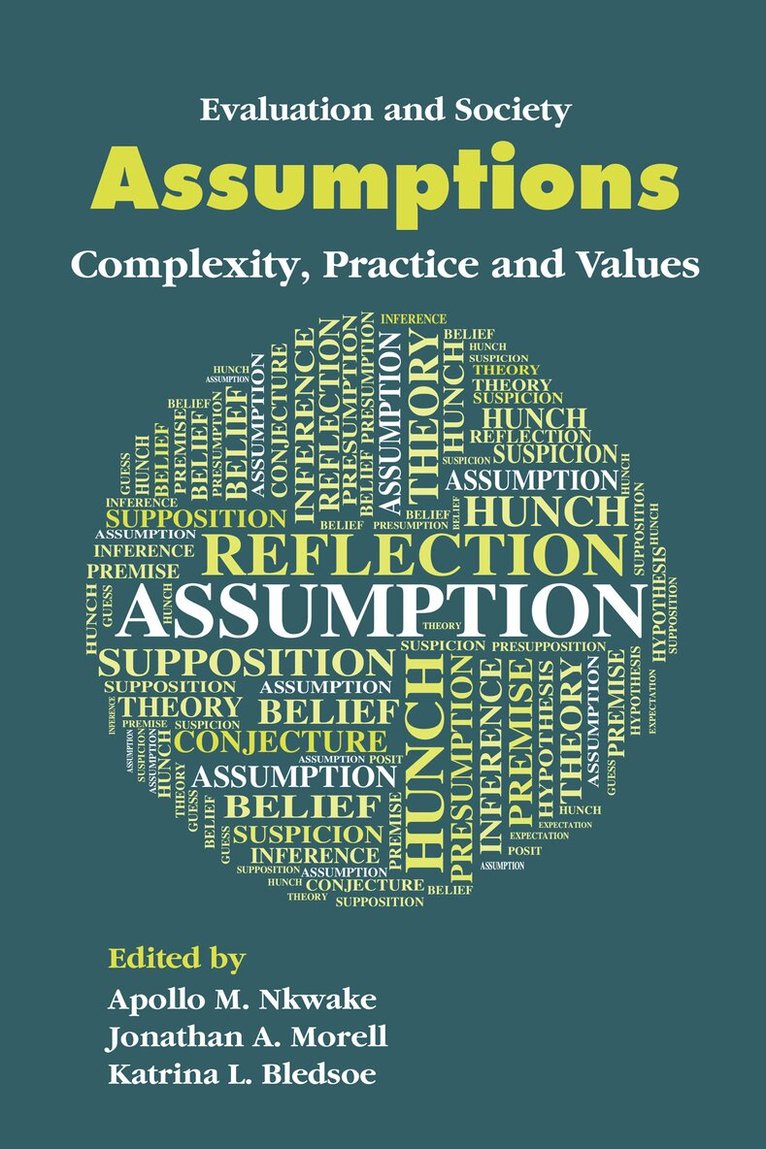
Assumptions: Complexity, Practice and Values delves into the empirical and theoretical aspects of assumptions in evaluation, offering methodologies to identify and categorize them, and exploring how they influence evaluations and each other. It provides practical guidance for evaluators to help stakeholders identify priorities and plan effective programs, while also presenting conceptual insights into the nature of assumptions and their impact on both programs and evaluations. The chapters push the boundaries of our understanding of assumptions in the field and propose a research agenda to deepen our knowledge and improve evaluation practices. Addressing assumptions is a cornerstone of evaluative thinking, crucial for uncovering the beliefs that guide stakeholders' decisions and actions. This book emphasizes how these assumptions shape the evaluation process, determining the questions asked and the answers sought. By examining these underlying beliefs, evaluators can conduct more meaningful evaluations that truly reflect the needs and realities of the programs they assess. This book also equips methodologists with the tools to design evaluations that yield actionable insights for decision-makers. Practitioners will learn to monitor their own and their stakeholders' assumptions to avoid biases and leverage deeper understanding in their work. Program funders and designers will gain the knowledge to implement more effective programs and avoid unintended consequences. Evaluation educators will find valuable content to enhance their teaching, and researchers will discover new directions for their studies. Ultimately, Assumptions aims to enrich evaluators' ability to reveal and prioritize the most consequential assumptions in their work.