Jonathan C. Kamkhaji – författare
Visar alla böcker från författaren Jonathan C. Kamkhaji. Handla med fri frakt och snabb leverans.
5 produkter
5 produkter
E-bok
PDF, Engelska, 20241 050 kr
Läs direkt efter köp
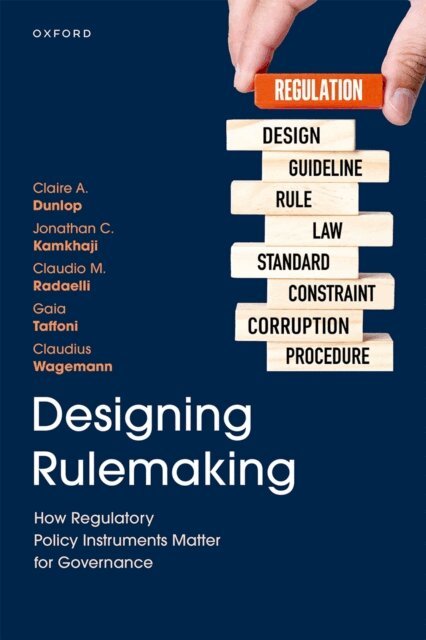
This is an open access title available under the terms of a CC BY-NC-ND 4.0 International licence. It is free to read on the Oxford Academic platform and offered as a free PDF download from OUP and selected open access locations.Over the last twenty-five years, many governments around the world have adopted access to information legislation, introduced or re-designed impact assessment procedures for proposed legislation, created ombudsman offices, and engaged stakeholders in various types of consultation. With a general aim of making rulemaking more transparent and inclusive and ultimately more efficient, these governments - nudged by the advocacy of International Organizations - have reformed the design of their rulemaking procedures and calibrated them in specific yet distinct ways. The question arises: do these innovations, designed to open up rulemaking process and make regulation better, have an actual effect on policy and governance outcomes? In Designing Rulemaking, the authors answer this question with a novel, purpose-built dataset on regulatory design based on the legal provisions disciplining four rulemaking procedures - impact assessment, stakeholder consultation, freedom of information, and ombudsman procedures. Examining twenty-eight countries (the EU twenty-seven plus the UK), the dataset operationalises rules as data and measures the design features of each procedure in each country. The authors then, using set-theoretic methods, consider the effects of these combinations of designs of rulemaking procedures on the quality of the business environment, perception of corruption, and environmental performance. Their findings shatter predominant views on policy change in Europe and offer a varied, detailed, granular account of the efficacy of regulatory design.
E-bok
Engelska, 20241 050 kr
Läs direkt efter köp
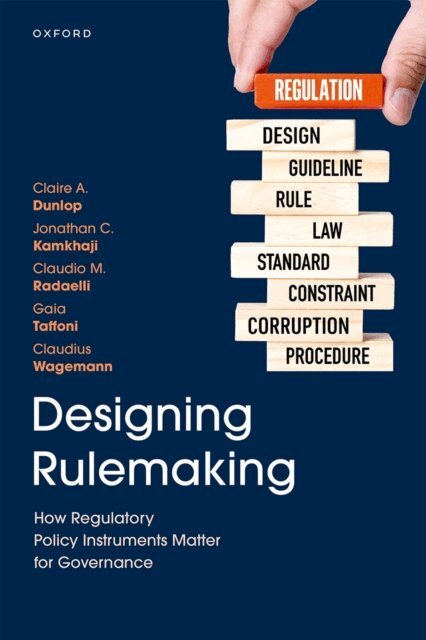
This is an open access title available under the terms of a CC BY-NC-ND 4.0 International licence. It is free to read on the Oxford Academic platform and offered as a free PDF download from OUP and selected open access locations.Over the last twenty-five years, many governments around the world have adopted access to information legislation, introduced or re-designed impact assessment procedures for proposed legislation, created ombudsman offices, and engaged stakeholders in various types of consultation. With a general aim of making rulemaking more transparent and inclusive and ultimately more efficient, these governments - nudged by the advocacy of International Organizations - have reformed the design of their rulemaking procedures and calibrated them in specific yet distinct ways. The question arises: do these innovations, designed to open up rulemaking process and make regulation better, have an actual effect on policy and governance outcomes? In Designing Rulemaking, the authors answer this question with a novel, purpose-built dataset on regulatory design based on the legal provisions disciplining four rulemaking procedures - impact assessment, stakeholder consultation, freedom of information, and ombudsman procedures. Examining twenty-eight countries (the EU twenty-seven plus the UK), the dataset operationalises rules as data and measures the design features of each procedure in each country. The authors then, using set-theoretic methods, consider the effects of these combinations of designs of rulemaking procedures on the quality of the business environment, perception of corruption, and environmental performance. Their findings shatter predominant views on policy change in Europe and offer a varied, detailed, granular account of the efficacy of regulatory design.
Inbunden, Engelska, 2024
1 239 kr
Skickas inom 5-8 vardagar
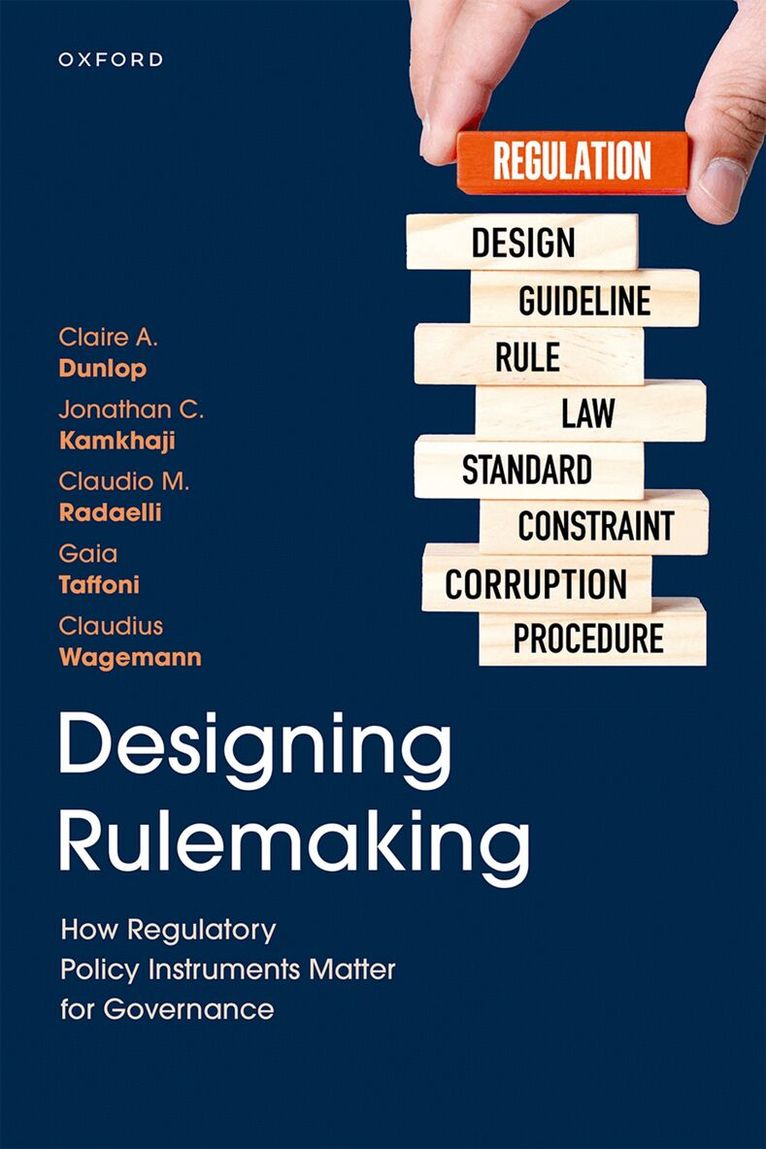
This is an open access title available under the terms of a CC BY-NC-ND 4.0 International licence. It is free to read on the Oxford Academic platform and offered as a free PDF download from OUP and selected open access locations.Over the last twenty-five years, many governments around the world have adopted access to information legislation, introduced or re-designed impact assessment procedures for proposed legislation, created ombudsman offices, and engaged stakeholders in various types of consultation. With a general aim of making rulemaking more transparent and inclusive and ultimately more efficient, these governments - nudged by the advocacy of International Organizations - have reformed the design of their rulemaking procedures and calibrated them in specific yet distinct ways. The question arises: do these innovations, designed to open up rulemaking process and make regulation better, have an actual effect on policy and governance outcomes? In Designing Rulemaking, the authors answer this question with a novel, purpose-built dataset on regulatory design based on the legal provisions disciplining four rulemaking procedures - impact assessment, stakeholder consultation, freedom of information, and ombudsman procedures. Examining twenty-eight countries (the EU twenty-seven plus the UK), the dataset operationalises rules as data and measures the design features of each procedure in each country. The authors then, using set-theoretic methods, consider the effects of these combinations of designs of rulemaking procedures on the quality of the business environment, perception of corruption, and environmental performance. Their findings shatter predominant views on policy change in Europe and offer a varied, detailed, granular account of the efficacy of regulatory design.
Inbunden, Engelska, 2022
490 kr
Skickas inom 10-15 vardagar
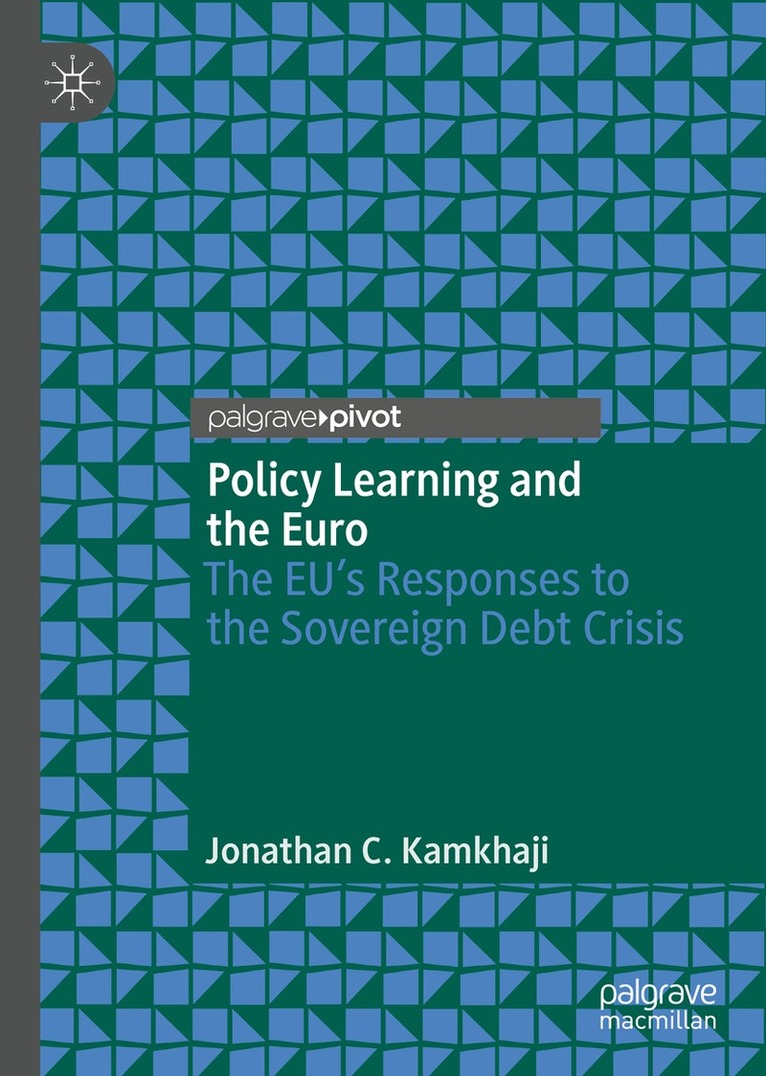
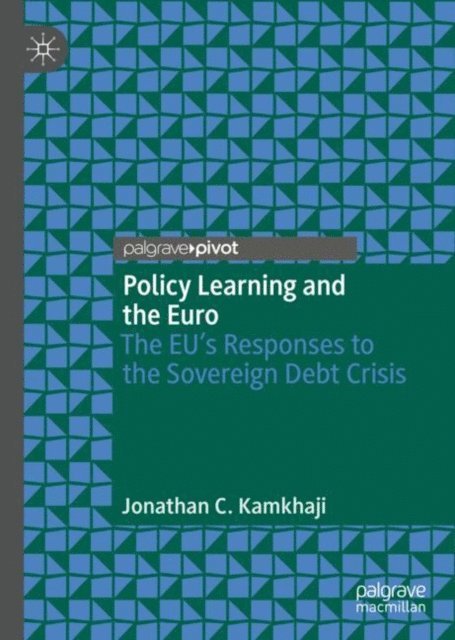
This book analyzes the EU’s responses to the sovereign debt crisis that hit the Economic and Monetary Union (EMU) in 2010. After reviewing the events that led to the crisis, it examines two case studies. The first assesses the short-term policy changes by drawing on a new mechanism, contingent learning. The second case study revolves around the long-term EMU reforms passed during the period 2010-2013. More specifically, it assesses these responses in relation to the institutional scientific publications of the European Central Bank and the DG ECFIN of the Commission. By analyzing both the short and long-term responses to the sovereign debt crisis, the book elucidates how policy learning can be an effective engine for deeper European integration. It will be of interest to scholars and students of EU integration, the EMU, policy learning, and supranational bureaucracies.
E-bok
Engelska, 2022633 kr
Läs direkt efter köp
This book analyzes the EU’s responses to the sovereign debt crisis that hit the Economic and Monetary Union (EMU) in 2010. After reviewing the events that led to the crisis, it examines two case studies. The first assesses the short-term policy changes by drawing on a new mechanism, contingent learning. The second case study revolves around the long-term EMU reforms passed during the period 2010-2013. More specifically, it assesses these responses in relation to the institutional scientific publications of the European Central Bank and the DG ECFIN of the Commission. By analyzing both the short and long-term responses to the sovereign debt crisis, the book elucidates how policy learning can be an effective engine for deeper European integration. It will be of interest to scholars and students of EU integration, the EMU, policy learning, and supranational bureaucracies.