Jonathan Preminger – författare
Visar alla böcker från författaren Jonathan Preminger. Handla med fri frakt och snabb leverans.
4 produkter
4 produkter
Inbunden, Engelska, 2025
3 938 kr
Skickas inom 5-8 vardagar
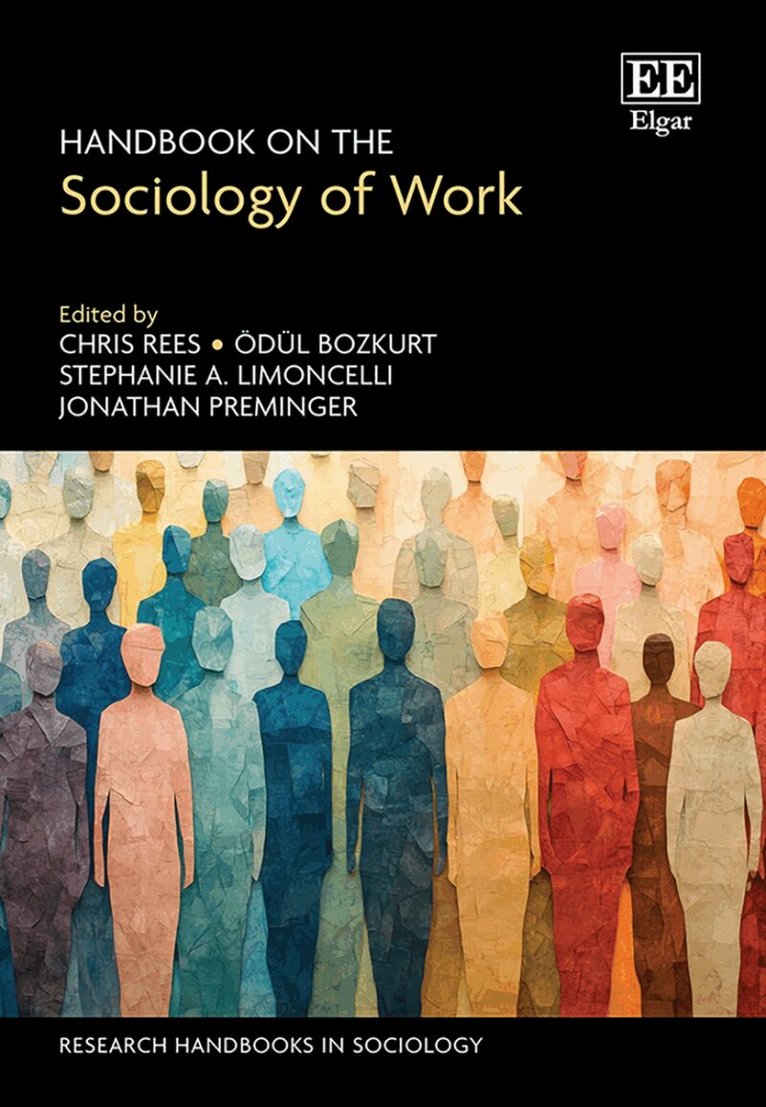
This comprehensive Handbook presents an overview of current research and thinking within the sociology of work. The contributors examine how the organisation and experience of work are shaped by the evolution of global capitalism, trends in political economy, and rapid technological developments.The Handbook explores varied forms and experiences of work – from factory, informal, and agricultural work, to more recent developments like platform work, coworking, neo-craft work, and emotional labour. Contributing authors also reflect on social inequalities in the workplace, interrogating the interplay between class, identity, race, gender, and age, and they address important policy issues, such as the climate crisis, digitisation and artificial intelligence, modern slavery, and the future of work. Each chapter critically evaluates core sociological concepts and theories while also identifying potential future research agendas.The Handbook on the Sociology of Work is a vital resource for scholars and students of sociology, political science, employment studies, and business and management. Practitioners and policymakers will also benefit from the in-depth coverage of such a wide range of contemporary topics in the field.
E-bok
PDF, Engelska, 2025825 kr
Läs direkt efter köp
This comprehensive Handbook presents an overview of current research and thinking within the sociology of work. The contributors examine how the organisation and experience of work are shaped by the evolution of global capitalism, trends in political economy, and rapid technological developments.The Handbook explores varied forms and experiences of work - from factory, informal, and agricultural work, to more recent developments like platform work, coworking, neo-craft work, and emotional labour. Contributing authors also reflect on social inequalities in the workplace, interrogating the interplay between class, identity, race, gender, and age, and they address important policy issues, such as the climate crisis, digitisation and artificial intelligence, modern slavery, and the future of work. Each chapter critically evaluates core sociological concepts and theories while also identifying potential future research agendas.The Handbook on the Sociology of Work is a vital resource for scholars and students of sociology, political science, employment studies, and business and management. Practitioners and policymakers will also benefit from the in-depth coverage of such a wide range of contemporary topics in the field.
E-bok
Engelska, 2025825 kr
Läs direkt efter köp
This comprehensive Handbook presents an overview of current research and thinking within the sociology of work. The contributors examine how the organisation and experience of work are shaped by the evolution of global capitalism, trends in political economy, and rapid technological developments.The Handbook explores varied forms and experiences of work - from factory, informal, and agricultural work, to more recent developments like platform work, coworking, neo-craft work, and emotional labour. Contributing authors also reflect on social inequalities in the workplace, interrogating the interplay between class, identity, race, gender, and age, and they address important policy issues, such as the climate crisis, digitisation and artificial intelligence, modern slavery, and the future of work. Each chapter critically evaluates core sociological concepts and theories while also identifying potential future research agendas.The Handbook on the Sociology of Work is a vital resource for scholars and students of sociology, political science, employment studies, and business and management. Practitioners and policymakers will also benefit from the in-depth coverage of such a wide range of contemporary topics in the field.
Inbunden, Engelska, 2018
788 kr
Skickas inom 10-15 vardagar
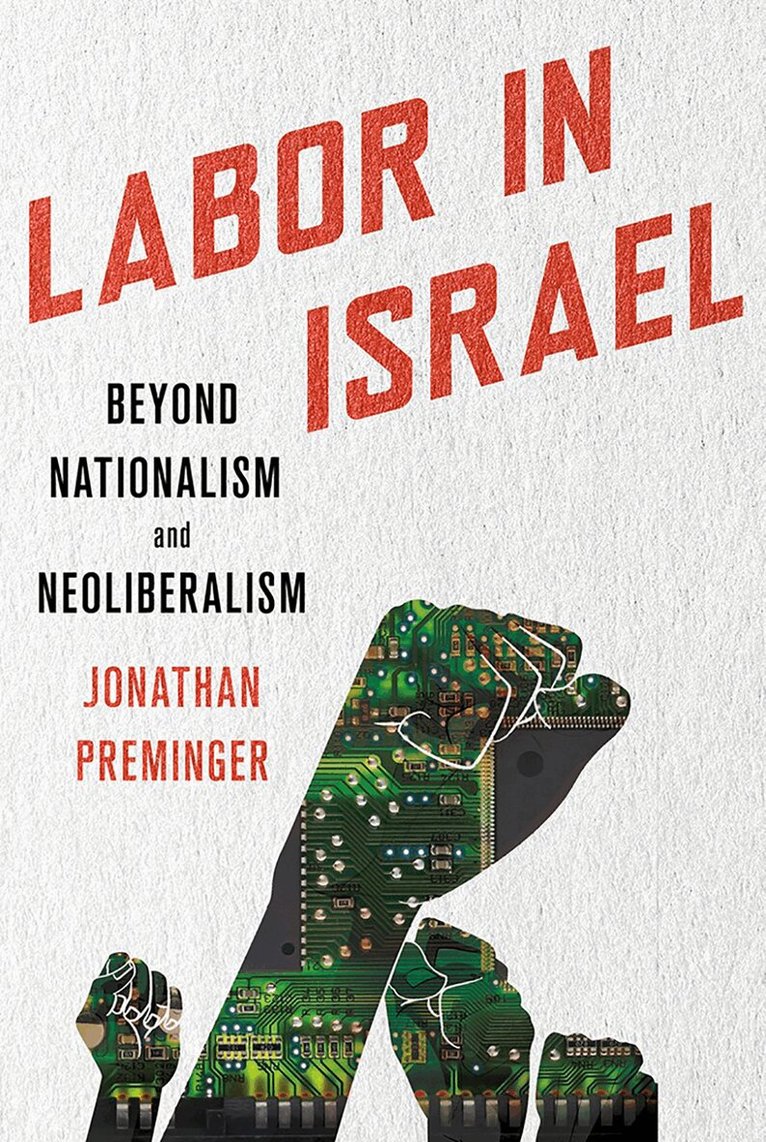
Using a comprehensive analysis of the wave of organizing that swept the country starting in 2007, Labor in Israel investigates the changing political status of organized labor in the context of changes to Israel's political economy, including liberalization, the rise of non-union labor organizations, the influx of migrant labor, and Israel's complex relations with the Palestinians. Through his discussion of organized labor's relationship to the political community and its nationalist political role, Preminger demonstrates that organized labor has lost the powerful status it enjoyed for much of Israel's history. Despite the weakening of trade unions and the Histadrut, however, he shows the ways in which the fragmentation of labor representation has created opportunities for those previously excluded from the labor movement regime.Organized labor is now trying to renegotiate its place in contemporary Israel, a society that no longer accepts labor's longstanding claim to be the representative of the people. As such, Preminger concludes that organized labor in Israel is in a transitional and unsettled phase in which new marginal initiatives, new organizations, and new alliances that have blurred the boundaries of the sphere of labor have not yet consolidated into clear structures of representation or accepted patterns of political interaction.