Jonathan Steinberg – författare
Visar alla böcker från författaren Jonathan Steinberg. Handla med fri frakt och snabb leverans.
18 produkter
Bismarck
A Life
Häftad, 2012
5,0 utav 5 stjärnor. Totalt antal röster: (1)
396 kr
Lägg i varukorg
This is the life story of one of the most interesting human beings who ever lived. A political genius who remade Europe and united Germany between 1862 and 1890 by the sheer power of his great personality. It takes the reader into close proximity with a human being of almost superhuman abilities. …
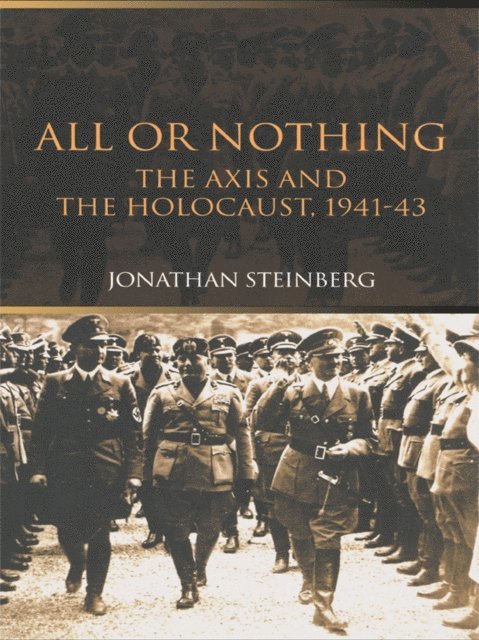
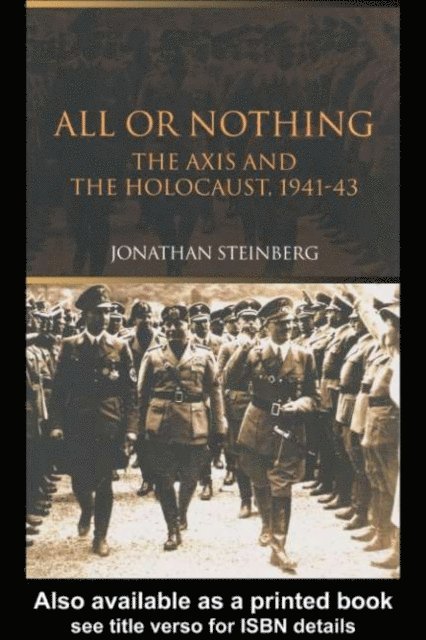
All or Nothing
The Axis and the Holocaust 1941-43
E-bok, 2003
785 kr
Lägg i varukorg
German and Italian fascist armies in the Second World War treated the Jews quite differently. Jews who fell into the hands of the German army ended up in concentration camps; none of those taken by the Italians suffered the same fate. Yet the protectors of the Jews were no philo-Semites, nor were …
All or Nothing
The Axis and the Holocaust 1941-43
Häftad, 2002
667 kr
Lägg i varukorg
German and Italian fascist armies in the Second World War treated the Jews quite differently. Jews who fell into the hands of the German army ended up in concentration camps; none of those taken by the Italians suffered the same fate. Yet the protectors of the Jews were no philo-Semites, nor were …
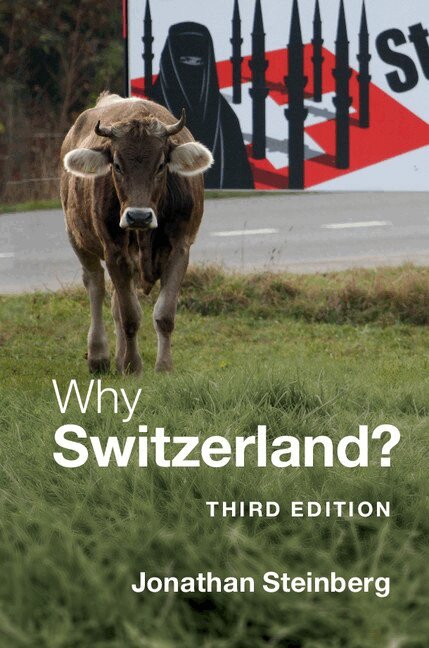
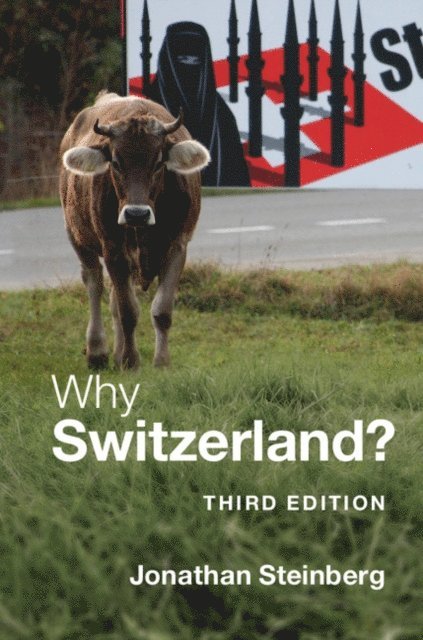
Why Switzerland?
Häftad, 2015
459 kr
Lägg i varukorg
Revised and completely updated edition of Jonathan Steinberg's classic account of Switzerland's unique political and economic system. Why Switzerland? examines the complicated voting system that allows citizens to add, strike out, or vote more than once for candidates, with extremely complicated …
Why Switzerland?
Inbunden, 2015
1559 kr
Lägg i varukorg
Revised and completely updated edition of Jonathan Steinberg's classic account of Switzerland's unique political and economic system. Why Switzerland? examines the complicated voting system that allows citizens to add, strike out, or vote more than once for candidates, with extremely complicated …
All or Nothing
The Axis and the Holocaust 1941-43
E-bok, 2003
785 kr
Lägg i varukorg
German and Italian fascist armies in the Second World War treated the Jews quite differently. Jews who fell into the hands of the German army ended up in concentration camps; none of those taken by the Italians suffered the same fate. Yet the protectors of the Jews were no philo-Semites, nor were …
All or Nothing
The Axis and the Holocaust 1941-43
Inbunden, 2016
2588 kr
Lägg i varukorg
German and Italian fascist armies in the Second World War treated the Jews quite differently. Jews who fell into the hands of the German army ended up in concentration camps; none of those taken by the Italians suffered the same fate. Yet the protectors of the Jews were no philo-Semites, nor were …
Why Switzerland?
E-bok, 1996
386 kr
Lägg i varukorg
Switzerland is a special and fascinating place. Its unique institutions, its direct democracy, multi-member executives, absence of strikes, communal autonomy, its universal military service, its wealth, and four national languages make it interesting in itself. But it has wider significance, in …
Why Switzerland?
E-bok, 1996
378 kr
Lägg i varukorg
Switzerland is a special and fascinating place. Its unique institutions, its direct democracy, multi-member executives, absence of strikes, communal autonomy, its universal military service, its wealth, and four national languages make it interesting in itself. But it has wider significance, in …
Why Switzerland?
E-bok, 2015
454 kr
Lägg i varukorg
Revised and completely updated edition of Jonathan Steinberg''s classic account of Switzerland''s unique political and economic system. Why Switzerland? examines the complicated voting system that allows citizens to add, strike out, or vote more than once for candidates, with extremely complicated …
Why Switzerland?
E-bok, 2015
444 kr
Lägg i varukorg
Revised and completely updated edition of Jonathan Steinberg''s classic account of Switzerland''s unique political and economic system. Why Switzerland? examines the complicated voting system that allows citizens to add, strike out, or vote more than once for candidates, with extremely complicated …
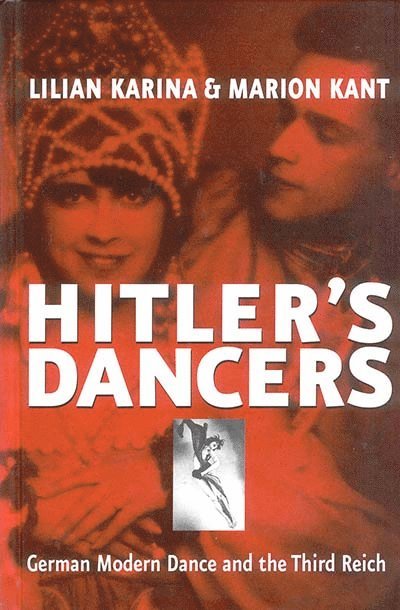
Hitler's Dancers
German Modern Dance and the Third Reich
Av Lilian Karina, Marion Kant m. fl.
Inbunden, 2003
2117 kr
Lägg i varukorg
The Nazis burned books and banned much modern art. Modern expressive dance, however, found favour with the regime and especially with Dr Joseph Goebbels, the Minister of Propaganda. The way in which modern artists collaborated with Nazism reveals an important aspect of modernism, uncovers the …
Hitler's Dancers
German Modern Dance and the Third Reich
Av Lilian Karina, Marion Kant m. fl.
Häftad, 2004
618 kr
Lägg i varukorg
"This book points the way for the next steps of further research ...[It] will be a seminal work in facilitating the analysis of understanding the roles of dance and body under fascism." * H-Net Reviews "...Reading along with rapt attention, I can't decide which is more surprising: the blistering …
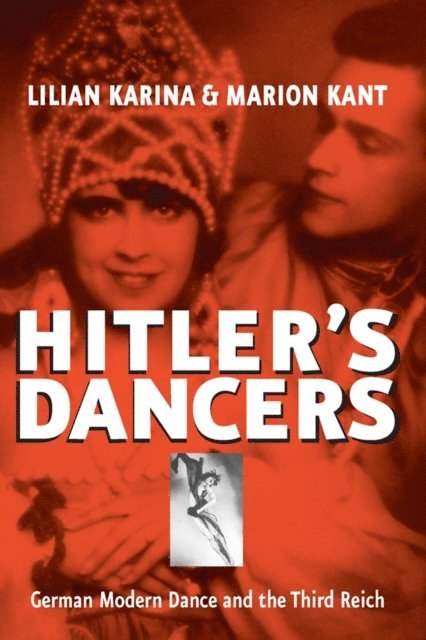
Hitler's Dancers
German Modern Dance and the Third Reich
Av Jonathan Steinberg, Marion Kant m. fl.
E-bok, 2004
386 kr
Lägg i varukorg
The Nazis burned books and banned much modern art. However, few people know the fascinating story of German modern dance, which was the great exception. Modern expressive dance found favor with the regime and especially with the infamous Dr. Joseph Goebbels, the Minister of Propaganda. How modern …
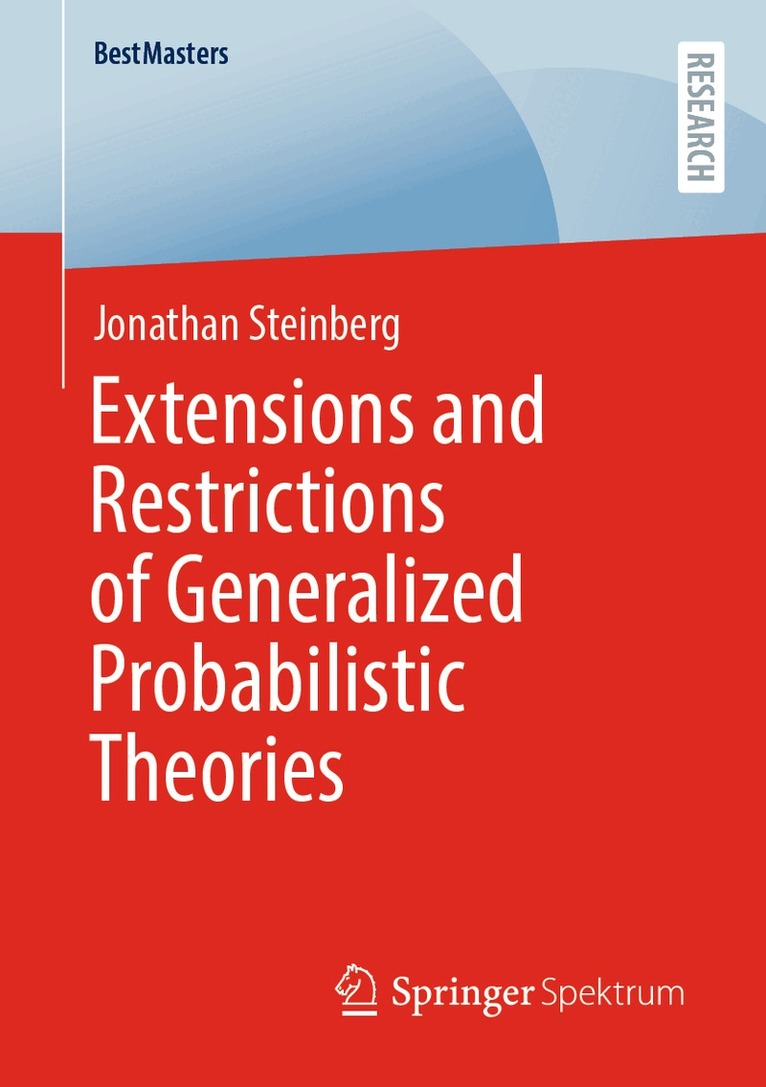
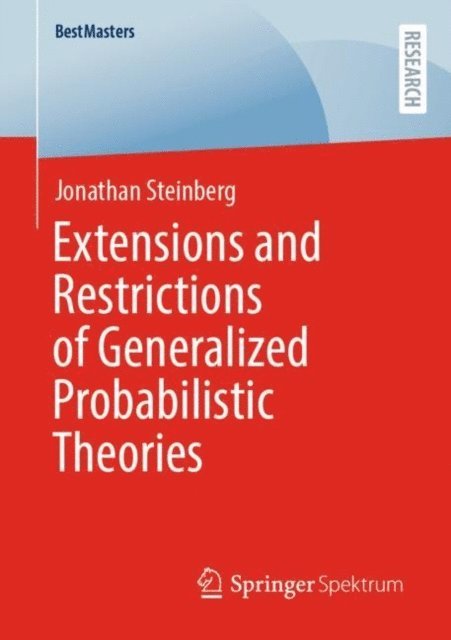
Extensions and Restrictions of Generalized Probabilistic Theories
Häftad, 2022
659 kr
Lägg i varukorg
Generalized probabilistic theories (GPTs) allow us to write quantum theory in a purely operational language and enable us to formulate other, vastly different theories. As it turns out, there is no canonical way to integrate the notion of subsystems within the framework of convex operational …
Extensions and Restrictions of Generalized Probabilistic Theories
E-bok, 2022
877 kr
Lägg i varukorg
Generalized probabilistic theories (GPTs) allow us to write quantum theory in a purely operational language and enable us to formulate other, vastly different theories. As it turns out, there is no canonical way to integrate the notion of subsystems within the framework of convex operational …
All or Nothing
The Axis and the Holocaust 1941-43
Inbunden, 1990
1366 kr
Tillfälligt slut
German and Italian fascist armies treated the Jews quite differently during the Second World War. Jonathan Steinberg unravels the motives and force underpinning Nazism and Fascism and discusses the roots of atrocity during war.