Jooyeon Rhee - Böcker
Visar alla böcker från författaren Jooyeon Rhee. Handla med fri frakt och snabb leverans.
4 produkter
4 produkter
Contemporary Korean Culture from the Edge
Transgression, Innovation, and Intimacy
Inbunden, Engelska, 2026
1 488 kr
Kommande
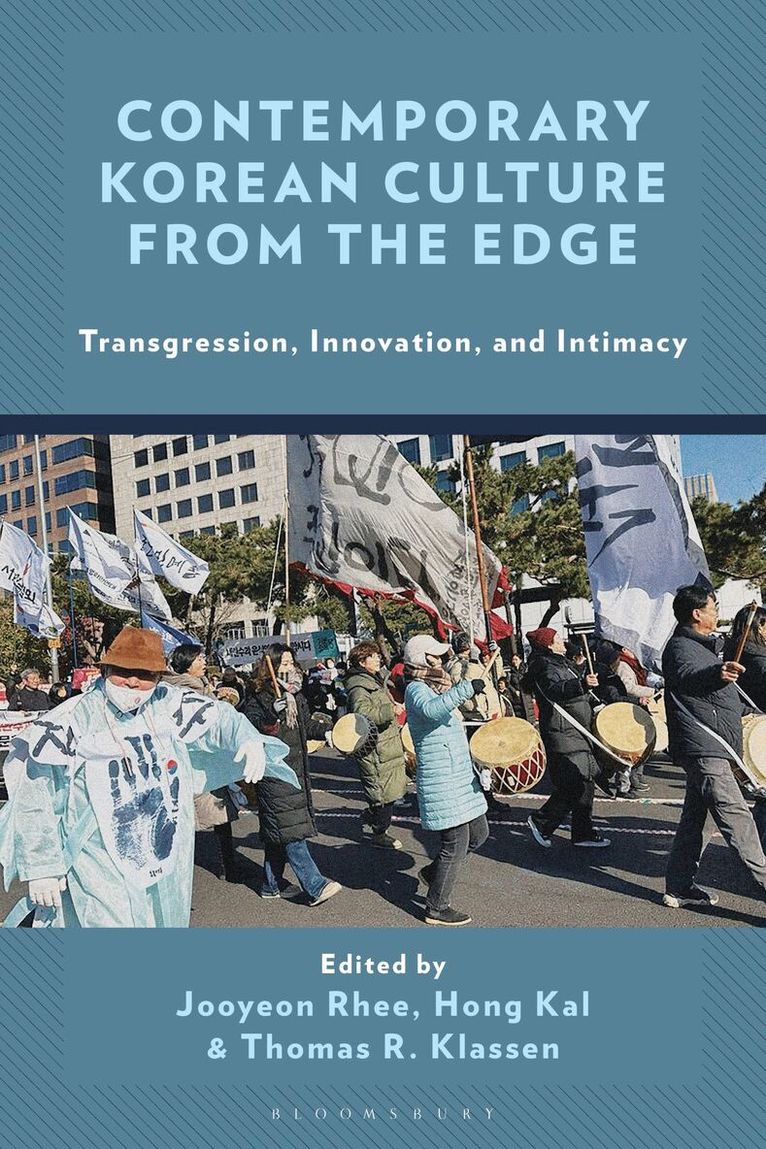
This book is for any reader seeking to understand and engage with contemporary South Korean culture. Inspired by the term “edge”, which in Korean refers to attitudes and ideas that are new, gripping and transgressive, each chapter provides a new perspective on today’s Korea.Drawing from a range perspectives, Contemporary Korean Culture from the Edge: Transgression, Innovation, and Intimacy examines Korean culture (including food, music, fashion, K-pop, cinema and much more) as twenty-first century global phenomenon. The book highlights unique features of Korean culture such as the role of astrology in K-pop fandom, feminist art, and recent fiction, poetry, and drama. In uncovering underrepresented areas of modern Korea, the chapters pay attention to lesser known but important aspects, such as the country’s astonishingly dynamic urban architecture. By casting a wide net, and including bottom-up cultural movements, such as protest art, the book reveals the rich and critical role that art, music, and literature play in Korea.
Gender and Food in Transnational East Asias
Toward a New Dialogue across Boundaries
Inbunden, Engelska, 2021
1 355 kr
Skickas inom 10-15 vardagar
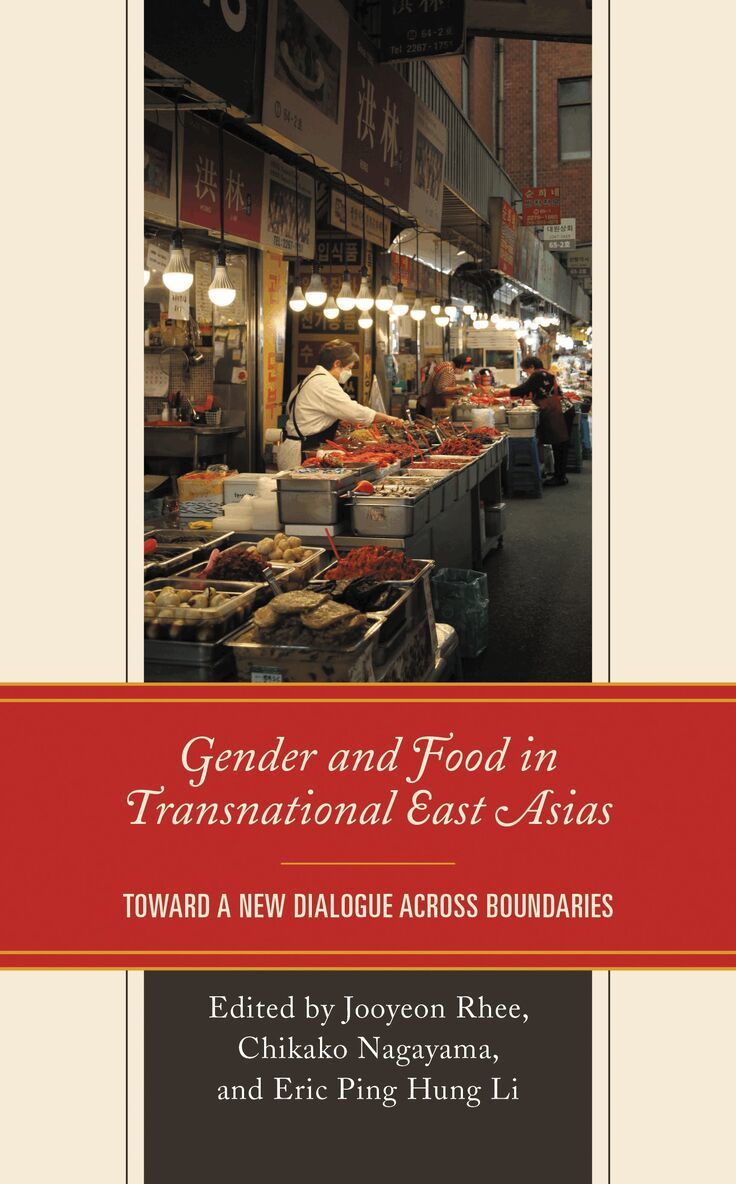
Gender and Food in Transnational East Asias illustrates how the production and consumption of food impacts the changing social positions of individuals and their relationships with their families, the state, and their work, as well as shapes their gender, sexual, ethnic, and national identities. The transnational movement of food and people between East Asia and the rest of the world is increasingly visible, forming various forces behind the cultural and political constructions of gender politics among and beyond Asian diasporas. It argues that a critical engagement with practices and representations of food from gender perspectives can enhance our understanding of the society and culture of transnational East Asia.
806 kr
Skickas inom 10-15 vardagar
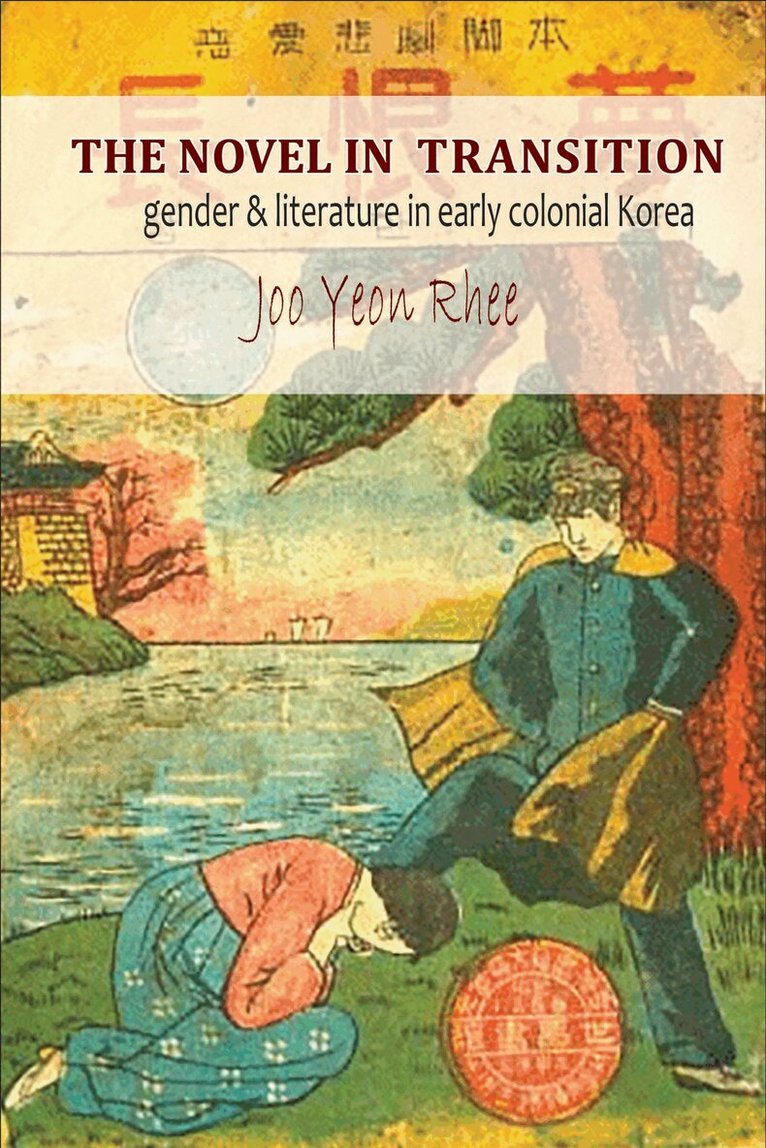
Having been marginalized from the literature-proper sphere of Confucian elite culture, the novel began to transform significantly at turn of the twentieth century in Korea. Selected novels in transformation that Jooyeon Rhee investigates in this book include both translated and creative historical novels, domestic novels, and crime novels, all of which were produced under the spell of civilization and enlightenment. Rhee places the transformation of the novel in the complex nexus of civilization discourses, transnational literary forces, and modern print media to show how they became a driving force behind the development of modern Korean literature. Gender is an analytical category central to this book since it became an important epistemological ground on which to define the Korean nation and modernity in literature at the time, and because the novel was one of the most effective technologies that mediated and populated knowledge about gender roles and relations. The masculine norms and principles articulated in novels, Rhee argues, are indicative of writers' and translators' negotiation with political and cultural forces of the time; their observations of the ambiguity of modernity manifest in the figure of mobile, motivated, and forward-looking woman and immobile, emotional, and suppressed men.
484 kr
Skickas inom 10-15 vardagar
Having been marginalized from the literature-proper sphere of Confucian elite culture, the novel began to transform significantly at turn of the twentieth century in Korea. Selected novels in transformation that Jooyeon Rhee investigates in this book include both translated and creative historical novels, domestic novels, and crime novels, all of which were produced under the spell of civilization and enlightenment. Rhee places the transformation of the novel in the complex nexus of civilization discourses, transnational literary forces, and modern print media to show how they became a driving force behind the development of modern Korean literature. Gender is an analytical category central to this book since it became an important epistemological ground on which to define the Korean nation and modernity in literature at the time, and because the novel was one of the most effective technologies that mediated and populated knowledge about gender roles and relations. The masculine norms and principles articulated in novels, Rhee argues, are indicative of writers' and translators' negotiation with political and cultural forces of the time; their observations of the ambiguity of modernity manifest in the figure of mobile, motivated, and forward-looking woman and immobile, emotional, and suppressed men.