Jorg Hackmann – författare
Visar alla böcker från författaren Jorg Hackmann. Handla med fri frakt och snabb leverans.
8 produkter
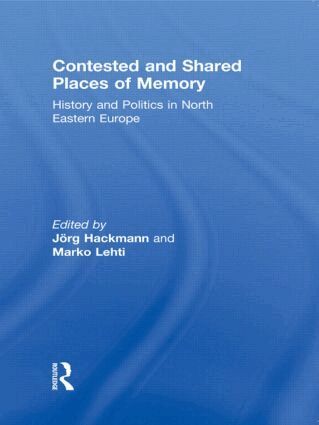
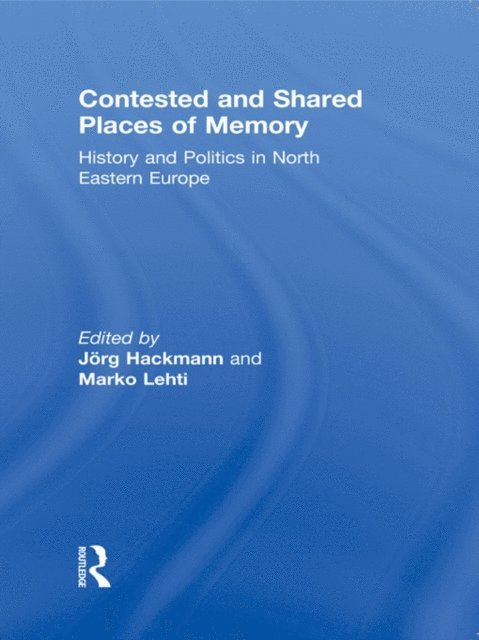
Contested and Shared Places of Memory
History and politics in North Eastern Europe
Inbunden, 2009
787 kr
Lägg i varukorg
The Baltic–Russian debates on the past have become a hot spot of European memory politics. Violent protests and international tensions accompanying the removal of the "Bronze Soldier" monument, which commemorated the Soviet liberation of Tallinn in 1944, from the city centre in April 2007 have …
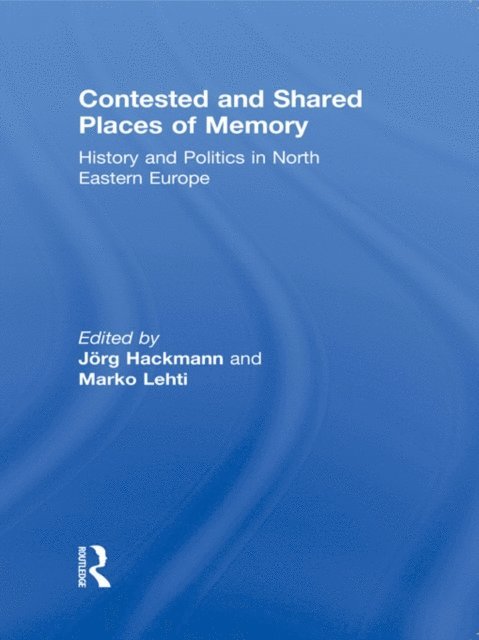
Contested and Shared Places of Memory
History and politics in North Eastern Europe
Häftad, 2013
396 kr
Lägg i varukorg
The Baltic–Russian debates on the past have become a hot spot of European memory politics. Violent protests and international tensions accompanying the removal of the "Bronze Soldier" monument, which commemorated the Soviet liberation of Tallinn in 1944, from the city centre in April 2007 have …
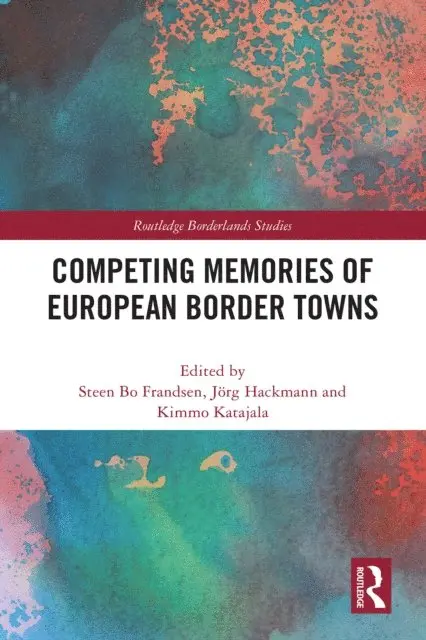
Competing Memories of European Border Towns
Av Kimmo Katajala, Jorg Hackmann m. fl.
E-bok, 2024
838 kr
Lägg i varukorg
This book considers competing memory politics in European border towns after the First and Second World Wars. In the twentieth century Europe’s borders shifted dramatically in the wake of war, and towns were often moved from one state to another despite their physical locations remaining unchanged. …
Competing Memories of European Border Towns
Av Kimmo Katajala, Jorg Hackmann m. fl.
E-bok, 2024
838 kr
Lägg i varukorg
This book considers competing memory politics in European border towns after the First and Second World Wars. In the twentieth century Europe’s borders shifted dramatically in the wake of war, and towns were often moved from one state to another despite their physical locations remaining unchanged. …
Contested and Shared Places of Memory
History and politics in North Eastern Europe
E-bok, 2013
464 kr
Lägg i varukorg
The Baltic–Russian debates on the past have become a hot spot of European memory politics. Violent protests and international tensions accompanying the removal of the "Bronze Soldier" monument, which commemorated the Soviet liberation of Tallinn in 1944, from the city centre in April 2007 have …
Contested and Shared Places of Memory
History and politics in North Eastern Europe
E-bok, 2013
449 kr
Lägg i varukorg
The Baltic–Russian debates on the past have become a hot spot of European memory politics. Violent protests and international tensions accompanying the removal of the "Bronze Soldier" monument, which commemorated the Soviet liberation of Tallinn in 1944, from the city centre in April 2007 have …
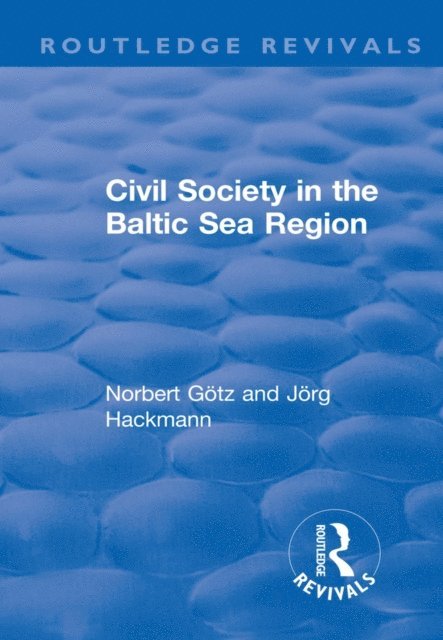
Civil Society in the Baltic Sea Region
Av Norbert Gotz, Jorg Hackmann
E-bok, 2017
1022 kr
Lägg i varukorg
This title was first published in 2003. The Baltic Sea region offers exceptionally rich material for the discussion of civil society. This is because it has witnessed the erosion of communist regimes, the crisis of the welfare state, the increasing importance of new social movements and the shift …
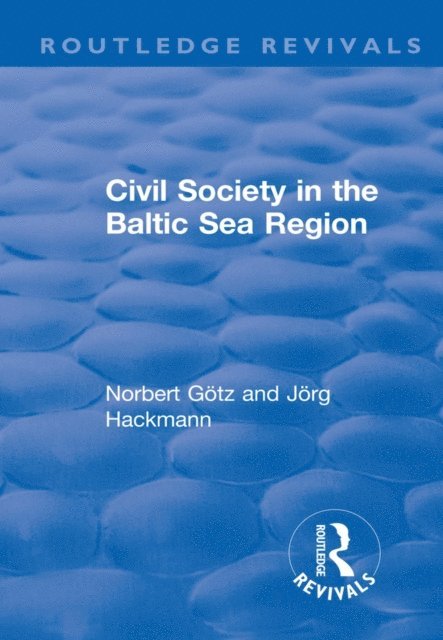
Civil Society in the Baltic Sea Region
Av Norbert Gotz, Jorg Hackmann
E-bok, 2017
1000 kr
Lägg i varukorg
This title was first published in 2003. The Baltic Sea region offers exceptionally rich material for the discussion of civil society. This is because it has witnessed the erosion of communist regimes, the crisis of the welfare state, the increasing importance of new social movements and the shift …