Jose A. Amador - Böcker
Visar alla böcker från författaren Jose A. Amador. Handla med fri frakt och snabb leverans.
4 produkter
4 produkter
950 kr
Skickas inom 7-10 vardagar
516 kr
Skickas inom 7-10 vardagar
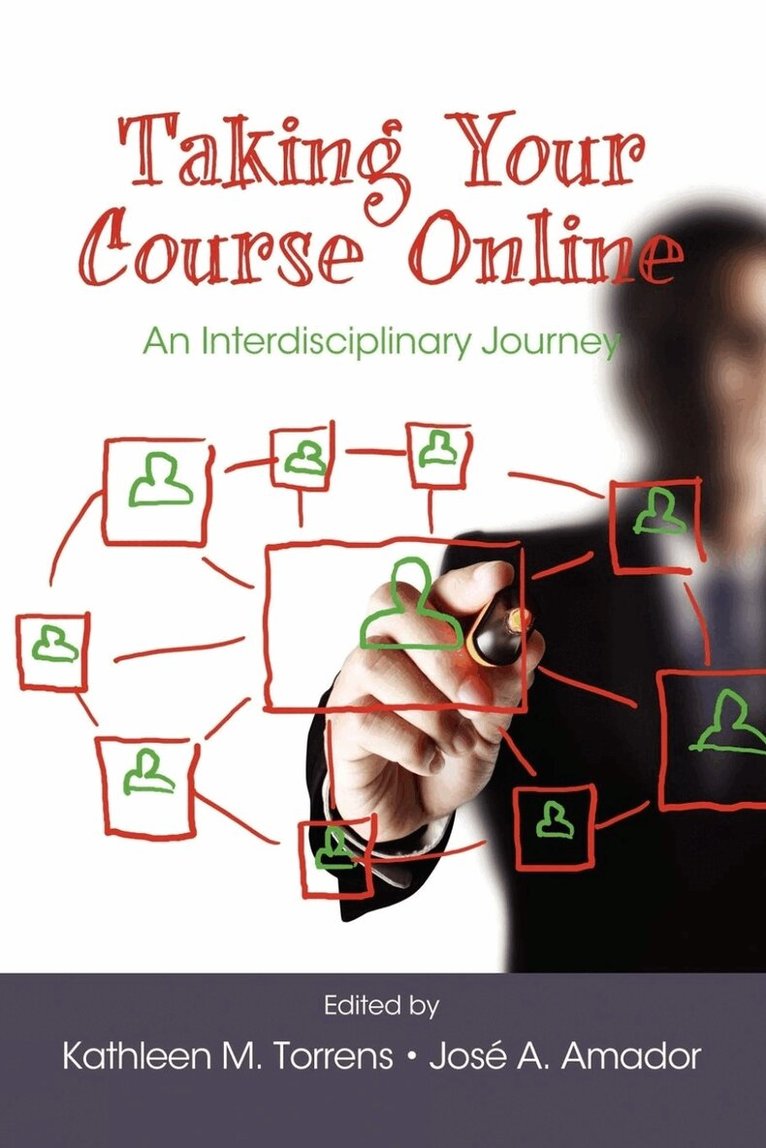
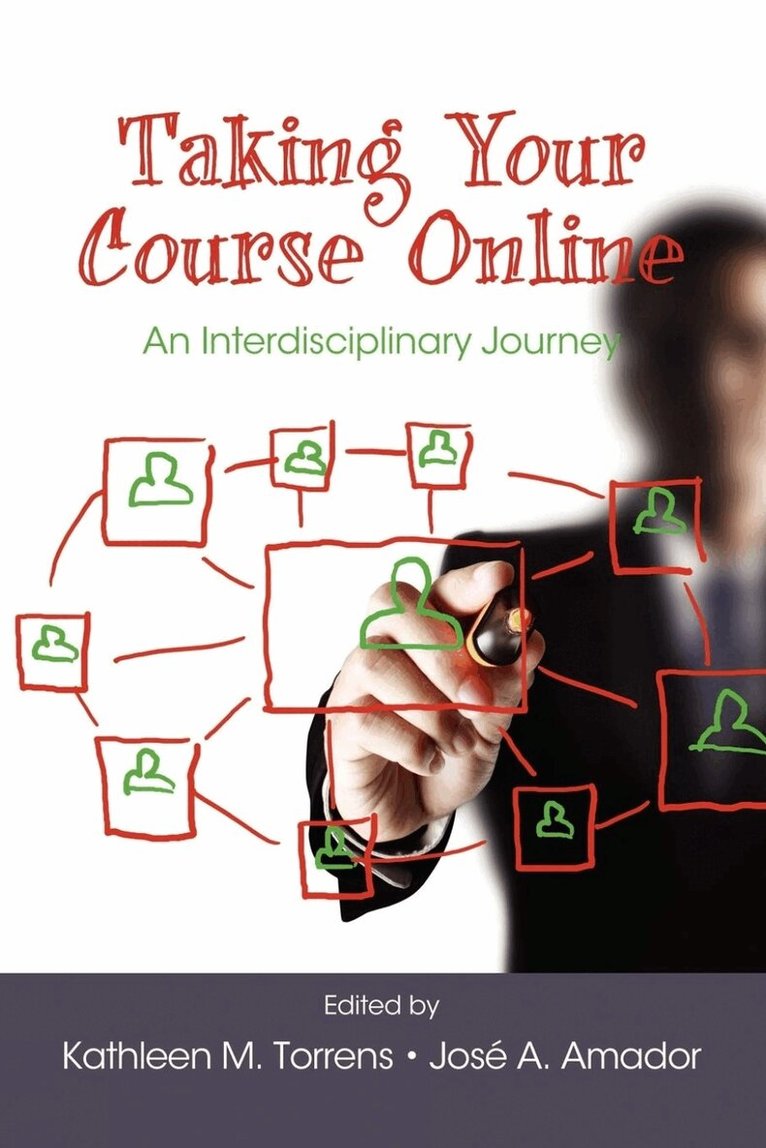
This book focuses on online pedagogy and the challenges and opportunities incumbent in the transformation of a face-to-face college course. It is intended as a resource and support for new online teachers – a source of ideas and strategies from a variety of disciplinary perspectives as well as pedagogical perspectives – and for those experienced in the online environment. The book meets the needs of faculty new to online teaching by providing them a wide variety of perspectives on the online transition – e.g. pedagogical, multidisciplinary, class size and level – by faculty with varying degrees of previous experience who have recently made the transition from face-to-face to online. Their advice and recollections offer a fresh, contemporary perspective on the subject. For administrators and faculty experienced with online instruction, the collection works as a resource for ideas intended to sustain the vibrancy and efficacy of the online environment.Taking Your Course Online includes the experiences of a cohort of faculty that responded to a University - wide call for faculty interested in developing online courses for summer session. This group participated in a series of workshops that addressed various aspects of developing online courses and online pedagogy. All of the authors taught their new online course over a subsequent 10-week summer session, and many of them have done so subsequently as well. Their experiences have great currency in the ever-changing world of online teaching. Because the collection represents the work of teachers exposed to best practices and many discussions concerning rigor, assessment, and accountability, it provides support for the viability of online teaching/learning in an environment frequently plagued by doubts about its effectiveness.Practitioners using this book will learn how to turn their face-to-face course into an online course successfully, understand best practices for transitioning courses/online teaching, minimize errors and avoid pitfalls in the transition process, and maximize learning. Faculty development professionals can use this book as a resource to teach faculty from a wide range of disciplines how to transition from the actual to the virtual classroom. Administrators such as deans and program chairs will gain useful insights into ways to think about taking entire programs online, as well as how to guide faculty in their development of pedagogicalskills pertinent to online learning.
952 kr
Skickas inom 7-10 vardagar
This book focuses on online pedagogy and the challenges and opportunities incumbent in the transformation of a face-to-face college course. It is intended as a resource and support for new online teachers – a source of ideas and strategies from a variety of disciplinary perspectives as well as pedagogical perspectives – and for those experienced in the online environment. The book meets the needs of faculty new to online teaching by providing them a wide variety of perspectives on the online transition – e.g. pedagogical, multidisciplinary, class size and level – by faculty with varying degrees of previous experience who have recently made the transition from face-to-face to online. Their advice and recollections offer a fresh, contemporary perspective on the subject. For administrators and faculty experienced with online instruction, the collection works as a resource for ideas intended to sustain the vibrancy and efficacy of the online environment.Taking Your Course Online includes the experiences of a cohort of faculty that responded to a University - wide call for faculty interested in developing online courses for summer session. This group participated in a series of workshops that addressed various aspects of developing online courses and online pedagogy. All of the authors taught their new online course over a subsequent 10-week summer session, and many of them have done so subsequently as well. Their experiences have great currency in the ever-changing world of online teaching. Because the collection represents the work of teachers exposed to best practices and many discussions concerning rigor, assessment, and accountability, it provides support for the viability of online teaching/learning in an environment frequently plagued by doubts about its effectiveness.Practitioners using this book will learn how to turn their face-to-face course into an online course successfully, understand best practices for transitioning courses/online teaching, minimize errors and avoid pitfalls in the transition process, and maximize learning. Faculty development professionals can use this book as a resource to teach faculty from a wide range of disciplines how to transition from the actual to the virtual classroom. Administrators such as deans and program chairs will gain useful insights into ways to think about taking entire programs online, as well as how to guide faculty in their development of pedagogicalskills pertinent to online learning.
Del 82 - JB - Anker
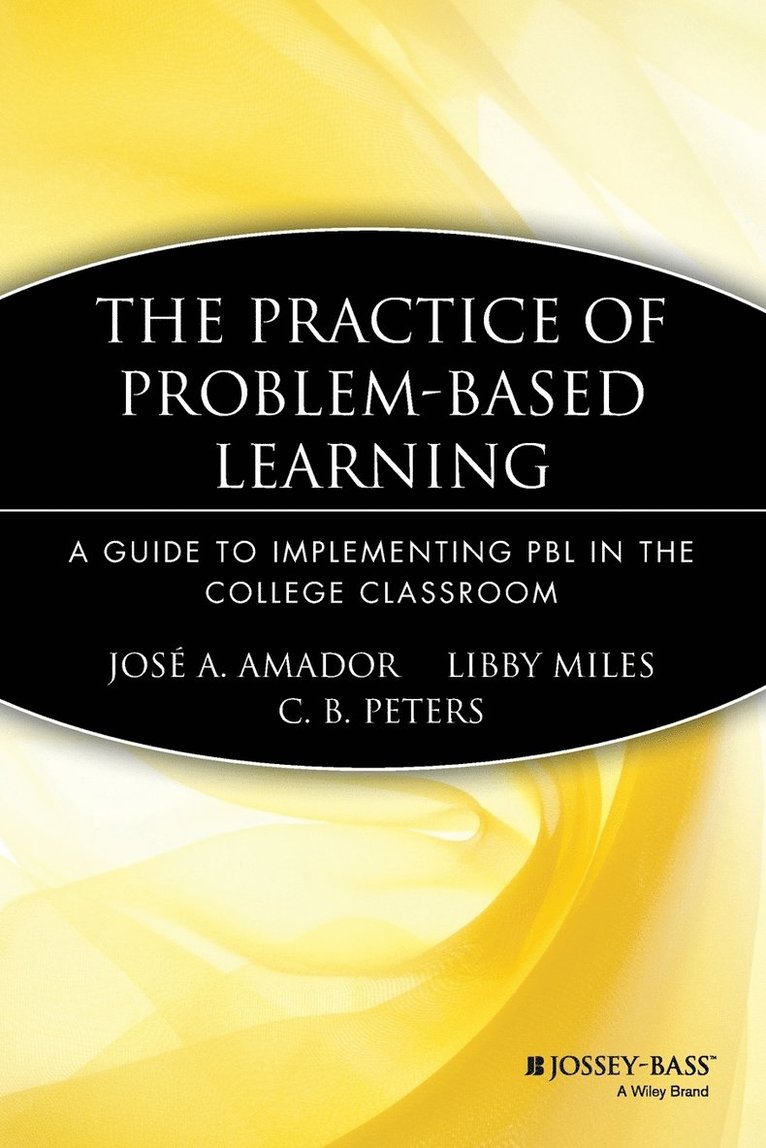
Practice of Problem-Based Learning
A Guide to Implementing PBL in the College Classroom
Häftad, Engelska, 2007
376 kr
Skickas inom 7-10 vardagar
This book is a guide for the development and implementation of problem-based learning (PBL) in college-level courses. It provides practical advice from real professors, includes examples of PBL in action through every stage from problem development to implementation, and integrates cross-disciplinary experiences into the practice of PBL in the college classroom. Its nuts-and-bolts approach makes it valuable to faculty, graduate teaching assistants, and faculty development professionals interested in learning how to do PBL, as well as to those already using PBL who would like to learn more about what other practitioners do in their classrooms.Readers will learn what really is and isn’t PBL and why some choose to use it, what is its effect on the learning landscape, and how to overcome tricky issues such as class size, student resistance, controlling classroom chaos, conservative colleagues, assessment, and student evaluations. Extensive examples and resources for further study are included, making it a concise, yet comprehensive guide to launching a successful problem-based learning course on your own.