Jose Manuel Mendes – författare
Visar alla böcker från författaren Jose Manuel Mendes. Handla med fri frakt och snabb leverans.
5 produkter
Investing in Disaster Risk Reduction for Resilience
Design, Methods and Knowledge in the face of Climate Change
Av A. Nuno Martins, Gonzalo Lizarralde m. fl.
Häftad, 2022
1238 kr
Lägg i varukorg
Disaster prevention and the mitigation of climate change effects call for global action. Joint efforts are required among countries, economic sectors, and public and private stakeholders. Not surprisingly, international organizations, such as the United Nations agencies, propose policy frameworks …
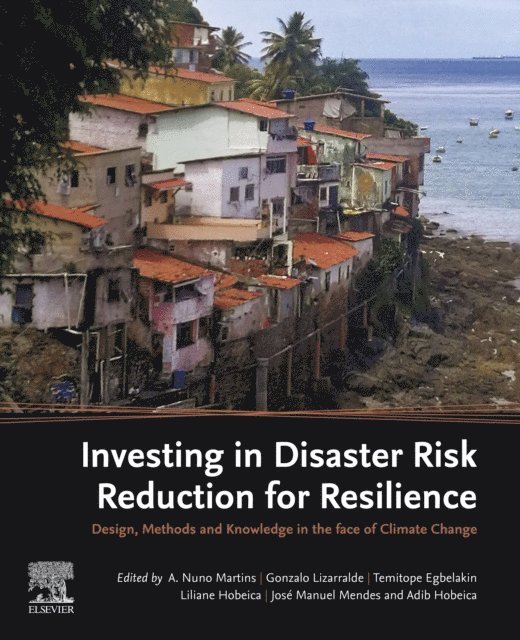
Investing in Disaster Risk Reduction for Resilience
Design, Methods and Knowledge in the face of Climate Change
Av Adib Hobeica, Jose Manuel Mendes m. fl.
E-bok, 2022
1759 kr
Lägg i varukorg
Disaster prevention and the mitigation of climate change effects call for global action. Joint efforts are required among countries, economic sectors, and public and private stakeholders. Not surprisingly, international organizations, such as the United Nations agencies, propose policy frameworks …
Strengthening Disaster Risk Governance to Manage Disaster Risk
Av Jose Manuel Mendes, Gretchen Kalonji m. fl.
Häftad, 2021
1212 kr
Lägg i varukorg
Strengthening Disaster Risk Governance to Manage Disaster Risk presents the second principle from the UNISDR Sendai Framework for Disaster Risk Reduction, 2015-2030. The framework includes discussion of risk and resilience from both a theoretical and governance perspective in light of the ideas …
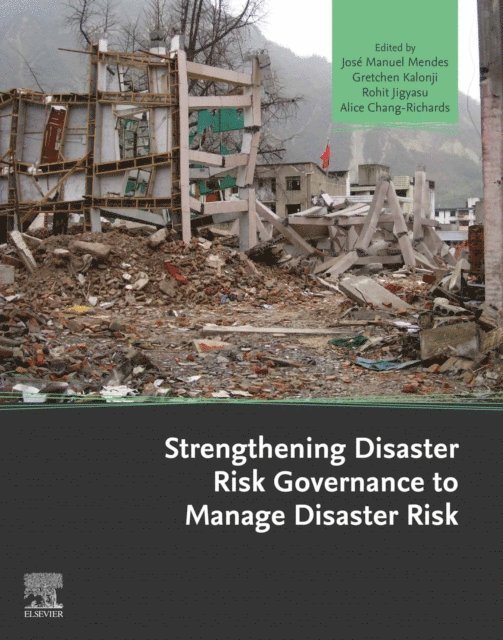
Strengthening Disaster Risk Governance to Manage Disaster Risk
Av Alice Chang-Richards, Rohit Jigyasu m. fl.
E-bok, 2021
1759 kr
Lägg i varukorg
Strengthening Disaster Risk Governance to Manage Disaster Risk presents the second principle from the UNISDR Sendai Framework for Disaster Risk Reduction, 2015-2030. The framework includes discussion of risk and resilience from both a theoretical and governance perspective in light of the ideas …
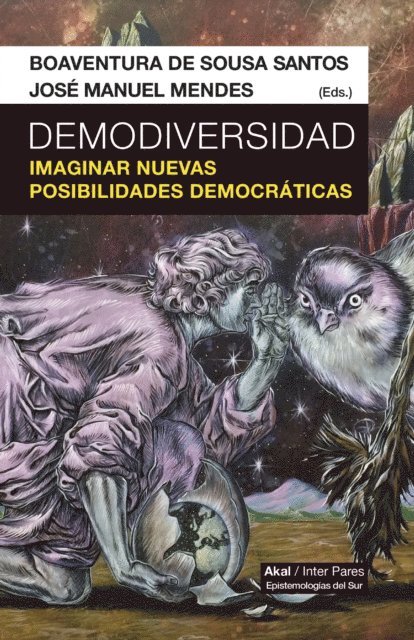
Demodiversidad
Imaginar nuevas posibilidades democráticas
Av Jose Manuel Mendes, Boaventura da Sousa
E-bok, 2018
91 kr
Lägg i varukorg
El presente libro parte de la siguiente pregunta: ¿habrá derrotado el capitalismo a la democracia representativa? La respuesta se da a partir del análisis de los nuevos contextos surgidos a con posterioridad al año 2000, en que la democracia deja de ser algo pensado por y para las elites, y se …