Joseph Glicksohn - Böcker
Visar alla böcker från författaren Joseph Glicksohn. Handla med fri frakt och snabb leverans.
5 produkter
5 produkter
2 402 kr
Skickas inom 10-15 vardagar
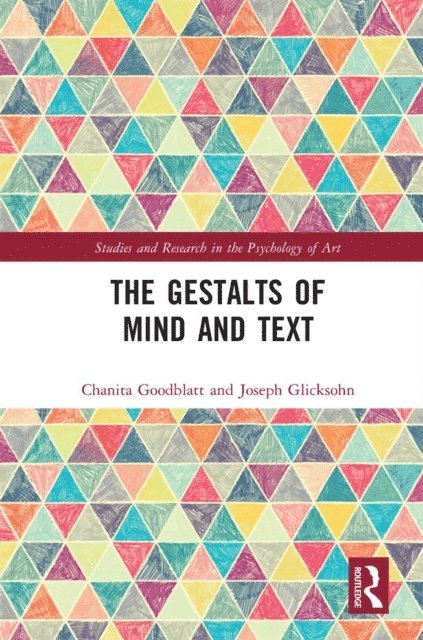
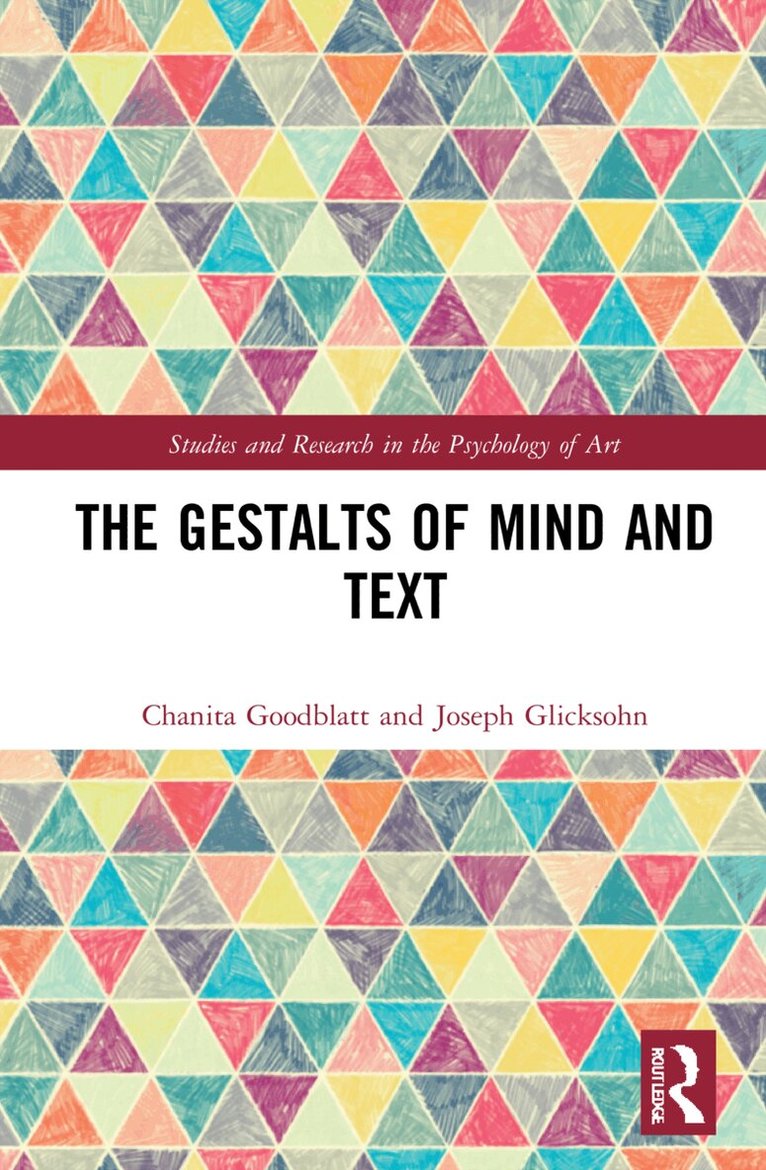
The Gestalts of Mind and Text bridges literary studies and cognitive psychology to provide a unique contribution to the field of Cognitive Literary Studies. The book presents an investigation of metaphor in poetic texts, adopting and developing empirical methods used by Gestalt Psychology, while integrating concepts informed by Gestalt Psychology.The title indicates an intellectual tradition, to be termed the Gestalt of the Mind, that begins with the Würzburg School of Psychology and its subsequent development into Gestalt Psychology, which provides a rich heritage for the field of Cognitive Literary Studies. The title further indicates an intellectual and creative tradition, to be termed the Gestalt of the Text, applied to various literary schools (Medieval, Early Modern, Modernist). Finally, the Gestalt-Interaction Theory of Metaphor delineates the potentialities for different types of readings of poetic metaphor. This book further makes three significant contributions: the first is the focus on the empirical investigation of metaphor in poetic texts; the second is the integration of the aspects of problem-solving, bidirectionality of metaphor, embodied cognition and the grotesque, in analyzing poetic texts and verbal protocols; and the third is the focus on various literary traditions, spanning languages and periods.The goal of this book is to present an interdisciplinary study of the Gestalts of Mind and Text. This will be of interest to a varied audience, including cognitive psychologists, literary scholars, researchers in aesthetics, scholars of metaphor and those with an interest in intellectual history.
1 451 kr
Skickas inom 10-15 vardagar
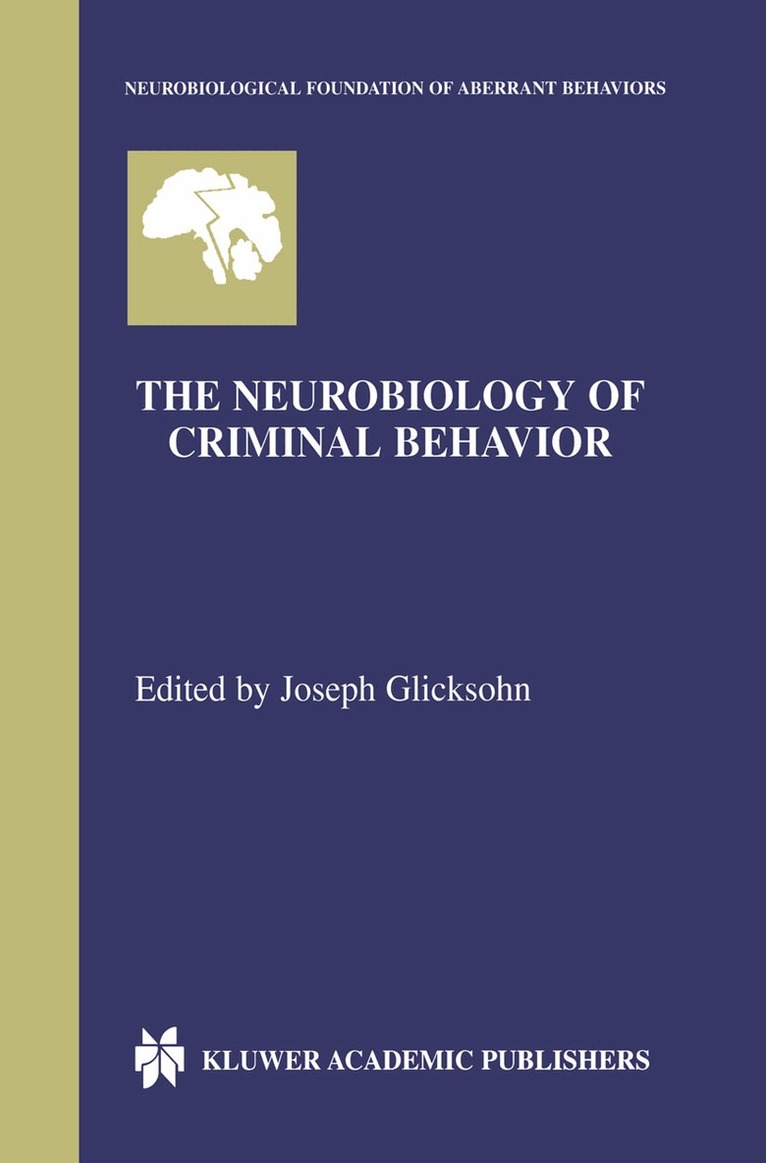
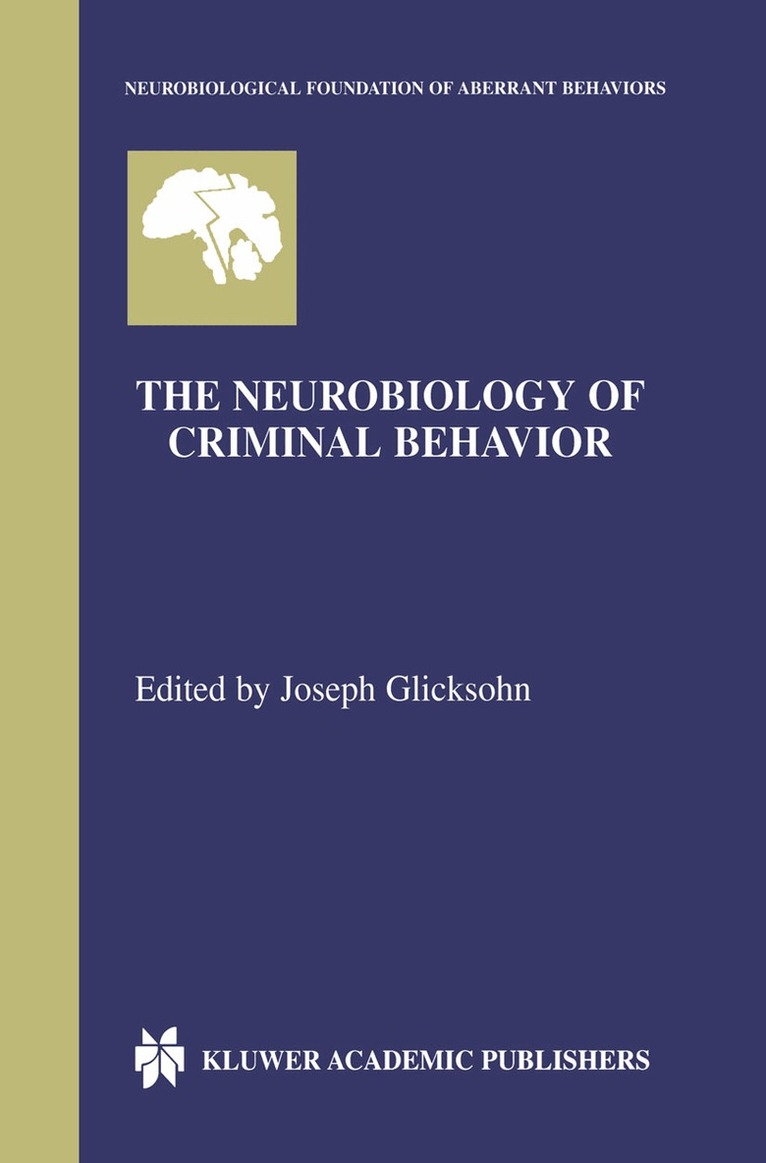
Criminological theory dating back one hundred years has been aware of the need to develop a neurobiology of extroversion, impulsivity, frontal-lobe dysfunction, and aggressive behavior, yet in the twentieth century criminologists have largely forsaken this psychobiological legacy. The Neurobiology of Criminal Behavior looks at this legacy with reference to a variety of neurobiological methodologies currently in vogue. The authors are all distinguished researchers who have contributed considerably to their respective fields of psychiatry, psychology, psychobiology, and neuroscience.
663 kr
Skickas inom 10-15 vardagar
The Gestalts of Mind and Text bridges literary studies and cognitive psychology to provide a unique contribution to the field of Cognitive Literary Studies. The book presents an investigation of metaphor in poetic texts, adopting and developing empirical methods used by Gestalt Psychology, while integrating concepts informed by Gestalt Psychology.The title indicates an intellectual tradition, to be termed the Gestalt of the Mind, that begins with the Würzburg School of Psychology and its subsequent development into Gestalt Psychology, which provides a rich heritage for the field of Cognitive Literary Studies. The title further indicates an intellectual and creative tradition, to be termed the Gestalt of the Text, applied to various literary schools (Medieval, Early Modern, Modernist). Finally, the Gestalt-Interaction Theory of Metaphor delineates the potentialities for different types of readings of poetic metaphor. This book further makes three significant contributions: the first is the focus on the empirical investigation of metaphor in poetic texts; the second is the integration of the aspects of problem-solving, bidirectionality of metaphor, embodied cognition and the grotesque, in analyzing poetic texts and verbal protocols; and the third is the focus on various literary traditions, spanning languages and periods.The goal of this book is to present an interdisciplinary study of the Gestalts of Mind and Text. This will be of interest to a varied audience, including cognitive psychologists, literary scholars, researchers in aesthetics, scholars of metaphor and those with an interest in intellectual history.
1 532 kr
Skickas inom 10-15 vardagar
Criminological theory dating back one hundred years has been aware of the need to develop a neurobiology of extroversion, impulsivity, frontal-lobe dysfunction, and aggressive behavior, yet in the twentieth century criminologists have largely forsaken this psychobiological legacy. The Neurobiology of Criminal Behavior looks at this legacy with reference to a variety of neurobiological methodologies currently in vogue. The authors are all distinguished researchers who have contributed considerably to their respective fields of psychiatry, psychology, psychobiology, and neuroscience.
1 617 kr
Tillfälligt slut
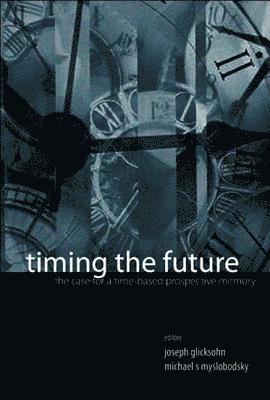
In this volume, leading researchers bring together current work on time perception and time-based prospective memory in order to understand how people time their intentions. This is the first account of many important topics concerning the timing of behavior, offered by scientists of diverse fields who in the past have exhibited an attitude of mutual 'benign neglect'. An explication of the rules which govern timing the future are of fundamental interest to anyone who wishes to explore the potential of human experience.Prospective memory — especially time-based — is a relatively unexplored way to study memory and few studies have been devoted to its neurobiological foundations. This volume aims to fill this void and will boost further interest in the field, while stimulating interdisciplinary research.