Joshua B Allfree – författare
Visar alla böcker från författaren Joshua B Allfree. Handla med fri frakt och snabb leverans.
5 produkter
5 produkter
Inbunden, Engelska, 2023
272 kr
Skickas
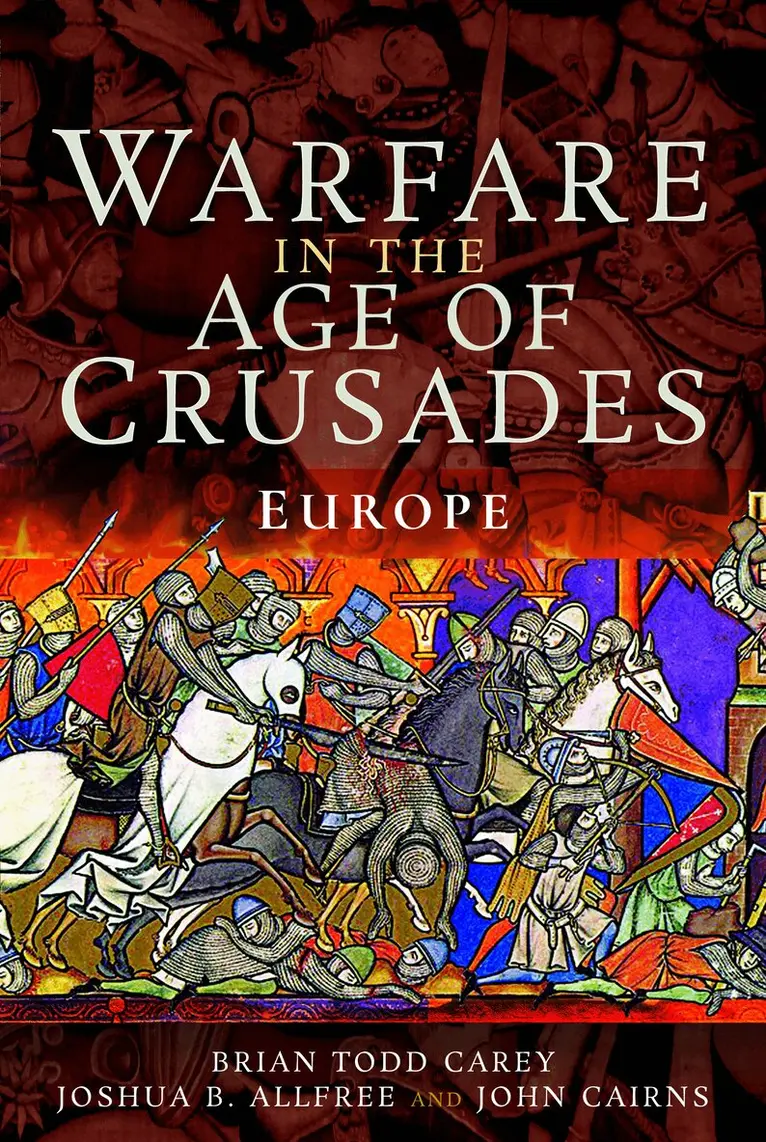
Warfare in the Age of Crusades: Europe explores in fascinating detail the key campaigns, battles and sieges that shaped the crusading period in Europe during the Middle Ages, giving special attention to military technologies, tactics and strategies. Key personalities and political factors are addressed, including the role of the papal monarchy in initiating the crusading expeditions and the use of crusade in the Christianization of the Baltic region and against heresies in Europe. Chapters focus on the Iberian crusades or Reconquista beginning in the eleventh century through to the final surrender of the Emirate of Granada in 1492. The northern or Baltic crusades are also a key element of the story. The narrative covers the involvement of the Holy Roman emperors and the popes, the military capabilities of the Baltic peoples, and the parts played by the Scandinavians as well as the Russians and Mongols. The concluding chapters reconsider crusades launched against heresies in Europe, specifically the Cathars and Hussites.
E-bok
Engelska, 2023153 kr
Läs direkt efter köp
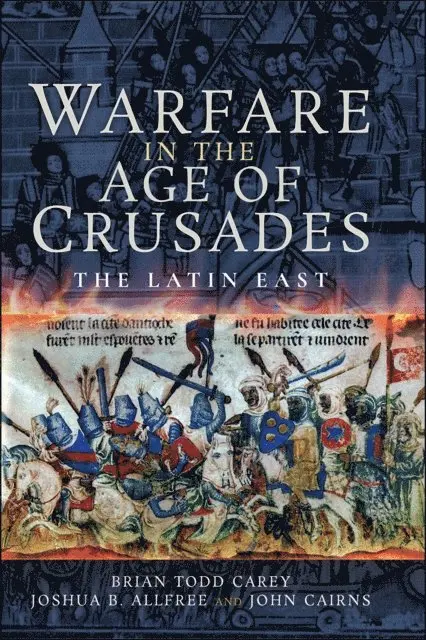
Warfare in the Age of Crusades: The Latin East explores in fascinating detail the key campaigns, battles and sieges that shaped the crusading period of the Middle Ages, giving special attention to military technologies, tactics and strategies. Key personalities and political factors are addressed, including the role of papal monarchy in initiating the crusading expeditions, the relationship between Catholic Europe and the Byzantine empire, the role of the religious military orders, and Islamic and Mongol military capabilities. Chapters are devoted to each of the major crusades to the Levant – First, Second, Third and Fourth crusades – and an analysis of the Islamic response. The rise of the Mamluks in Egypt, with their innovative military organization, is covered, as are the failed Egyptian and Tunisian campaigns. The concluding chapters describe the Mongol campaigns in the Levant, the Mamluk response, and the final siege of Acre in 1291. This original and perceptive study of a key stage in medieval military history features regional, strategic and multi-phase tactical maps that illuminate the narrative and provide a valuable resource for students, historians and wargamers alike.
E-bok
PDF, Engelska, 2023153 kr
Läs direkt efter köp
Warfare in the Age of Crusades: The Latin East explores in fascinating detail the key campaigns, battles and sieges that shaped the crusading period of the Middle Ages, giving special attention to military technologies, tactics and strategies. Key personalities and political factors are addressed, including the role of papal monarchy in initiating the crusading expeditions, the relationship between Catholic Europe and the Byzantine empire, the role of the religious military orders, and Islamic and Mongol military capabilities. Chapters are devoted to each of the major crusades to the Levant – First, Second, Third and Fourth crusades – and an analysis of the Islamic response. The rise of the Mamluks in Egypt, with their innovative military organization, is covered, as are the failed Egyptian and Tunisian campaigns. The concluding chapters describe the Mongol campaigns in the Levant, the Mamluk response, and the final siege of Acre in 1291. This original and perceptive study of a key stage in medieval military history features regional, strategic and multi-phase tactical maps that illuminate the narrative and provide a valuable resource for students, historians and wargamers alike.
Häftad, Engelska, 2021
166 kr
Skickas
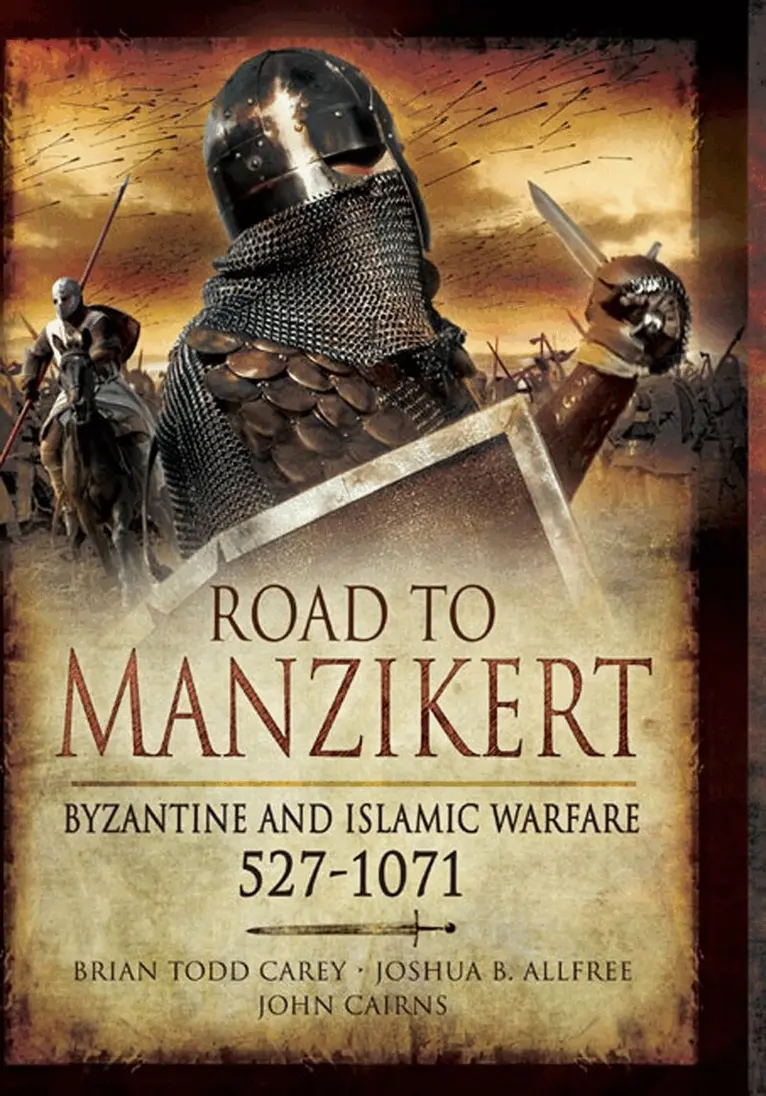
In August 1071, the Byzantine Emperor Romanus IV Diogenese led out a powerful army in an attempt to roll back Seljuk Turkish incursions into the Anatolian heartland of the Empire. Outmanoeuvred by the Turkish sultan, Alp Arslan, Romanus was forced to give battle with only half his troops near Manzikert. By the end of that fateful day much of the Byzantine army was dead, the rest scattered in flight and the Emperor himself a captive. As a result, the Anatolian heart was torn out of the Empire and it was critically weakened, while Turkish power expanded rapidly, eventually leading to Byzantine appeals for help from Western Europe, thus prompting the First Crusade. This book sets the battle in the context of the military history of the Byzantine Empire and the Islamic World (Arab and Seljuk Turkish) up to the pivotal engagement at Manzikert in 1071, with special emphasis on the origins, course and outcome of this battle. The composition, weapons and tactics of the very different opposing armies are analysed. The final chapter is dedicated to assessing the impact of Manzikert on the Byzantine Empire's strategic position in Anatolia and to the battle's role as a _causus belli_ for the Crusades. Dozens of maps and battle diagrams support the clear text.
E-bok
Engelska, 2021123 kr
Läs direkt efter köp
In August 1071, the Byzantine Emperor Romanus IV Diogenese led out a powerful army in an attempt to roll back Seljuk Turkish incursions into the Anatolian heartland of the Empire. Outmaneuvered by the Turkish sultan, Alp Arslan, Romanus was forced to give battle with only half his troops near Manzikert. By the end of that fateful day much of the Byzantine army was dead, the rest scattered in flight and the Emperor himself a captive.As a result, the Anatolian heart was torn out of the Empire and it was critically weakened, while Turkish power expanded rapidly, eventually leading to Byzantine appeals for help from Western Europe, thus prompting the First Crusade. This book sets the battle in the context of the military history of the Byzantine Empire and the Islamic World (Arab and Seljuk Turkish) up to the pivotal engagement at Manzikert in 1071, with special emphasis on the origins, course and outcome of this battle. The composition, weapons and tactics of the very different opposing armies are analyzed. The final chapter is dedicated to assessing the impact of Manzikert on the Byzantine Empire's strategic position in Anatolia and to the battle's role as a causus belli for the Crusades. Dozens of maps and battle diagrams support the clear text.