Joy V. Goldsmith – författare
Visar alla böcker från författaren Joy V. Goldsmith. Handla med fri frakt och snabb leverans.
5 produkter
5 produkter
Inbunden, Engelska, 2020
757 kr
Skickas inom 5-8 vardagar
Communication in Palliative Nursing presents the COMFORT Model, a theoretically-grounded and empirically-based model of palliative care communication. Built on over a decade of communication research with patients, families, and interdisciplinary providers, and reworked based on feedback from hundreds of nurses nationwide, the chapters outline a revised COMFORT curriculum: Connect, Options, Making Meaning, Family caregivers, Openings, Relating, and Team communication. Based on a narrative approach to communication, which addresses communication skill development, this volume teaches nurses to consider a universal model of communication that aligns with the holistic nature of palliative care. This work moves beyond the traditional and singular view of the nurse as patient and family educator, to embrace highly complex communication challenges present in palliative care-namely, providing care and comfort through communication at a time when patients, families, and nurses themselves are suffering. In light of the vast changes in the palliative care landscape and the increasingly pivotal role of nurses in advancing those changes, this second edition provides an evidence-based approach to the practice of palliative nursing. Communication in Palliative Nursing integrates communication theory and health literacy constructs throughout, and provides clinical tools and teaching resources to help nurses enhance their own communication and create comfort for themselves, as well as for patients and their families.
E-bok
PDF, Engelska, 2019587 kr
Läs direkt efter köp
Communication in Palliative Nursing presents the COMFORT Model, a theoretically-grounded and empirically-based model of palliative care communication. Built on over a decade of communication research with patients, families, and interdisciplinary providers, and reworked based on feedback from hundreds of nurses nationwide, the chapters outline a revised COMFORT curriculum: Connect, Options, Making Meaning, Family caregivers, Openings, Relating, and Team communication. Based on a narrative approach to communication, which addresses communication skill development, this volume teaches nurses to consider a universal model of communication that aligns with the holistic nature of palliative care. This work moves beyond the traditional and singular view of the nurse as patient and family educator, to embrace highly complex communication challenges present in palliative care-namely, providing care and comfort through communication at a time when patients, families, and nurses themselves are suffering. In light of the vast changes in the palliative care landscape and the increasingly pivotal role of nurses in advancing those changes, this second edition provides an evidence-based approach to the practice of palliative nursing. Communication in Palliative Nursing integrates communication theory and health literacy constructs throughout, and provides clinical tools and teaching resources to help nurses enhance their own communication and create comfort for themselves, as well as for patients and their families.
E-bok
Engelska, 2019587 kr
Läs direkt efter köp
Communication in Palliative Nursing presents the COMFORT Model, a theoretically-grounded and empirically-based model of palliative care communication. Built on over a decade of communication research with patients, families, and interdisciplinary providers, and reworked based on feedback from hundreds of nurses nationwide, the chapters outline a revised COMFORT curriculum: Connect, Options, Making Meaning, Family caregivers, Openings, Relating, and Team communication. Based on a narrative approach to communication, which addresses communication skill development, this volume teaches nurses to consider a universal model of communication that aligns with the holistic nature of palliative care. This work moves beyond the traditional and singular view of the nurse as patient and family educator, to embrace highly complex communication challenges present in palliative care-namely, providing care and comfort through communication at a time when patients, families, and nurses themselves are suffering. In light of the vast changes in the palliative care landscape and the increasingly pivotal role of nurses in advancing those changes, this second edition provides an evidence-based approach to the practice of palliative nursing. Communication in Palliative Nursing integrates communication theory and health literacy constructs throughout, and provides clinical tools and teaching resources to help nurses enhance their own communication and create comfort for themselves, as well as for patients and their families.
Häftad, Engelska, 2026
905 kr
Skickas inom 5-8 vardagar
Build your skills in communication with a scientific, competency-based approach! Essentials of Nursing Communication helps you gain communication knowledge and develop observable communication skills/behaviors in nursing. This text goes beyond an anecdotal, “soft skills” approach to communication. It integrates the COMFORT model with the concepts and domains of the 2021 AACN Essentials, covering key topics like professionalism, DEI, and person-centered care. Standards and learning objectives for undergraduate nurse communication training are scaffolded across chapters, implementing the gold-standard approach to competency-based learning to help you communicate effectively in today’s nursing practice.
E-bok
Engelska, 2012247 kr
Läs direkt efter köp
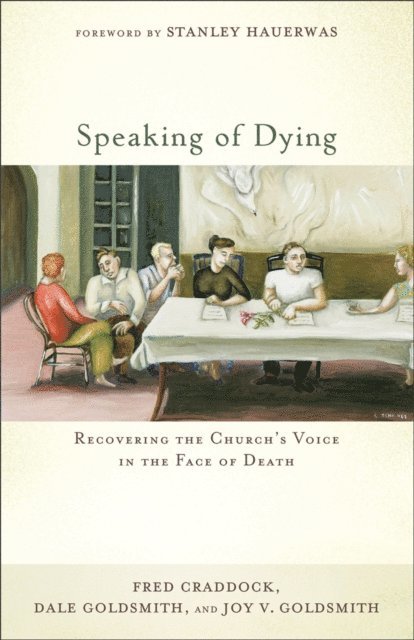
The church does not cope very well with dying. Instead of using its own resources to mount a positive end-of-life ministry for the terminally ill, it outsources care to secular models, providers, and services. A terminal diagnosis typically triggers denial of impending death and placing faith in the techniques and resources of modern medicine. If a cure is not forthcoming, the patient and his or her loved ones experience a sense of failure and bitter disappointment.This book offers a critical analysis of the church''s failure to communicate constructively about dying, reminding the church of its considerable liturgical, scriptural, and pastoral resources when it ministers to the terminally ill. The authors, who have all been personally and professionally involved in end-of-life issues, suggest practical, theological bases for speaking about dying, communicating with those facing death, and preaching about dying. They explore how dying--in baptism--begins and informs the Christian''s life story. They also emphasize that the narrative of faith embraces dying, and they remind readers of scriptural and christological resources that can lead toward a "good dying." In addition, they present current best practices from health professionals for communication among caregivers and those facing death. The book includes a foreword by Stanley Hauerwas.