Joze Pirjevec – författare
Visar alla böcker från författaren Joze Pirjevec. Handla med fri frakt och snabb leverans.
13 produkter
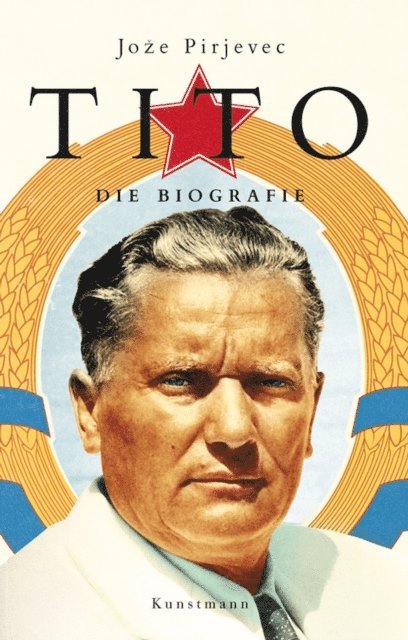
Tito
Die Biografie
E-bok, 2016
158 kr
Lägg i varukorg
Partisan und Revolutionär, Staatspräsident Jugoslawiens, Diktator und Architekt eines alternativen sozialistischen Modells – bis heute entzieht sich Tito (1892–1980) jeder politisch und historisch eindimensionalen Zuordnung. Jože Pirjevec, Professor für Geschichte und ausgewiesener Tito-Experte, …
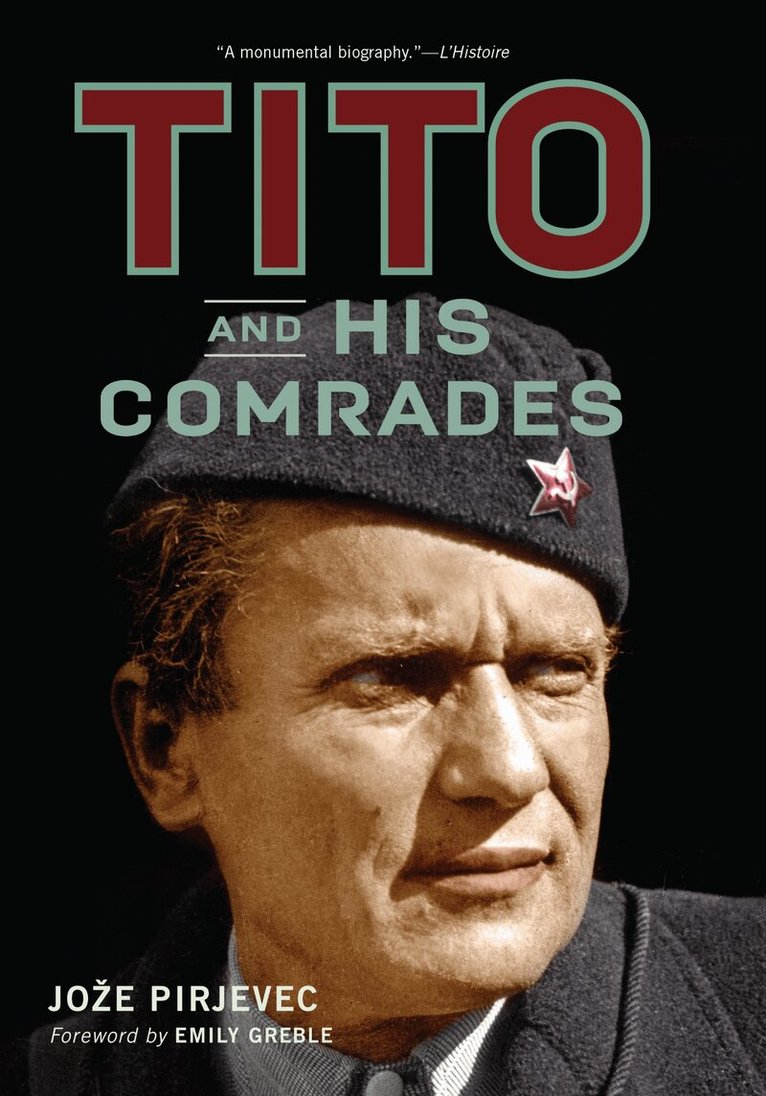
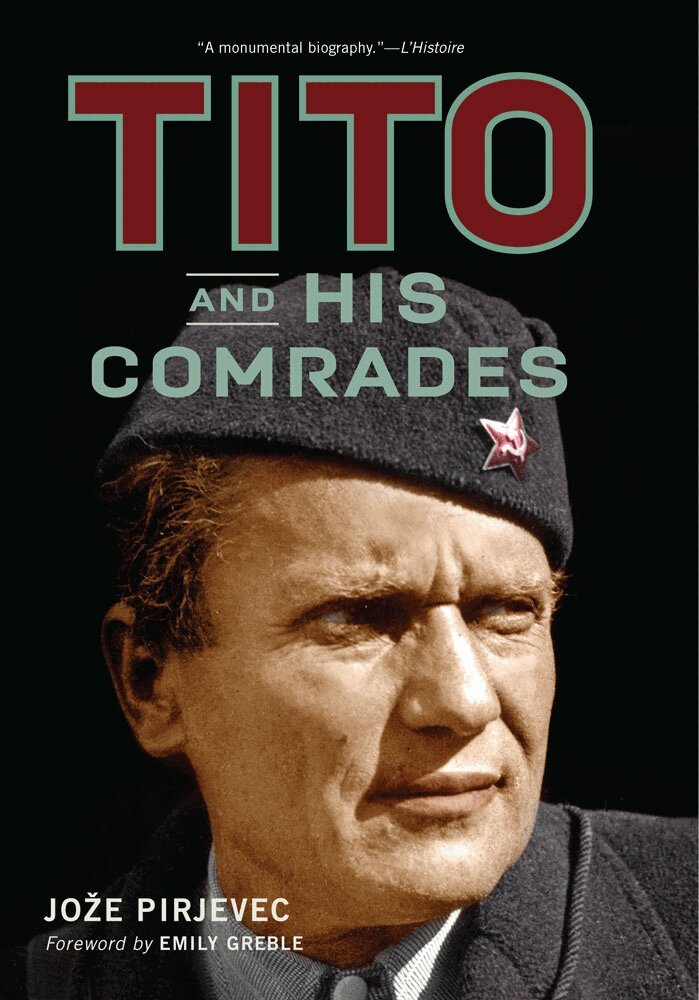
Tito and His Comrades
Häftad, 2026
400 kr
Lägg i varukorg
Josip Broz (1892–1980), nicknamed Tito, led Yugoslavia for nearly four decades with charisma, cunning, and an iron fist. A leader of the non-aligned nations, he and his Partisans fought Hitler during World War II and resisted the Soviet Union's postwar grasp, and he long enjoyed a reputation in the …
Partisans and War
Inbunden, 2024
2585 kr
Lägg i varukorg
This book explores the rise of two resistance movements in Yugoslavia after its invasion and partition by Germany, Italy, Hungary, and Bulgaria in April 1941: one led by Draža Mihailović's Chetniks, supporters of the Serb monarchy; and the Partisans, led by Josip Broz Tito and his Communist …
Partisans and War
Häftad, 2026
726 kr
Lägg i varukorg
This book explores the rise of two resistance movements in Yugoslavia after its invasion and partition by Germany, Italy, Hungary, and Bulgaria in April 1941: one led by Draža Mihailović's Chetniks, supporters of the Serb monarchy; and the Partisans, led by Josip Broz Tito and his Communist …
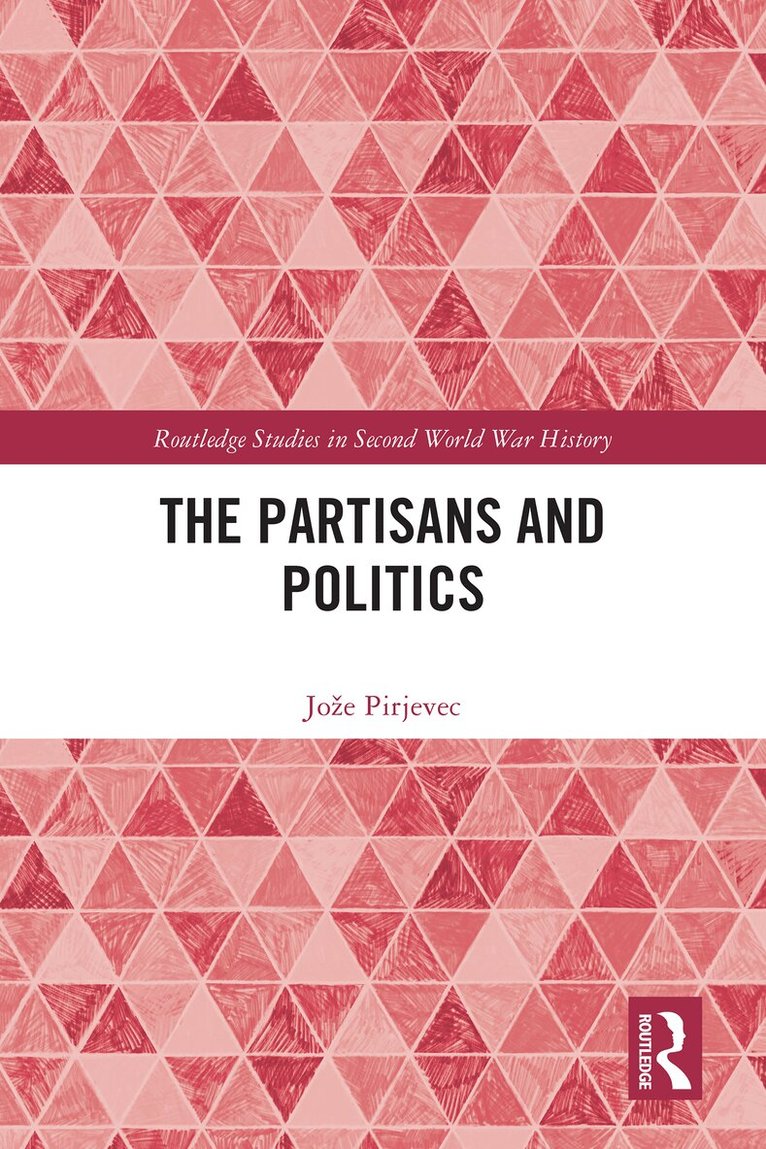
Partisans and Politics
Inbunden, 2024
2585 kr
Lägg i varukorg
This book explores the military events and diplomatic games in the later years of the Second World War through which Josip Broz Tito's Yugoslav Partisans resistance movement gained the support of the Allies and, eventually, control over Yugoslavia itself.Based on research by the author in Yugoslav, …
Partisans and Politics
Häftad, 2026
726 kr
Lägg i varukorg
This book explores the military events and diplomatic games in the later years of the Second World War through which Josip Broz Tito's Yugoslav Partisans resistance movement gained the support of the Allies and, eventually, control over Yugoslavia itself.Based on research by the author in Yugoslav, …
Partisans and War
E-bok, 2024
838 kr
Lägg i varukorg
This book explores the rise of two resistance movements in Yugoslavia after its invasion and partition by Germany, Italy, Hungary, and Bulgaria in April 1941: one led by Draža Mihailović''s Chetniks, supporters of the Serb monarchy; and the Partisans, led by Josip Broz Tito and his Communist Party. …
Partisans and War
E-bok, 2024
838 kr
Lägg i varukorg
This book explores the rise of two resistance movements in Yugoslavia after its invasion and partition by Germany, Italy, Hungary, and Bulgaria in April 1941: one led by Draža Mihailović''s Chetniks, supporters of the Serb monarchy; and the Partisans, led by Josip Broz Tito and his Communist Party. …
Partisans and Politics
E-bok, 2024
838 kr
Lägg i varukorg
This book explores the military events and diplomatic games in the later years of the Second World War through which Josip Broz Tito''s Yugoslav Partisans resistance movement gained the support of the Allies and, eventually, control over Yugoslavia itself. Based on research by the author in …
Partisans and Politics
E-bok, 2024
831 kr
Lägg i varukorg
This book explores the military events and diplomatic games in the later years of the Second World War through which Josip Broz Tito''s Yugoslav Partisans resistance movement gained the support of the Allies and, eventually, control over Yugoslavia itself. Based on research by the author in …
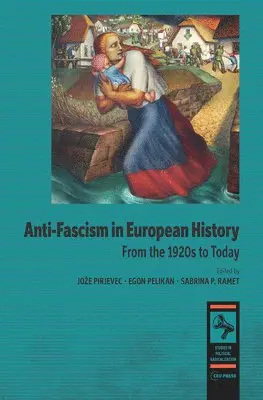
Anti-fascism in European History
From the 1920s to Today
Av Jože Pirjevec, Egon Pelikan m. fl.
Inbunden, 2023
1836 kr
Lägg i varukorg
The increasing radicalization of political life in most countries in Europe lends special relevance to studies of the antifascist legacies on the continent. This insightful collection of essays is an in-depth review of antifascism in Slovenia, setting it in the context of related movements …
Tito and His Comrades
Inbunden, 2018
526 kr
Tillfälligt slut
This landmark biography reveals the life of one of the most powerful figures of the Cold War era. Josip Broz (1892–1980), nicknamed Tito, led Yugoslavia for nearly four decades with charisma, cunning, and an iron fist.With his Partisans he fought Hitler during World War II, and after the war he …