Juan Pavón – författare
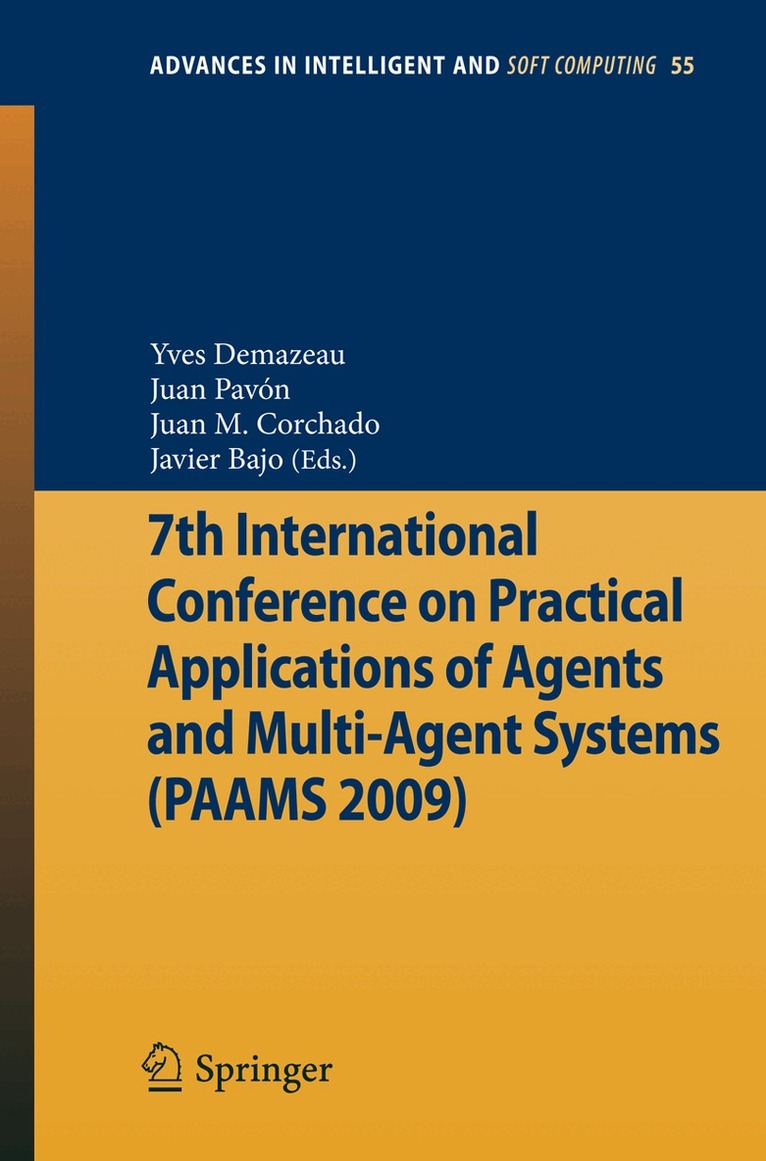
7th International Conference on Practical Applications of Agents and Multi-Agent Systems (PAAMS'09)
3 561 kr
Skickas inom 10-15 vardagar
4 420 kr
Läs direkt efter köp
PAAMS, the International Conference on Practical Applications of Agents and Multi-Agent Systems is an evolution of the International Workshop on Practical Applications of Agents and Multi-Agent Systems. PAAMS is an international yearly tribune to present, to discuss, and to disseminate the latest developments and the most important outcomes related to real-world applications. It provides a unique opportunity to bring multi-disciplinary experts, academics and practitioners together to exchange their experience in the development of Agents and Multi-Agent Systems.
This volume presents the papers that have been accepted for the 2009 edition. These articles capture the most innovative results and this year’s trends: Assisted Cognition, E-Commerce, Grid Computing, Human Modelling, Information Systems, Knowledge Management, Agent-Based Simulation, Software Development, Transports, Trust and Security. Each paper has been reviewed by three different reviewers, from an international committee composed of 64 members from 20 different countries. From the 92 submissions received, 35 were selected for full presentation at the conference, and 26 were accepted as posters.
562 kr
Skickas inom 10-15 vardagar
734 kr
Läs direkt efter köp
562 kr
Skickas inom 10-15 vardagar
734 kr
Läs direkt efter köp
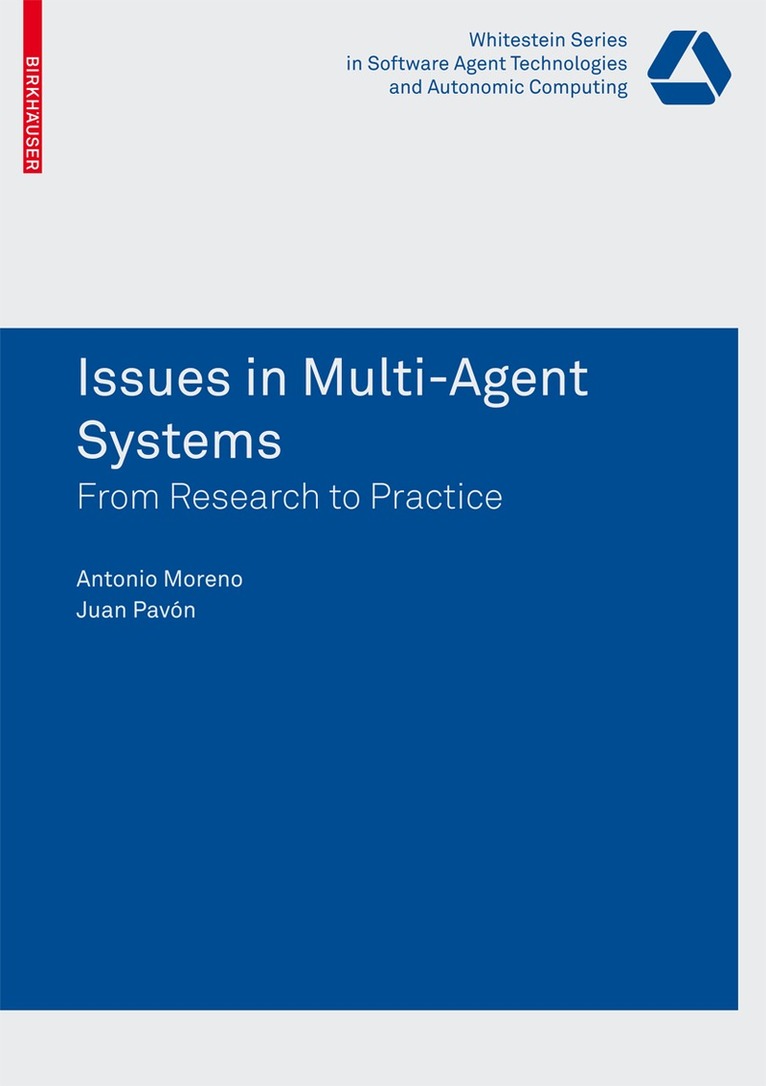
The agent paradigm has been a subject of research for the last years, and the purpose of this book is to present current status of this technology by looking at its application in different domains, such as electronic markets, e-tourism, ambience intelligence, and complex system analysis.
It starts by discussing software engineering issues for the development of multi-agent systems, how much it costs to build a multi-agent system, and which methods and tools are currently available. Next chapters present some of the most relevant aspects that are considered for the development of multi-agent systems: ubiquitous computing, learning and planning, trust and security, electronic institutions and swarm intelligence. Last chapters focus on concrete applications of physical agents and e-tourism applications, to illustrate how to integrate the previously discussed aspects.
The book is written by researchers with experience in technology transfer, and therefore it is oriented to practice.
685 kr
Skickas inom 5-8 vardagar
555 kr
Läs direkt efter köp
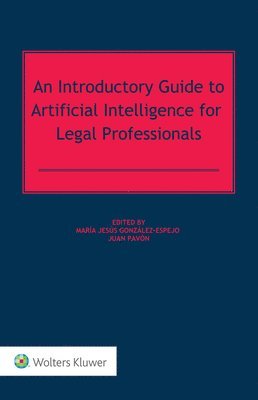
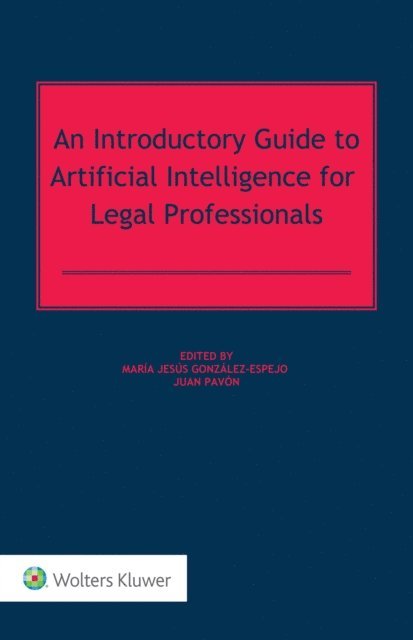
The availability of very large data sets and the increase in computing power to process them has led to a renewed intensity in corporate and governmental use of Artificial Intelligence (AI) technologies. This groundbreaking book, the first devoted entirely to the growing presence of AI in the legal profession, responds to the necessity of building up a discipline that due to its novelty requires the pooling of knowledge and experiences of well-respected experts in the AI field, taking into account the impact of AI on the law and legal practice. Essays by internationally known expert authors introduce the essentials of AI in a straightforward and intelligible style, offering jurists as many practical examples and business cases as possible so that they are able to understand the real application of this technology and its impact on their jobs and lives.
Elements of the analysis include the following:
crucial terms: natural language processing, machine learning and deep learning; regulations in force in major jurisdictions; ethical and social issues; labour and employment issues, including the impact that robots have on employment; prediction of outcome in the legal field (judicial proceedings, patent granting, etc.); massive analysis of documents and identification of patterns from which to derive conclusions; AI and taxation; issues of competition and intellectual property; liability and responsibility of intelligent systems; AI and cybersecurity; AI and data protection; impact on state tax revenues; use of autonomous killer robots in the military; challenges related to privacy; the need to embrace transparency and sustainability; pressure brought by clients on prices; minority languages and AI; danger that the existing gap between large and small businesses will further increase; how to avoid algorithmic biases when AI decides; AI application to due diligence; AI and non-disclosure agreements; and the role of chatbots.Interviews with pioneers in the field are included, so readers get insights into the issues that people are dealing with in day-to-day actualities.
Whether conceiving AI as a transformative technology of the labour market and training or an economic and business sector in need of legal advice, this introduction to AI will help practitioners in tax law, labour law, competition law and intellectual property law understand what AI is, what it serves, what is the state of the art and the potential of this technology, how they can benefit from its advantages and what are the risks it presents. As the global economy continues to suffer the repercussions of a framework that was previously fundamentally self-regulatory, policymakers will recognize the urgent need to formulate rules to properly manage the future of AI.
575 kr
Läs direkt efter köp
The availability of very large data sets and the increase in computing power to process them has led to a renewed intensity in corporate and governmental use of Artificial Intelligence (AI) technologies. This groundbreaking book, the first devoted entirely to the growing presence of AI in the legal profession, responds to the necessity of building up a discipline that due to its novelty requires the pooling of knowledge and experiences of well-respected experts in the AI field, taking into account the impact of AI on the law and legal practice. Essays by internationally known expert authors introduce the essentials of AI in a straightforward and intelligible style, offering jurists as many practical examples and business cases as possible so that they are able to understand the real application of this technology and its impact on their jobs and lives.
Elements of the analysis include the following:
crucial terms: natural language processing, machine learning and deep learning; regulations in force in major jurisdictions; ethical and social issues; labour and employment issues, including the impact that robots have on employment; prediction of outcome in the legal field (judicial proceedings, patent granting, etc.); massive analysis of documents and identification of patterns from which to derive conclusions; AI and taxation; issues of competition and intellectual property; liability and responsibility of intelligent systems; AI and cybersecurity; AI and data protection; impact on state tax revenues; use of autonomous killer robots in the military; challenges related to privacy; the need to embrace transparency and sustainability; pressure brought by clients on prices; minority languages and AI; danger that the existing gap between large and small businesses will further increase; how to avoid algorithmic biases when AI decides; AI application to due diligence; AI and non-disclosure agreements; and the role of chatbots.Interviews with pioneers in the field are included, so readers get insights into the issues that people are dealing with in day-to-day actualities.
Whether conceiving AI as a transformative technology of the labour market and training or an economic and business sector in need of legal advice, this introduction to AI will help practitioners in tax law, labour law, competition law and intellectual property law understand what AI is, what it serves, what is the state of the art and the potential of this technology, how they can benefit from its advantages and what are the risks it presents. As the global economy continues to suffer the repercussions of a framework that was previously fundamentally self-regulatory, policymakers will recognize the urgent need to formulate rules to properly manage the future of AI.