Juana Inés de la Cruz – författare
Visar alla böcker från författaren Juana Inés de la Cruz. Handla med fri frakt och snabb leverans.
11 produkter
11 produkter
Häftad, Engelska, 1997
195 kr
Skickas
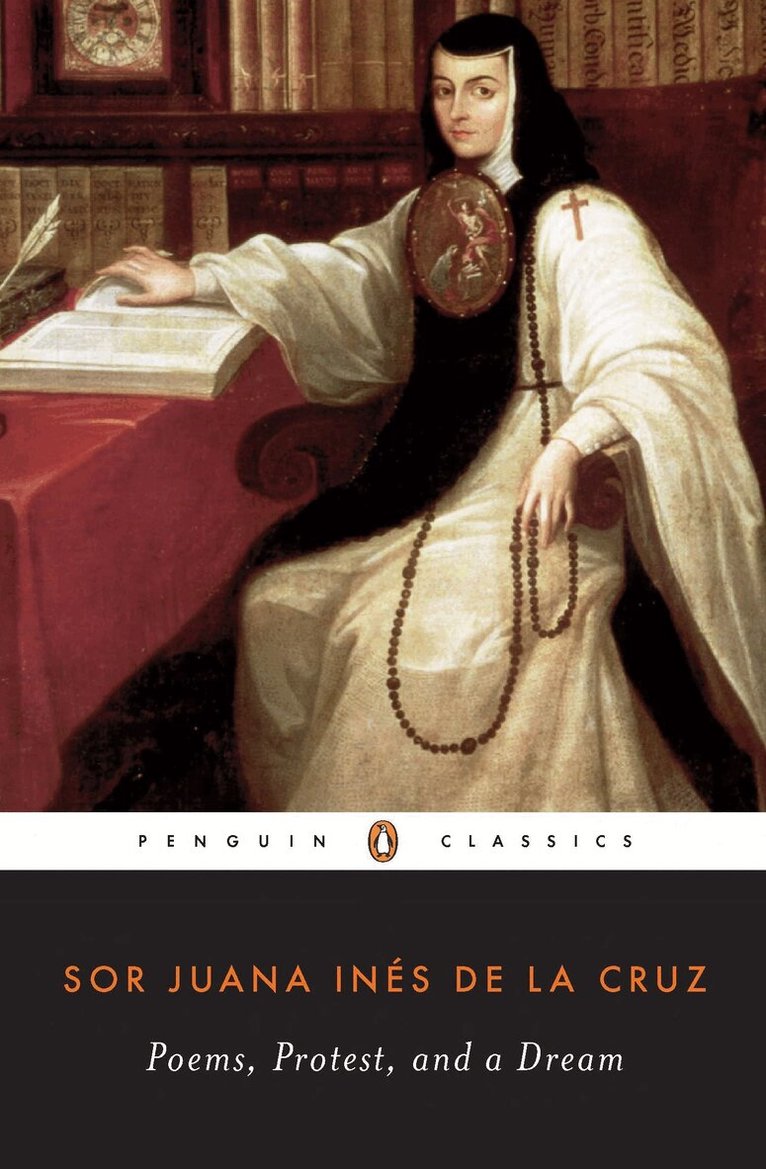
A bilingual edition of writings by Latin America's finest baroque poetSor Juana Ines de la Cruz (1648-1695) wrote her most famous prose work, La Respuesta a Sor Filotea, in 1691 in response to her bishop's injunction against her intellectual pursuits. A passionate and subversive defense of the rights of women to study, to teach, and to write, it predates by almost a century and a half serious writings on any continent about the position and education of women. Also included in this wide-ranging selection is a new translation of Sor Juana's masterpiece, the epistemological poem "Primero Sueno, " as well as revealing autobiographical sonnets, reverential religious poetry, secular love poems (which have excited speculation through three centuries), playful verses, and lyrical tributes to New World culture that are among the earliest writings celebrating the people and the customs of this hemisphere. For more than seventy years, Penguin has been the leading publisher of classic literature in the English-speaking world. With more than 1,700 titles, Penguin Classics represents a global bookshelf of the best works throughout history and across genres and disciplines. Readers trust the series to provide authoritative texts enhanced by introductions and notes by distinguished scholars and contemporary authors, as well as up-to-date translations by award-winning translators.
Inbunden, Engelska, 2014
302 kr
Skickas inom 5-8 vardagar
Sor Juana Inés de la Cruz (1651–1695) was a feminist and a woman ahead of her time. She was very much a public intellectual and her contemporaries called her "the Tenth Muse" and "the Phoenix of Mexico", names that continue to resonate. This self-taught intellectual rose to the height of fame as a writer in Mexico City during the Spanish Golden Age.The volume includes Sor Juana’s best-known works, including "First Dream", which showcases her prodigious intellect and range and "Response of the Poet to the Very Eminent Sor Filotea de la Cruz", her epistolary feminist defence of a woman’s right to study and to write. Thirty other works are also included.
Häftad, Engelska, 2015
179 kr
Skickas inom 5-8 vardagar
Sor Juana Inés de la Cruz (1651–1695) was a feminist and a woman ahead of her time. She was very much a public intellectual and her contemporaries called her "the Tenth Muse" and "the Phoenix of Mexico", names that continue to resonate. This self-taught intellectual rose to the height of fame as a writer in Mexico City during the Spanish Golden Age.The volume includes Sor Juana’s best-known works, including "First Dream", which showcases her prodigious intellect and range and "Response of the Poet to the Very Eminent Sor Filotea de la Cruz", her epistolary feminist defence of a woman’s right to study and to write. Thirty other works are also included.
Häftad, Engelska, 2016
244 kr
Skickas inom 5-8 vardagar
Edith Grossman’s acclaimed translations of The Tenth Muse’s best known works are offered here with introductory materials and explanatory footnotes, along with related additional works and eight critical essays.
Häftad, Engelska, 1990
343 kr
Skickas inom 5-8 vardagar
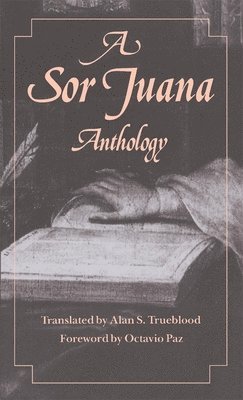
Here is a new voice—new to us—reaching across a gap of three hundred years. Sor (Sister) Juana Inés de la Cruz was acclaimed in her time as “Phoenix of Mexico, America’s Tenth Muse”; a generation later she was forgotten. In our century she was rediscovered, her works were reissued, and she is now considered one of the finest Hispanic poets of the seventeenth century. She deserves to be known to English-speaking readers for another reason as well: she speaks directly to our concern for the freedom of women to realize themselves artistically and intellectually.Her poetry is surprising in its scope and variety. She handled with ease the intricate verse forms of her day and wrote in a wide range of genres. Many of her lyrics reflect the worldliness and wit of the courtly society she moved in before becoming a nun; some, composed to be sung, offer charming glimpses of the native people, their festivities and colorful diversity. Alan Trueblood has chosen, in consultation with Octavio Paz, a generous selection of Sor Juana’s writings and has provided an introductory overview of her life and work. The short poems, and excerpts from her play The Divine Narcissus, are accompanied by the Spanish texts on facing pages. Her long philosophical poem, First Dream, is translated in its entirety, as is her famous autobiographical letter to the Bishop of Puebla, which is both a self-defense and a vindication of the right of women to cultivate their minds.The Anthology was conceived as a companion to the English-language edition of Octavio Paz’s magisterial study of Sor Juana. On its own, it will be welcomed as the first representative selection in English of her verse and prose.
Del 21 - Iberica
House of Trials
A Translation of Los Empenos De Una Casa by Sor Juana Ines De La Cruz
Häftad, Engelska, 2002
467 kr
Skickas inom 5-8 vardagar
Inbunden, Spanska, 2022
386 kr
Skickas inom 5-8 vardagar
Häftad, Spanska, 2022
285 kr
Skickas inom 5-8 vardagar
Inbunden, Spanska, 2023
462 kr
Skickas inom 5-8 vardagar
Häftad, Spanska, 2023
335 kr
Skickas inom 5-8 vardagar
E-bok
Spanska, 202179 kr
Läs direkt efter köp
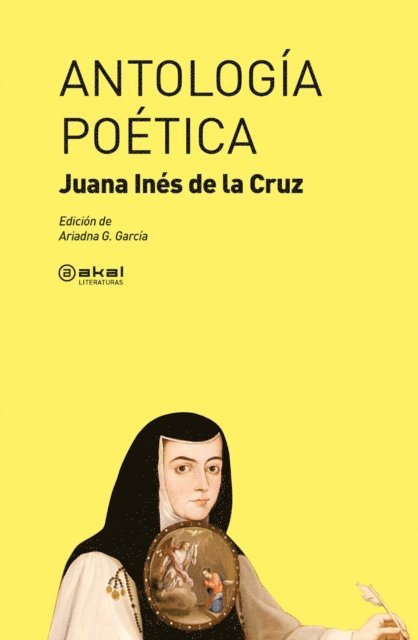
Sor Juana Inés de la Cruz (Juana Inés de Asuaje y Ramírez, 1651-1695) es una de las mayores figuras de las letras hispanas del siglo XVII y su nombre figura por derecho propio junto a los grandes autores del Siglo de Oro. Cultivó la lírica, el auto sacramental y el teatro, así como la prosa. Por la importancia de su obra, recibió los sobrenombres de "el Fénix de América", "la Décima Musa" o "la Décima Musa mexicana".Destacó en la corte virreinal de Nueva España por su erudición y talento lírico, pero, pese a esta fama, en 1667 ingresó en un convento de las carmelitas descalzas de México y permaneció en él cuatro meses, al cabo de los cuales lo abandonó por problemas de salud. Dos años más tarde entró en un convento de la Orden de San Jerónimo, esta vez definitivamente. Más que por vocación religiosa, se ha apuntado que esta decisión la toma para eludir el matrimonio y poder cultivar sus aficiones intelectuales; de hecho, su celda se convirtió en auténtico punto de reunión de poetas y eruditos.Se ha conservado una amplia obra, con ejemplos en los ámbitos del teatro, los autos sacramentales y la prosa, pero donde destacó especialmente es en el campo de la poesía, tanto sacra como profana. Este último ámbito es el objeto del presente libro, una antología con algunas de sus principales creaciones poéticas convenientemente anotadas y comentadas.