Judith D. Chapman - Böcker
Visar alla böcker från författaren Judith D. Chapman. Handla med fri frakt och snabb leverans.
6 produkter
6 produkter
1 390 kr
Skickas inom 10-15 vardagar
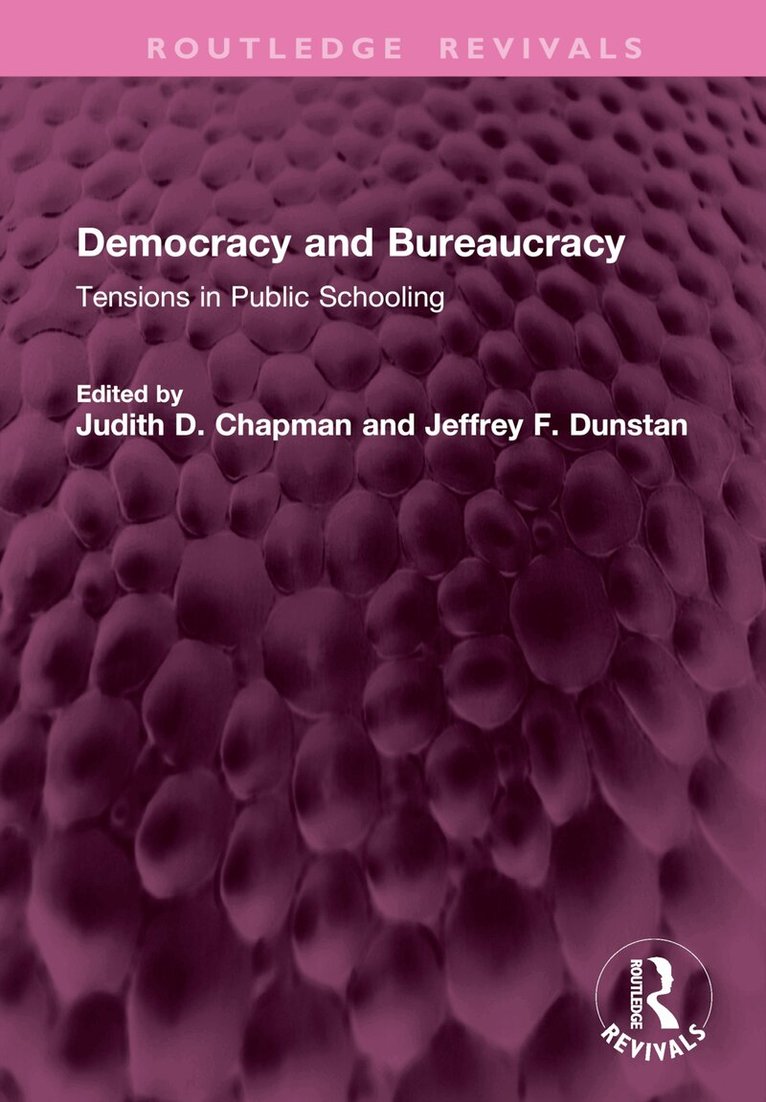
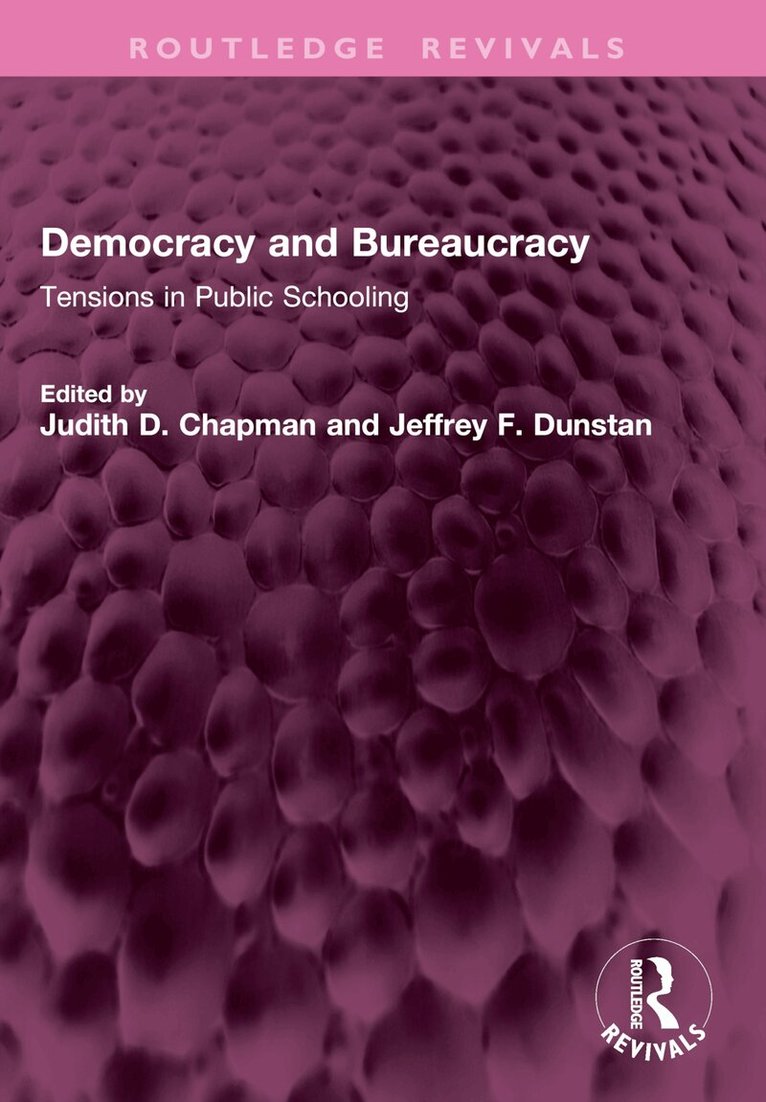
First published in 1990, Democracy and Bureaucracy examines the tensions associated with the reorganization of public education in Australia. Contributors explore these tensions through a variety of related antimonies: bureaucracy and democracy, control and autonomy, centralism and devolution. The thesis generally propounded in this book is that democratic structures, participation and school-based decision-making are all elements of school improvement which enable a bureaucracy to be more responsive, less authoritarian, and in control only over the macro issues of policy, thereby leaving to schools the maximum degree of freedom possible for their own determination of principles, policies and practices. This book will be of interest to students of education, pedagogy, public policy and public administration.
428 kr
Skickas inom 10-15 vardagar
First published in 1990, Democracy and Bureaucracy examines the tensions associated with the reorganization of public education in Australia. Contributors explore these tensions through a variety of related antimonies: bureaucracy and democracy, control and autonomy, centralism and devolution. The thesis generally propounded in this book is that democratic structures, participation and school-based decision-making are all elements of school improvement which enable a bureaucracy to be more responsive, less authoritarian, and in control only over the macro issues of policy, thereby leaving to schools the maximum degree of freedom possible for their own determination of principles, policies and practices. This book will be of interest to students of education, pedagogy, public policy and public administration.
1 533 kr
Skickas inom 10-15 vardagar
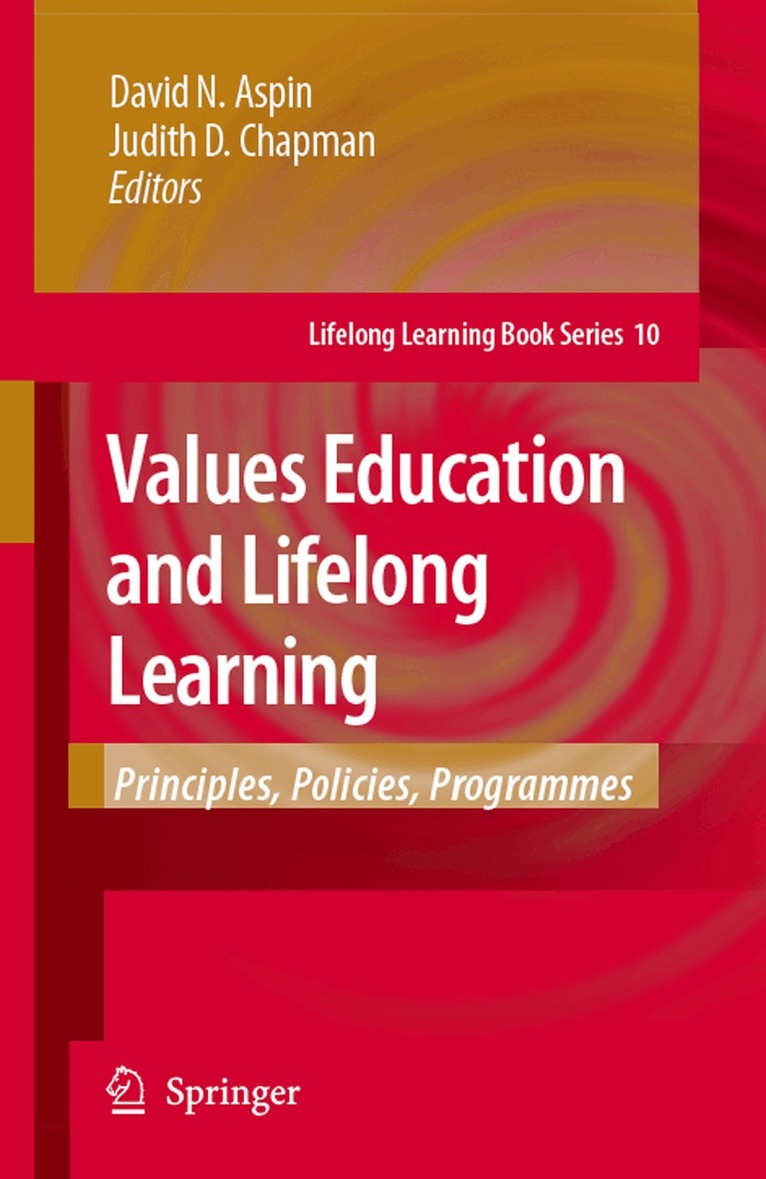
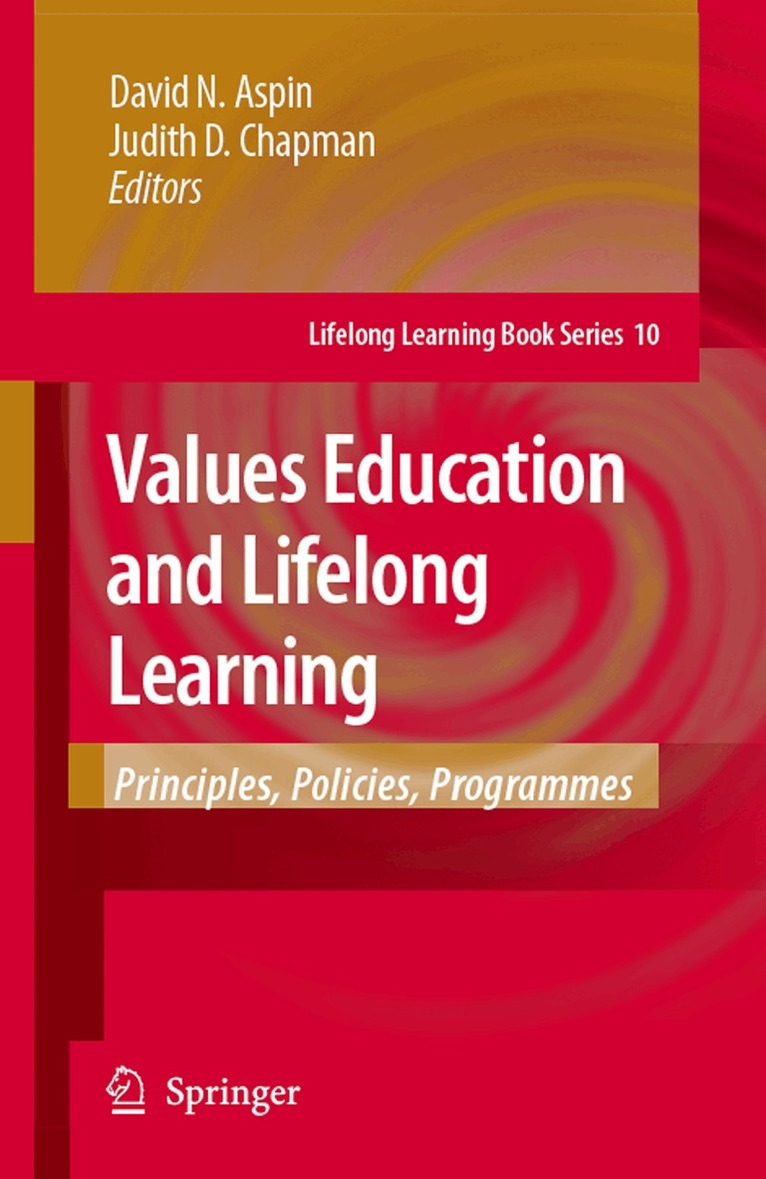
The aim of this book is to provide an easily accessible, practical yet scholarly source of information about the international concern for the nature, theory and practices of the ideas of values education and lifelong learning. Each chapter in this book is written in an accessible style by an international expert in the field. Authors tackle the task of identifying, analysing and addressing the key problems, topics and issues relevant to questions about the nature, purpose and scope of values education and Lifelong Learning that are internationally generalisable and, in times of rapid change, of enduring interest to the scholar and practitioner. Authors explore the ways and means by which learners may be encouraged to become educated and grow, both as individual beings and social agents, throughout the whole of their lifespan. The book seeks to provide accounts and critical appraisal of some of the different principles, philosophies, theories, beliefs, traditions and cultures that might form the basis of, frame and furnish the setting for values education policies and programs. We look at some of the main theories behind versions of value in lifelong learning and we point to some of the key concepts and categories at work in such theories. We provide reference to and accounts of some examples of policies or proposals in various national contexts and a range of examples of good practice in policies, programs and curriculum schemes from different schools, school systems and other educating agencies, institutions and organisations around the world.
1 533 kr
Skickas inom 10-15 vardagar
The aim of this book is to provide an easily accessible, practical yet scholarly source of information about the international concern for the nature, theory and practices of the ideas of values education and lifelong learning. Each chapter in this book is written in an accessible style by an international expert in the field. Authors tackle the task of identifying, analysing and addressing the key problems, topics and issues relevant to questions about the nature, purpose and scope of values education and Lifelong Learning that are internationally generalisable and, in times of rapid change, of enduring interest to the scholar and practitioner. Authors explore the ways and means by which learners may be encouraged to become educated and grow, both as individual beings and social agents, throughout the whole of their lifespan. The book seeks to provide accounts and critical appraisal of some of the different principles, philosophies, theories, beliefs, traditions and cultures that might form the basis of, frame and furnish the setting for values education policies and programs. We look at some of the main theories behind versions of value in lifelong learning and we point to some of the key concepts and categories at work in such theories. We provide reference to and accounts of some examples of policies or proposals in various national contexts and a range of examples of good practice in policies, programs and curriculum schemes from different schools, school systems and other educating agencies, institutions and organisations around the world.
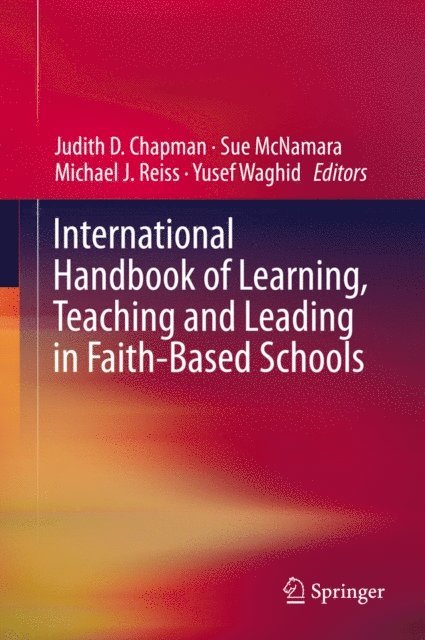
International Handbook of Learning, Teaching and Leading in Faith-Based Schools
Inbunden, Engelska, 2014
2 042 kr
Skickas inom 10-15 vardagar
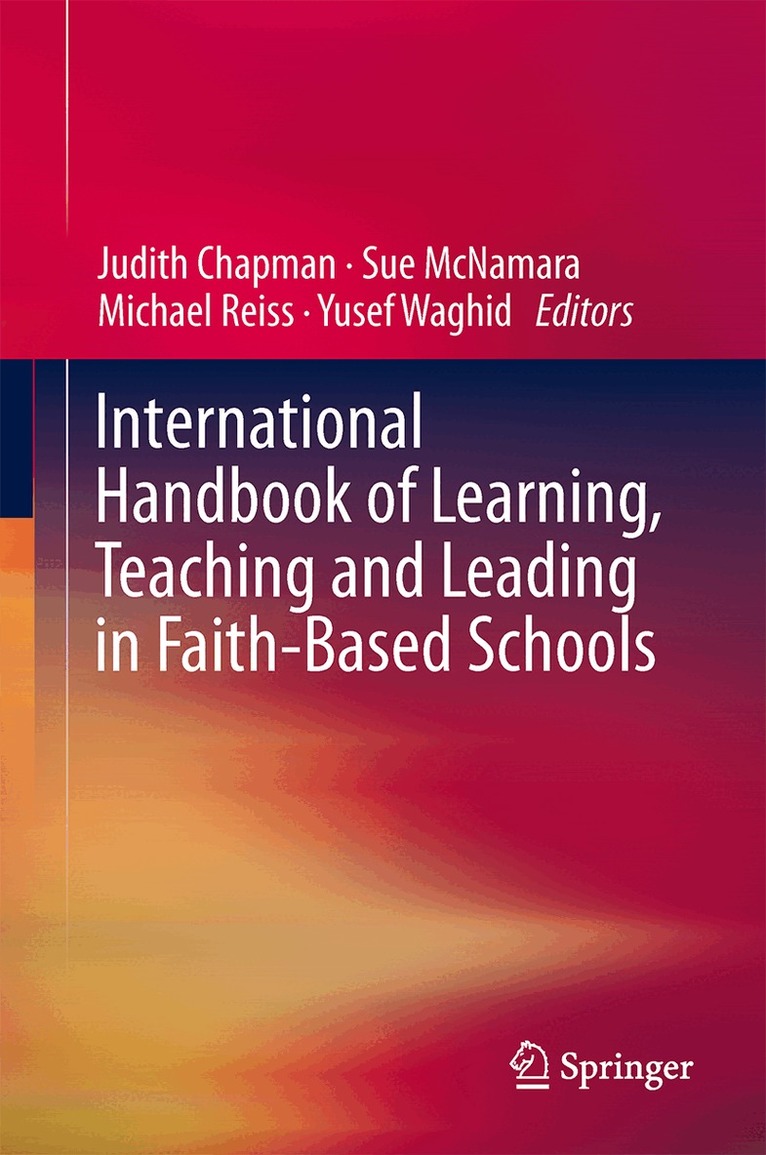
The International Handbook on Learning, Teaching and Leading in Faith Based Schools is international in scope. It is addressed to policy makers, academics, education professionals and members of the wider community. The book is divided into three sections.(1) The Educational, Historical, Social and Cultural Context, which aims to: Identify the educational, historical, social and cultural bases and contexts for the development of learning, teaching and leadership in faith-based schools across a range of international settings;Consider the current trends, issues and controversies facing the provision and nature of education in faith-based schools; Examine the challenges faced by faith-based schools and their role and responses to current debates concerning science and religion in society and its institutions.(2) The Nature, Aims and Values of Education in Faith-based Schools, which aims to: Identify and explore the distinctive philosophies, characteristics and guiding principles, values, concepts and concerns underpinning learning, teaching and leadership in faith-based schools;Identify and explore ways in which such distinctive philosophies of education challenge and expand different norms and conventions in their surrounding societies and cultures;Examine and explore some of the ways in which different conceptions within and among different religious and faith traditions guide practices in learning, teaching and leadership in various ways.(3) Current Practice and Future Possibilities, which aims to:Provide evidence of current educational practices that might help to inform and shape innovative and successful policies, initiatives and strategies for the development of quality learning, teaching and leadership in faith-based schools;Examine the ways in which theprofessional learning of teachers and educational leaders in faith- based settings might be articulated and developed;Consider the ways in which coherence and alignment might be achieved between key national priorities in education and the identity, beliefs, and the commitments of faith-based schools; Examine what international experience shows about the place of faith-based schools in culturally rich and diverse communities and the implications of faith-based schooling for societies of the future.
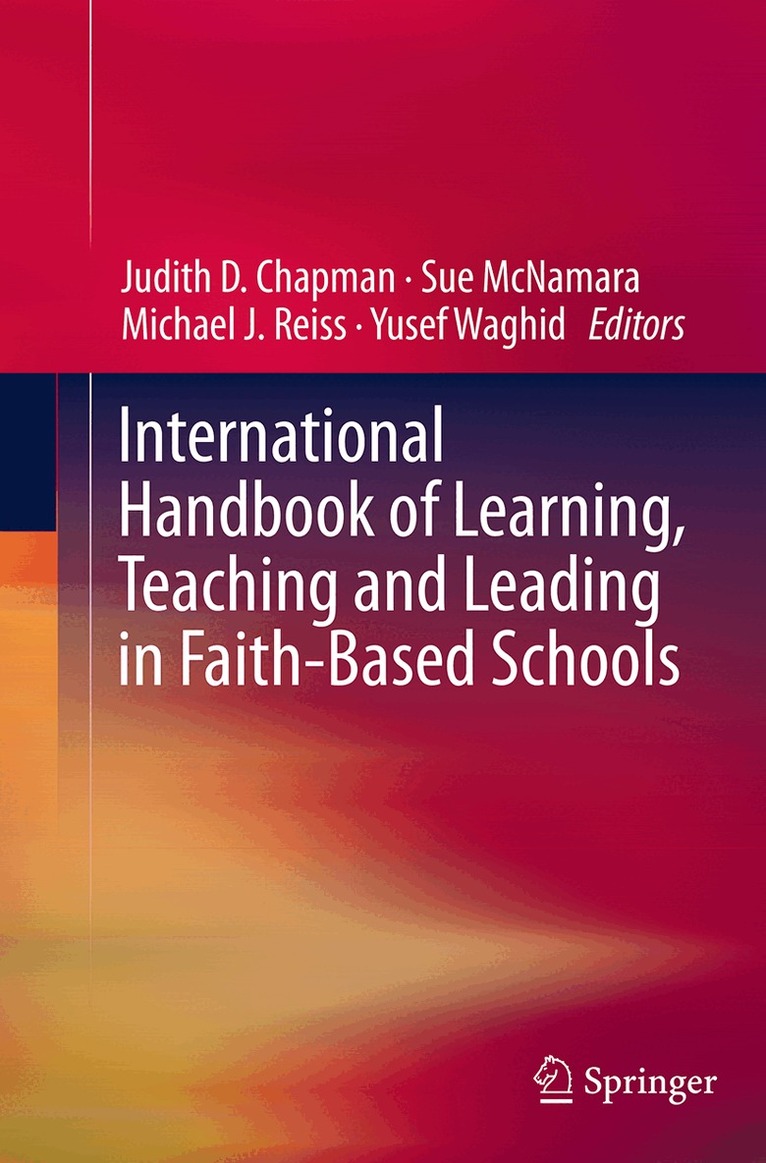
International Handbook of Learning, Teaching and Leading in Faith-Based Schools
Häftad, Engelska, 2016
2 042 kr
Skickas inom 10-15 vardagar
The International Handbook on Learning, Teaching and Leading in Faith Based Schools is international in scope. It is addressed to policy makers, academics, education professionals and members of the wider community. The book is divided into three sections.(1) The Educational, Historical, Social and Cultural Context, which aims to: Identify the educational, historical, social and cultural bases and contexts for the development of learning, teaching and leadership in faith-based schools across a range of international settings;Consider the current trends, issues and controversies facing the provision and nature of education in faith-based schools; Examine the challenges faced by faith-based schools and their role and responses to current debates concerning science and religion in society and its institutions.(2) The Nature, Aims and Values of Education in Faith-based Schools, which aims to: Identify and explore the distinctive philosophies, characteristics and guiding principles, values, concepts and concerns underpinning learning, teaching and leadership in faith-based schools;Identify and explore ways in which such distinctive philosophies of education challenge and expand different norms and conventions in their surrounding societies and cultures;Examine and explore some of the ways in which different conceptions within and among different religious and faith traditions guide practices in learning, teaching and leadership in various ways.(3) Current Practice and Future Possibilities, which aims to:Provide evidence of current educational practices that might help to inform and shape innovative and successful policies, initiatives and strategies for the development of quality learning, teaching and leadership in faith-based schools;Examine the ways in which theprofessional learning of teachers and educational leaders in faith- based settings might be articulated and developed;Consider the ways in which coherence and alignment might be achieved between key national priorities in education and the identity, beliefs, and the commitments of faith-based schools; Examine what international experience shows about the place of faith-based schools in culturally rich and diverse communities and the implications of faith-based schooling for societies of the future.