David N. Aspin - Böcker
Visar alla böcker från författaren David N. Aspin. Handla med fri frakt och snabb leverans.
8 produkter
8 produkter
5 951 kr
Skickas inom 10-15 vardagar
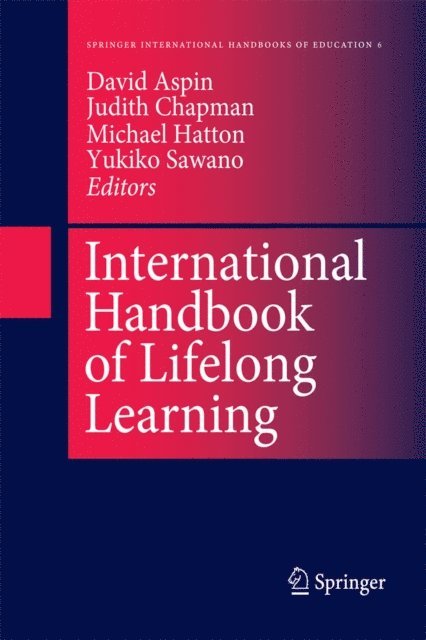
Recent changes in the world effected by the transformations of information technology, globalization, and the move towards a knowledge economy over the last 30 years have been as radical and fundamental as the changes resulting from the invention of the wheel and the printing press. We are now living in a new age in which the demands are so complex, so multifarious and so rapidly changing that the only way in which we shall be able to survive them is by committing to a process of individual, communal, and global learning throughout the lifespan of all of us. A number of international bodies and agencies have taken cognisance of these transformations and the demands they impose upon societies and communities of the 21st century and have developed and articulated policies intended to enable all citizens of the world in the 21st century to face these challenges.It is now a declared policy of many governments and international agencies that the only vehicle for such preparation is "education, education, education", and that preparing for the knowledge economy and the learning society of the future has to be a lifelong undertaking, an investment in the future that is not restricted merely to the domain of economic advancement but also to those of social inclusion and personal growth. Realising this, policy-makers across the international arena are grappling with the need to move from systems that emphasise education and training to the radically more unworked construct of lifelong learning. In this volume the editors and authors analyze, criticize, and rework the ideas, principles, and theories underpinning policies and programs of lifelong learning, re-interpreting them in the light of examples of "best practice" found in a range of educating institutions around the world.We believe that students of educational change and community development should find it useful and helpful to have available in this volume some of the most up-to-date thinking on the chief concepts, theories, and values of increasing policy interest in lifelong learning together with a review of some significant examples of the different forms, focuses, and nexuses of thought and practice on this topic. All this enables us to offer some policy recommendations and practical suggestions as to ways forward in the endeavour to make lifelong learning a reality for all.
1 533 kr
Skickas inom 10-15 vardagar
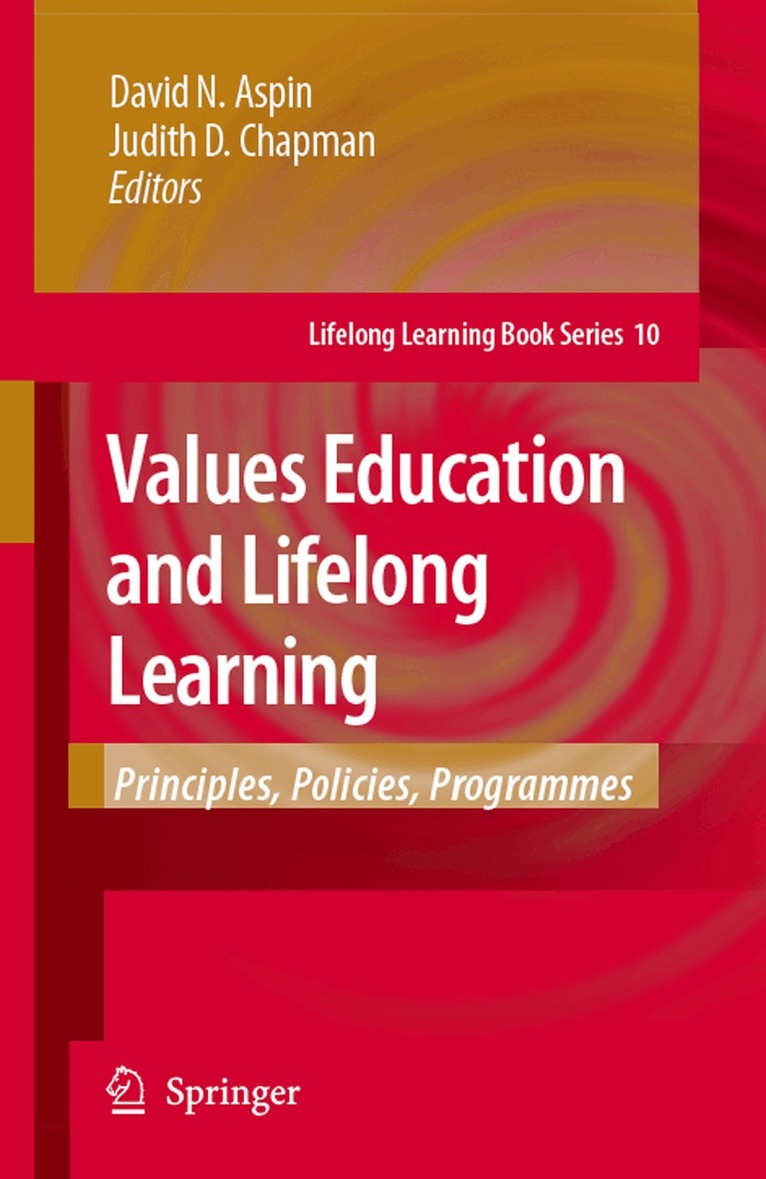
The aim of this book is to provide an easily accessible, practical yet scholarly source of information about the international concern for the nature, theory and practices of the ideas of values education and lifelong learning. Each chapter in this book is written in an accessible style by an international expert in the field. Authors tackle the task of identifying, analysing and addressing the key problems, topics and issues relevant to questions about the nature, purpose and scope of values education and Lifelong Learning that are internationally generalisable and, in times of rapid change, of enduring interest to the scholar and practitioner. Authors explore the ways and means by which learners may be encouraged to become educated and grow, both as individual beings and social agents, throughout the whole of their lifespan. The book seeks to provide accounts and critical appraisal of some of the different principles, philosophies, theories, beliefs, traditions and cultures that might form the basis of, frame and furnish the setting for values education policies and programs. We look at some of the main theories behind versions of value in lifelong learning and we point to some of the key concepts and categories at work in such theories. We provide reference to and accounts of some examples of policies or proposals in various national contexts and a range of examples of good practice in policies, programs and curriculum schemes from different schools, school systems and other educating agencies, institutions and organisations around the world.
2 042 kr
Skickas inom 10-15 vardagar
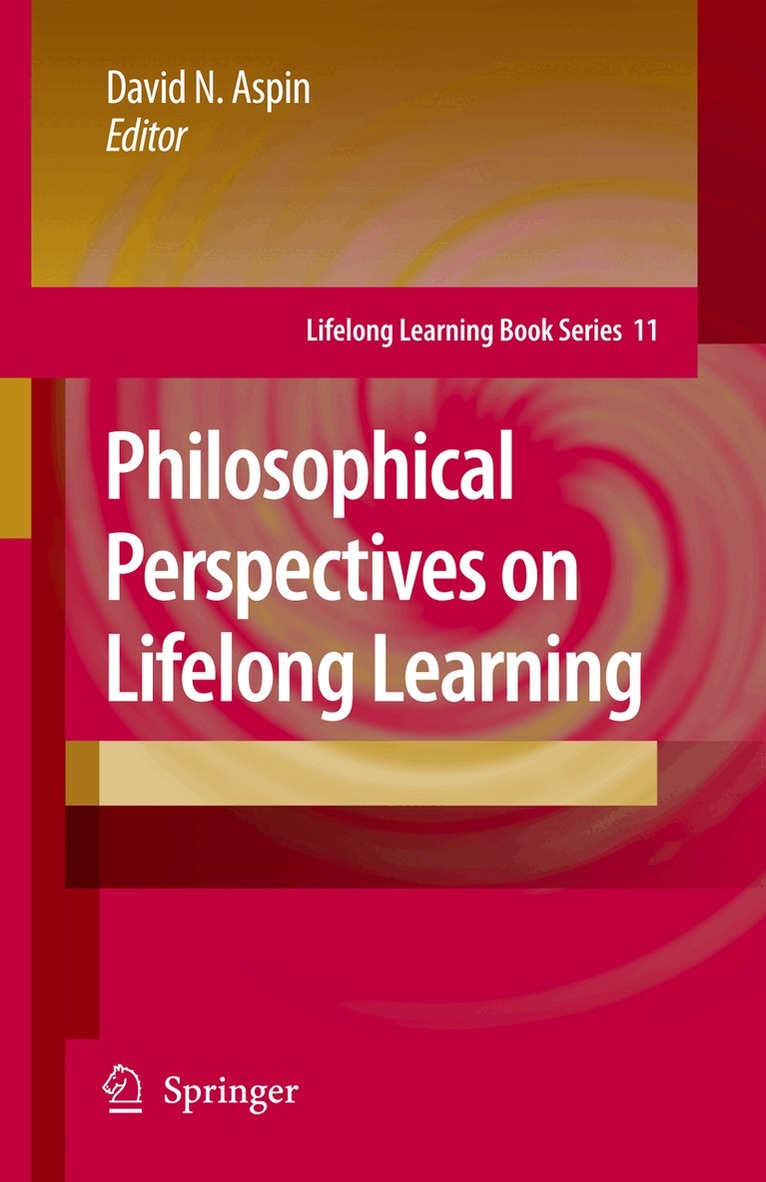
The aim of this book is provide an easily accessible, practical yet scholarly source of information about the international concern for the philosophy, theory, categories and concepts of lifelong learning. The books is concerned to examine in depth the range of philosophical perspectives in the field of lifelong learning theory, policy, practice and applied scholarship, extending the scale and scope of the substantive contribution made by philosophical and theoretical approaches to our understanding of education. The book seeks to make an informed contribution to shaping, expanding and deepening people’s understanding the direction of future developments in educational institutions of all kinds preparing for, providing and delivering lifelong learning in all kinds of formal informal and alternative education institutions, agencies and organizations, and their various approaches, policies, practices and processes in the twenty-first century.
1 533 kr
Skickas inom 10-15 vardagar
The aim of this book is to provide an easily accessible, practical yet scholarly source of information about the international concern for the nature, theory and practices of the ideas of values education and lifelong learning. Each chapter in this book is written in an accessible style by an international expert in the field. Authors tackle the task of identifying, analysing and addressing the key problems, topics and issues relevant to questions about the nature, purpose and scope of values education and Lifelong Learning that are internationally generalisable and, in times of rapid change, of enduring interest to the scholar and practitioner. Authors explore the ways and means by which learners may be encouraged to become educated and grow, both as individual beings and social agents, throughout the whole of their lifespan. The book seeks to provide accounts and critical appraisal of some of the different principles, philosophies, theories, beliefs, traditions and cultures that might form the basis of, frame and furnish the setting for values education policies and programs. We look at some of the main theories behind versions of value in lifelong learning and we point to some of the key concepts and categories at work in such theories. We provide reference to and accounts of some examples of policies or proposals in various national contexts and a range of examples of good practice in policies, programs and curriculum schemes from different schools, school systems and other educating agencies, institutions and organisations around the world.
2 042 kr
Skickas inom 10-15 vardagar
The aim of this book is provide an easily accessible, practical yet scholarly source of information about the international concern for the philosophy, theory, categories and concepts of lifelong learning. The books is concerned to examine in depth the range of philosophical perspectives in the field of lifelong learning theory, policy, practice and applied scholarship, extending the scale and scope of the substantive contribution made by philosophical and theoretical approaches to our understanding of education. The book seeks to make an informed contribution to shaping, expanding and deepening people’s understanding the direction of future developments in educational institutions of all kinds preparing for, providing and delivering lifelong learning in all kinds of formal informal and alternative education institutions, agencies and organizations, and their various approaches, policies, practices and processes in the twenty-first century.
5 046 kr
Skickas inom 10-15 vardagar
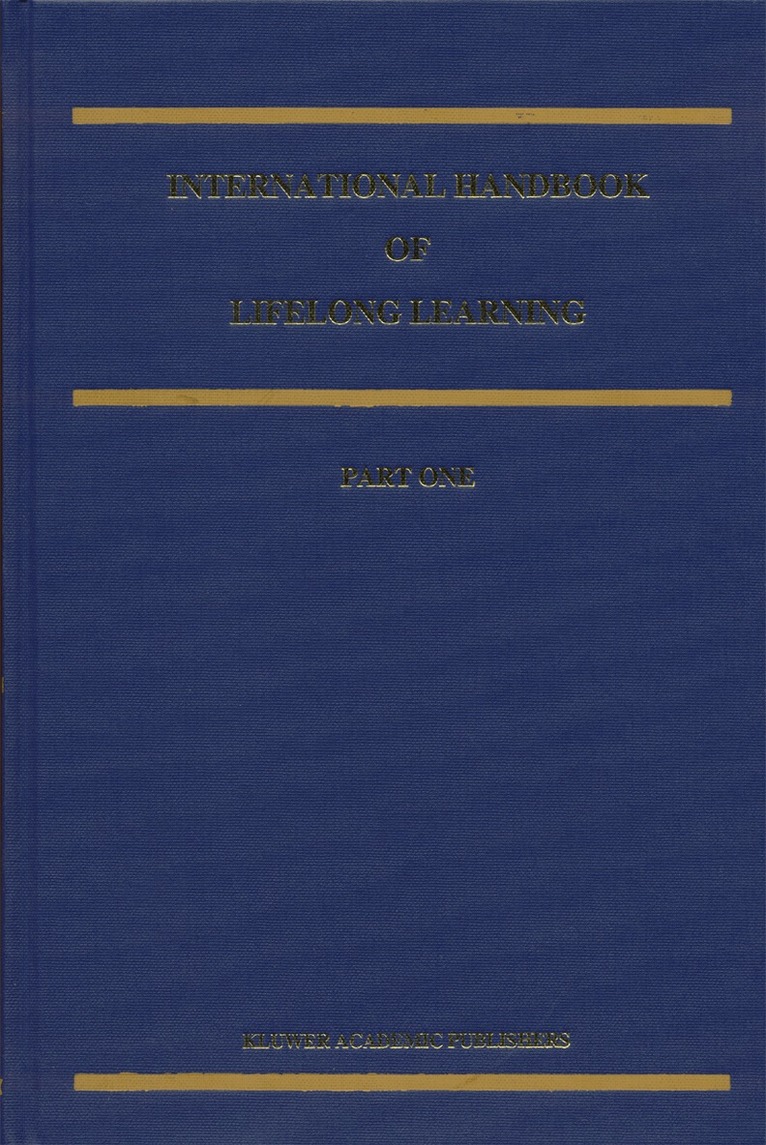
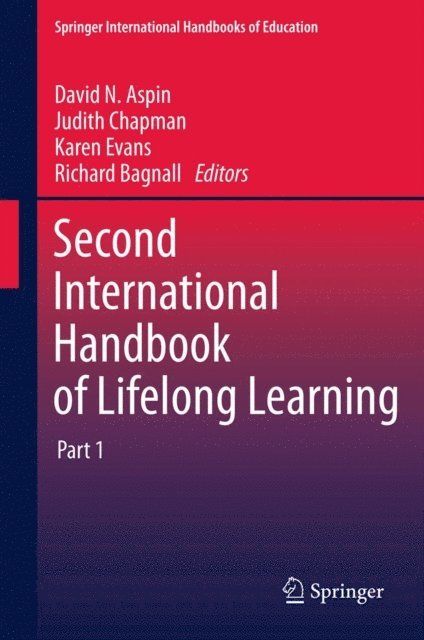
The second edition of the International Handbook of Lifelong Learning is extensive, innovative, and international in scope, remit and vision, inviting its readers to engage in a critical re-appraisal of the theme of “lifelong learning”. It is a thorough-going, rigorous and scholarly work, with profound and wide-ranging implications for the future of educating institutions and agencies of all kinds in the conception, planning and delivery of lifelong learning initiatives. Lifelong learning requires a wholly new philosophy of learning, education and training, one that aims to facilitate a coherent set of links and pathways between work, school and education, and recognises the necessity for government to give incentives to industry and their employees so they can truly “invest” in lifelong learning. It is also a concept that is premised on the understanding of a learning society in which everyone, independent of race, creed or gender, is entitled to quality learning that is truly excellent.This book recognises the need for profound changes in education and for goals that are critically important to education, economic advancement, and social involvement. To those concerned about the future of our society, our economy and educational provision, this book provides a richly illuminating basis for powerful debate. Drawing extensively on policy analyses, conceptual thinking and examples of informed and world-standard practice in lifelong learning endeavours in the field, both editors and authors seek to focus readers' attention on the many issues and decisions that must be addressed if lifelong learning is to become a reality for us all.
5 046 kr
Skickas inom 10-15 vardagar
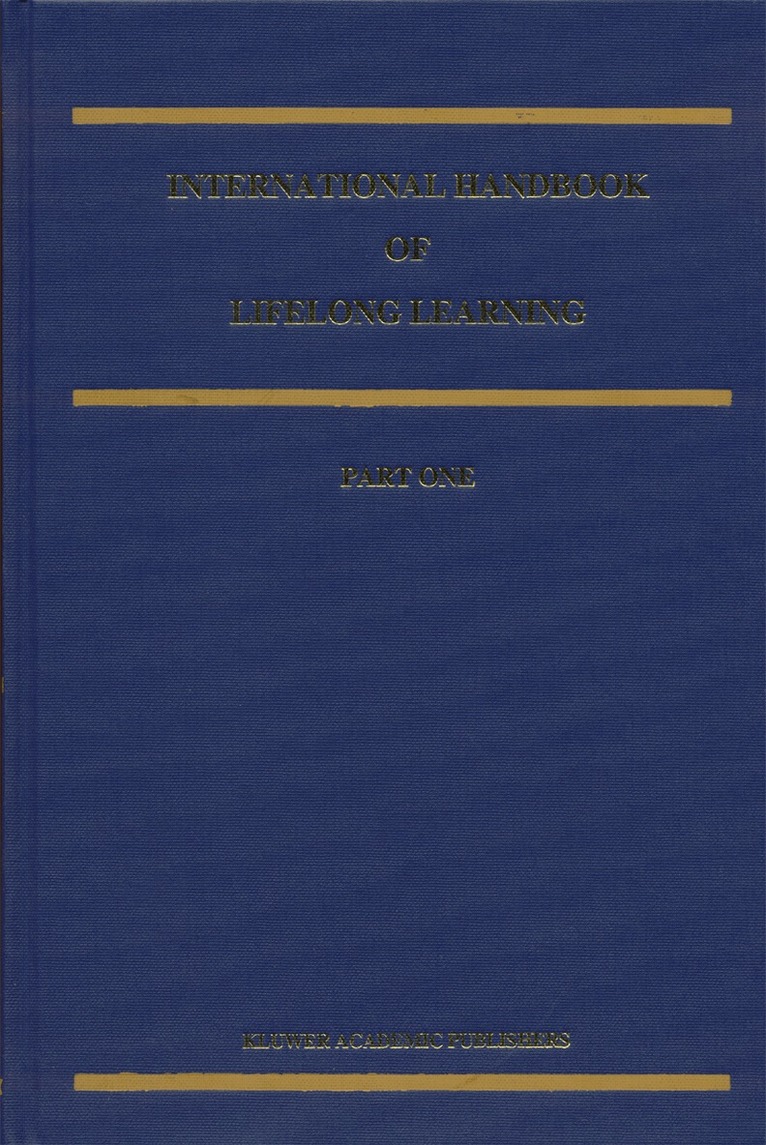
Recent changes in the world effected by the transformations of information technology, globalisation, and the move towards a knowledge economy over the last thirty years have been as radical and fundamental as the changes resulting from the invention of the wheel and the printing press. We are now living in a new age in which the demands are so complex, so multifarious and so rapidly changing that the only way in which we shall be able to survive them is by committing to a process of individual, communal, and global learning throughout the lifespan of all of us. A number of international bodies and agencies have taken cognisance of these transformations and the demands they impose upon societies and communities of the twenty-first century and have developed and articulated policies intended to enable all citizens of the world in the twenty-first century to face these challenges. It is now a declared policy of many governments and international agencies that the only vehicle for such preparation is `education, education, education', and that preparing for the knowledge economy and the learning society of the future has to be a lifelong undertaking, an investment in the future that is not restricted merely to the domain of economic advancement but also to those of social inclusion and personal growth. Realising this, policy-makers across the international arena are grappling with the need to move from systems that emphasise education and training to the radically more unworked construct of lifelong learning. In this volume the editors and authors analyse, criticise, and rework the ideas, principles, and theories underpinning policies and programs of lifelong learning, re-interpreting them in the light of examples of `best practice' found in a range of educating institutions around the world. We believe that students of educational change and community development will find it useful and helpful to have available in this volumesome of the most up-to-date thinking on the chief concepts, theories, and values of increasing policy interest in lifelong learning, together with a review of some significant examples of the different forms, focuses, and nexuses of thought and practice on this topic. All this enables us to offer some policy recommendations and practical suggestions as to ways forward in the endeavour to make lifelong learning a reality for all.
5 951 kr
Skickas inom 10-15 vardagar
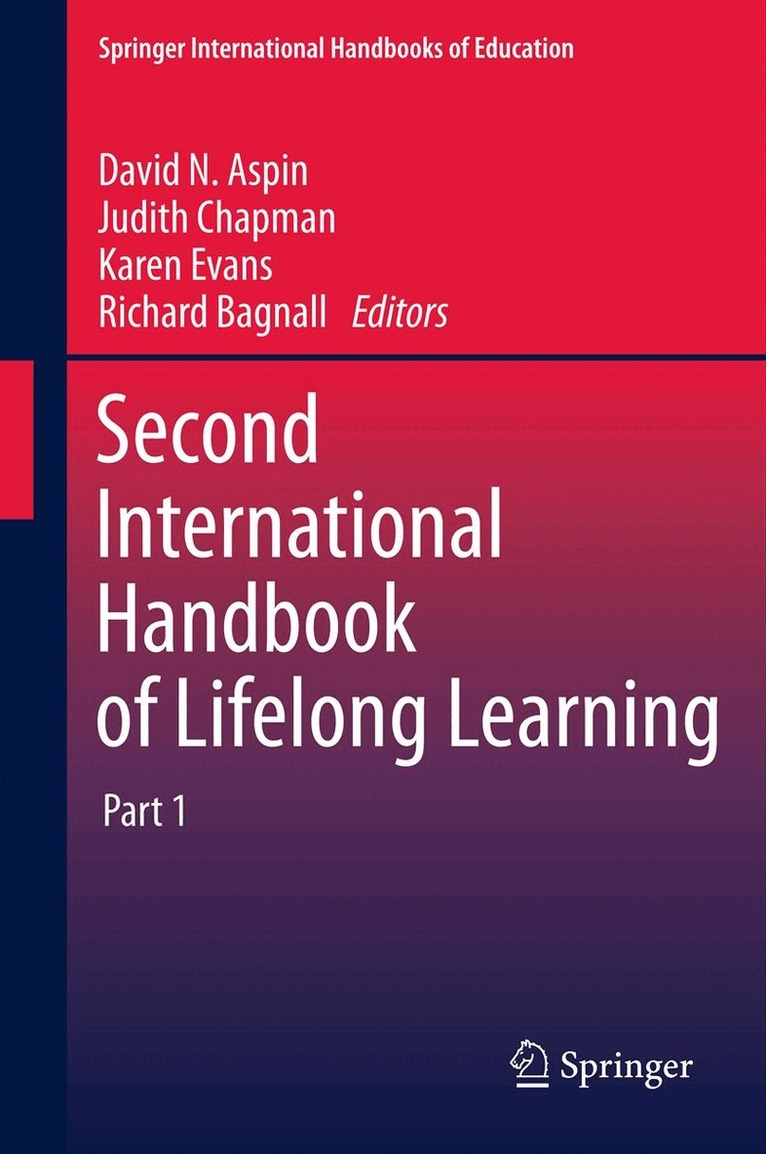
The second edition of the International Handbook of Lifelong Learning is extensive, innovative, and international in scope, remit and vision, inviting its readers to engage in a critical re-appraisal of the theme of “lifelong learning”. It is a thorough-going, rigorous and scholarly work, with profound and wide-ranging implications for the future of educating institutions and agencies of all kinds in the conception, planning and delivery of lifelong learning initiatives. Lifelong learning requires a wholly new philosophy of learning, education and training, one that aims to facilitate a coherent set of links and pathways between work, school and education, and recognises the necessity for government to give incentives to industry and their employees so they can truly “invest” in lifelong learning. It is also a concept that is premised on the understanding of a learning society in which everyone, independent of race, creed or gender, is entitled to quality learning that is truly excellent.This book recognises the need for profound changes in education and for goals that are critically important to education, economic advancement, and social involvement. To those concerned about the future of our society, our economy and educational provision, this book provides a richly illuminating basis for powerful debate. Drawing extensively on policy analyses, conceptual thinking and examples of informed and world-standard practice in lifelong learning endeavours in the field, both editors and authors seek to focus readers' attention on the many issues and decisions that must be addressed if lifelong learning is to become a reality for us all.