Judith Misrahi-Barak – författare
686 kr
Skickas inom 10-15 vardagar
2 510 kr
Skickas inom 10-15 vardagar
914 kr
Läs direkt efter köp
922 kr
Läs direkt efter köp
784 kr
Läs direkt efter köp
784 kr
Läs direkt efter köp
730 kr
Läs direkt efter köp
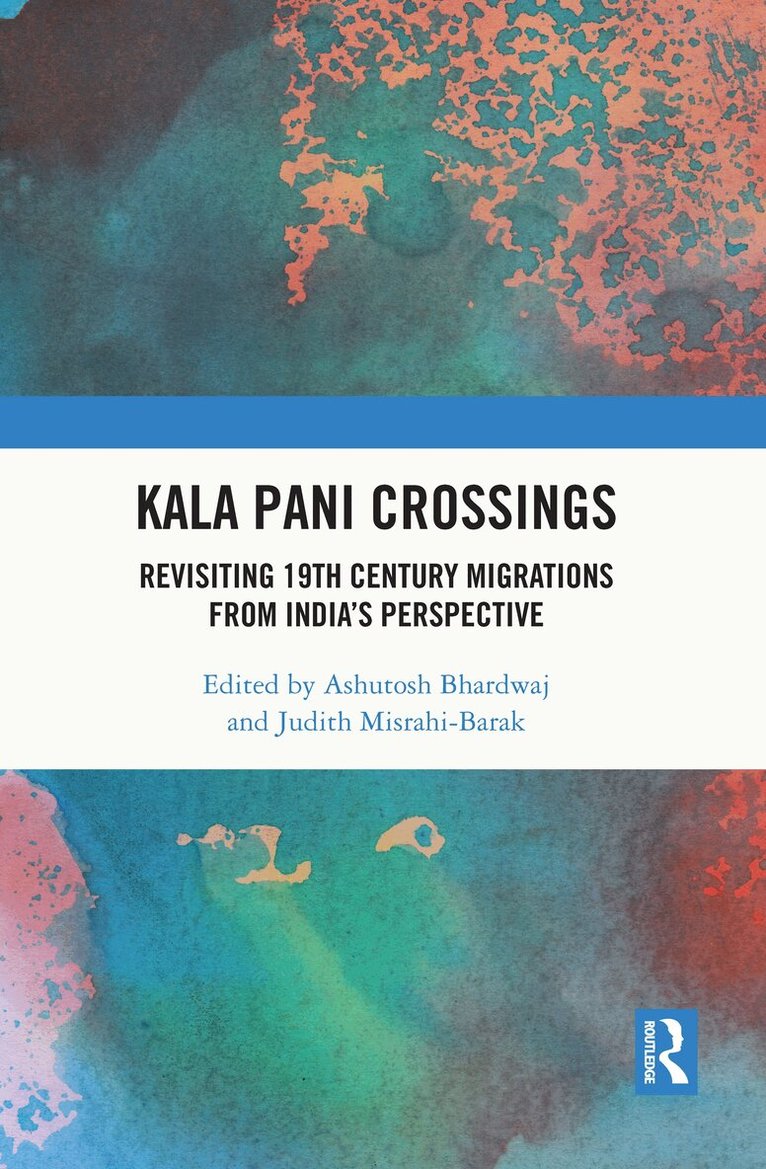
When used in India, the term Kala pani refers to the cellular jail in Port Blair, where the British colonisers sent a select category of freedom fighters. In the diaspora it refers to the transoceanic migration of indentured labour from India to plantation colonies across the globe from the mid-19th century onwards.
This volume discusses the legacies of indenture in the Caribbean, Reunion, Mauritius, and Fiji, and how they still imbue our present. More importantly, it draws attention to India and raises new questions: doesn’t one need, at some stage, to wonder why this forgotten chapter of Indian history needs to be retrieved? How is it that this history is better known outside India than in India itself? What are the advantages of shining a torch onto a history that was made invisible? Why have the tribulations of the old diaspora been swept under the carpet at a time when the successes of the new diaspora have been foregrounded? What do we stand to gain from resurrecting these histories in the early 21st century and from shifting our perspectives?
A key volume on Indian diaspora, modern history, indentured labour, and the legacy of indentureship, this co-edited collection of essays examines these questions largely through the frame of important works of literature and cinema, folk songs, and oral tales, making it an artistic enquiry of the past and of the present. It will be of great interest to scholars and researchers of world history, especially labour history, literature, postcolonial studies, cultural studies, diaspora studies, sociology and social anthropology, Indian Ocean studies, and South Asian studies.
730 kr
Läs direkt efter köp
When used in India, the term Kala pani refers to the cellular jail in Port Blair, where the British colonisers sent a select category of freedom fighters. In the diaspora it refers to the transoceanic migration of indentured labour from India to plantation colonies across the globe from the mid-19th century onwards.
This volume discusses the legacies of indenture in the Caribbean, Reunion, Mauritius, and Fiji, and how they still imbue our present. More importantly, it draws attention to India and raises new questions: doesn’t one need, at some stage, to wonder why this forgotten chapter of Indian history needs to be retrieved? How is it that this history is better known outside India than in India itself? What are the advantages of shining a torch onto a history that was made invisible? Why have the tribulations of the old diaspora been swept under the carpet at a time when the successes of the new diaspora have been foregrounded? What do we stand to gain from resurrecting these histories in the early 21st century and from shifting our perspectives?
A key volume on Indian diaspora, modern history, indentured labour, and the legacy of indentureship, this co-edited collection of essays examines these questions largely through the frame of important works of literature and cinema, folk songs, and oral tales, making it an artistic enquiry of the past and of the present. It will be of great interest to scholars and researchers of world history, especially labour history, literature, postcolonial studies, cultural studies, diaspora studies, sociology and social anthropology, Indian Ocean studies, and South Asian studies.
746 kr
Läs direkt efter köp
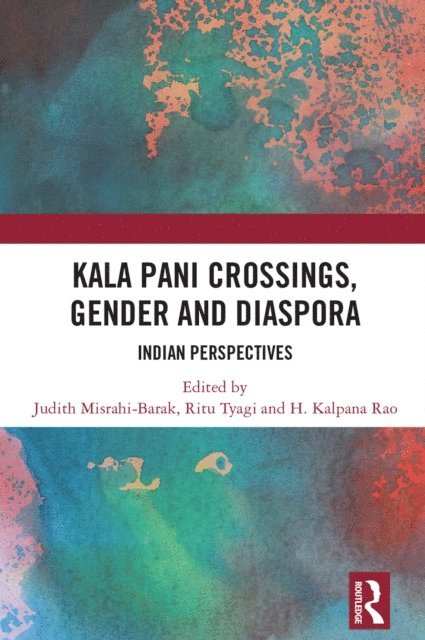
This volume explores the intersections of diaspora and gender within the diasporic and Indian imagination. It investigates the ways in which race, class, caste, gender, and sexuality intersect with concepts of home, belonging, displacement and the reinvention of the nation and of self.
Positioning itself as a companion to Kala Pani Crossings: Revisiting 19th century Migrations from India’s Perspective (Routledge, 2021), the present book examines whether indentureship and diasporic locations marginalised women and men or empowered them; how negotiations or resistances have been determined by race, class, caste, or ethnicity; how traditional standards of Indianness and gender relations have been reshaped; how ideas of home, self and the nation have been impacted in the diaspora and in India after the 19th and early 20th century indentureship migration; and what 21st century Indians stand to gain by theorizing the legacy of 19th century indenture through a gender framework. To understand how fiction and non-fiction writers have negotiated the legacy of indentureship to create spaces where normative practices can be interrogated and challenged, the book gives pride of place to interviews with writers such as Cyril Dabydeen, Ananda Devi, Ramabai Espinet, Davina Ittoo, Brij Lal, Peggy Mohan, Shani Mootoo, and Khal Torabully.
Thus rooted in critical analyses but also in subjective and creative perspectives, this volume is a major intervention in understanding Indian indenture and its legacy in the diaspora and in India. It will be of great interest to scholars and researchers of literature, history, Indian Ocean studies, migration and South Asian studies.
746 kr
Läs direkt efter köp
This volume explores the intersections of diaspora and gender within the diasporic and Indian imagination. It investigates the ways in which race, class, caste, gender, and sexuality intersect with concepts of home, belonging, displacement and the reinvention of the nation and of self.
Positioning itself as a companion to Kala Pani Crossings: Revisiting 19th century Migrations from India’s Perspective (Routledge, 2021), the present book examines whether indentureship and diasporic locations marginalised women and men or empowered them; how negotiations or resistances have been determined by race, class, caste, or ethnicity; how traditional standards of Indianness and gender relations have been reshaped; how ideas of home, self and the nation have been impacted in the diaspora and in India after the 19th and early 20th century indentureship migration; and what 21st century Indians stand to gain by theorizing the legacy of 19th century indenture through a gender framework. To understand how fiction and non-fiction writers have negotiated the legacy of indentureship to create spaces where normative practices can be interrogated and challenged, the book gives pride of place to interviews with writers such as Cyril Dabydeen, Ananda Devi, Ramabai Espinet, Davina Ittoo, Brij Lal, Peggy Mohan, Shani Mootoo, and Khal Torabully.
Thus rooted in critical analyses but also in subjective and creative perspectives, this volume is a major intervention in understanding Indian indenture and its legacy in the diaspora and in India. It will be of great interest to scholars and researchers of literature, history, Indian Ocean studies, migration and South Asian studies.
2 884 kr
Skickas inom 10-15 vardagar
734 kr
Skickas inom 10-15 vardagar
667 kr
Skickas inom 10-15 vardagar
2 247 kr
Skickas inom 10-15 vardagar
672 kr
Skickas inom 10-15 vardagar
1 045 kr
Läs direkt efter köp
1 045 kr
Läs direkt efter köp
2 510 kr
Skickas inom 10-15 vardagar
2 510 kr
Skickas inom 10-15 vardagar
2 510 kr
Skickas inom 10-15 vardagar
799 kr
Skickas inom 10-15 vardagar
745 kr
Tillfälligt slut