Judith P. Zinsser – författare
Visar alla böcker från författaren Judith P. Zinsser. Handla med fri frakt och snabb leverans.
5 produkter
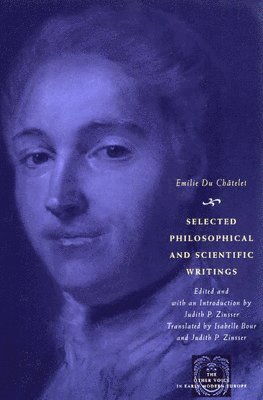
Selected Philosophical and Scientific Writings
Av Emilie Du Chatelet, Judith P. Zinsser
Häftad, 2009
488 kr
Lägg i varukorg
Though most historians remember her as the mistress of Voltaire, Emilie Du Chatelet (1706-49) was an accomplished writer in her own right, who published multiple editions of her scientific writings during her lifetime, as well as a translation of Newton's "Principia Mathematica" that is still the …
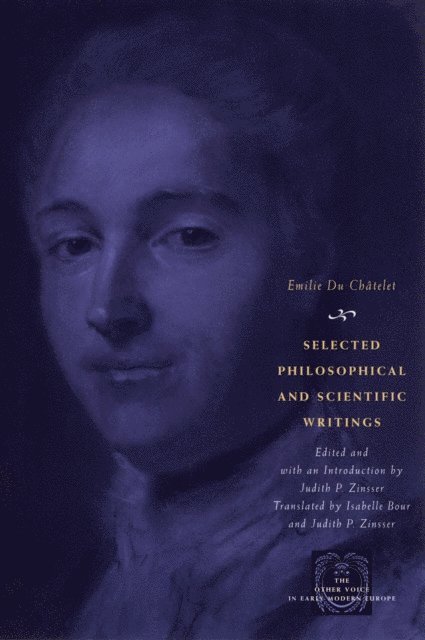
Selected Philosophical and Scientific Writings
Av Emilie Du Chatelet, Judith P. Zinsser
E-bok, 2009
1220 kr
Lägg i varukorg
Though most historians remember her as the mistress of Voltaire, Emilie Du Châtelet (1706–49) was an accomplished writer in her own right, who published multiple editions of her scientific writings during her lifetime, as well as a translation of Newton’s Principia Mathematica that is still the …
Emilie Du Châtelet
Rewriting Enlightenment Philosophy and Science
Av Judith P. Zinsser, Julie Candler Hayes
Häftad, 2006
1756 kr
Lägg i varukorg
Until recently, the marquise Du Châtelet (1706-1749) was more remembered as the companion of Voltaire than as an intellectual in her own right. While much has been written about his extraordinary output during the years he spent in her company, her own work has often been overshadowed. This volume …
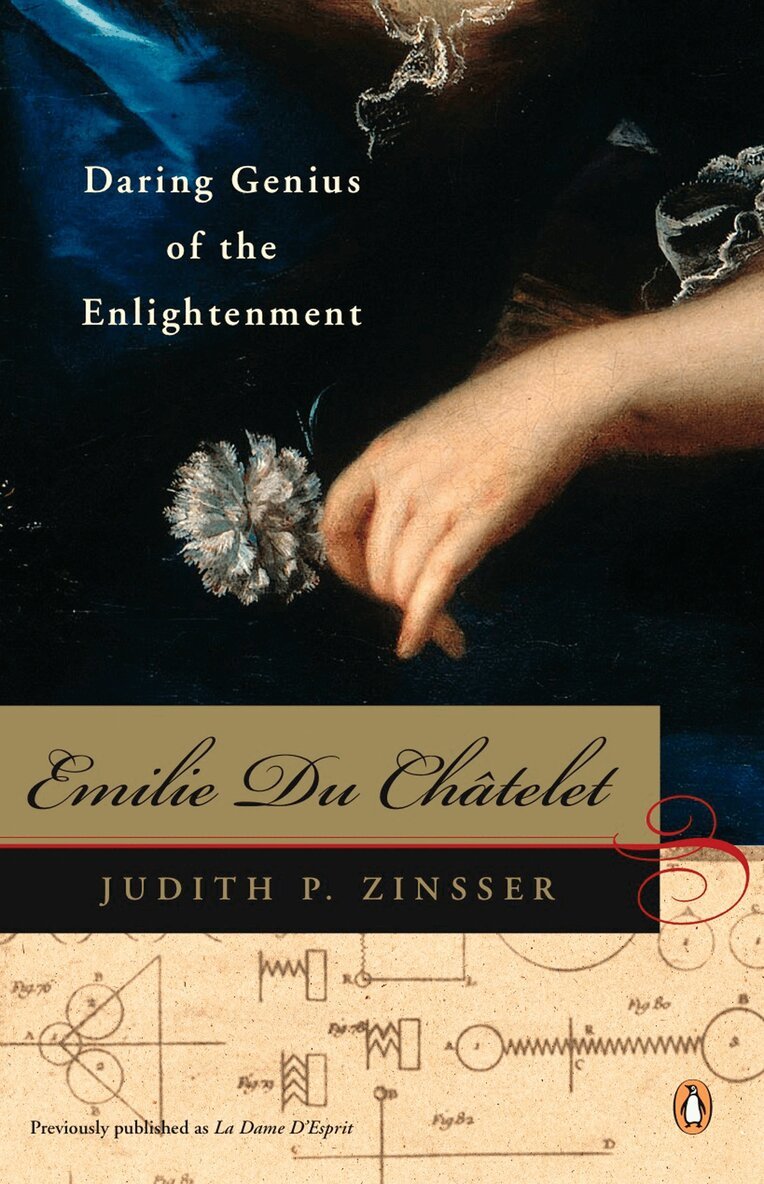
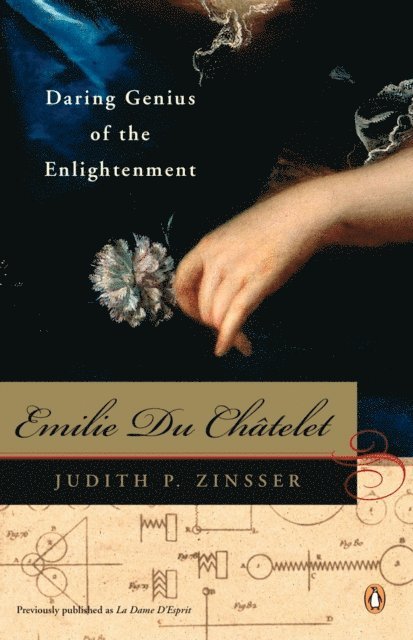
Emilie Du Chatelet
Daring Genius of the Enlightenment
E-bok, 2007
150 kr
Lägg i varukorg
The captivating biography of the French aristocrat who balanced the demands of her society with passionate affairs of the heart and a brilliant life of the mind Although today she is best known for her fifteen-year liaison with Voltaire, Gabrielle Emilie le Tonnelier de Breteuil, Marquise Du …