Julia Obertreis – författare
Visar alla böcker från författaren Julia Obertreis. Handla med fri frakt och snabb leverans.
5 produkter
Osteuropäische Geschichte und Globalgeschichte
Av Julia Obertreis, Martin Aust
E-bok, 2014
748 kr
Lägg i varukorg
Globalgeschichte hat Konjunktur. Jedoch beherrschen die Geschichten Amerikas, Europas, Asiens und Afrikas globale Ansätze in der Historiographie. Der Osten Europas ist demgegenüber eine doppelte Leerstelle. Innerhalb der europäischen Geschichte gilt der Osten Europas häufig als randständig. In der …
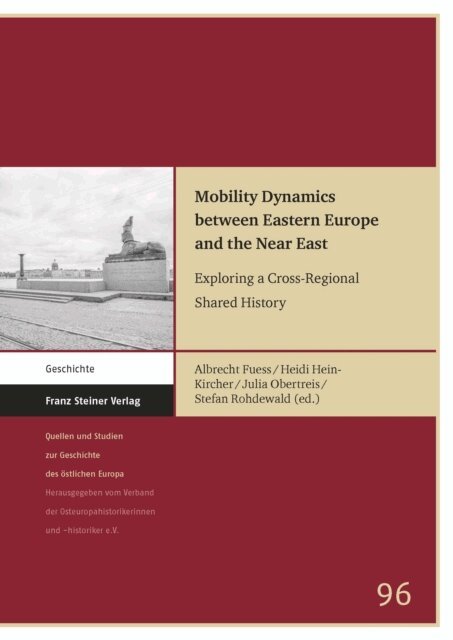
Mobility Dynamics between Eastern Europe and the Near East
Exploring a Cross-Regional Shared History
Av Stefan Rohdewald, Julia Obertreis m. fl.
E-bok, 2024
617 kr
Lägg i varukorg
Die jüngsten politischen Annäherungen zwischen Russland, Syrien, Türkei, Iran und Saudi-Arabien beruhen auf Strategien, eine neue Weltordnung zu schaffen. Diese politischen Beziehungen sind historisch zu betrachten, da es seit dem Mittelalter enge wirtschaftliche, kulturelle und politische …
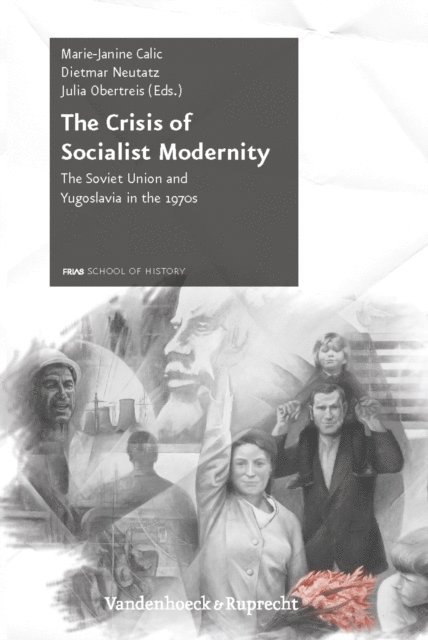
Crisis of Socialist Modernity
The Soviet Union and Yugoslavia in the 1970s
Av Julia Obertreis, Dietmar Neutatz m. fl.
E-bok, 2011
787 kr
Lägg i varukorg
In the 1970s industry in the West had reached its limits, precipitating a major discussion about how to solve the crisis. But what was going on in Eastern Europe parallel to this development? Were any similar trends being registered? The authors of this volume pursue the answers to these questions …
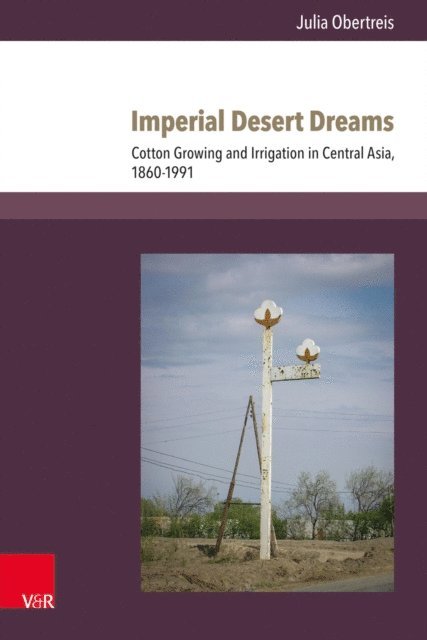
Imperial Desert Dreams
Cotton Growing and Irrigation in Central Asia, 1860–1991
E-bok, 2017
1023 kr
Lägg i varukorg
Beamte, Ingenieure und Wissenschaftler des Russischen Reiches und später der Sowjetunion planten die Ausweitung und Modernisierung der Bewässerungssysteme und des Baumwollanbaus in Zentralasien. Die Studie, die das heutige Usbekistan und Turkmenistan untersucht, betont die diskursiven und …
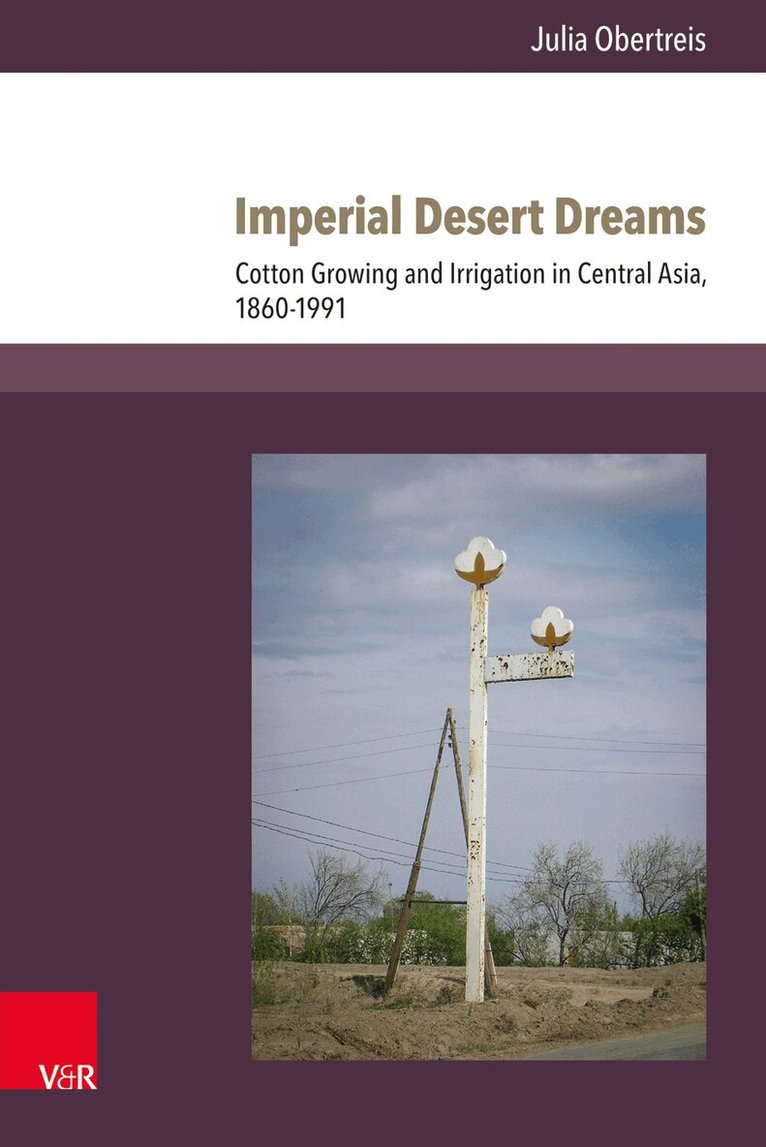
Imperial Desert Dreams
Cotton Growing and Irrigation in Central Asia, 1860–1991
Inbunden, 2017
1331 kr
Lägg i varukorg
Beamte, Ingenieure und Wissenschaftler des Russischen Reiches und später der Sowjetunion planten die Ausweitung und Modernisierung der Bewässerungssysteme und des Baumwollanbaus in Zentralasien. Die Studie, die das heutige Usbekistan und Turkmenistan untersucht, betont die diskursiven und …