Julia Ramírez Blanco – författare
Visar alla böcker från författaren . Handla med fri frakt och snabb leverans.
7 produkter
7 produkter
Häftad, Engelska, 2019
559 kr
Skickas inom 10-15 vardagar
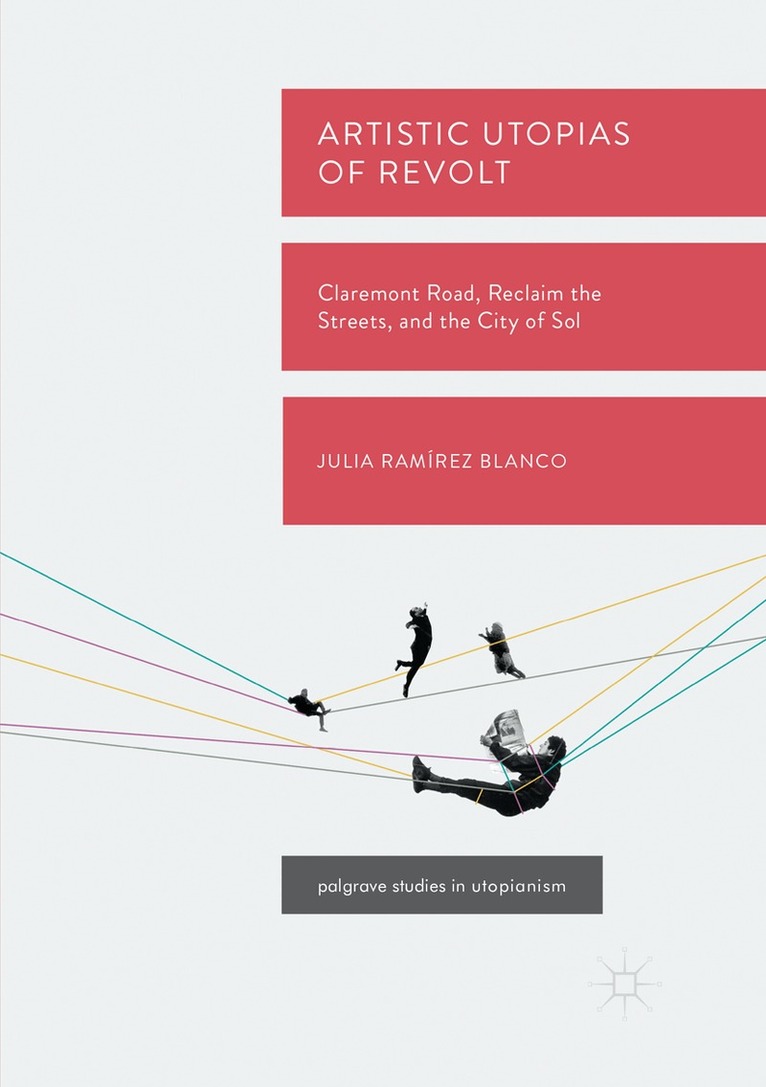
This book analyses the aesthetic and utopian dimensions of various activist social movements in Western Europe since 1989. Through a series of case studies, it demonstrates how dreams of a better society have manifested themselves in contexts of political confrontation, and how artistic forms have provided a language to express the collective desire for social change.The study begins with the 1993 occupation of Claremont Road in east London, an attempt to prevent the demolition of homes to make room for a new motorway. In a squatted row of houses, all available space was transformed and filled with elements that were both aesthetic and defensive – so when the authorities arrived to evict the protestors, sculptures were turned into barricades. At the end of the decade, this kind of performative celebration merged with the practices of the antiglobalisation movement, where activists staged spectacular parallel events alongside the global elite’s international meetings. As this book shows, social movements try to erase the distance that separates reality and political desire, turning ordinary people into creators of utopias. Squatted houses, carnivalesque street parties, counter-summits, and camps in central squares, all create a physical place of these utopian visions
Inbunden, Engelska, 2018
543 kr
Skickas inom 10-15 vardagar
This book analyses the aesthetic and utopian dimensions of various activist social movements in Western Europe since 1989. Through a series of case studies, it demonstrates how dreams of a better society have manifested themselves in contexts of political confrontation, and how artistic forms have provided a language to express the collective desire for social change.The study begins with the 1993 occupation of Claremont Road in east London, an attempt to prevent the demolition of homes to make room for a new motorway. In a squatted row of houses, all available space was transformed and filled with elements that were both aesthetic and defensive – so when the authorities arrived to evict the protestors, sculptures were turned into barricades. At the end of the decade, this kind of performative celebration merged with the practices of the antiglobalisation movement, where activists staged spectacular parallel events alongside the global elite’s international meetings. As this book shows, social movements try to erase the distance that separates reality and political desire, turning ordinary people into creators of utopias. Squatted houses, carnivalesque street parties, counter-summits, and camps in central squares, all create a physical place of these utopian visions
E-bok
Engelska, 2018734 kr
Läs direkt efter köp
This book analyses the aesthetic and utopian dimensions of various activist social movements in Western Europe since 1989. Through a series of case studies, it demonstrates how dreams of a better society have manifested themselves in contexts of political confrontation, and how artistic forms have provided a language to express the collective desire for social change.The study begins with the 1993 occupation of Claremont Road in east London, an attempt to prevent the demolition of homes to make room for a new motorway. In a squatted row of houses, all available space was transformed and filled with elements that were both aesthetic and defensive – so when the authorities arrived to evict the protestors, sculptures were turned into barricades. At the end of the decade, this kind of performative celebration merged with the practices of the antiglobalisation movement, where activists staged spectacular parallel events alongside the global elite’s international meetings. As this book shows, social movements try to erase the distance that separates reality and political desire, turning ordinary people into creators of utopias. Squatted houses, carnivalesque street parties, counter-summits, and camps in central squares, all create a physical place of these utopian visions
Häftad, Engelska, 2023
444 kr
Skickas
Code is intended both as a computer-based language to program software and as a functional and visual language for organizing administrative processes, visualizing information, performing behaviour control, and reinforcing shared imaginaries based on surveillance and dread. This special issue of Digital Culture & Society deals with the concept of code in relation to the Covid-19 crisis. The contributions depart from the idea that both forms of coding have become dramatically intertwined during the pandemic and are structuring a new way of being in and seeing reality. They explore the new forms of data-driven surveillance and representation of the pandemic evolution at the level of real-time epidemiology, sensor technologies, science policies, push media, and the heterogeneous counter-discourses that try to subvert them.
E-bok
Spanska, 2021149 kr
Läs direkt efter köp
En 2021 se cumplen diez años del 15M. Sin duda alguna, este movimiento cambió las conciencias de varias generaciones y transformó para siempre el futuro político, social, económico y artístico de España. La relevancia del 15M es indudable por lo que parece necesario revisar aquel momento: ¿por qué surgió?, ¿qué se generó en aquellos campamentos?, ¿qué propició intensas simpatías, movilización e incluso cambios vitales?, ¿de qué manera se relacionaron la ética y la estética?, ¿cómo cambió la forma de hacer política, protesta y arte?, ¿sigue vigente y de qué manera?, ¿los grupos políticos son los herederos del 15M o se trata de un movimiento que trasciende la política? Partiendo de los antecedentes a escala mundial y nacional, el libro se centra en la acampada que durante varios meses se estableció en la plaza del Sol de Madrid en 2011 para a continuación recorrer las distintas movilizaciones que tuvieron lugar en España y en Estados Unidos, dedicando un capítulo a Occupy Wall Street. Finalmente, la autora valora las consecuencias sociales surgidas del movimiento 15M y la aparición de partidos políticos que, recogiendo las demandas de quienes se movilizaron, han aparecido en el panorama nacional. 15M. El tiempo de las plazas está ampliamente ilustrado con cientos de imágenes, cuenta con entrevistas a personas que participaron en primera línea y una bibliografía actualizada.
E-bok
Spanska, 2022191 kr
Läs direkt efter köp
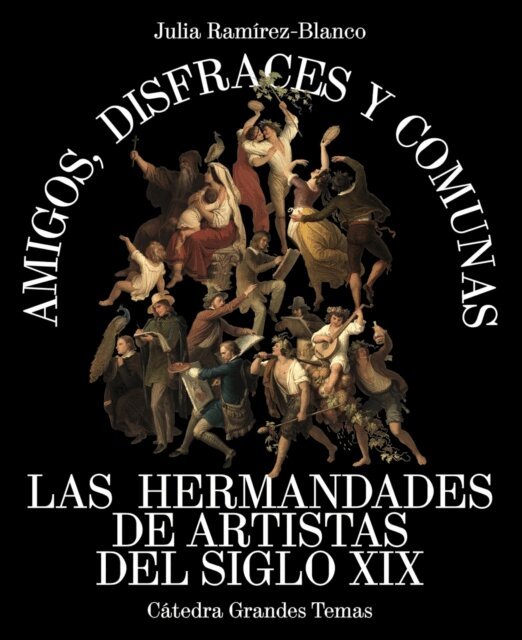
"Amigos, disfraces y comunas" indaga el colectivismo artístico moderno que sienta las bases para los colectivos artísticos de los siglos XX y XXI: son las llamadas hermandades de artistas, grupos cuya práctica ambiciona unir el proyecto vital y el creativo, ensayando otras formas de entender los afectos y la identidad como algo compartido.
E-bok
Spanska, 2025179 kr
Läs direkt efter köp
¿Cómo podemos comprender el arte más actual? Nuevos ismos del siglo XXI busca responder a esta pregunta proponiendo un particular reader que recoge 27 textos fundamentales de los más prestigiosos autores nacionales e internacionales.Organizado alrededor de seis ejes, precedidos de una introducción general, este libro plantea la existencia de nuevos ismos en el arte actual que reclaman fundamentos de análisis y solicitan una voz pública para la práctica artistica: archivismo, activismo, comunitarismo, cosmopolitismo, indigenismo y ecologismo. Cada uno de estos movimientos participa de un rechazo del formalismo y de un alejamiento de lo estrictamente artístico; y sus innovaciones y propuestas no solo provienen de la creatividad individual, sino que surgen también de la necesidad de construir marcos teóricos coherentes con la realidad. Estos movimientos sitúan, además, la creatividad más cerca de lo ético que de lo estético y toman prestadas herramientas de proyectos sociales o antropológicos.Partiendo de la esfera artística como un lugar de pensamiento e intervención que se entreteje con toda una serie de referentes teóricos, autores como Claire Bishop, Wolfgang Ernst, Helen Gilbert, Marsha Meskimmon, Nicholas Mirzoeff, Donna Haraway, Nicos Papastergiadis, Judith Butler, T. J. Demos o Ernst van Alphen, entre muchos otros, nos sirven de guía para comprender la complejidad de las propuestas artísticas del siglo XXI.