Julian Graffy – författare
Visar alla böcker från författaren Julian Graffy. Handla med fri frakt och snabb leverans.
7 produkter
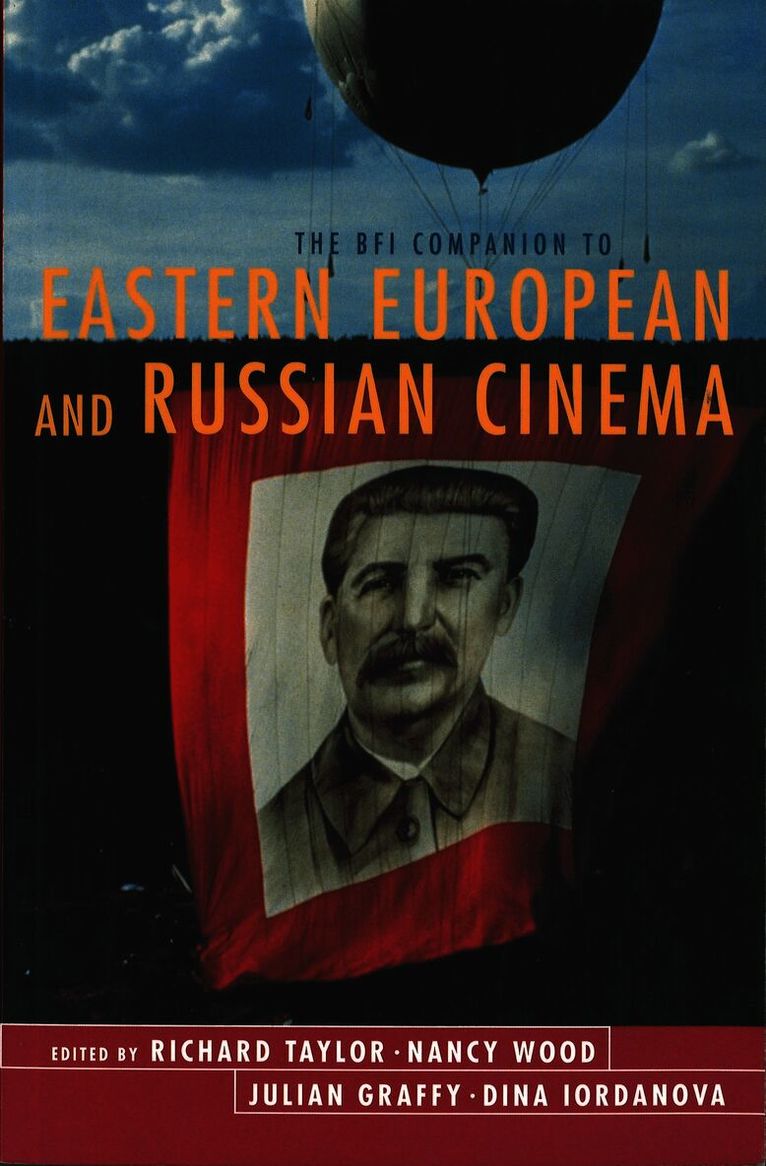
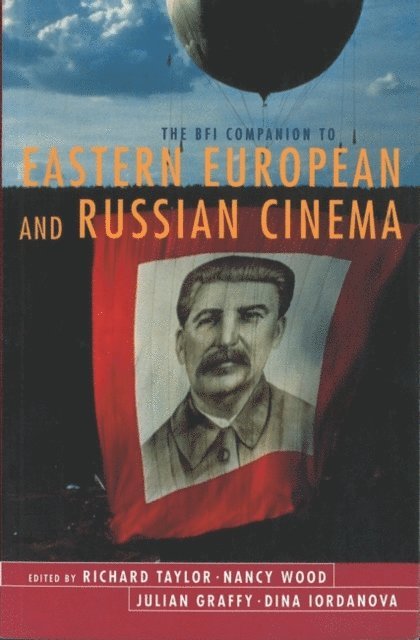
BFI Companion to Eastern European and Russian Cinema
Av Richard Taylor, Nancy Wood m. fl.
Häftad, 2000
527 kr
Lägg i varukorg
This work maps the rich, varied cinema of Eastern Europe, Russia and the former USSR. Over 200 entries cover a variety of topics spanning a century of endeavour and turbulent history from Czech animation to Soviet montage, from the silent cinemas dating back to World War I through to the varied …
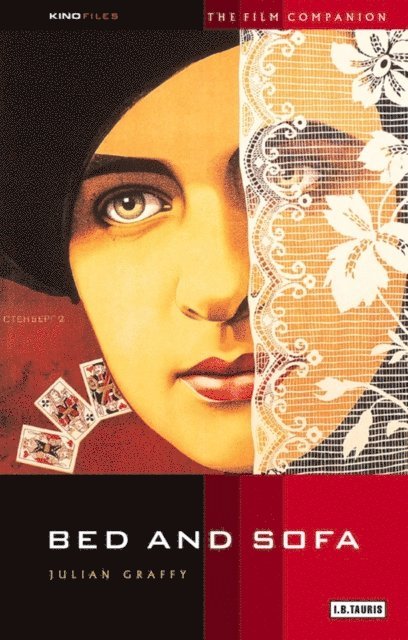
Bed and Sofa
The Film Companion
E-bok, 2000
289 kr
Lägg i varukorg
Abram Room's daring 1927 film is the story of a ménage à trois - one woman, two men - set in a 1920s Moscow flat. Remarkable for its frankness, humour and corrosive assessment of the new Soviet society, particularly the new Soviet man, _Bed and Sofa_ has found new and enthusiastic audiences in …
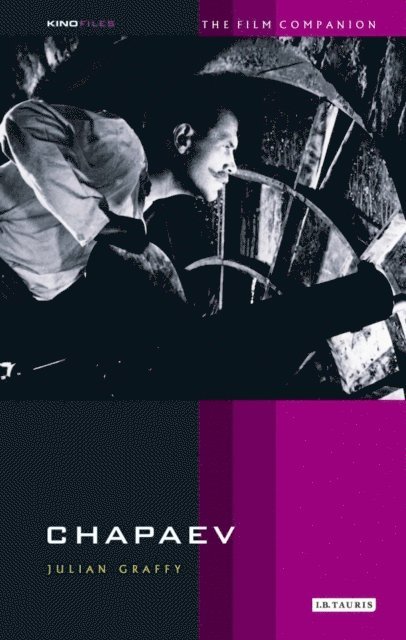
Chapaev
Kinofile Filmmakers' Companion 12
E-bok, 2009
361 kr
Lägg i varukorg
"Chapaev" is the most popular film of the Soviet era. Directed by Georgi and Sergei Vasilev, it tells of the legendary exploits of the Red Army Commander Vasili Ivanovich Chapaev during the Russian Civil War. Its greatest fan was Joseph Stalin, who saw it 38 times at late-night showings in the …
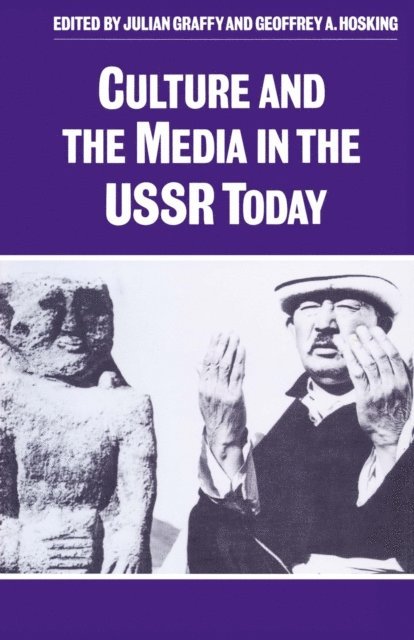
Culture and the Media in the USSR Today
Av Geoffrey Hosking, Julian Graffy
E-bok, 1989
357 kr
Lägg i varukorg
Culture and media institutions are part of the Soviet establishment, yet also head the counter-culture which has gradually been taking shape in the Brezhnev era. Glasnost has introduced new intellectual or institutional upheavals which the contributors describe and analyze.
BFI Companion to Eastern European and Russian Cinema
Av Richard Taylor, Nancy Wood m. fl.
E-bok, 2019
579 kr
Lägg i varukorg
This work maps the rich, varied cinema of Eastern Europe, Russia and the former USSR. Over 200 entries cover a variety of topics spanning a century of endeavour and turbulent history from Czech animation to Soviet montage, from the silent cinemas dating back to World War I through to the varied …
BFI Companion to Eastern European and Russian Cinema
Av Richard Taylor, Nancy Wood m. fl.
E-bok, 2019
579 kr
Lägg i varukorg
This work maps the rich, varied cinema of Eastern Europe, Russia and the former USSR. Over 200 entries cover a variety of topics spanning a century of endeavour and turbulent history from Czech animation to Soviet montage, from the silent cinemas dating back to World War I through to the varied …
Gogol's "the Overcoat"
Häftad, 2000
350 kr
Lägg i varukorg
Gogol's most famous short story, first published in 1842, has attracted unrivalled attention, both from other writers and from critics of every hue. It has been reworked by Russian writers from Dostoevsky to the present day, and filmed both in Russia and abroad. It has provoked competing analyses …