Julian N. Kanfer – författare
Visar alla böcker från författaren Julian N. Kanfer. Handla med fri frakt och snabb leverans.
4 produkter
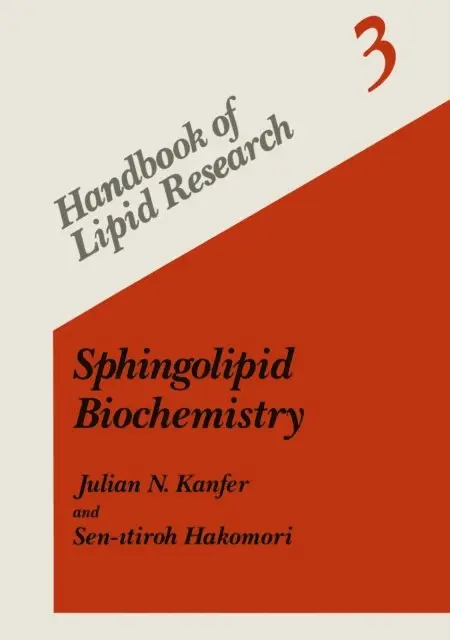
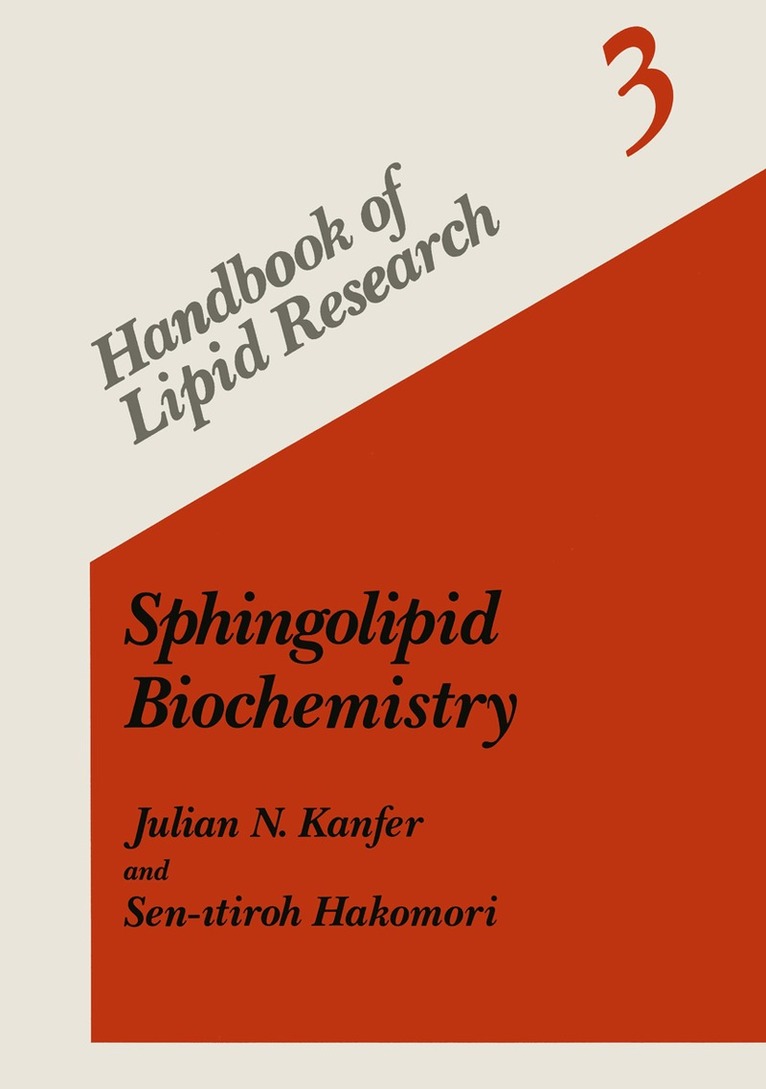
Sphingolipid Biochemistry
Av Julian N. Kanfer, Sen-itiroh Hakomori
Häftad, 2012
552 kr
Lägg i varukorg
Interest in and emphasis upon different aspects of the sphingolipids have, in general, followed the biochemical developments of the day. The early inves- tigators were preoccupied principally with the isolation of "pure" compounds and structural elucidation. This historical perspective is found in …
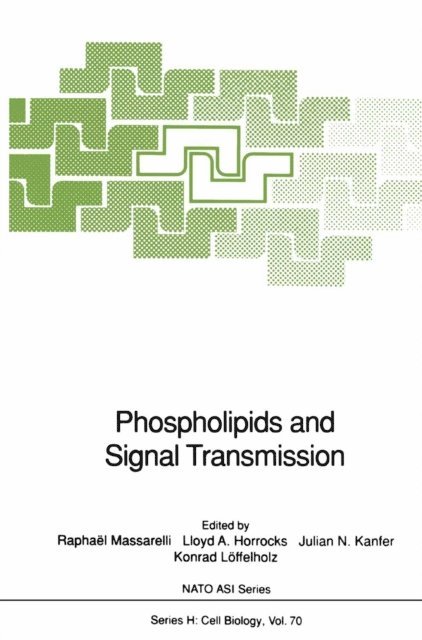
Phospholipids and Signal Transmission
Av Konrad Loffelholz, Julian N. Kanfer m. fl.
E-bok, 2013
755 kr
Lägg i varukorg
Once Nietzsche said that human beings may be divided into two categories: Apollonians and Dionysians*. By this the philosopher meant that there are human beings a) who know what they are going to do in the long-term future (what we now call the grant application for the next 5 years), i. e. , …
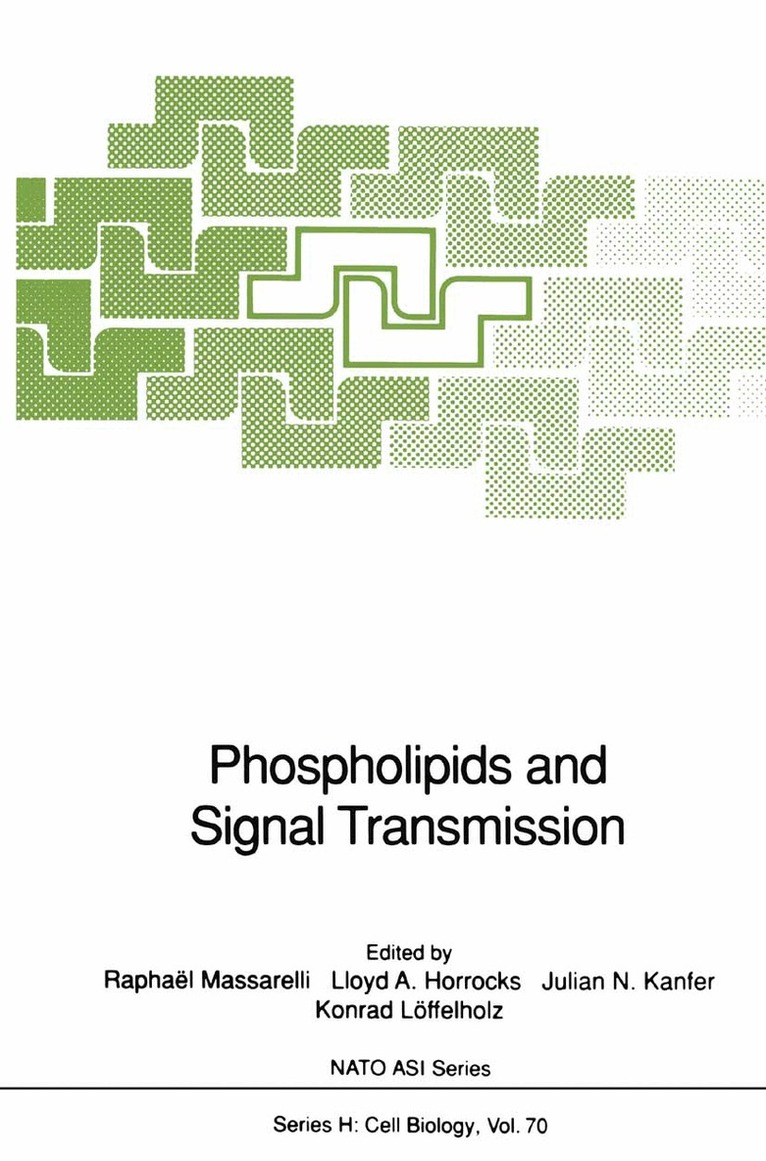
Phospholipids and Signal Transmission
Av Raphael Massarelli, Lloyd A. Horrocks m. fl.
Häftad, 2013
569 kr
Lägg i varukorg
Once Nietzsche said that human beings may be divided into two categories: Apollonians and Dionysians*. By this the philosopher meant that there are human beings a) who know what they are going to do in the long-term future (what we now call the grant application for the next 5 years), i. e. , …