Julian Stringer - Böcker
Visar alla böcker från författaren Julian Stringer. Handla med fri frakt och snabb leverans.
11 produkter
11 produkter
2 088 kr
Skickas inom 10-15 vardagar
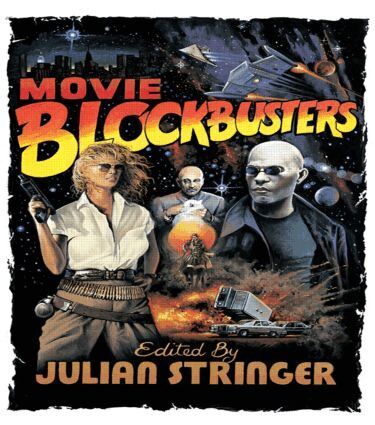
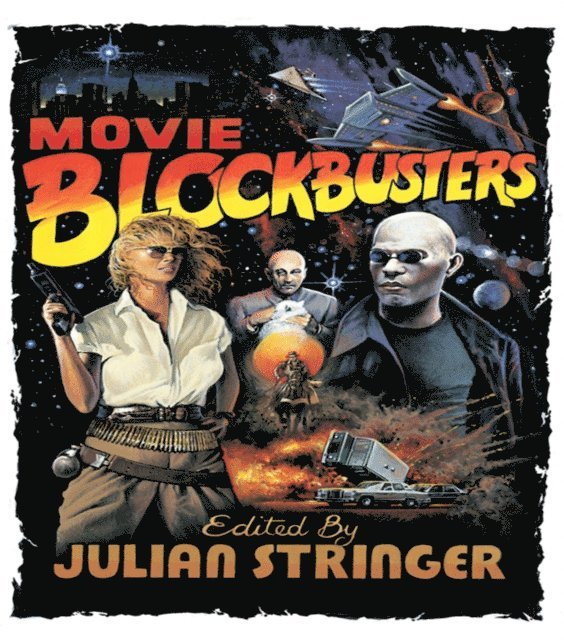
Big-budget, spectacular films designed to appeal to a mass audience: is this what - or all - blockbusters are? Movie Blockbusters brings together writings from key film scholars, including Douglas Gomery, Peter Kramer, Jon Lewis and Steve Neale, to address the work of notable blockbuster auteurs such as Steven Spielberg and James Cameron, discuss key movies such as Star Wars and Titanic, and consider the context in which blockbusters are produced and consumed, including what the rise of the blockbuster says about the Hollywood film industry, how blockbusters are marketed and exhibited, and who goes to see them. The book also considers the movie scene outside Hollywood, discussing blockbusters made in Bollywood, China, South Korea, New Zealand and Argentina
563 kr
Skickas inom 10-15 vardagar
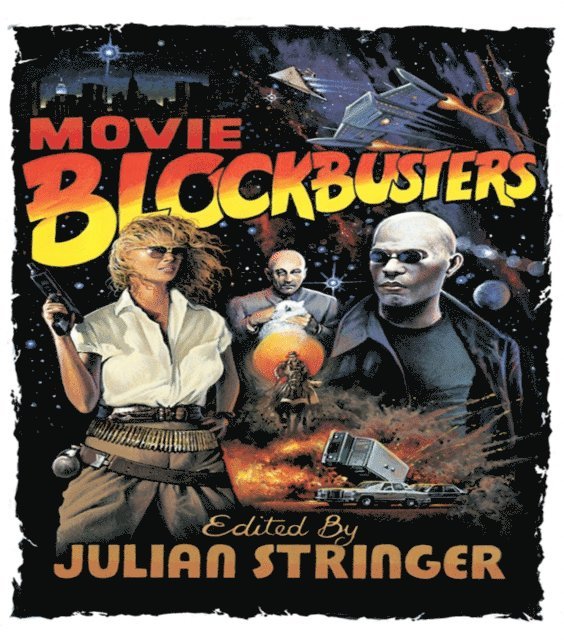
Big-budget, spectacular films designed to appeal to a mass audience: is this what - or all - blockbusters are? Movie Blockbusters brings together writings from key film scholars, including Douglas Gomery, Peter Kramer, Jon Lewis and Steve Neale, to address the work of notable blockbuster auteurs such as Steven Spielberg and James Cameron, discuss key movies such as Star Wars and Titanic, and consider the context in which blockbusters are produced and consumed, including what the rise of the blockbuster says about the Hollywood film industry, how blockbusters are marketed and exhibited, and who goes to see them. The book also considers the movie scene outside Hollywood, discussing blockbusters made in Bollywood, China, South Korea, New Zealand and Argentina
2 088 kr
Skickas inom 10-15 vardagar
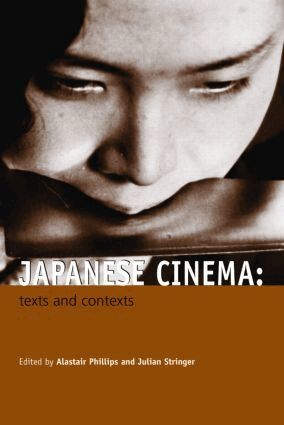
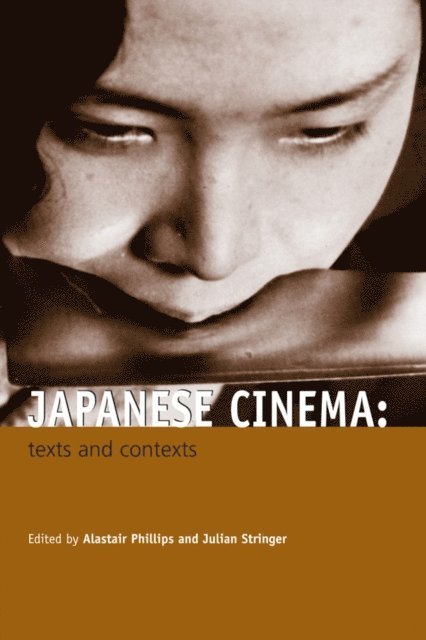
Japanese Cinema includes twenty-four chapters on key films of Japanese cinema, from the silent era to the present day, providing a comprehensive introduction to Japanese cinema history and Japanese culture and society.Studying a range of important films, from Late Spring, Seven Samurai and In the Realm of the Senses to Godzilla, Hana-Bi and Ring, the collection includes discussion of all the major directors of Japanese cinema including Ozu, Mizoguchi, Kurosawa, Oshima, Suzuki, Kitano and Miyazaki.Each chapter discusses the film in relation to aesthetic, industrial or critical issues and ends with a complete filmography for each director. The book also includes a full glossary of terms and a comprehensive bibliography of readings on Japanese cinema.Bringing together leading international scholars and showcasing pioneering new research, this book is essential reading for all students and general readers interested in one of the world’s most important film industries.
671 kr
Skickas inom 10-15 vardagar
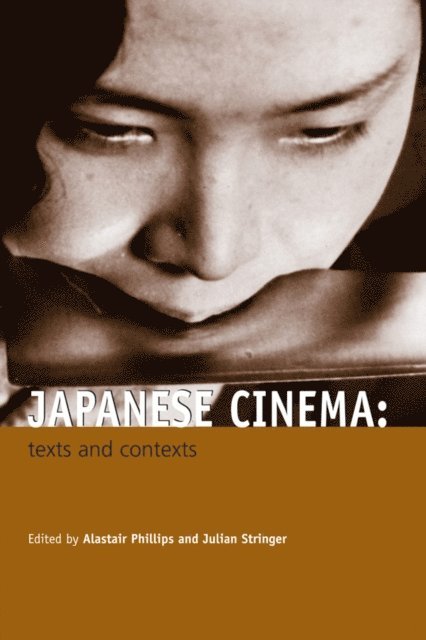
Japanese Cinema includes twenty-four chapters on key films of Japanese cinema, from the silent era to the present day, providing a comprehensive introduction to Japanese cinema history and Japanese culture and society.Studying a range of important films, from Late Spring, Seven Samurai and In the Realm of the Senses to Godzilla, Hana-Bi and Ring, the collection includes discussion of all the major directors of Japanese cinema including Ozu, Mizoguchi, Kurosawa, Oshima, Suzuki, Kitano and Miyazaki.Each chapter discusses the film in relation to aesthetic, industrial or critical issues and ends with a complete filmography for each director. The book also includes a full glossary of terms and a comprehensive bibliography of readings on Japanese cinema.Bringing together leading international scholars and showcasing pioneering new research, this book is essential reading for all students and general readers interested in one of the world’s most important film industries.
Japanese Cinema
2014
22 528 kr
Skickas inom 10-15 vardagar
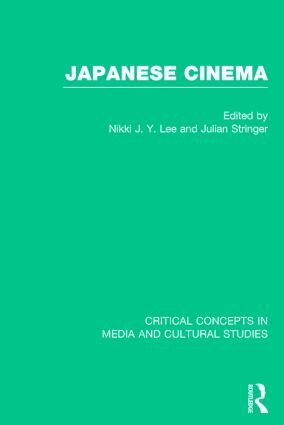
Japanese cinema is historically one of the world’s most important national film industries and one that continues to have a significant global influence. From the Golden Age of the 1930s and the 1950s art-house success of Kurosawa, Mizoguchi, and Ozu to the 1960s New Wave of Imamura and Oshima and the ubiquitous contemporary presence of sci-fi and anime, Japan has produced directors and genres of central importance to the development of cinema as both art and industry. Indeed, no college or university course on international film history or modern world cinema is complete without substantial reference to Japan’s mighty achievements.Despite the crucial contribution of work on Japan to the development of Film Studies as a distinct object of intellectual inquiry, as well as the ongoing vibrancy of Japanese Cinema Studies as a dynamic interdisciplinary endeavour, to date no reference work has gathered all the most important scholarly writings on the topic. This welcome addition to Routledge’s Critical Concepts in Media and Cultural Studies series remedies that omission. It presents for the first time the most significant English-language work on the history and culture of Japanese cinema.Edited by two leading scholars in the field, this major new reference resource offers a multi-dimensional overview of one hundred years of filmmaking in Japan. It explores the subject from all key angles, encompassing production and the role of commercial film studios, distribution, exhibition, issues of critical reception, fandom, and the cultural status of cinema as aesthetic medium. Every major period is represented, including early and silent cinema, the years of empire and war, postwar resurgence and political strife, globalization and multimedia reconfiguration. In addition, the collection includes consideration of key films and filmmakers, alongside approaches to Japanese cinema’s perceived uniqueness and debates on its relation to society, as well as to Hollywood and other film industries. Contributions are drawn from the various disciplines where the most important work on Japanese cinema has been produced, including Film Studies, Japan Studies, Asian Studies, and Cultural Studies.Japanese Cinema is supplemented by a comprehensive index. It also includes a full introduction, newly written by the editors, which outlines the various historical contexts for the emergence of mature scholarly approaches to the subject.
286 kr
Skickas inom 5-8 vardagar
Concentrates on the analysis of cult movies, how they are defined, who defines them and the cultural politics of these definitions. Raises issues about the perception of it as an oppositional form of cinema, and of its strained relationships to mainstream cinema and the processes of institutionalisation and classification. Claims that the history of academic film studies and that of cult movie fandom are inextricably intertwined and raises fundamental questions about both cult movies themselves, and film studies as a discipline. Updates work on cult movies at a time when cult films and TV have become a central part of contemporary culture. Ranges over the full and entertaining gamut of cult films from Dario Argento, Spanish horror and Peter Jackson's New Zealand gorefests to sexploitation, kung fu and sci fi flicks, as well investigations of Sharon Stone, 'underground' and trivia.
427 kr
Skickas inom 11-20 vardagar
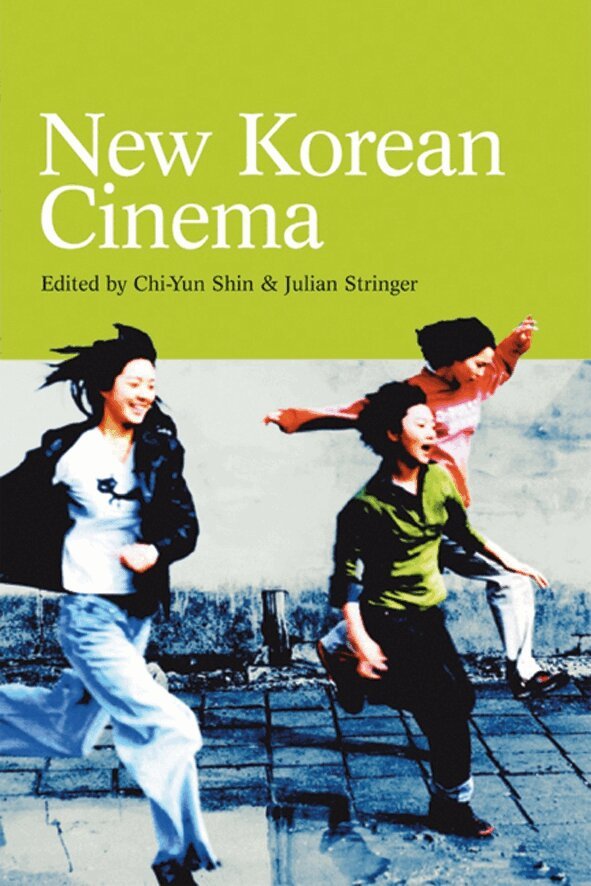
A wide-ranging analysis of one of the world's most important contemporary film industries, New Korean Cinema adopts a cross-cultural and multi-dimensional perspective and provides a comprehensive overview of the production, circulation and reception of modern South Korean cinema. Together with discussions of Korean society and culture, it considers the political economy of the film industry, strategies of domestic and international distribution and marketing, the consumption of films in diverse reception environments, and the relation of film texts to their cultural, historical and social contexts. Gathering critics from Asia, Europe and North America, New Korean Cinema contributes to the discussion of the complex role played by national and regional cinemas in a global age. It will be of interest to students and critics of Popular Culture and Film Studies as well as East Asian Studies and Korean Studies. Features*The most comprehensive study of one of the world's most exciting new cinemas*Provides new insights into the relations forged between cinema and civil society since the early 1990s.*Considers innovative and timely areas of concern such as globalization, transnationalism and new media*Contains in-depth analyses of key films like Chunhyang, Memento Mori, Peppermint Candy and Take Care of My Cat*Includes a glossary of key terms and bibliography of works on Korean cinema*Illustrated with 24 black-and-white stills.
1 409 kr
Skickas inom 5-8 vardagar
Korean film has been heralded as the "newest tiger" of Asian cinema. In the past year, South Korea became one of the only countries in the world in which local films outsold Hollywood films, and Korean director Park Chan-wook was awarded the Grand Prix at Cannes. New Korean Cinema provides a comprehensive overview of the production, circulation, and reception of this vibrant cinema, which has begun to flourish again in the past decade, following the lifting of repressive government policies. In addition to providing a cultural, historical, and social context for understanding this burgeoning cinema, the book considers the political economy of South Korea's film industry, strategies of domestic and international distribution and marketing, and the consumption of Korean films throughout the world. The volume also includes a glossary of key terms and a bibliography of works on Korean cinema. New Korean Cinema gathers prominent critics from North America, Asia, and Europe to make sense of this exploding film industry. This book is essential reading for anyone seeking to understand the complex roles played by national and regional cinemas in a global age.
468 kr
Skickas inom 5-8 vardagar
Korean film has been heralded as the "newest tiger" of Asian cinema. In the past year, South Korea became one of the only countries in the world in which local films outsold Hollywood films, and Korean director Park Chan-wook was awarded the Grand Prix at Cannes. New Korean Cinema provides a comprehensive overview of the production, circulation, and reception of this vibrant cinema, which has begun to flourish again in the past decade, following the lifting of repressive government policies. In addition to providing a cultural, historical, and social context for understanding this burgeoning cinema, the book considers the political economy of South Korea's film industry, strategies of domestic and international distribution and marketing, and the consumption of Korean films throughout the world. The volume also includes a glossary of key terms and a bibliography of works on Korean cinema. New Korean Cinema gathers prominent critics from North America, Asia, and Europe to make sense of this exploding film industry. This book is essential reading for anyone seeking to understand the complex roles played by national and regional cinemas in a global age.
601 kr
Kommande
1 560 kr
Kommande
The Korean Cinema Book provides a new and authoritative overview of one of the world’s most dynamic and celebrated filmmaking regions. From the period of Japanese colonial rule in the early twentieth century to the unprecedented success of Bong Joon-Ho's Parasite, which won Best Film at the 2020 Academy Awards, it covers one hundred years of industry change and transformation across the peninsula. The chapters approach the subject from multiple and innovative scholarly perspectives. They encompass key areas of activity such as film policy, regulation, technology, and exhibition; genres such as melodrama, comedy and the blockbuster; North Korean cinema; and contemporary developments in the transnational production, circulation and reception of globalized South Korean movies. Many of the topics have never been discussed before in English-language scholarship, making this unique publication essential reading for anyone seeking to develop their understanding of Korea’s vital cinematic traditions. At a time when Korean films continue to capture the hearts and minds of audiences around the world, The Korean Cinema Book offers fresh perspectives on the full breadth of Korean cinema history.