Julie Cupples – författare
Visar alla böcker från författaren Julie Cupples. Handla med fri frakt och snabb leverans.
15 produkter
15 produkter
Inbunden, Engelska, 2021
2 138 kr
Skickas inom 10-15 vardagar
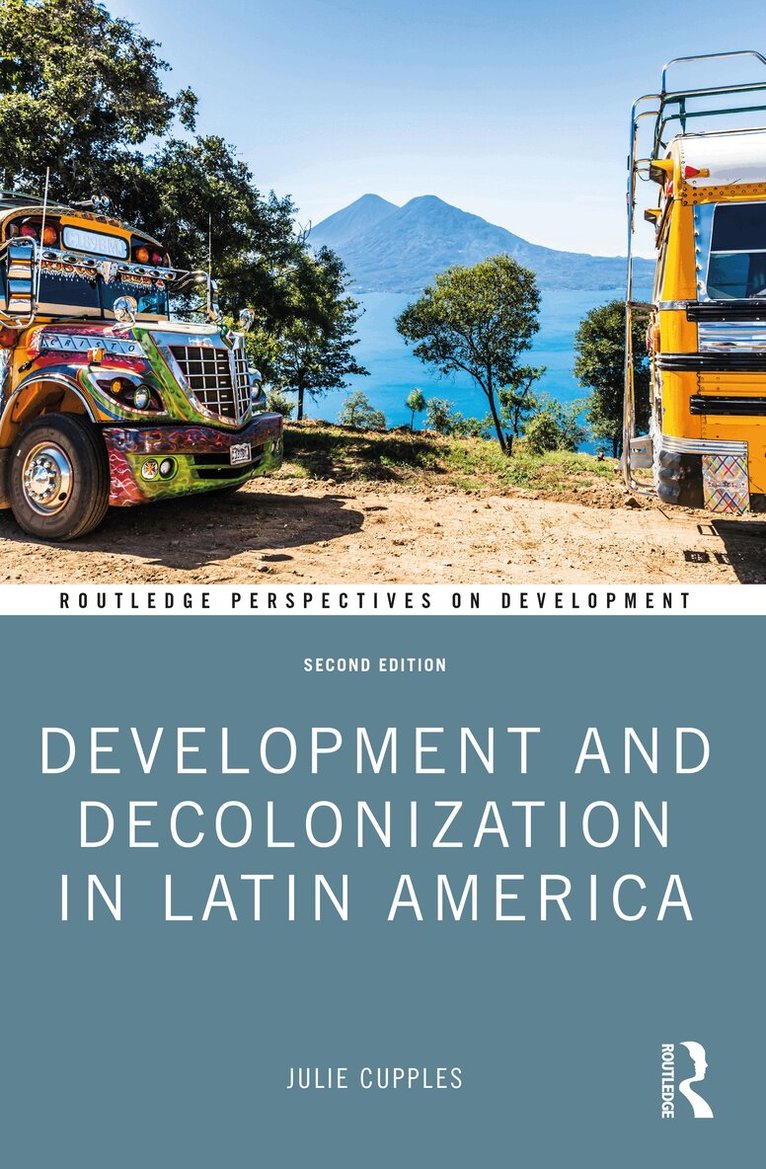
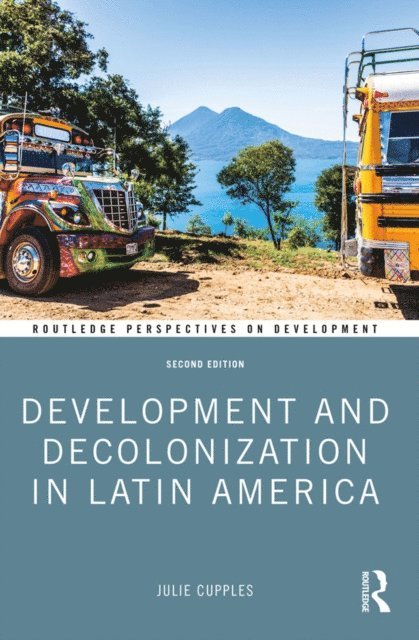
Written in an accessible language, this book is a fully updated and revised edition of Latin American Development, a text that provides a comprehensive introduction to Latin American development in the twenty-first century and is anchored in decolonial theory and other critical approaches. This new edition has been revised and updated in a way that takes into account recent changes in political leadership, the retreat of the Pink Tide, the Colombian peace accords, new forms of political and territorial mobilization, the intensification of extractivism, murders of environmental defenders, major disasters, and the new contours of feminist and anti-patriarchal struggles. It features new chapters on decolonial theory, Latin America in the world, disastrous development, Afrodescendant struggles, and the Latin American city. The book emphasizes political, economic, social, cultural, and environmental dimensions of development and considers key challenges facing the region and the diverse ways in which its people are responding, as well as providing analysis of the ways in which such challenges and responses can be theorized. It explores the region’s historical trajectories, the implementation and rejection of the neoliberal model, and the role played by diverse social movements. It is an indispensable resource for students and university lecturers and professors in development studies, Latin American studies, geography, anthropology, sociology, political science, economics, and cultural studies. In addition, it provides an invaluable introduction to the region for journalists and development practitioners.
Häftad, Engelska, 2021
543 kr
Skickas inom 10-15 vardagar
Written in an accessible language, this book is a fully updated and revised edition of Latin American Development, a text that provides a comprehensive introduction to Latin American development in the twenty-first century and is anchored in decolonial theory and other critical approaches. This new edition has been revised and updated in a way that takes into account recent changes in political leadership, the retreat of the Pink Tide, the Colombian peace accords, new forms of political and territorial mobilization, the intensification of extractivism, murders of environmental defenders, major disasters, and the new contours of feminist and anti-patriarchal struggles. It features new chapters on decolonial theory, Latin America in the world, disastrous development, Afrodescendant struggles, and the Latin American city. The book emphasizes political, economic, social, cultural, and environmental dimensions of development and considers key challenges facing the region and the diverse ways in which its people are responding, as well as providing analysis of the ways in which such challenges and responses can be theorized. It explores the region’s historical trajectories, the implementation and rejection of the neoliberal model, and the role played by diverse social movements. It is an indispensable resource for students and university lecturers and professors in development studies, Latin American studies, geography, anthropology, sociology, political science, economics, and cultural studies. In addition, it provides an invaluable introduction to the region for journalists and development practitioners.
Häftad, Engelska, 2020
681 kr
Skickas inom 10-15 vardagar
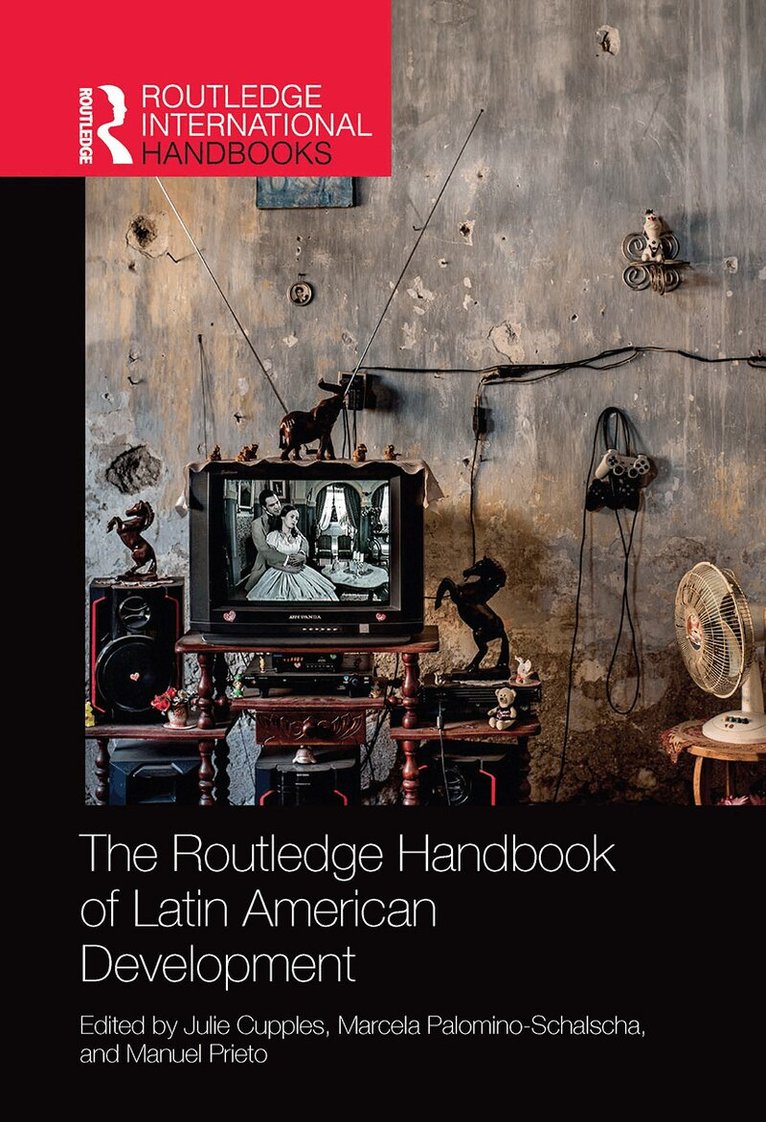
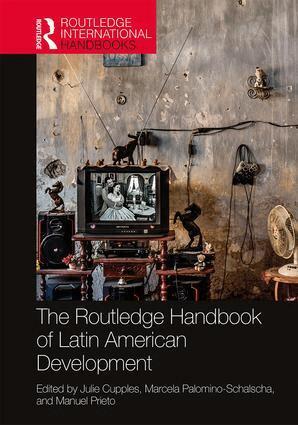
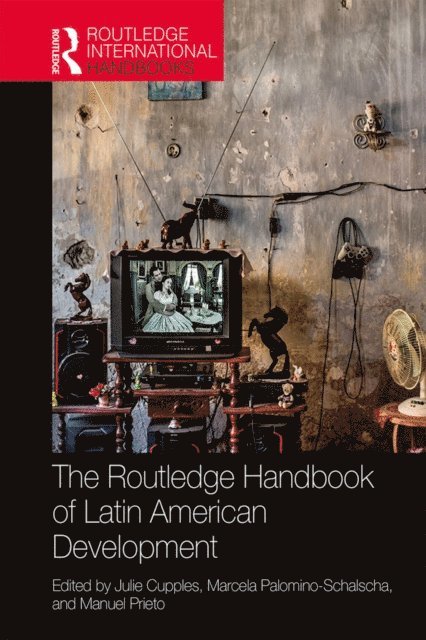
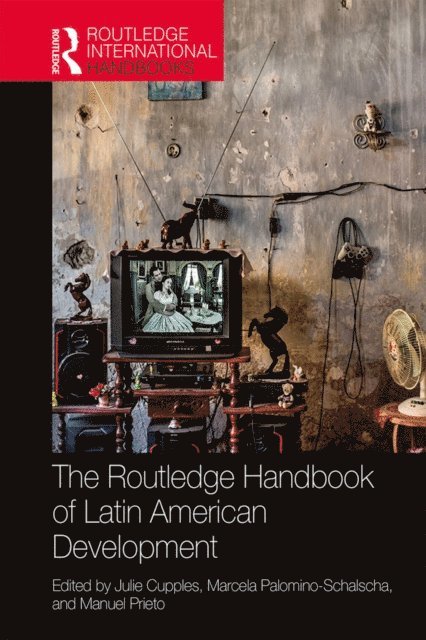
The Routledge Handbook of Latin American Development seeks to engage with comprehensive, contemporary, and critical theoretical debates on Latin American development. The volume draws on contributions from across the humanities and social sciences and, unlike earlier volumes of this kind, explicitly highlights the disruptions to the field being brought by a range of anti-capitalist, decolonial, feminist, and ontological intellectual contributions.The chapters consider in depth the harms and suffering caused by various oppressive forces, as well as the creative and often revolutionary ways in which ordinary Latin Americans resist, fight back, and work to construct development defined broadly as the struggle for a better and more dignified life. The book covers many key themes including development policy and practice; neoliberalism and its aftermath; the role played by social movements in cities and rural areas; the politics of water, oil, and other environmental resources; indigenous and Afro-descendant rights; and the struggles for gender equality.With contributions from authors working in Latin America, the US and Canada, Europe, and New Zealand at a range of universities and other organizations, the handbook is an invaluable resource for students and teachers in development studies, Latin American studies, cultural studies, human geography, anthropology, sociology, political science, and economics, as well as for activists and development practitioners.
Inbunden, Engelska, 2018
3 238 kr
Skickas inom 10-15 vardagar
The Routledge Handbook of Latin American Development seeks to engage with comprehensive, contemporary, and critical theoretical debates on Latin American development. The volume draws on contributions from across the humanities and social sciences and, unlike earlier volumes of this kind, explicitly highlights the disruptions to the field being brought by a range of anti-capitalist, decolonial, feminist, and ontological intellectual contributions.The chapters consider in depth the harms and suffering caused by various oppressive forces, as well as the creative and often revolutionary ways in which ordinary Latin Americans resist, fight back, and work to construct development defined broadly as the struggle for a better and more dignified life. The book covers many key themes including development policy and practice; neoliberalism and its aftermath; the role played by social movements in cities and rural areas; the politics of water, oil, and other environmental resources; indigenous and Afro-descendant rights; and the struggles for gender equality.With contributions from authors working in Latin America, the US and Canada, Europe, and New Zealand at a range of universities and other organizations, the handbook is an invaluable resource for students and teachers in development studies, Latin American studies, cultural studies, human geography, anthropology, sociology, political science, and economics, as well as for activists and development practitioners.
Inbunden, Engelska, 2018
2 138 kr
Skickas inom 10-15 vardagar
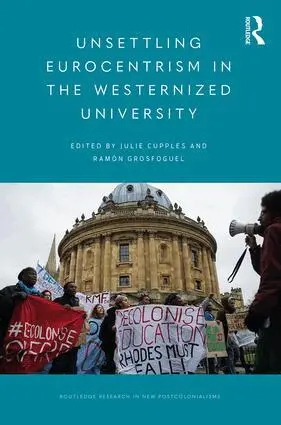
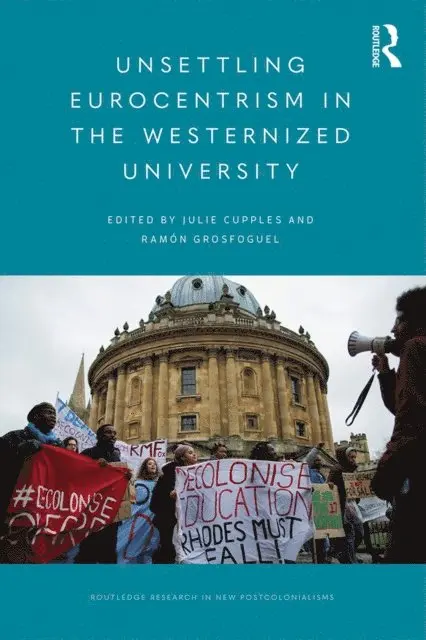
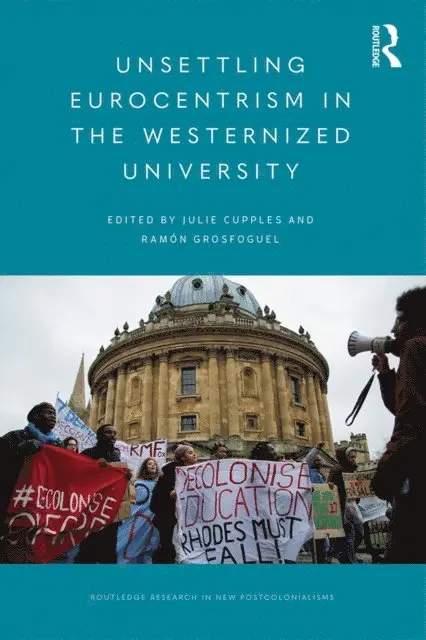
The westernized university is a site where the production of knowledge is embedded in Eurocentric epistemologies that are posited as objective, disembodied and universal and in which non-Eurocentric knowledges, such as black and indigenous ones, are largely marginalized or dismissed. Consequently, it is an institution that produces racism, sexism and epistemic violence. While this is increasingly being challenged by student activists and some faculty, the westernized university continues to engage in diversity and internationalization initiatives that reproduce structural disadvantages and to work within neoliberal agendas that are incompatible with decolonization.This book draws on decolonial theory to explore the ways in which Eurocentrism in the westernized university is both reproduced and unsettled. It outlines some of the challenges that accompany the decolonization of teaching, learning, research and policy, as well as providing examples of successful decolonial moments and processes. It draws on examples from universities in Europe, New Zealand and the Americas. This book represents a highly timely contribution from both early career and established thinkers in the field. Its themes will be of interest to student activists and to academics and scholars who are seeking to decolonize their research and teaching. It constitutes a decolonizing intervention into the crisis in which the westernized university finds itself.
Häftad, Engelska, 2018
681 kr
Skickas inom 10-15 vardagar
The westernized university is a site where the production of knowledge is embedded in Eurocentric epistemologies that are posited as objective, disembodied and universal and in which non-Eurocentric knowledges, such as black and indigenous ones, are largely marginalized or dismissed. Consequently, it is an institution that produces racism, sexism and epistemic violence. While this is increasingly being challenged by student activists and some faculty, the westernized university continues to engage in diversity and internationalization initiatives that reproduce structural disadvantages and to work within neoliberal agendas that are incompatible with decolonization.This book draws on decolonial theory to explore the ways in which Eurocentrism in the westernized university is both reproduced and unsettled. It outlines some of the challenges that accompany the decolonization of teaching, learning, research and policy, as well as providing examples of successful decolonial moments and processes. It draws on examples from universities in Europe, New Zealand and the Americas. This book represents a highly timely contribution from both early career and established thinkers in the field. Its themes will be of interest to student activists and to academics and scholars who are seeking to decolonize their research and teaching. It constitutes a decolonizing intervention into the crisis in which the westernized university finds itself.
Häftad, Engelska, 2018
681 kr
Skickas inom 10-15 vardagar
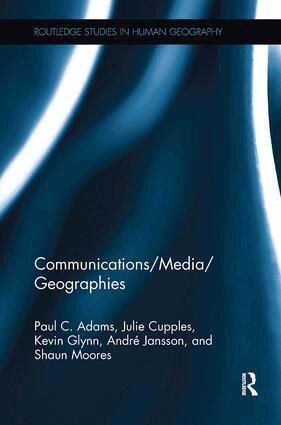
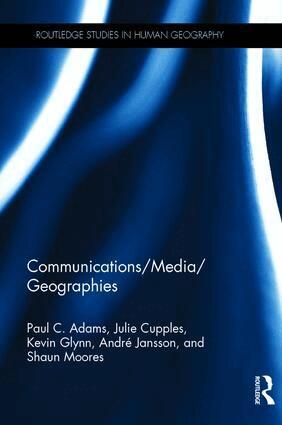
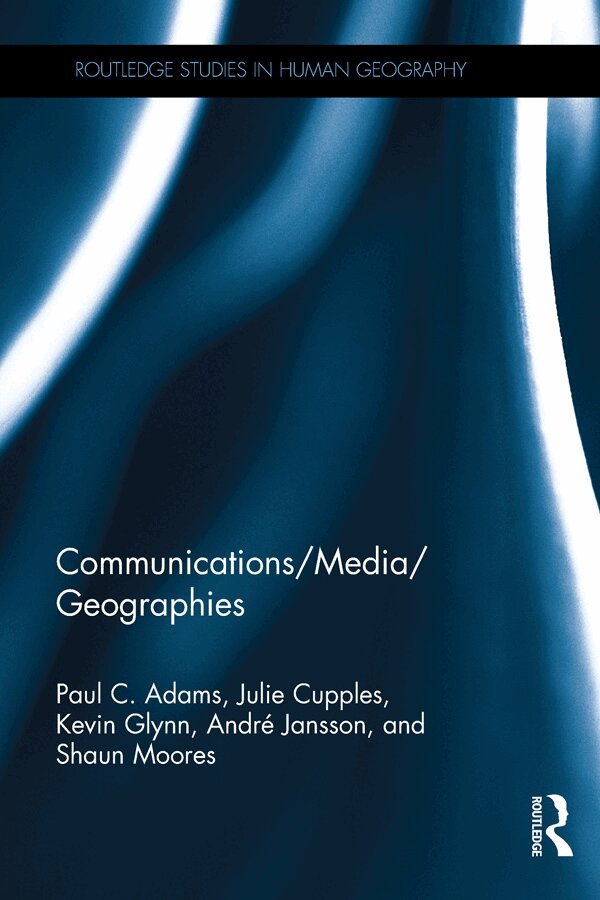
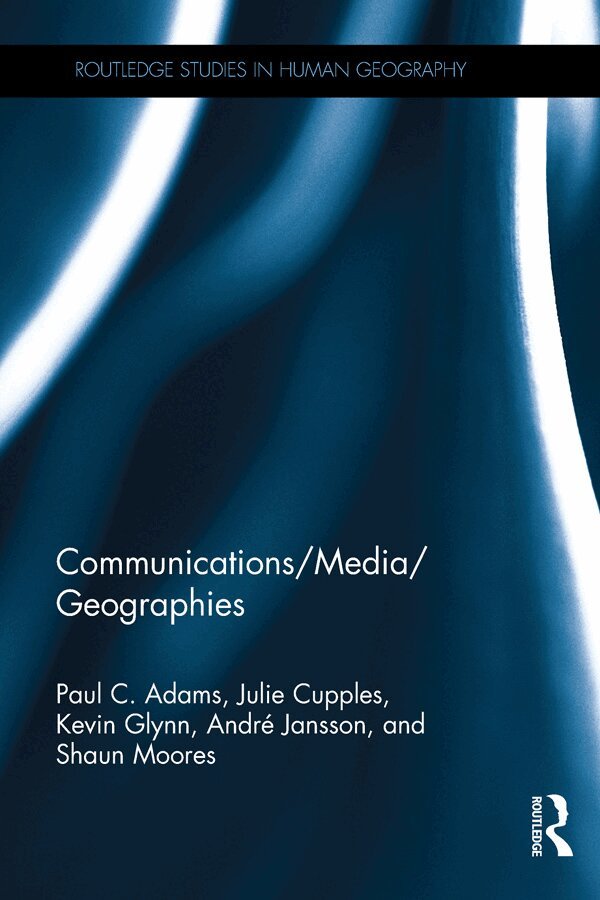
Although there are human geographers who have previously written on matters of media and communication, and those in media and communication studies who have previously written on geographical issues, this is the first book-length dialogue in which experienced theorists and researchers from these different fields address each other directly and engage in conversation across traditional academic boundaries. The result is a compelling discussion, with the authors setting out statements of their positions before responding to the arguments made by others.One significant aspect of this discussion is a spirited debate about the sort of interdisciplinary area that might emerge as a focus for future work. Does the already-established idea of communication geography offer the best way forward? If so, what would applied or critical forms of communication geography be concerned to do? Could communication geography benefit from the sorts of conjunctural analysis that have been developed in contemporary cultural studies? Might a further way forward be to imagine an interdisciplinary field of everyday-life studies, which would draw critically on non-representational theories of practice and movement?Readers of Communications/Media/Geographies are invited to join the debate, thinking through such questions for themselves, and the themes that are explored in this book (for example, of space, place, meaning, power, and ethics) will be of interest not only to academics in human geography and in media and communication studies, but also to a wider range of scholars from across the humanities and social sciences.
Inbunden, Engelska, 2016
2 207 kr
Skickas inom 10-15 vardagar
Although there are human geographers who have previously written on matters of media and communication, and those in media and communication studies who have previously written on geographical issues, this is the first book-length dialogue in which experienced theorists and researchers from these different fields address each other directly and engage in conversation across traditional academic boundaries. The result is a compelling discussion, with the authors setting out statements of their positions before responding to the arguments made by others.One significant aspect of this discussion is a spirited debate about the sort of interdisciplinary area that might emerge as a focus for future work. Does the already-established idea of communication geography offer the best way forward? If so, what would applied or critical forms of communication geography be concerned to do? Could communication geography benefit from the sorts of conjunctural analysis that have been developed in contemporary cultural studies? Might a further way forward be to imagine an interdisciplinary field of everyday-life studies, which would draw critically on non-representational theories of practice and movement?Readers of Communications/Media/Geographies are invited to join the debate, thinking through such questions for themselves, and the themes that are explored in this book (for example, of space, place, meaning, power, and ethics) will be of interest not only to academics in human geography and in media and communication studies, but also to a wider range of scholars from across the humanities and social sciences.
Inbunden, Engelska, 2019
1 630 kr
Skickas inom 10-15 vardagar
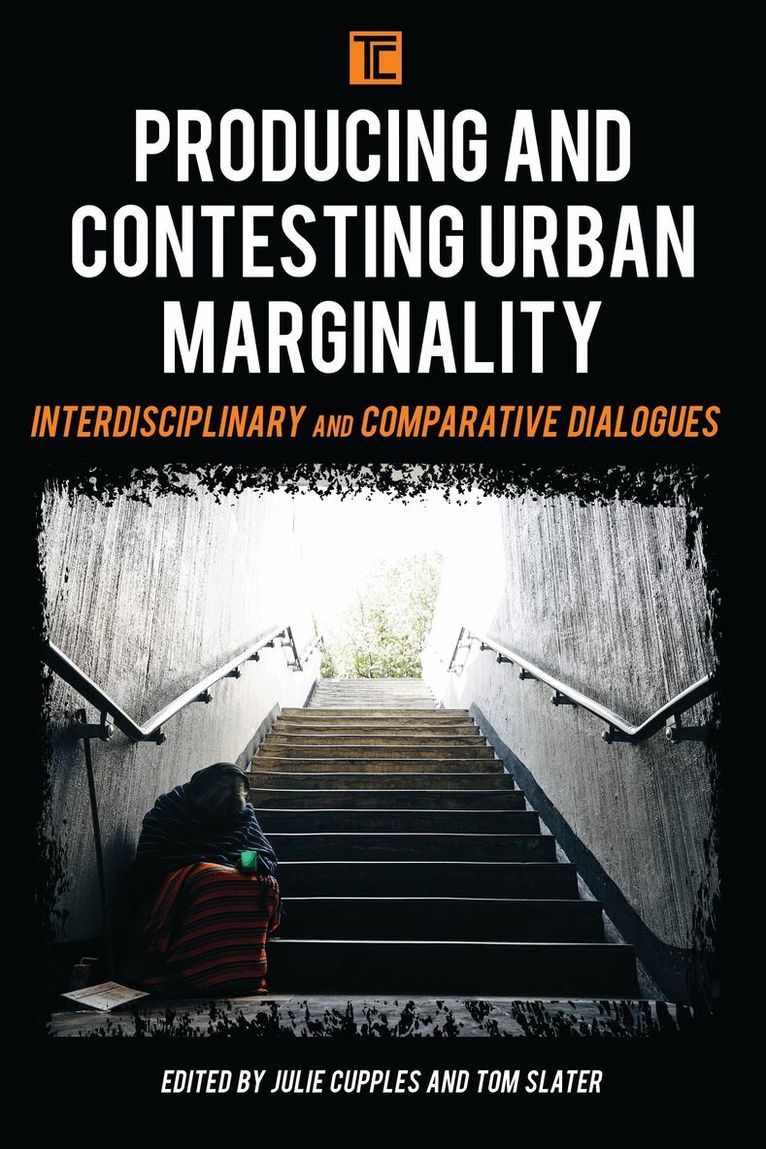
In Mexico City, as in many other large cities worldwide, contemporary modes of urban governance have overwhelmingly benefited affluent populations and widened social inequalities. Disinvestment from social housing and rent-seeking developments by real estate companies and land speculators have resulted in the displacement of low-income populations to the urban periphery. Public social spaces have been eliminated to make way for luxury apartments and business interests. Low-income neighbourhoods are often stigmatized by dominant social forces to justify their demolition. The urban poor have however negotiated and resisted these developments in a range of ways. This text explores these urban dynamics in Mexico City and beyond, looking at the material and symbolic mechanisms through which urban marginality is produced and contested. It seeks to understand how things might be otherwise, how the city might be geared towards more inclusive forms of belonging and citizenship.
Häftad, Engelska, 2019
575 kr
Skickas inom 10-15 vardagar
In Mexico City, as in many other large cities worldwide, contemporary modes of urban governance have overwhelmingly benefited affluent populations and widened social inequalities. Disinvestment from social housing and rent-seeking developments by real estate companies and land speculators have resulted in the displacement of low-income populations to the urban periphery. Public social spaces have been eliminated to make way for luxury apartments and business interests. Low-income neighbourhoods are often stigmatized by dominant social forces to justify their demolition. The urban poor have however negotiated and resisted these developments in a range of ways. This text explores these urban dynamics in Mexico City and beyond, looking at the material and symbolic mechanisms through which urban marginality is produced and contested. It seeks to understand how things might be otherwise, how the city might be geared towards more inclusive forms of belonging and citizenship.
Häftad, Engelska, 2024
421 kr
Skickas inom 5-8 vardagar
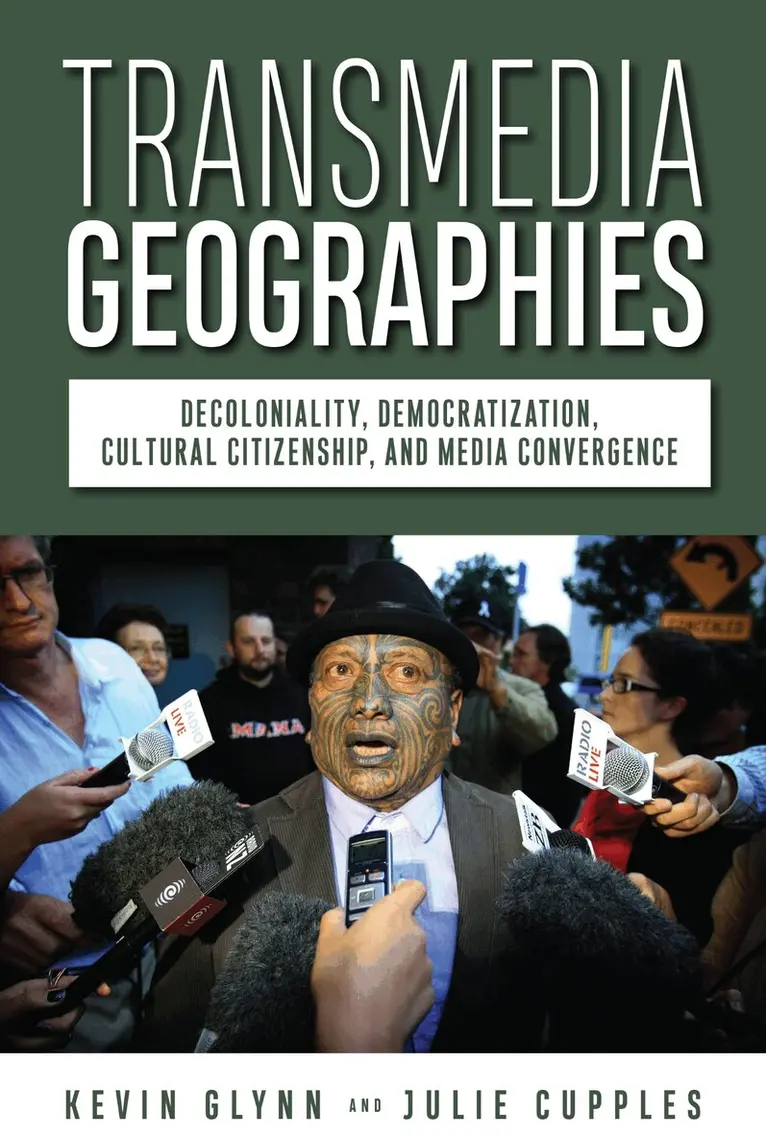
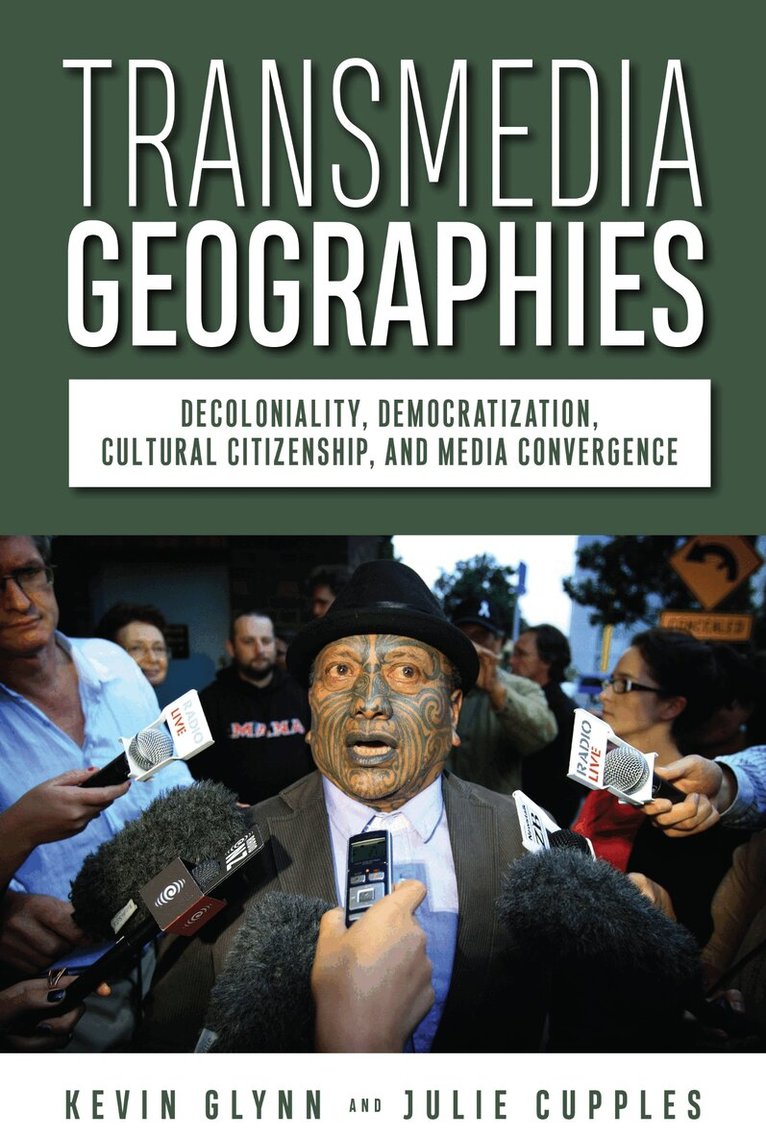
Looking at the US, New Zealand, and Central America, this book considers how cultural politics has been deeply reworked in our contemporary media environment. The authors analyze how rampant technological convergence has allowed stories to spill across media platforms as well as geographical borders and how those stories reemerge as transmediated events. The authors explore the cultural politics that have developed within this new media environment by moving across the mediated landscapes of the first, third, and fourth (Indigenous people’s) worlds, which are deeply intertwined and interconnected under contemporary conditions of neoliberal globalization and emergent regimes of authoritarian postdemocracy. The book attends both to the platforms and digital networks of the new media environment and to the cultural forms and practices that have constituted television as the dominant medium of communication throughout the second half of the twentieth century. In the new media environment, transmediation works on behalf not only of those corporate megaconglomerates that have become all too familiar to media consumers around the world but also of many communities that have previously been excluded from access to the means of electronic textual production and circulation. For the latter, grassroots transmediation has become an important technique for the production of cultural citizenship.
Inbunden, Engelska, 2024
1 287 kr
Skickas inom 5-8 vardagar
Looking at the US, New Zealand, and Central America, this book considers how cultural politics has been deeply reworked in our contemporary media environment. The authors analyze how rampant technological convergence has allowed stories to spill across media platforms as well as geographical borders and how those stories reemerge as transmediated events. The authors explore the cultural politics that have developed within this new media environment by moving across the mediated landscapes of the first, third, and fourth (Indigenous people’s) worlds, which are deeply intertwined and interconnected under contemporary conditions of neoliberal globalization and emergent regimes of authoritarian postdemocracy. The book attends both to the platforms and digital networks of the new media environment and to the cultural forms and practices that have constituted television as the dominant medium of communication throughout the second half of the twentieth century. In the new media environment, transmediation works on behalf not only of those corporate megaconglomerates that have become all too familiar to media consumers around the world but also of many communities that have previously been excluded from access to the means of electronic textual production and circulation. For the latter, grassroots transmediation has become an important technique for the production of cultural citizenship.
Häftad, Engelska, 2017
540 kr
Skickas inom 10-15 vardagar
This book explores the mediated struggles for autonomy, land rights and social justice in a context of growing authoritarianism and persistent coloniality in Nicaragua. To do so, it draws on in-depth fieldwork, analysis of media texts, and decolonial and other cultural theories. There are two main threats to the authoritarian rule of the Nicaraguan government led by Daniel Ortega: the first is the Managua-based NGO and civil society sector led largely by educated dissident Sandinistas, and the second is the escalating struggle for autonomy and land rights being fought by Nicaragua’s indigenous and Afro-descended inhabitants on the country’s Caribbean coast. In order to confront these threats and, it seems, secure indefinite political tenure, the government engages in a set of centralizing and anti-democratic political strategies characterized by secrecy, institutional power grabs, highly suspect electoral practices, clientelistic anti-poverty programmes, and the control through purchase or co-optation of much of the nation's media. The social movements that threaten Ortega’s rule are however operating through dispersed and topological modalities of power and the creative use of emergent spaces for the circulation of counter-discourses and counter-narratives within a rapidly transforming media environment. The primary response to these mediated tactics is a politics of silence and a refusal to acknowledge or respond to the political claims made by social movements. In the current conjuncture, the authors identify a struggle for hegemony whose strategies and tactics include the citizenship-stripping activities of the state and the citizenship-claiming activities of black, indigenous and dissident actors and activists. This struggle plays out in part through the mediated circulation and counter-circulation of discourses and the infrastructural dynamics of media convergence.
Häftad, Engelska, 2016
2 145 kr
Skickas inom 10-15 vardagar
This is the first comprehensive volume to explore and engage with current trends in Geographies of Media research. It reviews how conceptualizations of mediated geographies have evolved. Followed by an examination of diverse media contexts and locales, the book illustrates key issues through the integration of theoretical and empirical case studies, and reflects on the future challenges and opportunities faced by scholars in this field. The contributions by an international team of experts in the field, address theoretical perspectives on mediated geographies, methodological challenges and opportunities posed by geographies of media, the role and significance of different media forms and organizations in relation to socio-spatial relations, the dynamism of media in local-global relations, and in-depth case studies of mediated locales. Given the theoretical and methodological diversity of this book, it will provide an important reference for geographers and other interdisciplinary scholars working in cultural and media studies, researchers in environmental studies, sociology, visual anthropology, new technologies, and political science, who seek to understand and explore the interconnections of media, space and place through the examples of specific practices and settings.
Inbunden, Engelska, 2015
2 145 kr
Skickas inom 10-15 vardagar
This is the first comprehensive volume to explore and engage with current trends in Geographies of Media research. It reviews how conceptualizations of mediated geographies have evolved. Followed by an examination of diverse media contexts and locales, the book illustrates key issues through the integration of theoretical and empirical case studies, and reflects on the future challenges and opportunities faced by scholars in this field. The contributions by an international team of experts in the field, address theoretical perspectives on mediated geographies, methodological challenges and opportunities posed by geographies of media, the role and significance of different media forms and organizations in relation to socio-spatial relations, the dynamism of media in local-global relations, and in-depth case studies of mediated locales. Given the theoretical and methodological diversity of this book, it will provide an important reference for geographers and other interdisciplinary scholars working in cultural and media studies, researchers in environmental studies, sociology, visual anthropology, new technologies, and political science, who seek to understand and explore the interconnections of media, space and place through the examples of specific practices and settings.