Julie Glowacki – författare
Visar alla böcker från författaren Julie Glowacki. Handla med fri frakt och snabb leverans.
4 produkter
4 produkter
E-bok
PDF, Engelska, 19992 037 kr
Läs direkt efter köp
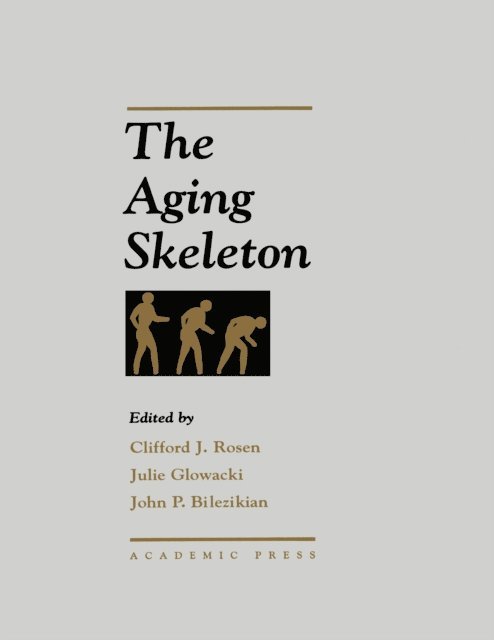
The Aging Skeleton is a comprehensive and timely book on all aspects of the skeleton as it ages, including basic mechanisms and pathways as well as pathobiology. Chapters cover general aspects and models of aging, determinants and maintenance of peak bone mass, mechanisms of age-related bone loss, quantifiable manifestations of age-related bone loss, fractures, and therapeutics.- Covers all aspects of the aging skeleton in one comprehensive volume- Looks at the influence of genetics, nutrition, environment, hormones, and other factors on bone mass- Provides a thorough discussion of fractures, one of the major consequences of the aging skeleton- Reviews current therapeutic approaches and methods- Written by internationally renowned authors and edited by leaders in the field- Is the only book available on this subject
Inbunden, Engelska, 1999
1 958 kr
Skickas inom 10-15 vardagar
The Aging Skeleton is a comprehensive and timely book on all aspects of the skeleton as it ages, including basic mechanisms and pathways as well as pathobiology. Chapters cover general aspects and models of aging, determinants and maintenance of peak bone mass, mechanisms of age-related bone loss, quantifiable manifestations of age-related bone loss, fractures, and therapeutics. Covers all aspects of the aging skeleton in one comprehensive volume Looks at the influence of genetics, nutrition, environment, hormones, and other factors on bone mass Provides a thorough discussion of fractures, one of the major consequences of the aging skeleton Reviews current therapeutic approaches and methods Written by internationally renowned authors and edited by leaders in the field Is the only book available on this subject
Häftad, Engelska, 2011
395 kr
Skickas inom 10-15 vardagar
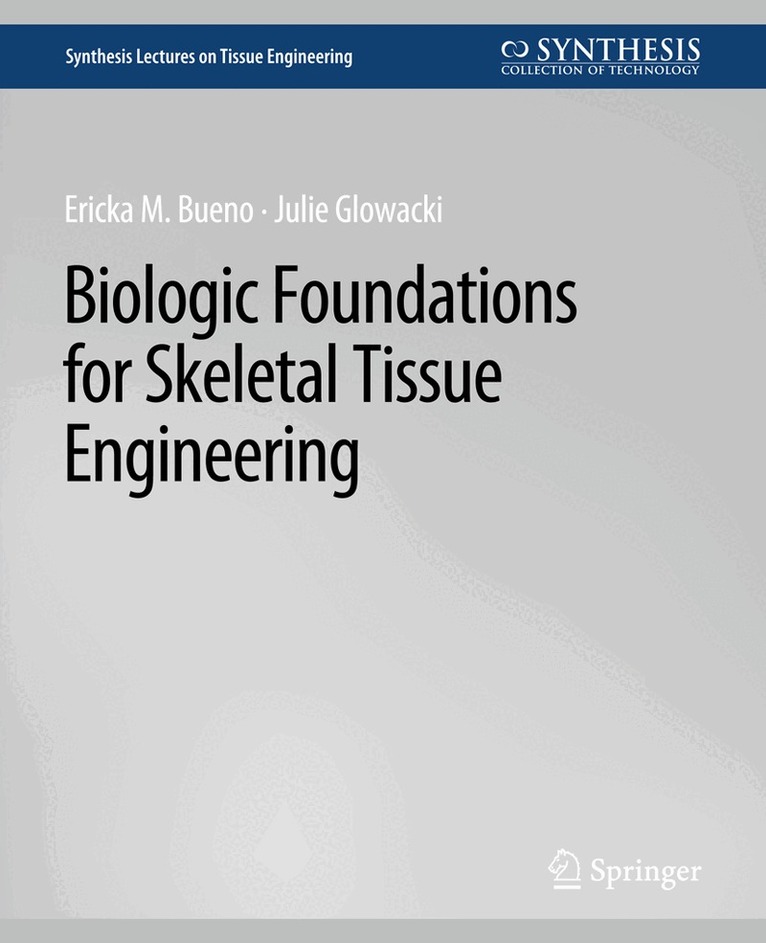
Tissue engineering research for bone and joint applications entails multidisciplinary teams bringing together the needed expertise in anatomy, biology, biochemistry, pathophysiology, materials science, biomechanics, fluidics, and clinical and veterinary orthopedics. It is the goal of this volume to provide students and investigators who are entering this exciting area with an understanding of the biologic foundations necessary to appreciate the problems in bone and cartilage that may benefit from innovative tissue engineering approaches. This volume includes state-of-the-art information about bone and cartilage physiology at the levels of cell and molecular biology, tissue structure, developmental processes, their metabolic and structural functions, responses to injury, mechanisms of post-natal healing and graft incorporation, the many congenital and acquired disorders, effects of aging, and current clinical standards of care. It reviews the strengths and limitations of various experimental animal models, sources of cells, composition and design of scaffolds, activities of growth factors and genes to enhance histogenesis, and the need for new materials in the context of cell-based and cell-free tissue engineering. These building blocks constitute the dynamic environments in which innovative approaches are needed for addressing debilitating disorders of the skeleton. It is likely that a single tactic will not be sufficient for different applications because of variations in the systemic and local environments. The realizations that tissue regeneration is complex and dynamic underscore the continuing need for innovative multidisciplinary investigations, with an eye to simple and safe therapies for disabled patients.Table of Contents: Introduction / Structure and Function of Bone and Cartilage Tissue / Development / Responses to Injury and Grafting / Clinical Applications for Skeletal Tissue Engineering / Animal Models / Tissue Engineering Principles for Bone and Cartilage / Perspectives
E-bok
PDF, Engelska, 2022489 kr
Läs direkt efter köp
Tissue engineering research for bone and joint applications entails multidisciplinary teams bringing together the needed expertise in anatomy, biology, biochemistry, pathophysiology, materials science, biomechanics, fluidics, and clinical and veterinary orthopedics. It is the goal of this volume to provide students and investigators who are entering this exciting area with an understanding of the biologic foundations necessary to appreciate the problems in bone and cartilage that may benefit from innovative tissue engineering approaches. This volume includes state-of-the-art information about bone and cartilage physiology at the levels of cell and molecular biology, tissue structure, developmental processes, their metabolic and structural functions, responses to injury, mechanisms of post-natal healing and graft incorporation, the many congenital and acquired disorders, effects of aging, and current clinical standards of care. It reviews the strengths and limitations of various experimental animal models, sources of cells, composition and design of scaffolds, activities of growth factors and genes to enhance histogenesis, and the need for new materials in the context of cell-based and cell-free tissue engineering. These building blocks constitute the dynamic environments in which innovative approaches are needed for addressing debilitating disorders of the skeleton. It is likely that a single tactic will not be sufficient for different applications because of variations in the systemic and local environments. The realizations that tissue regeneration is complex and dynamic underscore the continuing need for innovative multidisciplinary investigations, with an eye to simple and safe therapies for disabled patients.Table of Contents: Introduction / Structure and Function of Bone and Cartilage Tissue / Development / Responses to Injury and Grafting / Clinical Applications for Skeletal Tissue Engineering / Animal Models / Tissue Engineering Principles for Bone and Cartilage / Perspectives