Julien Benda – författare
Visar alla böcker från författaren Julien Benda. Handla med fri frakt och snabb leverans.
17 produkter
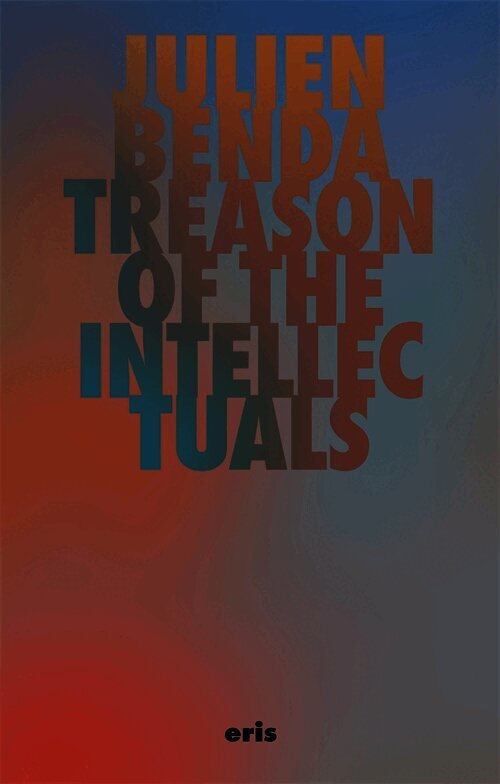
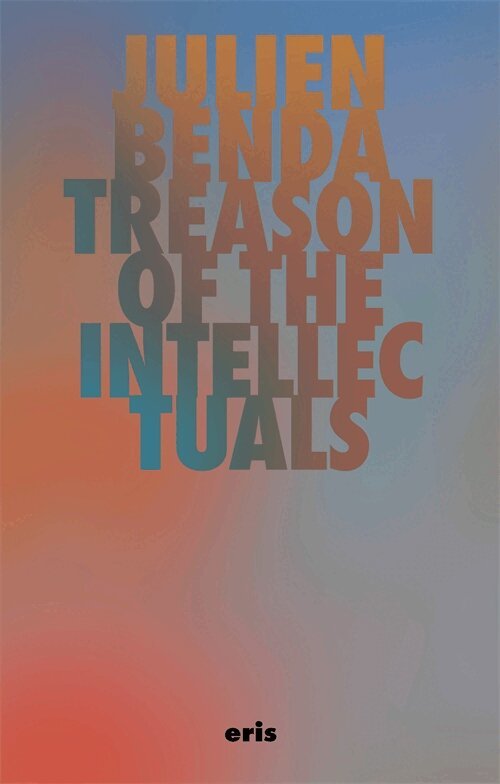
Treason of the Intellectuals
Av Julien Benda
Häftad, 2021
220 kr
Lägg i varukorg
In an era when intellectual and artistic life is increasingly being distorted by political dogmatism, Julien Benda’s Treason of the Intellectuals is a classic that speaks with a new and extraordinary urgency. Benda’s essay, published by ERIS in a new translation by David Broder, offers an incisive …
vie de Rancé. Introduction et Notes de Julien Benda
Av François-René Chateaubriand, Julien Benda
Inbunden, 2022
459 kr
Lägg i varukorg
vie de Rancé. Introduction et Notes de Julien Benda
Av François-René Chateaubriand, Julien Benda
Häftad, 2022
328 kr
Lägg i varukorg
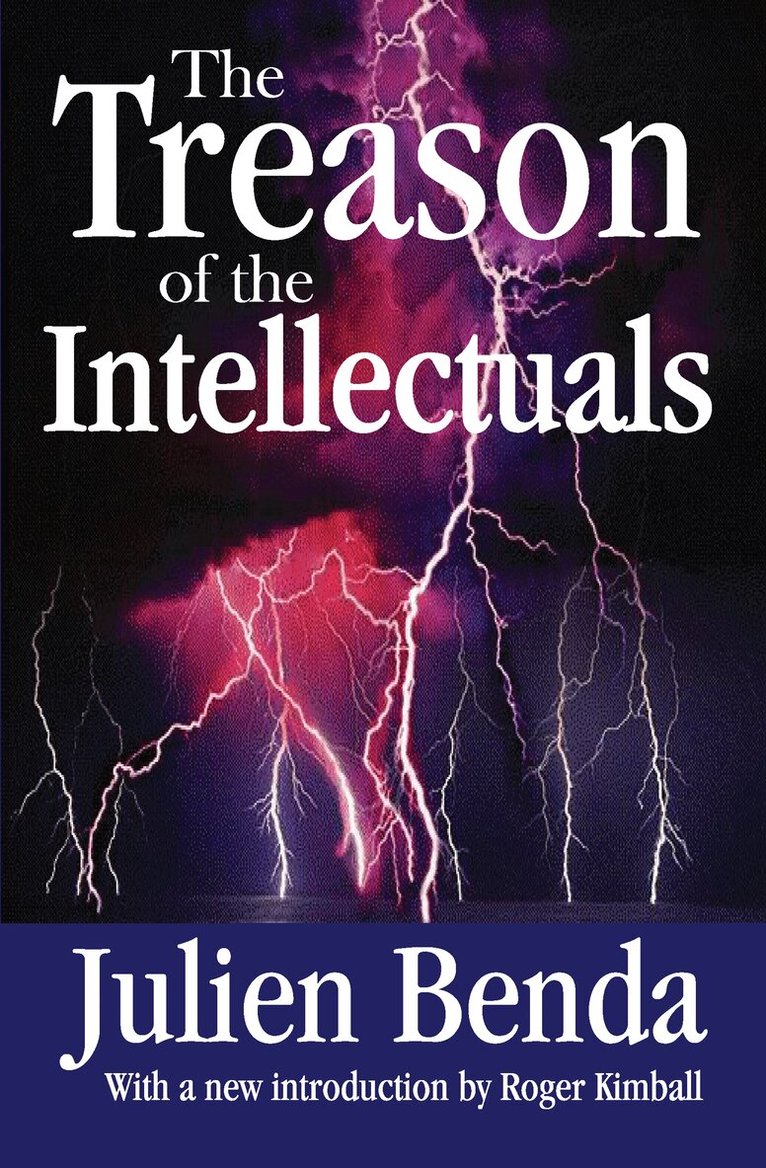
Treason of the Intellectuals
Av Julien Benda, Roger Kimball
Inbunden, 2017
2760 kr
Lägg i varukorg
Julien Benda's classic study of 1920s Europe resonates today. The "treason of the intellectuals" is a phrase that evokes much but is inherently ambiguous. The book bearing this title is well known but little understood. This edition is introduced by Roger Kimball.From the time of the pre-Socratics, …
Treason of the Intellectuals
Av Roger Kimball, Julien Benda
E-bok, 2017
779 kr
Lägg i varukorg
Julien Benda''s classic study of 1920s Europe resonates today. The "treason of the intellectuals" is a phrase that evokes much but is inherently ambiguous. The book bearing this title is well known but little understood. This edition is introduced by Roger Kimball. From the time of the …
Treason of the Intellectuals
Av Roger Kimball, Julien Benda
E-bok, 2017
779 kr
Lägg i varukorg
Julien Benda''s classic study of 1920s Europe resonates today. The "treason of the intellectuals" is a phrase that evokes much but is inherently ambiguous. The book bearing this title is well known but little understood. This edition is introduced by Roger Kimball. From the time of the …
Treason of the Intellectuals
Av Julien Benda, Roger Kimball
Häftad, 2006
754 kr
Lägg i varukorg
Julien Benda's classic study of 1920s Europe resonates today. The "treason of the intellectuals" is a phrase that evokes much but is inherently ambiguous. The book bearing this title is well known but little understood. This edition is introduced by Roger Kimball.From the time of the pre-Socratics, …