Juliet Pietsch – författare
827 kr
Skickas inom 10-15 vardagar
346 kr
Skickas inom 10-15 vardagar
239 kr
Skickas inom 7-10 vardagar
285 kr
Läs direkt efter köp
285 kr
Läs direkt efter köp
604 kr
Skickas inom 10-15 vardagar
2 195 kr
Skickas inom 10-15 vardagar
755 kr
Skickas inom 10-15 vardagar
860 kr
Läs direkt efter köp
Despite the enthusiasm surrounding the Colour Revolutions and the Arab Spring, the world’s share of democracies has stagnated over the past 15 years. The steady rise of China, Russia, and Iran has also led to warnings of a resurgence of "authoritarian great powers", especially in light of the financial crisis centred in the USA and Western Europe. On the positive side, however, democracy remains remarkably popular as an ideal. In the Global barometer’s most recent survey, two out of three respondents say democracy is their most favoured political system, including a majority in 49 of the 55 countries. Yet there is evidence, much expanded upon in this edited collection, that commitments to liberal democracy in practice are not as strong. Nominally pro-democratic citizens frequently favour limitations on electoral accountability and individual rights in the service of improved governance or economic growth. Further, there are rising concerns that many citizens, especially across the developing world, are turning away from democracy out of frustration with democratic performance. In contrast to many transitional regimes, the more established democracies appear to be losing support among their highly educated citizens. The contributions in this edited collection compare how democracy is understood and experienced in transitioning regimes and established democracies.
This book was published as a special issue of the Journal of Elections, Public Opinion and Parties.
860 kr
Läs direkt efter köp
Despite the enthusiasm surrounding the Colour Revolutions and the Arab Spring, the world’s share of democracies has stagnated over the past 15 years. The steady rise of China, Russia, and Iran has also led to warnings of a resurgence of "authoritarian great powers", especially in light of the financial crisis centred in the USA and Western Europe. On the positive side, however, democracy remains remarkably popular as an ideal. In the Global barometer’s most recent survey, two out of three respondents say democracy is their most favoured political system, including a majority in 49 of the 55 countries. Yet there is evidence, much expanded upon in this edited collection, that commitments to liberal democracy in practice are not as strong. Nominally pro-democratic citizens frequently favour limitations on electoral accountability and individual rights in the service of improved governance or economic growth. Further, there are rising concerns that many citizens, especially across the developing world, are turning away from democracy out of frustration with democratic performance. In contrast to many transitional regimes, the more established democracies appear to be losing support among their highly educated citizens. The contributions in this edited collection compare how democracy is understood and experienced in transitioning regimes and established democracies.
This book was published as a special issue of the Journal of Elections, Public Opinion and Parties.
464 kr
Läs direkt efter köp
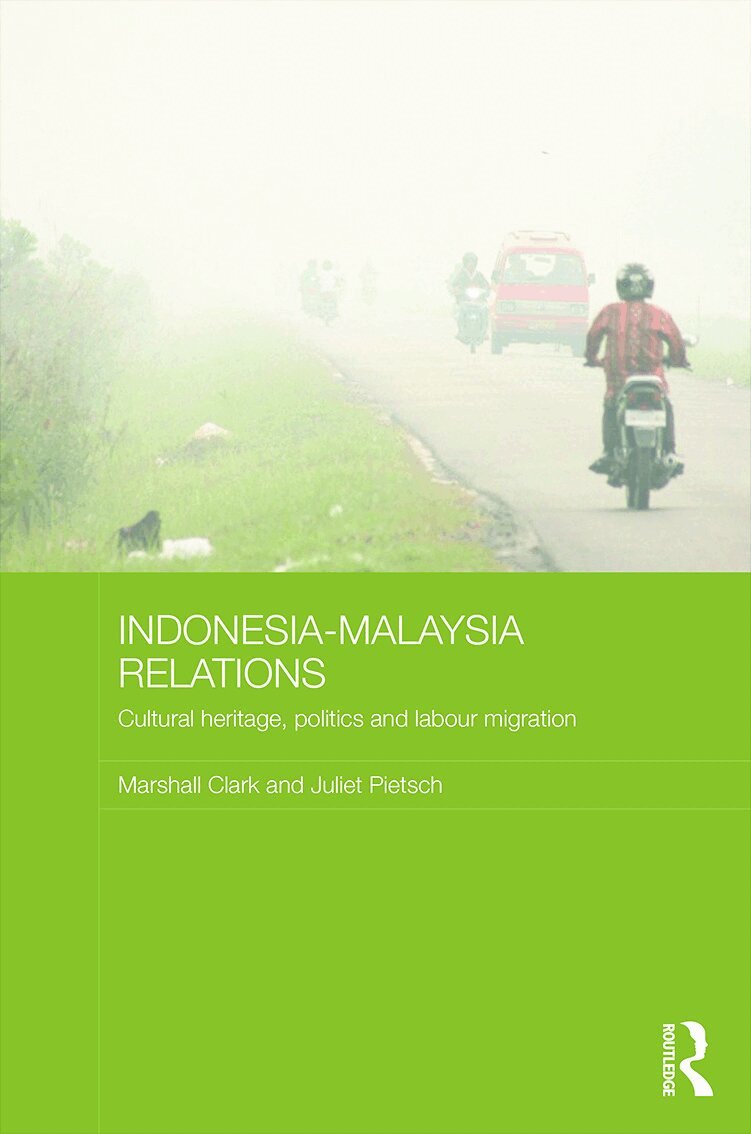
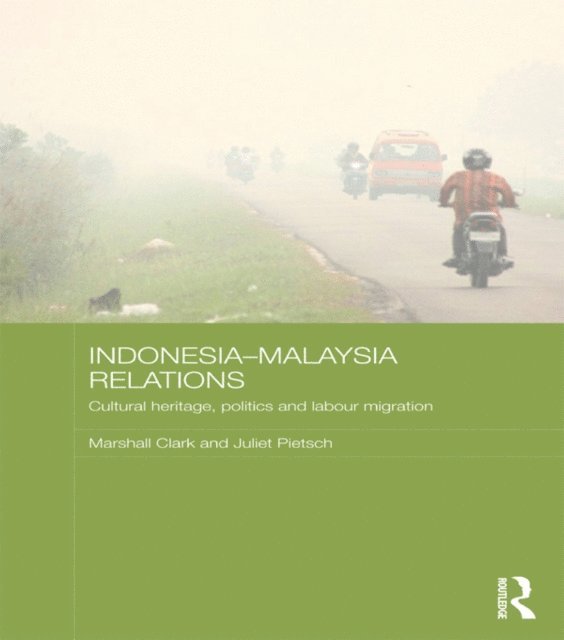
Drawing on social media, cinema, cultural heritage and public opinion polls, this book examines Indonesia and Malaysia from a comparative postcolonial perspective. The Indonesia–Malaysia relationship is one of the most important bilateral relationships in Southeast Asia, especially because Indonesia, the world’s fourth most populous country and third largest democracy, is the most populous and powerful nation in the region. Both states are committed to the relationship, especially at the highest levels of government, and much has been made of their ‘sibling’ identity. The relationship is built on years of interaction at all levels of state and society, and both countries draw on their common culture, religion and language in managing political tensions. In recent years, however, several issues have seriously strained the once cordial bilateral relationship. Among these are a strong public reaction to maritime boundary disputes, claims over each country’s cultural forms, the treatment of Indonesian workers in Malaysia, and trans-border issues such as Indonesian forest fire haze. Comparing the two nations’ engagement with cultural heritage, religion, gender, ethnicity, citizenship, democracy and regionalism, this book highlights the social and historical roots of the tensions between Indonesia and Malaysia, as well as the enduring sense of kinship.
464 kr
Läs direkt efter köp
Drawing on social media, cinema, cultural heritage and public opinion polls, this book examines Indonesia and Malaysia from a comparative postcolonial perspective. The Indonesia–Malaysia relationship is one of the most important bilateral relationships in Southeast Asia, especially because Indonesia, the world’s fourth most populous country and third largest democracy, is the most populous and powerful nation in the region. Both states are committed to the relationship, especially at the highest levels of government, and much has been made of their ‘sibling’ identity. The relationship is built on years of interaction at all levels of state and society, and both countries draw on their common culture, religion and language in managing political tensions. In recent years, however, several issues have seriously strained the once cordial bilateral relationship. Among these are a strong public reaction to maritime boundary disputes, claims over each country’s cultural forms, the treatment of Indonesian workers in Malaysia, and trans-border issues such as Indonesian forest fire haze. Comparing the two nations’ engagement with cultural heritage, religion, gender, ethnicity, citizenship, democracy and regionalism, this book highlights the social and historical roots of the tensions between Indonesia and Malaysia, as well as the enduring sense of kinship.
706 kr
Skickas inom 5-8 vardagar
870 kr
Läs direkt efter köp
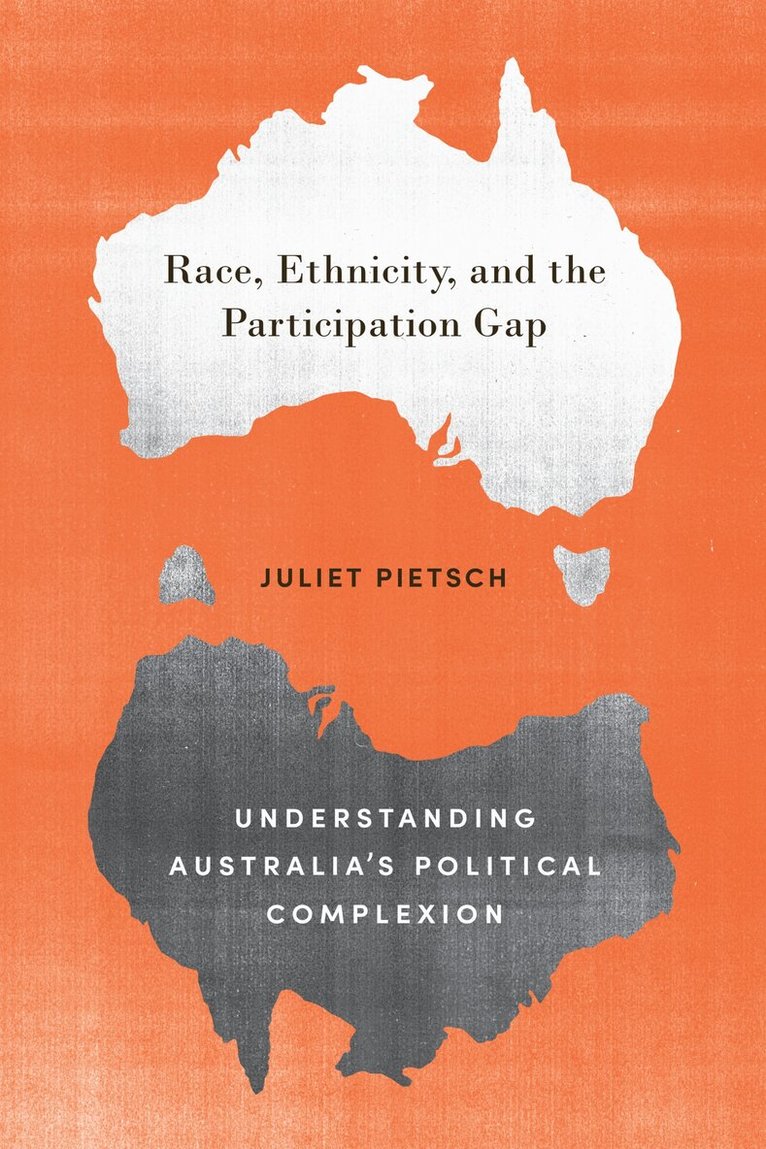
Race, Ethnicity, and the Participation Gap begins with the argument that political institutions in settler and culturally diverse societies such as Australia, the United States, and Canada should mirror their culturally diverse populations. Compared to the United States and Canada, however, Australia has very low rates of immigrant and ethnic minority political representation in the Commonwealth Parliament, particularly in the House of Representatives. The overall existence of racial hierarchies within formal political institutions represents an inconsistency with the democratic ideals of representation and accountability in pluralist societies.
Drawing on findings from the United States, Canada, and Australia, Juliet Pietsch reveals that the lack of political representation in Australia is significant when compared to the United States and Canada, revealing a serious democratic deficit. Her book is devoted to exploring this central puzzle: why is it that, despite having a similar history to other settler countries, Australia shows such comparatively low rates of political participation among its immigrant and ethnic minority populations from non-British and European backgrounds? In addressing this crucial question, Race, Ethnicity, and the Participation Gap examines the impact of Australia’s alternative path on the political representation of immigrants and ethnic minorities.
902 kr
Läs direkt efter köp
Race, Ethnicity, and the Participation Gap begins with the argument that political institutions in settler and culturally diverse societies such as Australia, the United States, and Canada should mirror their culturally diverse populations. Compared to the United States and Canada, however, Australia has very low rates of immigrant and ethnic minority political representation in the Commonwealth Parliament, particularly in the House of Representatives. The overall existence of racial hierarchies within formal political institutions represents an inconsistency with the democratic ideals of representation and accountability in pluralist societies.
Drawing on findings from the United States, Canada, and Australia, Juliet Pietsch reveals that the lack of political representation in Australia is significant when compared to the United States and Canada, revealing a serious democratic deficit. Her book is devoted to exploring this central puzzle: why is it that, despite having a similar history to other settler countries, Australia shows such comparatively low rates of political participation among its immigrant and ethnic minority populations from non-British and European backgrounds? In addressing this crucial question, Race, Ethnicity, and the Participation Gap examines the impact of Australia’s alternative path on the political representation of immigrants and ethnic minorities.
319 kr
Skickas inom 5-8 vardagar
1 842 kr
Skickas inom 10-15 vardagar