Justyna Wubs Mrozewicz – författare
Visar alla böcker från författaren Justyna Wubs Mrozewicz. Handla med fri frakt och snabb leverans.
8 produkter
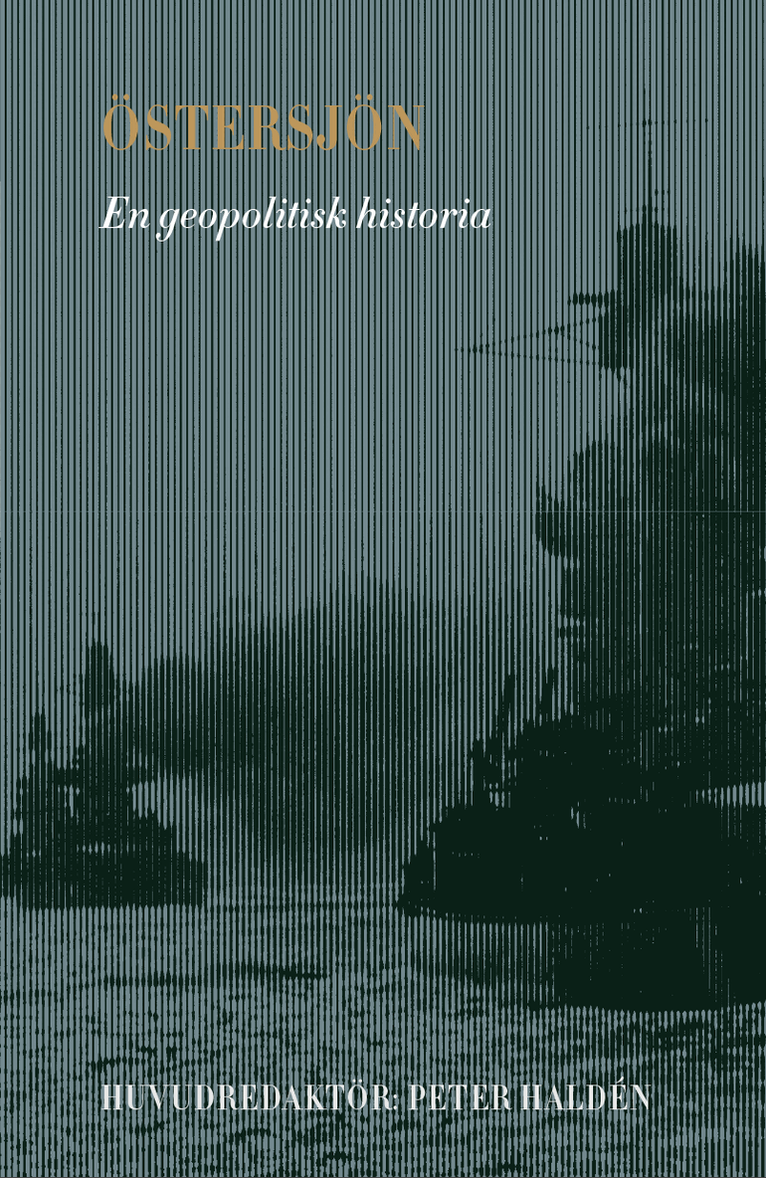
Östersjön : en geopolitisk historia
Av Tobias Boestad, Axel Boltenberg m. fl.
Inbunden, 2026
4,7 utav 5 stjärnor. Totalt antal röster: (3)
279 kr
Lägg i varukorg
Östersjön är mer än bara ett innanhav – det är en historisk geopolitisk skådeplats. Från vikingatidens sjöfart till dagens Natodominerade område har detta bräckta hav varit en livsnerv för folk och länder i norra Europa. Östersjön har fungerat som en knutpunkt för ekonomiska och politiska …
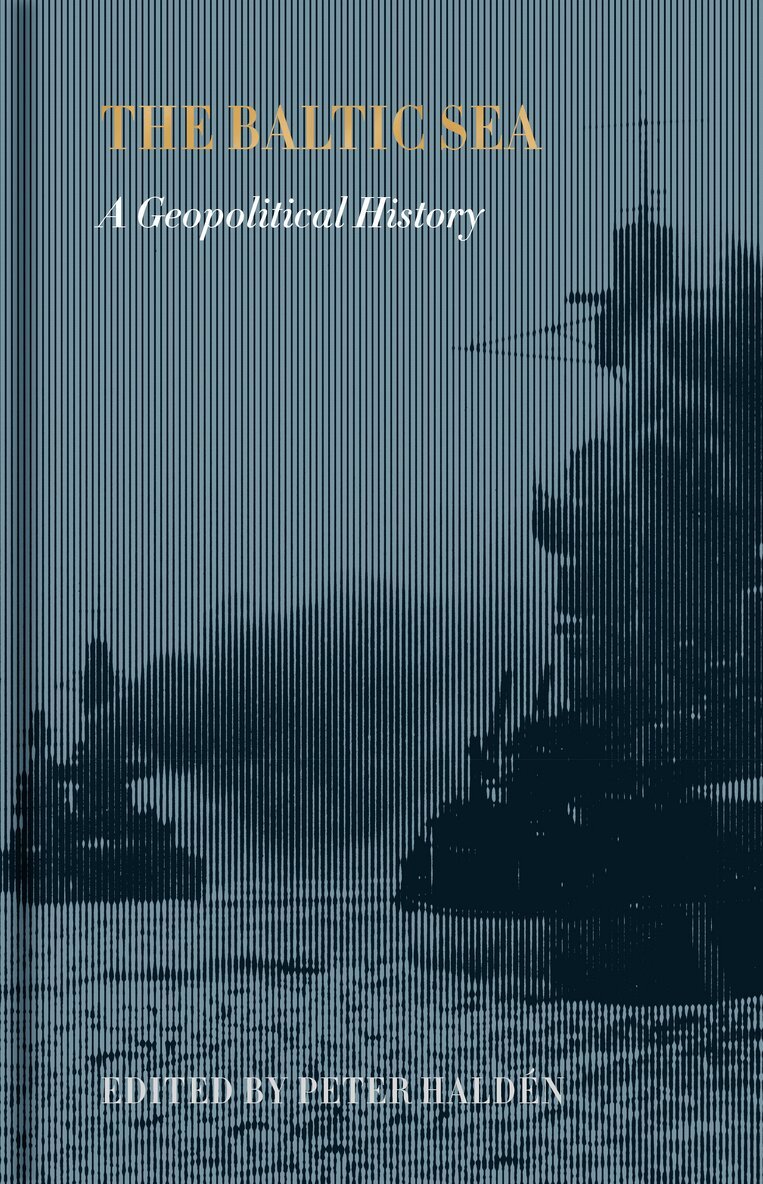
The Baltic sea : a geopolitical history
Av Tobias Boestad, Axel Boltenberg m. fl.
Inbunden, 2025
269 kr
Lägg i varukorg
Östersjön är mer än bara ett innanhav det är en historisk geopolitisk skådeplats. Från vikingatidens sjöfart till ett Nato-dominerat område har detta bräckta innanhav varit en livsnerv för folk och länder i norra Europa. Östersjön har fungerat som en knutpunkt för ekonomiska och politiska …
Östersjön: en geopolitisk historia
Av Martin Hall, Kristian Gerner m. fl.
E-bok, 2026
139 kr
Lägg i varukorg
Östersjön är mer än bara ett innanhav – det är en historisk geopolitisk skådeplats. Från vikingatidens sjöfart till dagens Natodominerade område har detta bräckta hav varit en livsnerv för folk och länder i norra Europa. Östersjön har fungerat som en knutpunkt för ekonomiska och politiska …
Routledge Handbook of Maritime Trade around Europe 1300-1600
Commercial Networks and Urban Autonomy
Av Wim Blockmans, Mikhail Krom m. fl.
Häftad, 2019
831 kr
Lägg i varukorg
The Routledge Handbook of Maritime Trade around Europe 1300-1600 explores the links between maritime trading networks around Europe, from the Mediterranean and the Atlantic to the North and Baltic Seas. Maritime trade routes connected diverse geographical and cultural spheres, contributing to a …
Routledge Handbook of Maritime Trade around Europe 1300-1600
Commercial Networks and Urban Autonomy
Av Wim Blockmans, Mikhail Krom m. fl.
Inbunden, 2017
4354 kr
Lägg i varukorg
The Routledge Handbook of Maritime Trade around Europe 1300-1600 explores the links between maritime trading networks around Europe, from the Mediterranean and the Atlantic to the North and Baltic Seas. Maritime trade routes connected diverse geographical and cultural spheres, contributing to a …
Routledge Handbook of Maritime Trade around Europe 1300-1600
Commercial Networks and Urban Autonomy
Av Justyna Wubs-Mrozewicz, Mikhail Krom m. fl.
E-bok, 2017
981 kr
Lägg i varukorg
The Routledge Handbook of Maritime Trade around Europe 1300-1600 explores the links between maritime trading networks around Europe, from the Mediterranean and the Atlantic to the North and Baltic Seas. Maritime trade routes connected diverse geographical and cultural spheres, contributing to a …
Routledge Handbook of Maritime Trade around Europe 1300-1600
Commercial Networks and Urban Autonomy
Av Justyna Wubs-Mrozewicz, Mikhail Krom m. fl.
E-bok, 2017
981 kr
Lägg i varukorg
The Routledge Handbook of Maritime Trade around Europe 1300-1600 explores the links between maritime trading networks around Europe, from the Mediterranean and the Atlantic to the North and Baltic Seas. Maritime trade routes connected diverse geographical and cultural spheres, contributing to a …
The Baltic Sea: A Geopolitical History
Av Martin Hall, Kristian Gerner m. fl.
E-bok, 2026
139 kr
Lägg i varukorg
The Baltic Sea is more than an inland sea – it is a historic geo-political stage. From maritime travel in the Viking era to a NATO-dominated region, this brackish inland sea has been a lifeline for people and countries in northern Europe. The Baltic Sea has served as a hub for economic and …