Jutta Brunnée - Böcker
Visar alla böcker från författaren Jutta Brunnée. Handla med fri frakt och snabb leverans.
6 produkter
6 produkter
1 897 kr
Skickas inom 5-8 vardagar
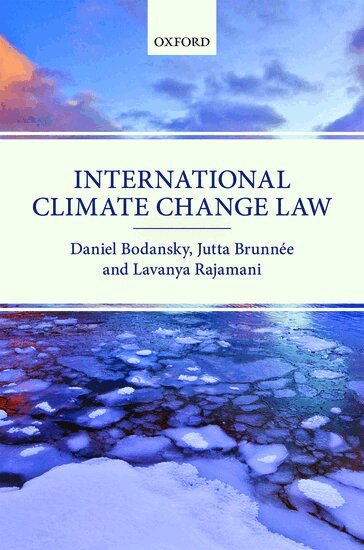
This textbook, by three experts in the field, provides a comprehensive overview of international climate change law. Climate change is one of the fundamental challenges facing the world today, and is the cause of significant international concern. In response, states have created an international climate regime. The treaties that comprise the regime - the 1992 United Nations Framework Convention on Climate Change, the 1997 Kyoto Protocol and the 2015 Paris Agreement establish a system of governance to address climate change and its impacts. This book provides a clear analytical guide to the climate regime, as well as other relevant international legal rules. The book begins by locating international climate change law within the broader context of international law and international environmental law. It considers the evolution of the international climate change regime, and the process of law-making that has led to it. It examines the key provisions of the Framework Convention, the Kyoto Protocol and the Paris Agreement. It analyses the principles and obligations that underpin the climate regime, as well as the elaborate institutional and governance architecture that has been created at successive international conferences to develop commitments and promote transparency and compliance. The final two chapters address the polycentric nature of international climate change law, as well as the intersections of international climate change law with other areas of international regulation. This book is an essential introduction to international climate change law for students, scholars and negotiators.
943 kr
Skickas inom 5-8 vardagar
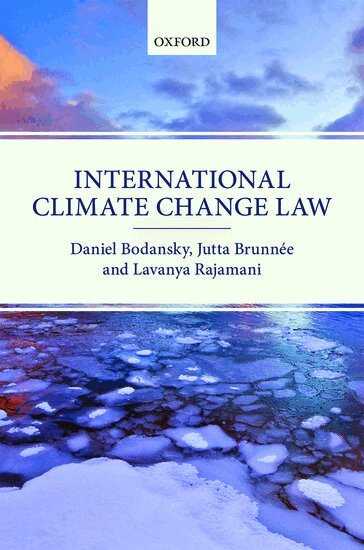
This textbook, by three experts in the field, provides a comprehensive overview of international climate change law. Climate change is one of the fundamental challenges facing the world today, and is the cause of significant international concern. In response, states have created an international climate regime. The treaties that comprise the regime - the 1992 United Nations Framework Convention on Climate Change, the 1997 Kyoto Protocol and the 2015 Paris Agreement establish a system of governance to address climate change and its impacts. This book provides a clear analytical guide to the climate regime, as well as other relevant international legal rules. The book begins by locating international climate change law within the broader context of international law and international environmental law. It considers the evolution of the international climate change regime, and the process of law-making that has led to it. It examines the key provisions of the Framework Convention, the Kyoto Protocol and the Paris Agreement. It analyses the principles and obligations that underpin the climate regime, as well as the elaborate institutional and governance architecture that has been created at successive international conferences to develop commitments and promote transparency and compliance. The final two chapters address the polycentric nature of international climate change law, as well as the intersections of international climate change law with other areas of international regulation. This book is an essential introduction to international climate change law for students, scholars and negotiators.
468 kr
Skickas inom 7-10 vardagar
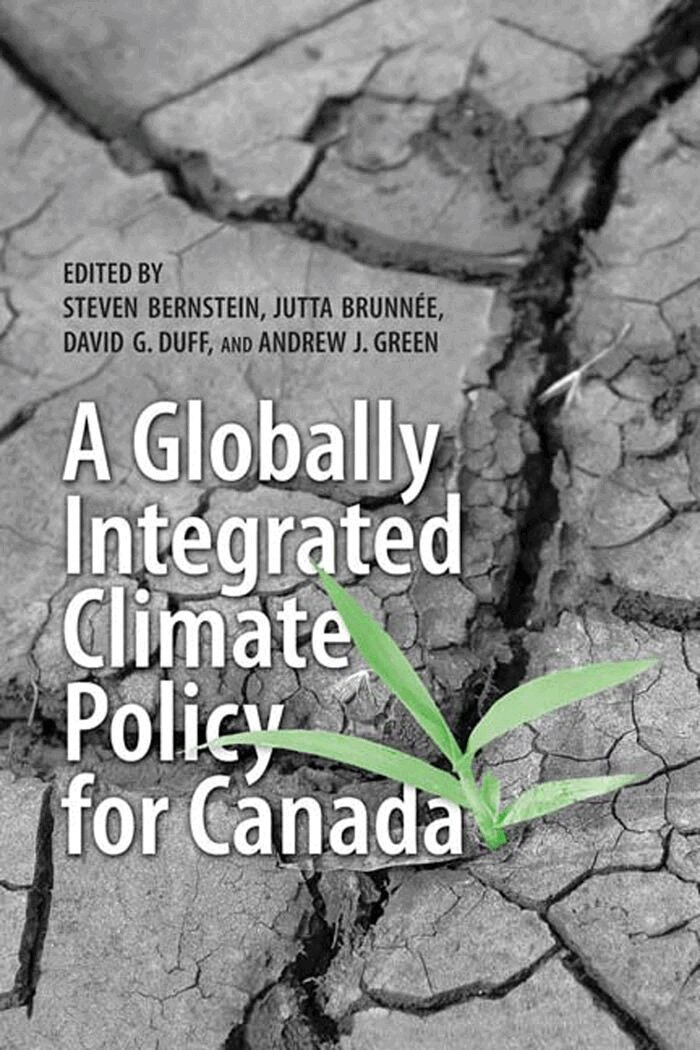
Canada has been an engaged participant in global climate change negotiations since the late 1980s. Until recently, Canadian policy seemed to be driven in large part by a desire to join in multilateral efforts to address climate change. By contrast, current policy is seeking a "made in Canada" approach to the issue. Recent government-sponsored analytic efforts as well as the government's own stated policies have been focused almost entirely on domestic regulation and incentives, domestic opportunities for technological responses, domestic costs, domestic carbon markets, and the setting of a domestic carbon "price" at a level that sends the appropriate marketplace signal to produce needed reductions.A Globally Integrated Climate Policy for Canada builds on the premise that Canada is in need of an approach that effectively integrates domestic priorities and global policy imperatives. Leading Canadian and international experts explore policy ideas and options from a range of disciplinary perspectives, including science, law, political science, economics, and sociology. Chapters explore the costs, opportunities, or imperatives to participate in international diplomatic initiatives and regimes, the opportunities and impacts of regional or global carbon markets, the proper mix of domestic policy tools, the parameters of Canadian energy policy, and the dynamics that propel or hinder the Canadian policy process.
995 kr
Skickas inom 7-10 vardagar
Canada has been an engaged participant in global climate change negotiations since the late 1980s. Until recently, Canadian policy seemed to be driven in large part by a desire to join in multilateral efforts to address climate change. By contrast, current policy is seeking a "made in Canada" approach to the issue. Recent government-sponsored analytic efforts as well as the government's own stated policies have been focused almost entirely on domestic regulation and incentives, domestic opportunities for technological responses, domestic costs, domestic carbon markets, and the setting of a domestic carbon "price" at a level that sends the appropriate marketplace signal to produce needed reductions.A Globally Integrated Climate Policy for Canada builds on the premise that Canada is in need of an approach that effectively integrates domestic priorities and global policy imperatives. Leading Canadian and international experts explore policy ideas and options from a range of disciplinary perspectives, including science, law, political science, economics, and sociology. Chapters explore the costs, opportunities, or imperatives to participate in international diplomatic initiatives and regimes, the opportunities and impacts of regional or global carbon markets, the proper mix of domestic policy tools, the parameters of Canadian energy policy, and the dynamics that propel or hinder the Canadian policy process.
Looking Forward by Looking Back
75 Years of Modern Legal Education at the University of Toronto
Inbunden, Engelska, 2025
710 kr
Skickas inom 7-10 vardagar
Celebrating the 75th anniversary of the Faculty of Law at the University of Toronto, this book brings together a wealth of legal scholarship first presented at a conference in March 2025.At the time of its creation, the Faculty of Law reconceptualized legal education in Ontario and beyond. Looking Forward by Looking Back pays homage to the visions of key figures in the school’s history such as founding dean Cecil “Caesar” Augustus Wright, Katherine Swinton, and John Willis among many other leading lights within the faculty. Embarking on a journey of exploration and reflection, the contributors to this volume look forward by looking back at the transformation charted by the school and its faculty. The contributors depict how the examined scholars consistently developed approaches to legal and social issues that were not only innovative and influential when first introduced but that continue to be insightful and generative in our evolving world.Essential reading for law professors, practitioners, and students, Looking Forward by Looking Back calls attention to the rich history of legal wisdom that emerged from the Faculty of Law and its sustained impact.
616 kr
Skickas inom 7-10 vardagar
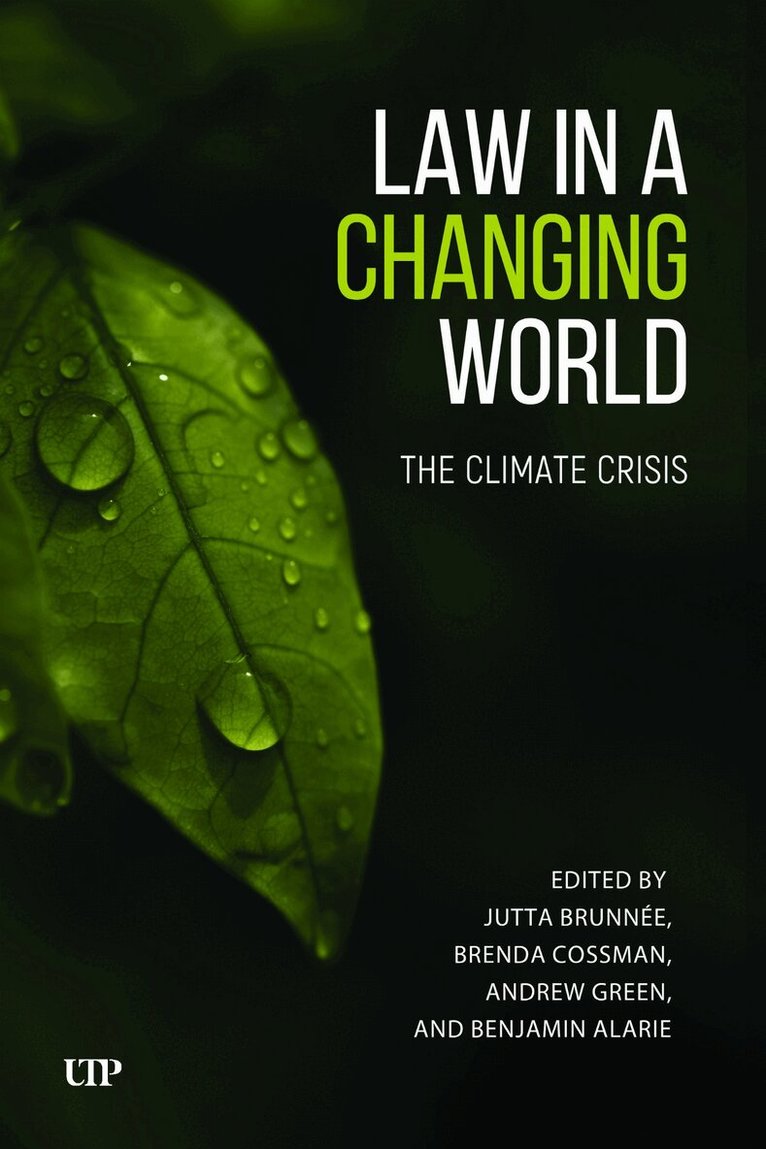
Law in a Changing World explores how climate change is reshaping the law, drawing on contributions from legal scholars across diverse fields. The book examines how climate change impacts areas such as governance, justice, housing, and disability law. Rather than focusing on climate law alone, the chapters explore how climate change is challenging foundational legal concepts and demanding adaptations across various sectors.The authors consider the roles of international, Indigenous, and domestic legal systems in addressing climate-related issues. Topics include climate justice for vulnerable populations, the role of government in crisis management, and the intersection of law with emerging challenges like housing and disability rights. Law in a Changing World provides a comprehensive, cross-disciplinary examination of how legal frameworks can respond to climate-related emergencies and injustices, offering fresh perspectives on the role of law in a warming world. It is an essential read for those interested in the intersection of law, policy, and climate change.