K. Ishii – författare
Visar alla böcker från författaren K. Ishii. Handla med fri frakt och snabb leverans.
8 produkter
Advanced Pulverized Coal Injection Technology and Blast Furnace Operation
Av K. Ishii
Inbunden, 2000
1124 kr
Lägg i varukorg
In order to reduce the cost of running blast furnaces (BFs), injected pulverized coal is used rather than coke to fire BFs. As a result of this, unburned fine materials are blown with the gas into the bosh and dead man areas with possible detrimental effects on gas flow and permeability of the coke …
Advanced Pulverized Coal Injection Technology and Blast Furnace Operation
Av K. Ishii
E-bok, 2000
1157 kr
Lägg i varukorg
In order to reduce the cost of running blast furnaces (BFs), injected pulverized coal is used rather than coke to fire BFs. As a result of this, unburned fine materials are blown with the gas into the bosh and dead man areas with possible detrimental effects on gas flow and permeability of the coke …
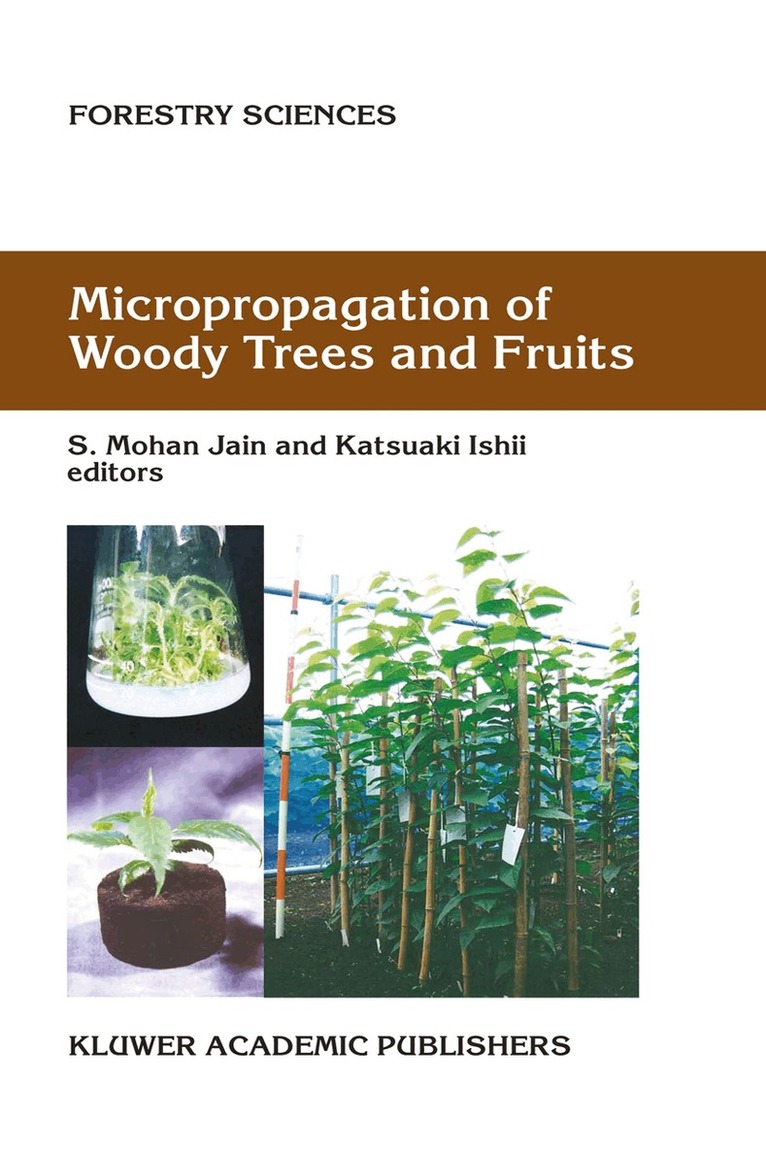
Micropropagation of Woody Trees and Fruits
2003
2575 kr
Lägg i varukorg
Global warming, environmental changes, water shortage, and sustainable development are the most up-to-date issues, which have challenged mankind. Researchers worldwide are engaged in addressing some of these problems, including reduction in carbon dioxide accumulation, and enrichment of perennial …
Plantation Technology in Tropical Forest Science
Inbunden, 2005
1639 kr
Lägg i varukorg
This book is intended to be a record of the Biotechnology-Assisted Re/Afforestation Project in the Asia-Pacific Region (BIO-REFOR) since 1992, conducted in coop eration with the International Union of Forest Research Organizations (lUFRO). The purpose of the project is to promote exchanges of …
Plantation Technology in Tropical Forest Science
Av S. Sasaki, S. Sakurai m. fl.
E-bok, 2006
2111 kr
Lägg i varukorg
This book is intended to be a record of the Biotechnology-Assisted Re/Afforestation Project in the Asia-Pacific Region (BIO-REFOR) since 1992, conducted in coop eration with the International Union of Forest Research Organizations (lUFRO). The purpose of the project is to promote exchanges of …
Plantation Technology in Tropical Forest Science
Häftad, 2016
1639 kr
Lägg i varukorg
This book is intended to be a record of the Biotechnology-Assisted Re/Afforestation Project in the Asia-Pacific Region (BIO-REFOR) since 1992, conducted in coop eration with the International Union of Forest Research Organizations (lUFRO). The purpose of the project is to promote exchanges of …
Micropropagation of Woody Trees and Fruits
E-bok, 2012
2925 kr
Lägg i varukorg
Global warming, environmental changes, water shortage, and sustainable development are the most up-to-date issues, which have challenged mankind. Researchers worldwide are engaged in addressing some of these problems, including reduction in carbon dioxide accumulation, and enrichment of perennial …
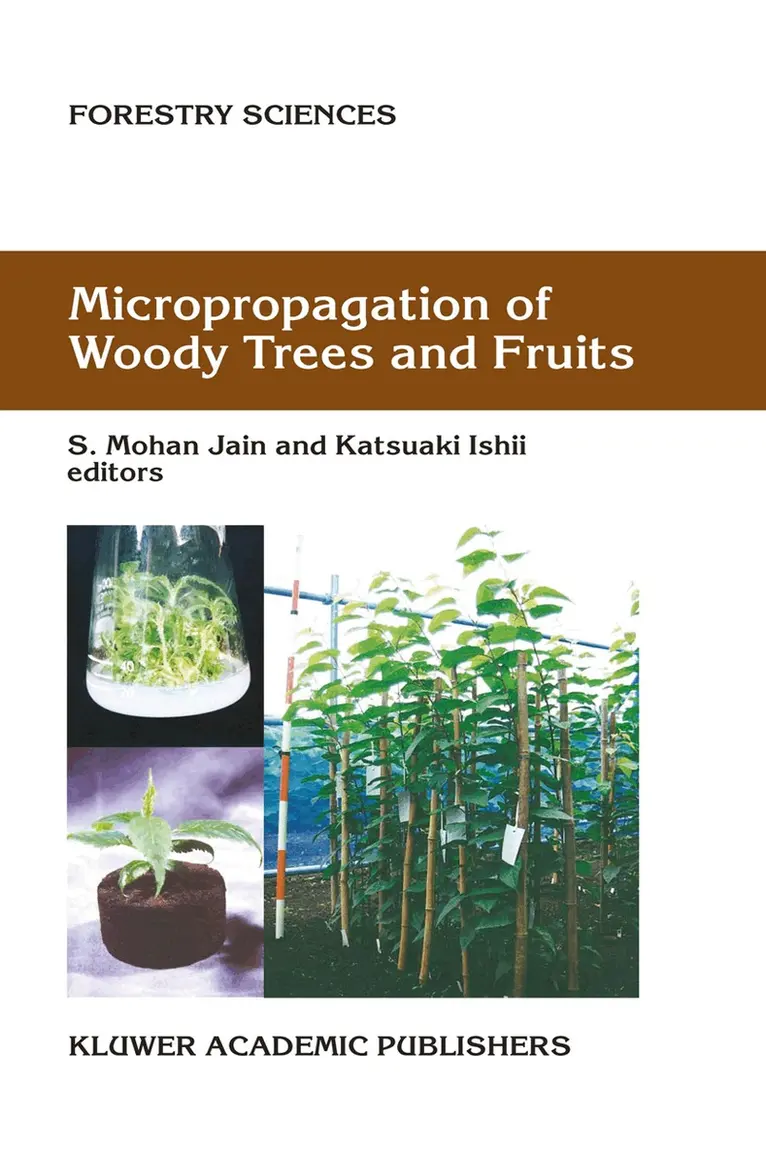
Micropropagation of Woody Trees and Fruits
Häftad, 2012
2183 kr
Lägg i varukorg
Global warming, environmental changes, water shortage, and sustainable development are the most up-to-date issues, which have challenged mankind. Researchers worldwide are engaged in addressing some of these problems, including reduction in carbon dioxide accumulation, and enrichment of perennial …