K. Ramya Laxmi – författare
1 788 kr
Skickas inom 10-15 vardagar
762 kr
Skickas inom 10-15 vardagar
886 kr
Läs direkt efter köp
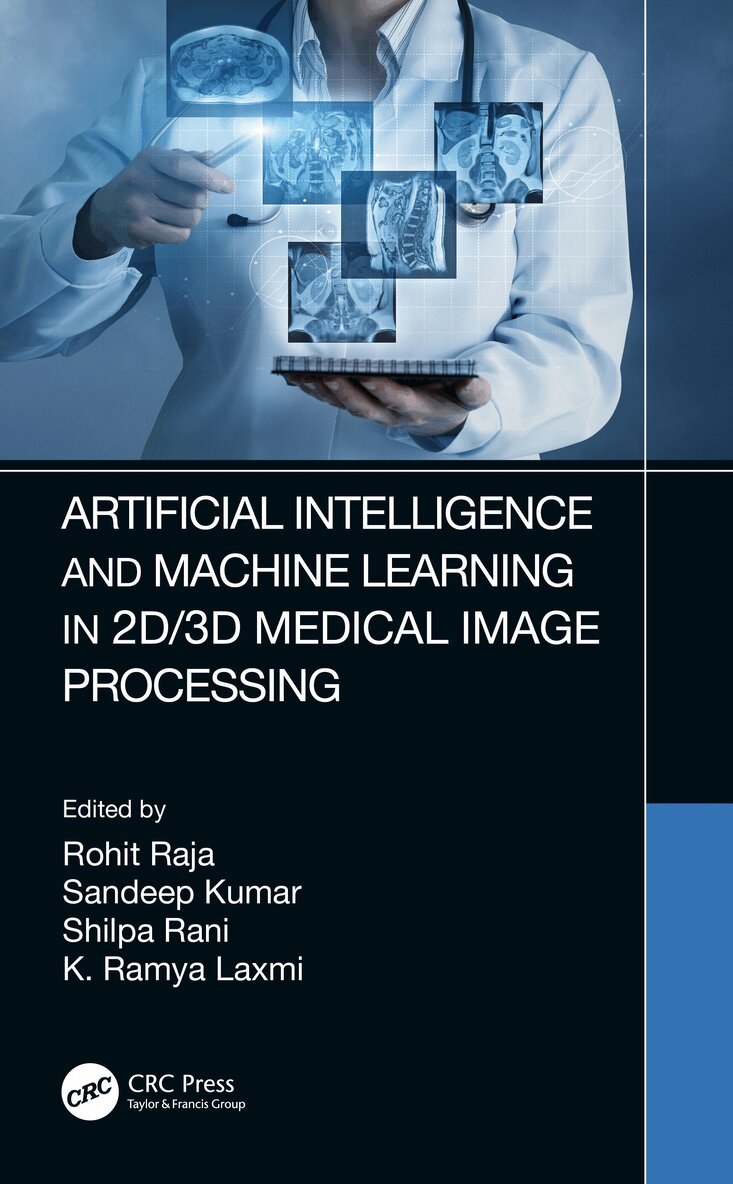
Digital images have several benefits, such as faster and inexpensive processing cost, easy storage and communication, immediate quality assessment, multiple copying while preserving quality, swift and economical reproduction, and adaptable manipulation. Digital medical images play a vital role in everyday life. Medical imaging is the process of producing visible images of inner structures of the body for scientific and medical study and treatment as well as a view of the function of interior tissues. This process pursues disorder identification and management.
Medical imaging in 2D and 3D includes many techniques and operations such as image gaining, storage, presentation, and communication. The 2D and 3D images can be processed in multiple dimensions. Depending on the requirement of a specific problem, one must identify various features of 2D or 3D images while applying suitable algorithms. These image processing techniques began in the 1960s and were used in such fields as space, clinical purposes, the arts, and television image improvement. In the 1970s, with the development of computer systems, the cost of image processing was reduced and processes became faster. In the 2000s, image processing became quicker, inexpensive, and simpler. In the 2020s, image processing has become a more accurate, more efficient, and self-learning technology.
This book highlights the framework of the robust and novel methods for medical image processing techniques in 2D and 3D. The chapters explore existing and emerging image challenges and opportunities in the medical field using various medical image processing techniques. The book discusses real-time applications for artificial intelligence and machine learning in medical image processing. The authors also discuss implementation strategies and future research directions for the design and application requirements of these systems.
This book will benefit researchers in the medical image processing field as well as those looking to promote the mutual understanding of researchers within different disciplines that incorporate AI and machine learning.
FEATURES
Highlights the framework of robust and novel methods for medical image processing techniques
Discusses implementation strategies and future research directions for the design and application requirements of medical imaging
Examines real-time application needs
Explores existing and emerging image challenges and opportunities in the medical field
886 kr
Läs direkt efter köp
Digital images have several benefits, such as faster and inexpensive processing cost, easy storage and communication, immediate quality assessment, multiple copying while preserving quality, swift and economical reproduction, and adaptable manipulation. Digital medical images play a vital role in everyday life. Medical imaging is the process of producing visible images of inner structures of the body for scientific and medical study and treatment as well as a view of the function of interior tissues. This process pursues disorder identification and management.
Medical imaging in 2D and 3D includes many techniques and operations such as image gaining, storage, presentation, and communication. The 2D and 3D images can be processed in multiple dimensions. Depending on the requirement of a specific problem, one must identify various features of 2D or 3D images while applying suitable algorithms. These image processing techniques began in the 1960s and were used in such fields as space, clinical purposes, the arts, and television image improvement. In the 1970s, with the development of computer systems, the cost of image processing was reduced and processes became faster. In the 2000s, image processing became quicker, inexpensive, and simpler. In the 2020s, image processing has become a more accurate, more efficient, and self-learning technology.
This book highlights the framework of the robust and novel methods for medical image processing techniques in 2D and 3D. The chapters explore existing and emerging image challenges and opportunities in the medical field using various medical image processing techniques. The book discusses real-time applications for artificial intelligence and machine learning in medical image processing. The authors also discuss implementation strategies and future research directions for the design and application requirements of these systems.
This book will benefit researchers in the medical image processing field as well as those looking to promote the mutual understanding of researchers within different disciplines that incorporate AI and machine learning.
FEATURES
Highlights the framework of robust and novel methods for medical image processing techniques
Discusses implementation strategies and future research directions for the design and application requirements of medical imaging
Examines real-time application needs
Explores existing and emerging image challenges and opportunities in the medical field
2 601 kr
Skickas inom 5-8 vardagar
3 007 kr
Läs direkt efter köp
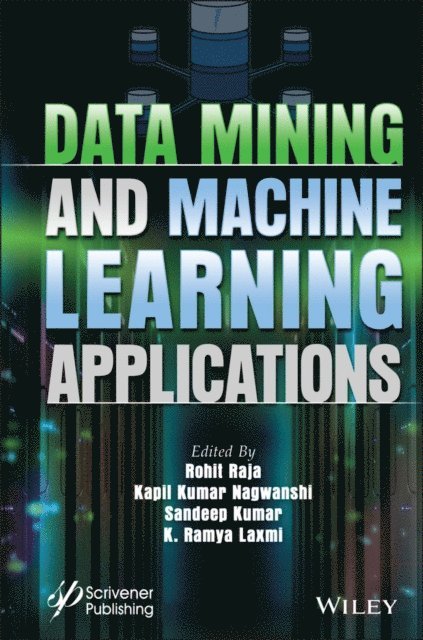
The book elaborates in detail on the current needs of data mining and machine learning and promotes mutual understanding among research in different disciplines, thus facilitating research development and collaboration.
Data, the latest currency of today’s world, is the new gold. In this new form of gold, the most beautiful jewels are data analytics and machine learning. Data mining and machine learning are considered interdisciplinary fields. Data mining is a subset of data analytics and machine learning involves the use of algorithms that automatically improve through experience based on data.
Massive datasets can be classified and clustered to obtain accurate results. The most common technologies used include classification and clustering methods. Accuracy and error rates are calculated for regression and classification and clustering to find actual results through algorithms like support vector machines and neural networks with forward and backward propagation. Applications include fraud detection, image processing, medical diagnosis, weather prediction, e-commerce and so forth.
The book features:
A review of the state-of-the-art in data mining and machine learning, A review and description of the learning methods in human-computer interaction, Implementation strategies and future research directions used to meet the design and application requirements of several modern and real-time applications for a long time, The scope and implementation of a majority of data mining and machine learning strategies. A discussion of real-time problems.Audience
Industry and academic researchers, scientists, and engineers in information technology, data science and machine and deep learning, as well as artificial intelligence more broadly.
3 007 kr
Läs direkt efter köp
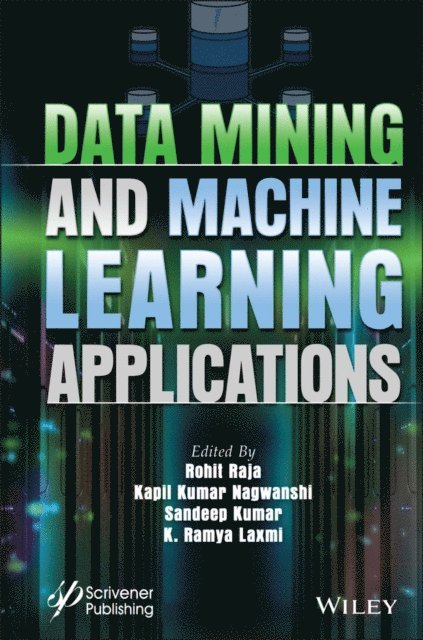
The book elaborates in detail on the current needs of data mining and machine learning and promotes mutual understanding among research in different disciplines, thus facilitating research development and collaboration.
Data, the latest currency of today’s world, is the new gold. In this new form of gold, the most beautiful jewels are data analytics and machine learning. Data mining and machine learning are considered interdisciplinary fields. Data mining is a subset of data analytics and machine learning involves the use of algorithms that automatically improve through experience based on data.
Massive datasets can be classified and clustered to obtain accurate results. The most common technologies used include classification and clustering methods. Accuracy and error rates are calculated for regression and classification and clustering to find actual results through algorithms like support vector machines and neural networks with forward and backward propagation. Applications include fraud detection, image processing, medical diagnosis, weather prediction, e-commerce and so forth.
The book features:
A review of the state-of-the-art in data mining and machine learning, A review and description of the learning methods in human-computer interaction, Implementation strategies and future research directions used to meet the design and application requirements of several modern and real-time applications for a long time, The scope and implementation of a majority of data mining and machine learning strategies. A discussion of real-time problems.Audience
Industry and academic researchers, scientists, and engineers in information technology, data science and machine and deep learning, as well as artificial intelligence more broadly.