Shilpa Rani – författare
1 788 kr
Skickas inom 10-15 vardagar
762 kr
Skickas inom 10-15 vardagar
886 kr
Läs direkt efter köp
Digital images have several benefits, such as faster and inexpensive processing cost, easy storage and communication, immediate quality assessment, multiple copying while preserving quality, swift and economical reproduction, and adaptable manipulation. Digital medical images play a vital role in everyday life. Medical imaging is the process of producing visible images of inner structures of the body for scientific and medical study and treatment as well as a view of the function of interior tissues. This process pursues disorder identification and management.
Medical imaging in 2D and 3D includes many techniques and operations such as image gaining, storage, presentation, and communication. The 2D and 3D images can be processed in multiple dimensions. Depending on the requirement of a specific problem, one must identify various features of 2D or 3D images while applying suitable algorithms. These image processing techniques began in the 1960s and were used in such fields as space, clinical purposes, the arts, and television image improvement. In the 1970s, with the development of computer systems, the cost of image processing was reduced and processes became faster. In the 2000s, image processing became quicker, inexpensive, and simpler. In the 2020s, image processing has become a more accurate, more efficient, and self-learning technology.
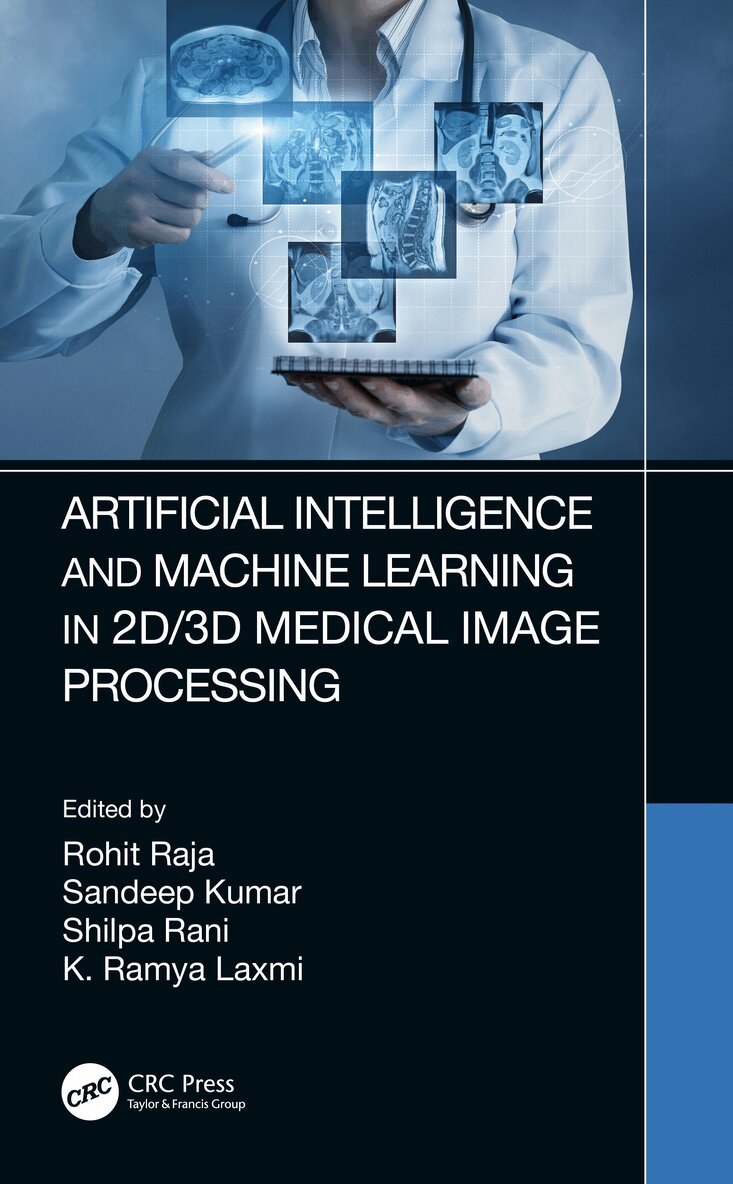
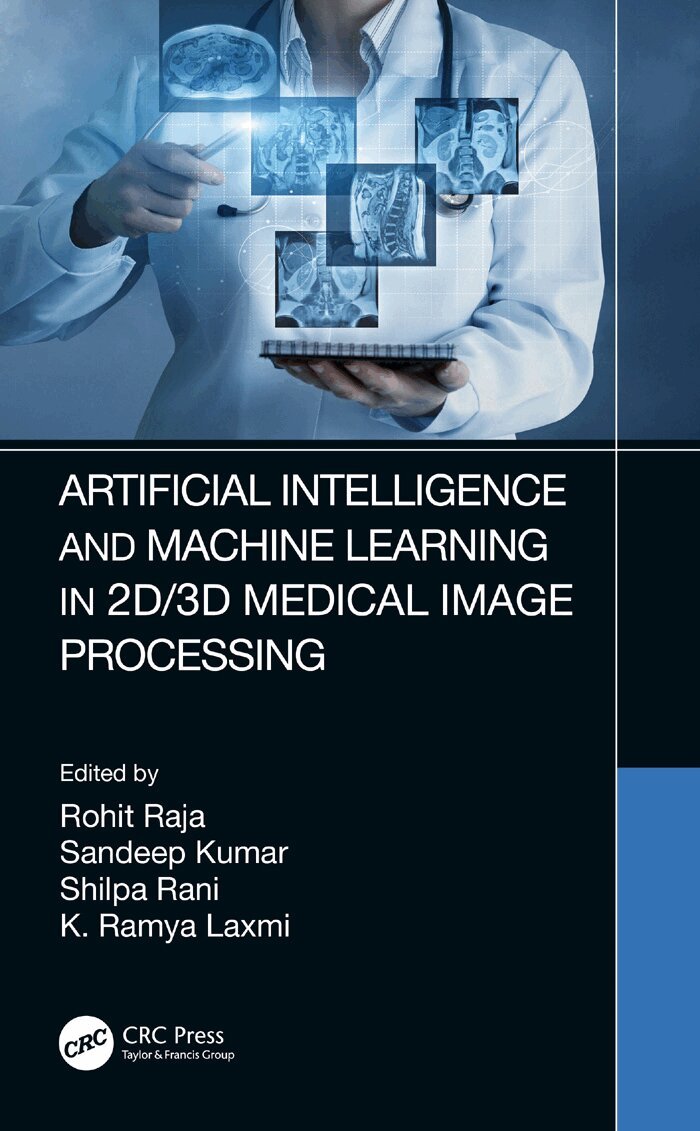
This book highlights the framework of the robust and novel methods for medical image processing techniques in 2D and 3D. The chapters explore existing and emerging image challenges and opportunities in the medical field using various medical image processing techniques. The book discusses real-time applications for artificial intelligence and machine learning in medical image processing. The authors also discuss implementation strategies and future research directions for the design and application requirements of these systems.
This book will benefit researchers in the medical image processing field as well as those looking to promote the mutual understanding of researchers within different disciplines that incorporate AI and machine learning.
FEATURES
Highlights the framework of robust and novel methods for medical image processing techniques
Discusses implementation strategies and future research directions for the design and application requirements of medical imaging
Examines real-time application needs
Explores existing and emerging image challenges and opportunities in the medical field
886 kr
Läs direkt efter köp
Digital images have several benefits, such as faster and inexpensive processing cost, easy storage and communication, immediate quality assessment, multiple copying while preserving quality, swift and economical reproduction, and adaptable manipulation. Digital medical images play a vital role in everyday life. Medical imaging is the process of producing visible images of inner structures of the body for scientific and medical study and treatment as well as a view of the function of interior tissues. This process pursues disorder identification and management.
Medical imaging in 2D and 3D includes many techniques and operations such as image gaining, storage, presentation, and communication. The 2D and 3D images can be processed in multiple dimensions. Depending on the requirement of a specific problem, one must identify various features of 2D or 3D images while applying suitable algorithms. These image processing techniques began in the 1960s and were used in such fields as space, clinical purposes, the arts, and television image improvement. In the 1970s, with the development of computer systems, the cost of image processing was reduced and processes became faster. In the 2000s, image processing became quicker, inexpensive, and simpler. In the 2020s, image processing has become a more accurate, more efficient, and self-learning technology.
This book highlights the framework of the robust and novel methods for medical image processing techniques in 2D and 3D. The chapters explore existing and emerging image challenges and opportunities in the medical field using various medical image processing techniques. The book discusses real-time applications for artificial intelligence and machine learning in medical image processing. The authors also discuss implementation strategies and future research directions for the design and application requirements of these systems.
This book will benefit researchers in the medical image processing field as well as those looking to promote the mutual understanding of researchers within different disciplines that incorporate AI and machine learning.
FEATURES
Highlights the framework of robust and novel methods for medical image processing techniques
Discusses implementation strategies and future research directions for the design and application requirements of medical imaging
Examines real-time application needs
Explores existing and emerging image challenges and opportunities in the medical field
2 679 kr
Skickas inom 5-8 vardagar
3 097 kr
Läs direkt efter köp
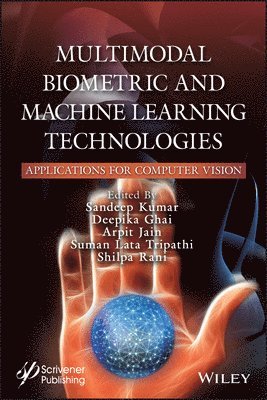
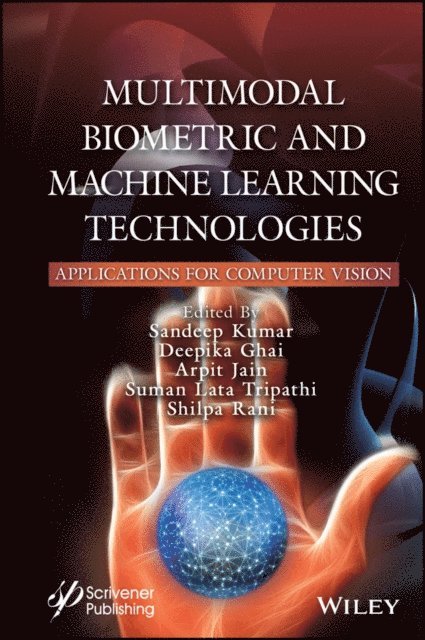
With an increasing demand for biometric systems in various industries, this book on multimodal biometric systems, answers the call for increased resources to help researchers, developers, and practitioners.
Multimodal biometric and machine learning technologies have revolutionized the field of security and authentication. These technologies utilize multiple sources of information, such as facial recognition, voice recognition, and fingerprint scanning, to verify an individual''s identity. The need for enhanced security and authentication has become increasingly important, and with the rise of digital technologies, cyber-attacks and identity theft have increased exponentially. Traditional authentication methods, such as passwords and PINs, have become less secure as hackers devise new ways to bypass them. In this context, multimodal biometric and machine learning technologies offer a more secure and reliable approach to authentication.
This book provides relevant information on multimodal biometric and machine learning technologies and focuses on how humans and computers interact to ever-increasing levels of complexity and simplicity. The book provides content on the theory of multimodal biometric design, evaluation, and user diversity, and explains the underlying causes of the social and organizational problems that are typically devoted to descriptions of rehabilitation methods for specific processes. Furthermore, the book describes new algorithms for modeling accessible to scientists of all varieties.
Audience
Researchers in computer science and biometrics, developers who are designing and implementing biometric systems, and practitioners who are using biometric systems in their work, such as law enforcement personnel or healthcare professionals.
3 097 kr
Läs direkt efter köp
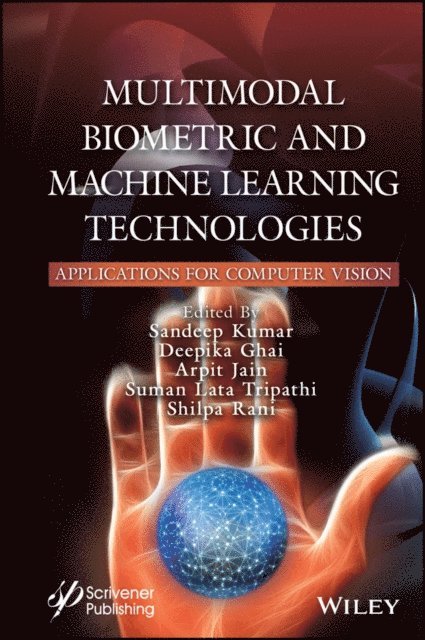
With an increasing demand for biometric systems in various industries, this book on multimodal biometric systems, answers the call for increased resources to help researchers, developers, and practitioners.
Multimodal biometric and machine learning technologies have revolutionized the field of security and authentication. These technologies utilize multiple sources of information, such as facial recognition, voice recognition, and fingerprint scanning, to verify an individual''s identity. The need for enhanced security and authentication has become increasingly important, and with the rise of digital technologies, cyber-attacks and identity theft have increased exponentially. Traditional authentication methods, such as passwords and PINs, have become less secure as hackers devise new ways to bypass them. In this context, multimodal biometric and machine learning technologies offer a more secure and reliable approach to authentication.
This book provides relevant information on multimodal biometric and machine learning technologies and focuses on how humans and computers interact to ever-increasing levels of complexity and simplicity. The book provides content on the theory of multimodal biometric design, evaluation, and user diversity, and explains the underlying causes of the social and organizational problems that are typically devoted to descriptions of rehabilitation methods for specific processes. Furthermore, the book describes new algorithms for modeling accessible to scientists of all varieties.
Audience
Researchers in computer science and biometrics, developers who are designing and implementing biometric systems, and practitioners who are using biometric systems in their work, such as law enforcement personnel or healthcare professionals.
2 679 kr
Skickas inom 5-8 vardagar
3 081 kr
Läs direkt efter köp
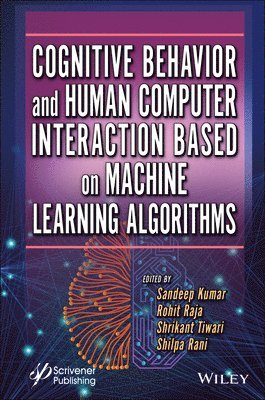
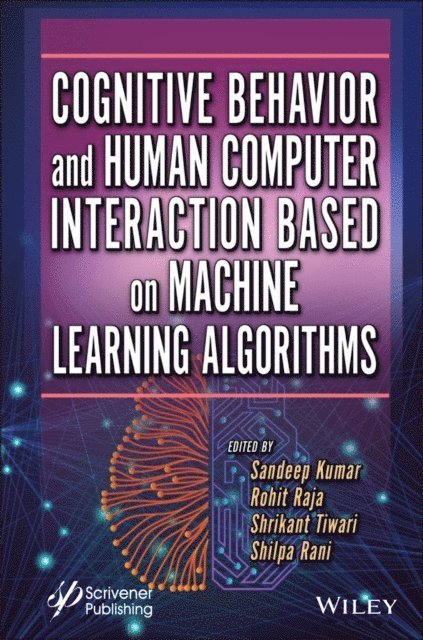
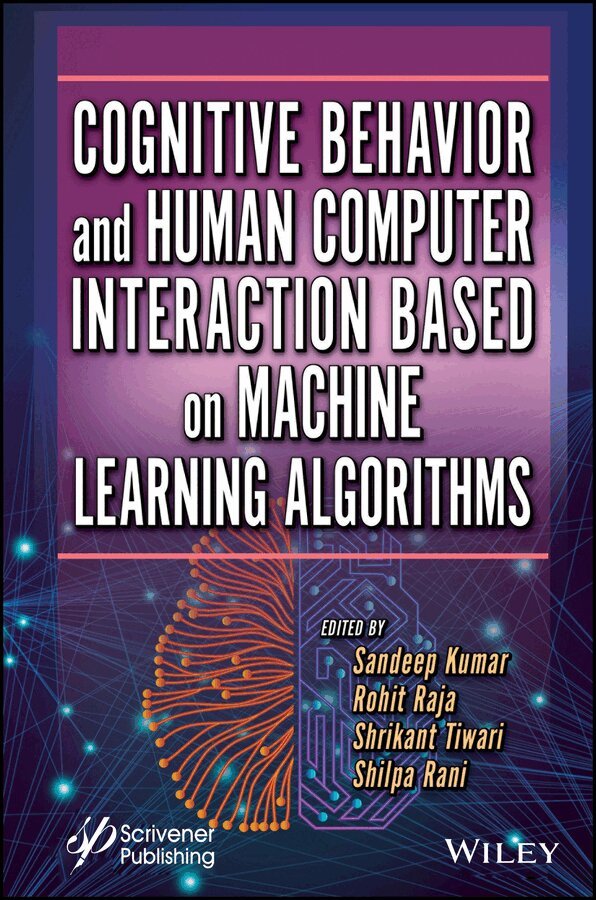
The objective of this book is to provide the most relevant information on Human-Computer Interaction to academics, researchers, and students and for those from industry who wish to know more about the real-time application of user interface design.
Human-computer interaction (HCI) is the academic discipline, which most of us think of as UI design, that focuses on how human beings and computers interact at ever-increasing levels of both complexity and simplicity. Because of the importance of the subject, this book aims to provide more relevant information that will be useful to students, academics, and researchers in the industry who wish to know more about its real-time application. In addition to providing content on theory, cognition, design, evaluation, and user diversity, this book also explains the underlying causes of the cognitive, social and organizational problems typically devoted to descriptions of rehabilitation methods for specific cognitive processes. Also described are the new modeling algorithms accessible to cognitive scientists from a variety of different areas.
This book is inherently interdisciplinary and contains original research in computing, engineering, artificial intelligence, psychology, linguistics, and social and system organization as applied to the design, implementation, application, analysis, and evaluation of interactive systems. Since machine learning research has already been carried out for a decade in various applications, the new learning approach is mainly used in machine learning-based cognitive applications. Since this will direct the future research of scientists and researchers working in neuroscience, neuroimaging, machine learning-based brain mapping, and modeling, etc., this book highlights the framework of a novel robust method for advanced cross-industry HCI technologies. These implementation strategies and future research directions will meet the design and application requirements of several modern and real-time applications for a long time to come.
Audience: A wide range of researchers, industry practitioners, and students will be interested in this book including those in artificial intelligence, machine learning, cognition, computer programming and engineering, as well as social sciences such as psychology and linguistics.
3 081 kr
Läs direkt efter köp
The objective of this book is to provide the most relevant information on Human-Computer Interaction to academics, researchers, and students and for those from industry who wish to know more about the real-time application of user interface design.
Human-computer interaction (HCI) is the academic discipline, which most of us think of as UI design, that focuses on how human beings and computers interact at ever-increasing levels of both complexity and simplicity. Because of the importance of the subject, this book aims to provide more relevant information that will be useful to students, academics, and researchers in the industry who wish to know more about its real-time application. In addition to providing content on theory, cognition, design, evaluation, and user diversity, this book also explains the underlying causes of the cognitive, social and organizational problems typically devoted to descriptions of rehabilitation methods for specific cognitive processes. Also described are the new modeling algorithms accessible to cognitive scientists from a variety of different areas.
This book is inherently interdisciplinary and contains original research in computing, engineering, artificial intelligence, psychology, linguistics, and social and system organization as applied to the design, implementation, application, analysis, and evaluation of interactive systems. Since machine learning research has already been carried out for a decade in various applications, the new learning approach is mainly used in machine learning-based cognitive applications. Since this will direct the future research of scientists and researchers working in neuroscience, neuroimaging, machine learning-based brain mapping, and modeling, etc., this book highlights the framework of a novel robust method for advanced cross-industry HCI technologies. These implementation strategies and future research directions will meet the design and application requirements of several modern and real-time applications for a long time to come.
Audience: A wide range of researchers, industry practitioners, and students will be interested in this book including those in artificial intelligence, machine learning, cognition, computer programming and engineering, as well as social sciences such as psychology and linguistics.