K. Sakthidasan Sankaran – författare
2 086 kr
Skickas inom 5-8 vardagar
2 327 kr
Läs direkt efter köp
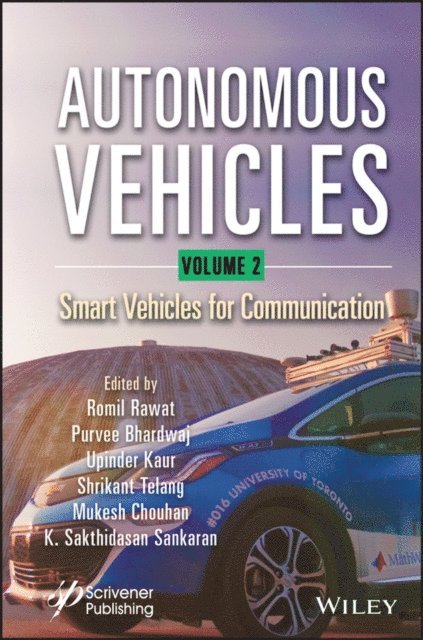
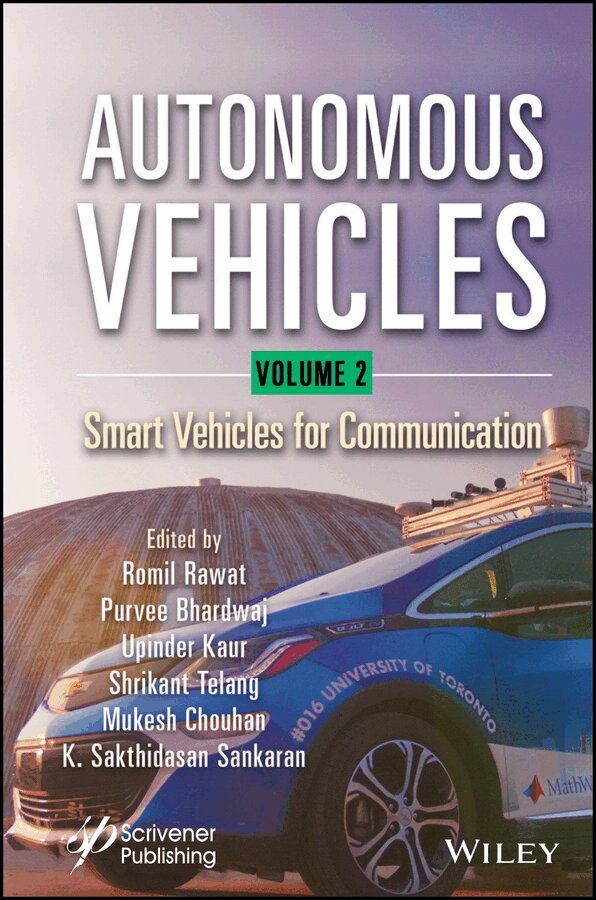
The companion to Autonomous Vehicles Volume 1: Using Machine Intelligence, this second volume in the two-volume set covers intelligent techniques utilized for designing, controlling, and managing vehicular systems based on advanced algorithms of computing like machine learning, artificial intelligence, data analytics, and Internet of Things (IoT) with prediction approaches to avoid accidental damages, security threats, and theft.
Besides communicating with other vehicles, self-driving cars connected to a 5G network will also be able to communicate with different infrastructure elements that make up our roads and other transportation and communication systems. Similarly, an unmanned aerial vehicle (UAV), an aircraft without any human pilot, crew, or passengers on board, can operate under remote control by a human operator, as a remotely-piloted aircraft (RPA), or with various degrees of autonomy. These include autopilot assistance and fully autonomous aircraft that have no provision for human intervention. Transportation is a necessary, but often painful process. With fully autonomous driving, passengers will be freed to accomplish their own goals, turning the dead hours of driving into fruitful hours of learning, working, engaging, and relaxing. Similarly, UAVs can perform functions that human-operated aircraft cannot, whether because of the environment or high-risk situations.
The purpose of the book is to present the needs, designs, and applications of autonomous vehicles. The topics covered range from mechanical engineering to computer science engineering, both areas playing vital roles in programming, managing, generating alerts, and GPS position, artificial intelligence-based prediction of path and events, as well as other high-tech tools, are covered in this book, as well. Whether for the student, veteran engineer, or another industry professional, this book, and its companion volume, are must-haves for any library.
2 327 kr
Läs direkt efter köp
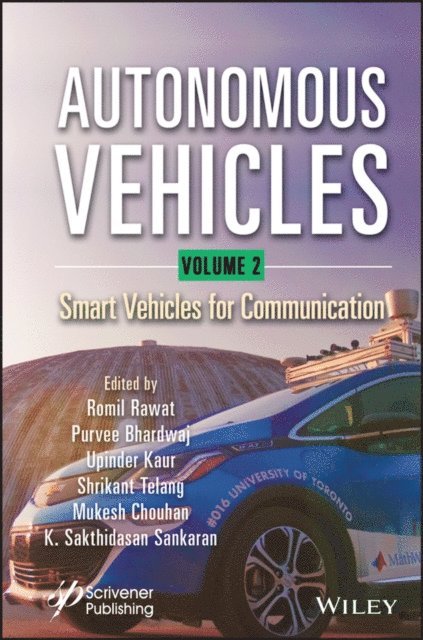
The companion to Autonomous Vehicles Volume 1: Using Machine Intelligence, this second volume in the two-volume set covers intelligent techniques utilized for designing, controlling, and managing vehicular systems based on advanced algorithms of computing like machine learning, artificial intelligence, data analytics, and Internet of Things (IoT) with prediction approaches to avoid accidental damages, security threats, and theft.
Besides communicating with other vehicles, self-driving cars connected to a 5G network will also be able to communicate with different infrastructure elements that make up our roads and other transportation and communication systems. Similarly, an unmanned aerial vehicle (UAV), an aircraft without any human pilot, crew, or passengers on board, can operate under remote control by a human operator, as a remotely-piloted aircraft (RPA), or with various degrees of autonomy. These include autopilot assistance and fully autonomous aircraft that have no provision for human intervention. Transportation is a necessary, but often painful process. With fully autonomous driving, passengers will be freed to accomplish their own goals, turning the dead hours of driving into fruitful hours of learning, working, engaging, and relaxing. Similarly, UAVs can perform functions that human-operated aircraft cannot, whether because of the environment or high-risk situations.
The purpose of the book is to present the needs, designs, and applications of autonomous vehicles. The topics covered range from mechanical engineering to computer science engineering, both areas playing vital roles in programming, managing, generating alerts, and GPS position, artificial intelligence-based prediction of path and events, as well as other high-tech tools, are covered in this book, as well. Whether for the student, veteran engineer, or another industry professional, this book, and its companion volume, are must-haves for any library.
3 035 kr
Skickas inom 5-8 vardagar
3 631 kr
Läs direkt efter köp
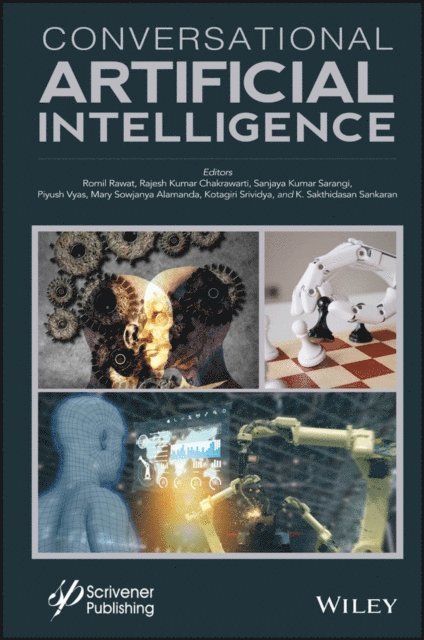
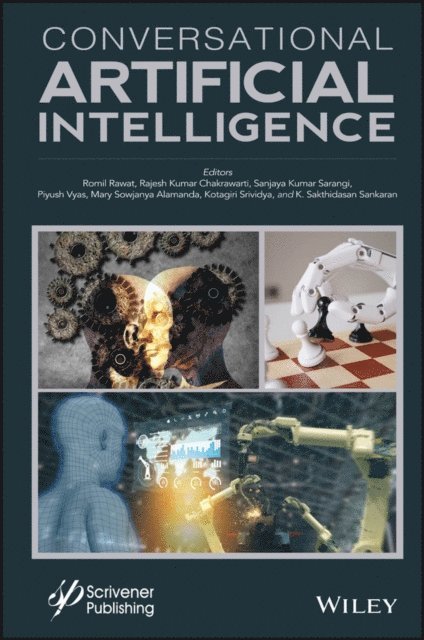
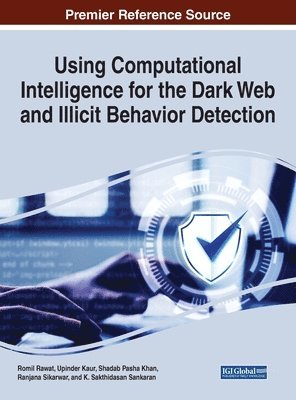
This book reviews present state-of-the-art research related to the security of cloud computing including developments in conversational AI applications. It is particularly suited for those that bridge the academic world and industry, allowing readers to understand the security concerns in advanced security solutions for conversational AI in the cloud platform domain by reviewing present and evolving security solutions, their limitations, and future research directions.
Conversational AI combines natural language processing (NLP) with traditional software like chatbots, voice assistants, or an interactive voice recognition system to help customers through either a spoken or typed interface. Conversational chatbots that respond to questions promptly and accurately to help customers are a fascinating development since they make the customer service industry somewhat self-sufficient. A well-automated chatbot can decimate staffing needs, but creating one is a time-consuming process. Voice recognition technologies are becoming more critical as AI assistants like Alexa become more popular. Chatbots in the corporate world have advanced technical connections with clients thanks to improvements in artificial intelligence. However, these chatbots’ increased access to sensitive information has raised serious security concerns. Threats are one-time events such as malware and DDOS (Distributed Denial of Service) assaults. Targeted strikes on companies are familiar and frequently lock workers out. User privacy violations are becoming more common, emphasizing the dangers of employing chatbots. Vulnerabilities are systemic problems that enable thieves to break in. Vulnerabilities allow threats to enter the system, hence they are inextricably linked. Malicious chatbots are widely used to spam and advertise in chat rooms by imitating human behavior and discussions, or to trick individuals into disclosing personal information like bank account details.
3 631 kr
Läs direkt efter köp
This book reviews present state-of-the-art research related to the security of cloud computing including developments in conversational AI applications. It is particularly suited for those that bridge the academic world and industry, allowing readers to understand the security concerns in advanced security solutions for conversational AI in the cloud platform domain by reviewing present and evolving security solutions, their limitations, and future research directions.
Conversational AI combines natural language processing (NLP) with traditional software like chatbots, voice assistants, or an interactive voice recognition system to help customers through either a spoken or typed interface. Conversational chatbots that respond to questions promptly and accurately to help customers are a fascinating development since they make the customer service industry somewhat self-sufficient. A well-automated chatbot can decimate staffing needs, but creating one is a time-consuming process. Voice recognition technologies are becoming more critical as AI assistants like Alexa become more popular. Chatbots in the corporate world have advanced technical connections with clients thanks to improvements in artificial intelligence. However, these chatbots’ increased access to sensitive information has raised serious security concerns. Threats are one-time events such as malware and DDOS (Distributed Denial of Service) assaults. Targeted strikes on companies are familiar and frequently lock workers out. User privacy violations are becoming more common, emphasizing the dangers of employing chatbots. Vulnerabilities are systemic problems that enable thieves to break in. Vulnerabilities allow threats to enter the system, hence they are inextricably linked. Malicious chatbots are widely used to spam and advertise in chat rooms by imitating human behavior and discussions, or to trick individuals into disclosing personal information like bank account details.
2 408 kr
Skickas inom 5-8 vardagar
2 941 kr
Läs direkt efter köp
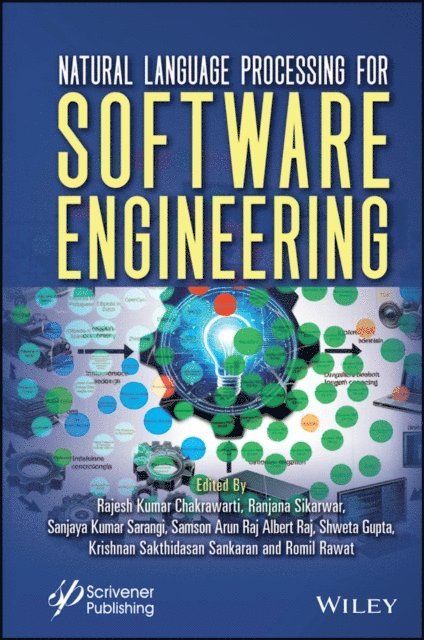
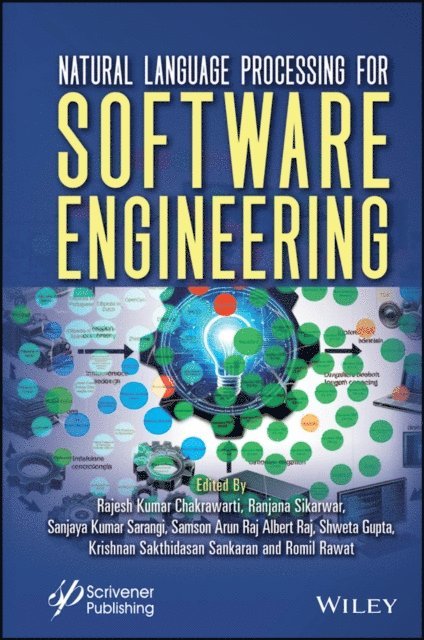
Discover how Natural Language Processing for Software Engineering can transform your understanding of agile development, equipping you with essential tools and insights to enhance software quality and responsiveness in today’s rapidly changing technological landscape.
Agile development enhances business responsiveness through continuous software delivery, emphasizing iterative methodologies that produce incremental, usable software. Working software is the main measure of progress, and ongoing customer collaboration is essential. Approaches like Scrum, eXtreme Programming (XP), and Crystal share these principles but differ in focus: Scrum reduces documentation, XP improves software quality and adaptability to changing requirements, and Crystal emphasizes people and interactions while retaining key artifacts. Modifying software systems designed with Object-Oriented Analysis and Design can be costly and time-consuming in rapidly changing environments requiring frequent updates. This book explores how natural language processing can enhance agile methodologies, particularly in requirements engineering. It introduces tools that help developers create, organize, and update documentation throughout the agile project process.
2 915 kr
Läs direkt efter köp
Discover how Natural Language Processing for Software Engineering can transform your understanding of agile development, equipping you with essential tools and insights to enhance software quality and responsiveness in today’s rapidly changing technological landscape.
Agile development enhances business responsiveness through continuous software delivery, emphasizing iterative methodologies that produce incremental, usable software. Working software is the main measure of progress, and ongoing customer collaboration is essential. Approaches like Scrum, eXtreme Programming (XP), and Crystal share these principles but differ in focus: Scrum reduces documentation, XP improves software quality and adaptability to changing requirements, and Crystal emphasizes people and interactions while retaining key artifacts. Modifying software systems designed with Object-Oriented Analysis and Design can be costly and time-consuming in rapidly changing environments requiring frequent updates. This book explores how natural language processing can enhance agile methodologies, particularly in requirements engineering. It introduces tools that help developers create, organize, and update documentation throughout the agile project process.
3 160 kr
Skickas inom 5-8 vardagar