K. Wiese – författare
Visar alla böcker från författaren K. Wiese. Handla med fri frakt och snabb leverans.
3 produkter
3 produkter
E-bok
PDF, Engelska, 2013677 kr
Läs direkt efter köp
Häftad, Engelska, 2014
549 kr
Skickas inom 10-15 vardagar
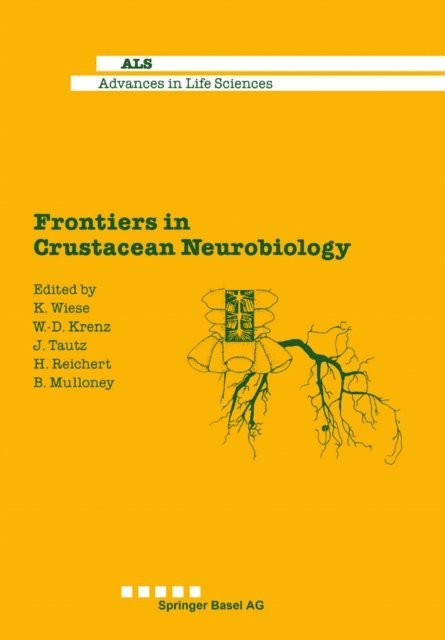
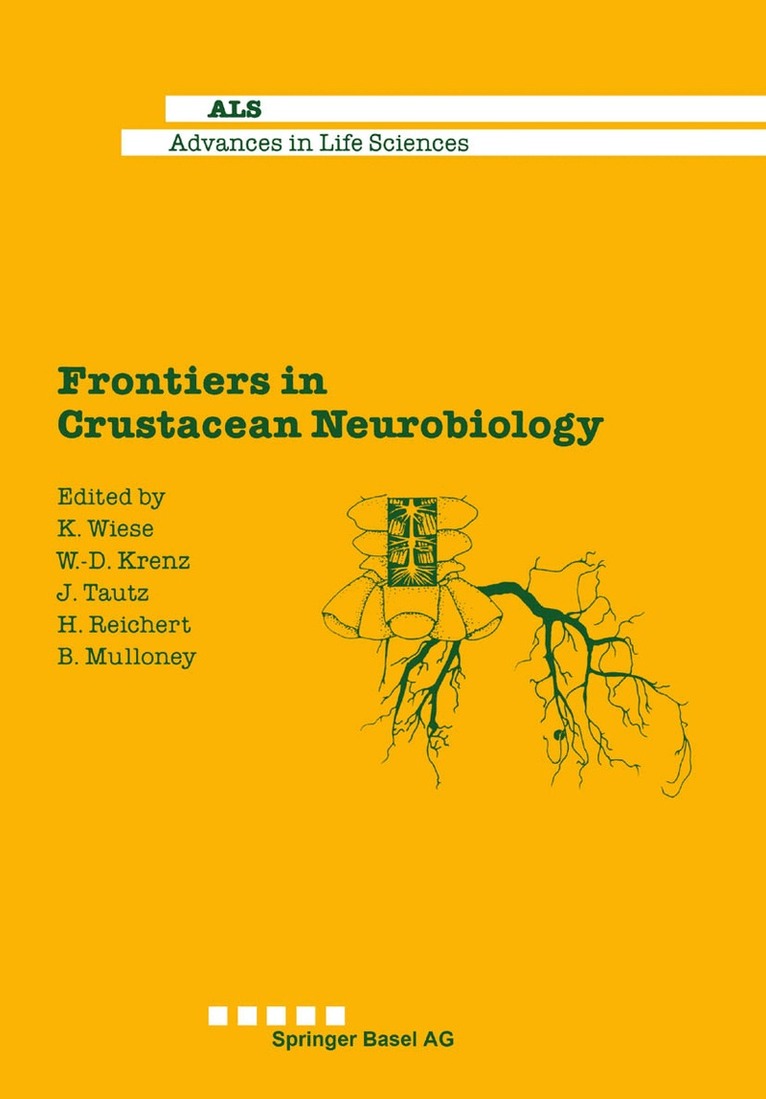
Donald Kennedy President, Stanjord University Alnwst exactly a dozen years elapsed between the time I set aside (I thought temporarily!J my own interest in crustacean nervous systems and the arrival of an invitation from Konrad Wiese to participate in this symposium. The intervening years have plainly been productive ones for the field; indeed, I can only hope that there is no causal connection between its properity and my absence. Discontinuous contact with an intellectual venture, whatever disappointments it may present. does oifer one virtue; it provides a nwre dramatic. alnwst stroboscopic view of progress. To the lapsed practitioner, the rate of advance in crustacean neurobiology over the decade seems remarkable; equally remarkable is the number of able young researchers. many of them the scientific progeny of my colleagues from the "sixties" and "seventies" . How to summarize the changes they have wrought? Those of us who began working with crustacean nervous systems thirty years 090 or so were attracted by several features. First of alt there was a limited nwtor system with readily identifiable neurons. It was diJft.cult to look at those old methylene blue stains of Retzius and not want to do an experiment immediately!Kees Wiersma ojten did, and it was he who nwst persuasively called our attention to the advantages oifered by neuronal parsinwny in combination with stereotyped motor output patterning. Ted Bullock exploited these features in his elegant early experiments on cardiac ganglia.
Inbunden, Engelska, 2001
3 260 kr
Skickas inom 10-15 vardagar
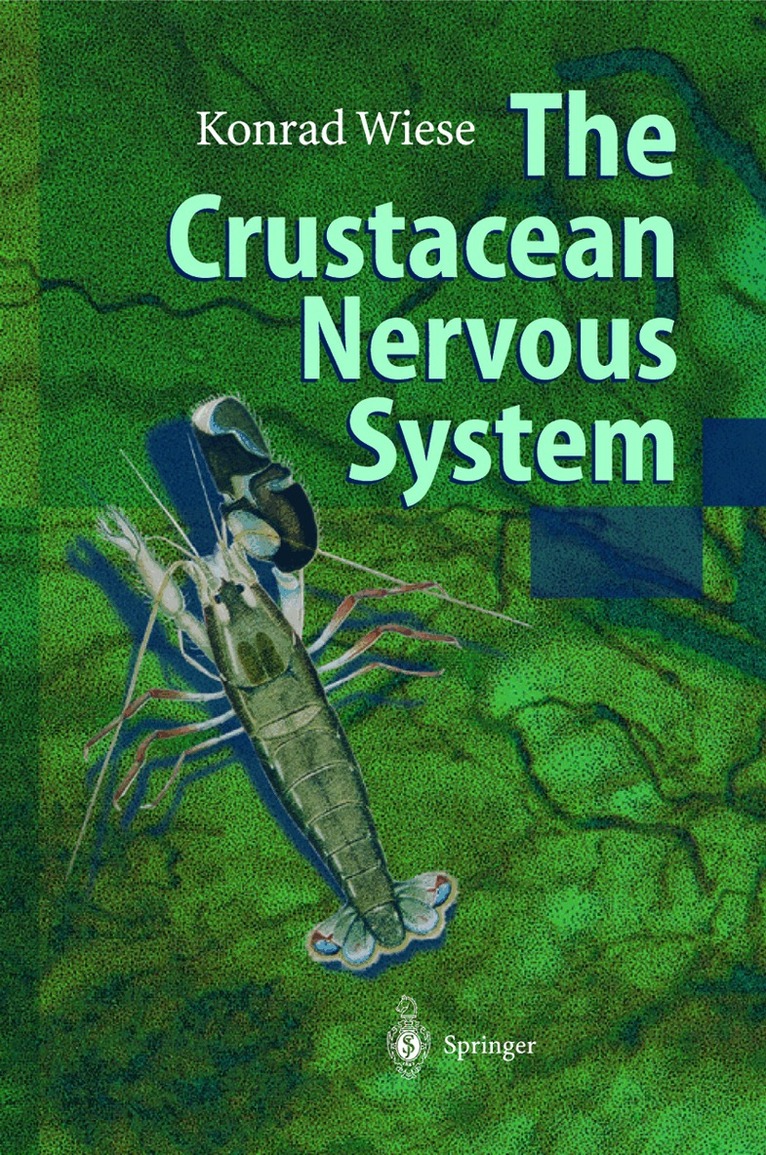
Crustacean preparations have been successfully used for more than 50 years to investigate the principles which enable nerve cells and neural circuitry to perform in a wide variety of functions. The proud record of information of general significance obtained from crayfish and lobster nervous systems testifies that the use of an experimental system precisely matching theoretical and experimental requirements ofa measurement is an essential part of the success. In some respects, the secondarily diversified vertebrate and mammalian nervous systems pose severe obstacles to experimentation and measurement, whereas the crustacean nervous system recommends itself by being composed of individual neurons of unique morphology and physiology, which can be used repeatedly in several preparations. Moreover, a restricted number of invariantly displayed behaviors enable the experimenter to correlate neuron activity with parts of the behavior easier. Experts use these advantages to focus on a well-defined neuron and mechanism and to take a convincing measurement within a minimum amount oftime. In this book distinguished neurobiologists, the leading experts in the field, have joined efforts to present research using crustacean experimental systems. Thus they have contributed comprehensive information regarding a nervous system other than that ofvertebrates and mammalians, that ofcrustaceans. The accumulated knowledge on the crustacean nervous system shows that it is clearly divergent in evolution but functions in a similar way to neuronal circuitry found in the vertebrate system and can be used to interpret it.