Kamel A. Abd-Elsalam - Böcker
1 703 kr
Skickas inom 7-10 vardagar
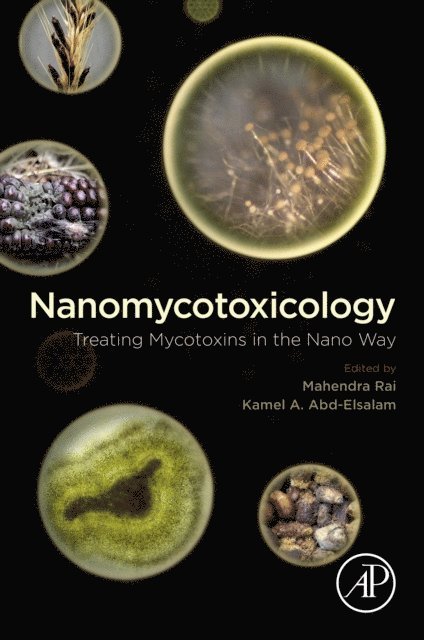
Nanomycotoxicology: Treating Mycotoxins in Nanoway discusses the role of nanotechnology in the detection, toxicity and management of different types of mycotoxins. Sections cover the topic of nanomycotoxicology, the application of nanotechnology for quicker, more cost-effective and precise diagnostic procedures of mycotoxins and toxicogenic fungi, and the application of nanotechnology for the management of mycotoxigenic fungi. New topics, such as the application of nanotechnology in disease management, disease forecasting, and disease resistance, mycotoxin detection, and nanodiagnostic and molecular techniques are also presented.
With chapter contributions from an international group of experts, this book presents an interdisciplinary reference for scientists and researchers working in mycotoxicology, nanotechnology, mycology, plant science, and food safety. In addition, it will be a useful tool for industrial scientists investigating technologies to update their nanotoxicology and nanosafety knowledge.
Discusses the role of nanotechnology in mycotoxicology Explores the application of nanomaterials for detection of mycotoxins Covers the role of nanotechnology in the management of mycotoxins and mycotoxigenic fungi2 081 kr
Skickas inom 7-10 vardagar
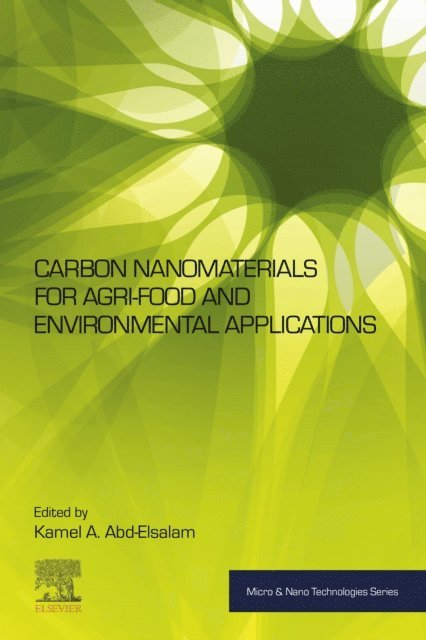
Carbon Nanomaterials for Agri-food and Environmental Applications discusses the characterization, processing and applications of carbon-based nanostructured materials in the agricultural and environmental sectors. Sections discuss the synthesis and characterization of carbon nanotubes, the technological developments in environmental applications of carbon-based nanomaterials, and agri-food applications. The book also covers the toxic effects of engineered carbon nanoparticles on the environment, and in plants and animals. Finally, quality control and risk management are addressed to assess health and environmental risks. This is an applicable book for graduate students, researchers and those in industrial sectors of science and technology who want to learn more about carbon nanomaterials.
Compares a range of carbon-based nanomaterials, showing how they are used for a range of agricultural and environmental applications Discusses the challenges and toxicity of different types of carbon-based nanomaterials for environmental and agricultural applications Explores when different classes of nanomaterial should be used in different environments2 203 kr
Skickas inom 7-10 vardagar
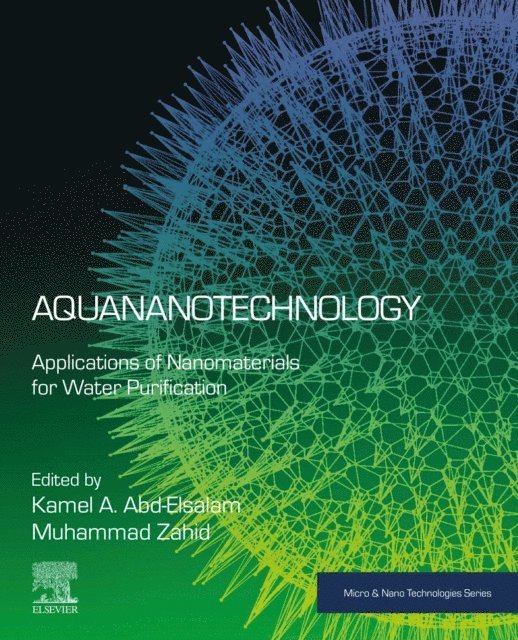
Aquananotechnology: Applications of Nanomaterials for Water Purification focuses on the impacts of, and opportunities for, the application of nanotechnology to enhance water quality and the societal concerns surrounding the widespread use of nanotechnology in the water arena. Sections cover the use of nano-sensors for the detection of water pollutants, the control of waterborne pathogens, and the use of nano-biochar coal fly composites for phytoremdtions wastewater pollutants. In addition, the book explores the uses of nanoadsorbents for heavy metals, dyes, Arsenic, pesticides, and water/wastewater remediation and decontamination of water from xenobiotics, bionanocomposites, metal oxides, silver, zinc nanoparticles, and carbon-based nanomaterials for wastewater treatment.
In addition, the book covers the use of zerovalent iron nanomaterials and nanostructured mesoporous silica for water purification, along with nano-hydrogels to increase water efficiency and conservation. Finally, the socioeconomic impacts and risks of aquananotechnology in ecosystems are discussed. This book provides a detailed description of the ecological applications of nanomaterials in aquatic environments, offering a cogent analysis of both major applications and challenges.
Shows how a range of nanomaterial types are being used for ecological applications in aquatic environments Explores the effects different types of nanomaterials have on a variety of ecosystems Assesses the major challenges of using nanotechnology to improve water quality on a mass scale2 105 kr
Skickas inom 7-10 vardagar
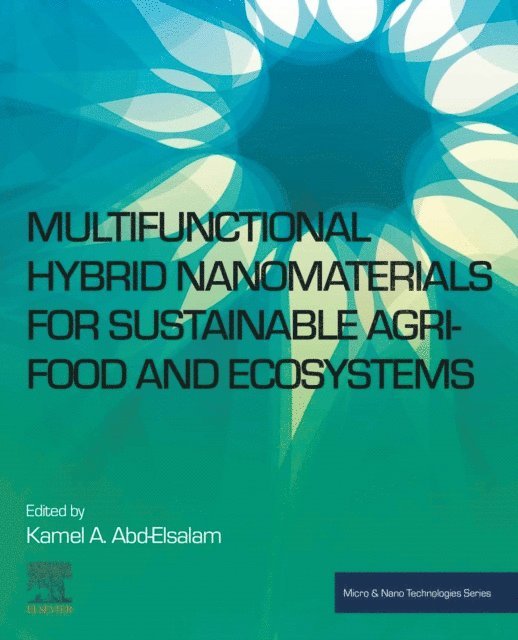
Multifunctional Hybrid Nanomaterials for Sustainable Agrifood and Ecosystems shows how hybrid nanomaterials (HNMs) are being used to enhance agriculture, food and environmental science. The book discusses the synthesis and characterization of HNMs before exploring agrifoods and environmental functions. It shows how novel HNMs are being used for the detection and separation of heavy metal ions, for destroying and sensing of insecticides, in managed release fertilizer and pesticide formulations, plant protection, plant promotions, purification, detection, and to control mycotoxins. Further, the book describes the use of silica-based total nanosystems, carbon nanotubes, nanocellulose-based, and polymer nanohybrids for agricultural and biological applications.
This book is an important reference source for materials scientists, engineers and food scientists who want to gain a greater understanding on how multifunctional nanomaterials are being used for a range of agricultural and environmental applications.
Outlines the major nanomaterial types that are being used in agriculture Explains why the properties of multifunctional nanomaterials are particularly efficient for use in agriculture Assesses the major challenges of using multifunctional nanomaterials on an industrial scaleCRISPR and RNAi Systems
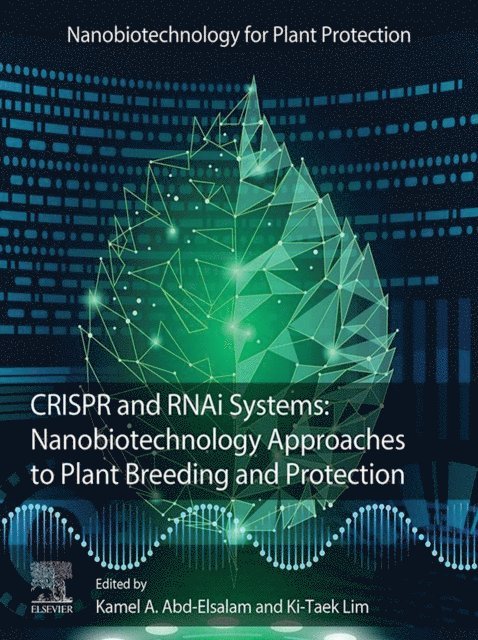
Nanobiotechnology Approaches to Plant Breeding and Protection
2 386 kr
Skickas inom 7-10 vardagar
Plants are vulnerable to pathogens including fungi, bacteria, and viruses, which cause critical problems and deficits. Crop protection by plant breeding delivers a promising solution with no obvious effect on human health or the local ecosystem. Crop improvement has been the most powerful approach for producing unique crop cultivars since domestication occurred, making possible the main innovations in feeding the globe and community development. Genome editing is one of the genetic devices that can be implemented, and disease resistance is frequently cited as the most encouraging application of CRISPR/Cas9 technology in agriculture. Nanobiotechnology has harnessed the power of genome editing to develop agricultural crops. Nanosized DNA or RNA nanotechnology approaches could contribute to raising the stability and performance of CRISPR guide RNAs. This book brings together the latest research in these areas.
CRISPR and RNAi Systems: Nanobiotechnology Approaches to Plant Breeding and Protection�presents a complete understanding of the RNAi and CRISPR/Cas9 techniques for controlling mycotoxins, fighting plant nematodes, and detecting plant pathogens. CRISPR/Cas genome editing enables efficient targeted modification in most crops, thus promising to accelerate crop improvement. CRISPR/Cas9 can be used for management of plant insects, and various plant pathogens. The book is an important reference source for both plant scientists and environmental scientists who want to understand how nano biotechnologically based approaches are being used to create more efficient plant protection and plant breeding systems.
Shows how nanotechnology is being used as the basis for new solutions for more efficient plant breeding and plant protection Outlines the major techniques and applications of both CRISPR and RNAi technologies Assesses the major challenges of escalating these technologies on a mass scale2 398 kr
Skickas inom 7-10 vardagar
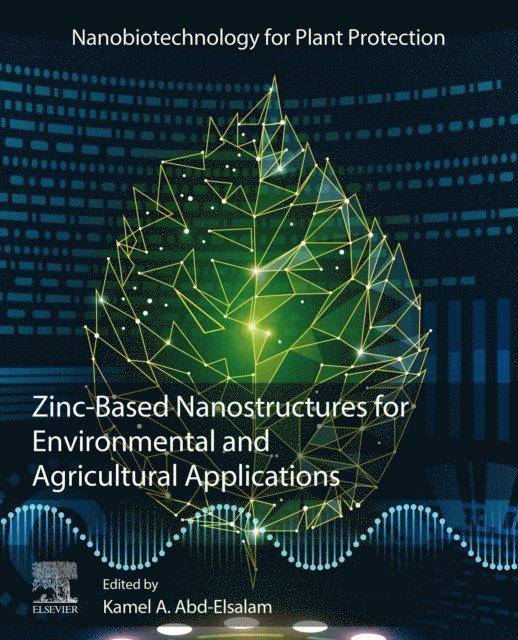
Zinc-Based Nanostructures for Environmental and Agricultural Applications shows how zinc nanostructures are being used in agriculture, food and the environment. The book has been divided into two parts: Part I deals with the synthesis and characterization of zinc-based nanostructures such as biogenic, plant, microbial, and actinobacteria mediated synthesis of zinc nanoparticles, Part II is focused on agri-food applications such as antibacterial, antifungal, antimicrobial, plant disease management, controlling post-harvest diseases, pesticide sensing and degradations, plant promotions, ZnO nanostructure for food packaging application, safe animal food and feed supplement, elimination of mycotoxins, and veterinary applications. Part III reviews technological developments in environmental applications such as risks and benefits for aquatic organisms and the marine environment, antiseptic activity and toxicity mechanisms, wastewater treatment, and zinc oxide-based nanomaterials for photocatalytic degradation of environmental and agricultural pollutants.
The book discusses various aspects, including the application of zinc-based nanostructures to enhance plant health and growth, the effect on soil microbial activity, antimicrobial mechanism, phytotoxicity and accumulation in plants, the possible impact of zinc-based nanostructures in the agricultural sector as nanofertilizer, enhancing� crop productivity, and other possible antimicrobial mechanisms of ZnO nanomaterials.
Explores the impact of a large variety of zinc-based nanostructures on agri-food and environment sectors Outlines how the properties of zinc-based nanostructures mean they are particularly efficient in environmental and agricultural application areas Assesses the major challenges of synthesizing and processing zinc-based nanostructured materials2 398 kr
Skickas inom 7-10 vardagar
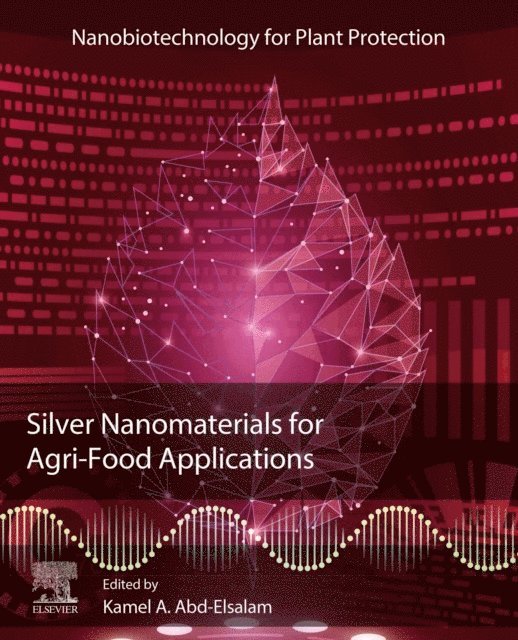
Silver Nanomaterials for Agri-Food Applications explores how silver-based nanomaterials are being used to create more efficient systems and products across the agri-food sector. In particular, the book covers silver nanomaterials as antimicrobial agents, in food science, for plant protection, and for water purification. Sections highlight the effect of silver nanoantimicrobials and drug synergism on drug-resistant pathogens, offer an overview of silver nanomaterials-based nanosensors in agri-food applications, explore the use of silver nanostructures in plant science applications, cover plant protection applications, describe silver nanomaterial applications in the removal of dyes and pesticides from wastewater, and more.
Explores the applications of silver-based nanomaterials for plant protection, water treatments, and in food science Outlines why silver-based nanomaterials have properties that make them beneficial for protection against infectious diseases Assesses the challenge of integrating silver-based nanomaterials into agricultural systems2 398 kr
Skickas inom 7-10 vardagar
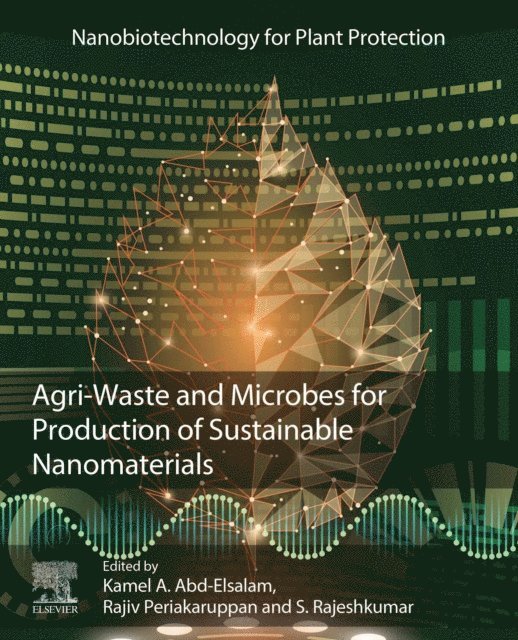
Agri-Waste and Microbes for Production of Sustainable Nanomaterials assesses the most recent trends used to produce bionanomaterials from agricultural waste and microorganisms. The book covers the green synthesis of various nanomaterials using microorganisms and agricultural waste, including the synthesis and characterization of green nanomaterials, the production of nanomaterials from agri-waste, including metallic, copper, silica, cellulose, nanopolymers and nano/micro plastics, and biological methods such as agricultural and microbial synthesis of metallic/metal oxide, magnetic, silver, copper, nanomaterials and nanonutrients. This is an important reference source for plant scientists, materials scientists and environmental scientists who want to understand this new generation of sustainable nanomaterials.
The synthesis of nanocellulose materials from agri-wastes is an emerging alternative for waste treatment methods, developing new biosensors and antimicrobial agents. Silicon nanoparticles are an additional ingredient for the improvement of crop yields. With recent advances in nanomaterials synthesis performance and the discovery of their biomedical, environmental and agricultural applications, it is hoped that the implementation of these methods will be used at large-scale for industrial applications in different sectors.
Highlights recent methods to produce bionanomaterials from agricultural waste and microorganisms Explores the use of agri-waste in environmental and agricultural applications Assesses the major challenges for using agri-waste to create eco-friendly nanomaterials at large scaleCopper Nanostructures: Next-Generation of Agrochemicals for Sustainable Agroecosystems
2 812 kr
Skickas inom 7-10 vardagar
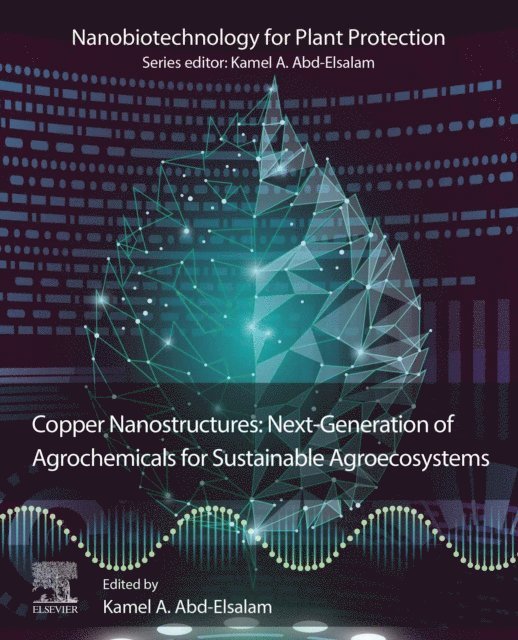
Copper Nanostructures: Next-Generation of Agrochemicals for Sustainable Agroecosystems considers the impact of copper-based nanostructures on agri-food sectors. Sections highlight the green synthesis of copper nanoparticles, production mechanisms, eco-safety, and future perspectives, discuss the increasing importance of copper nanomaterials in plant protection applications, describe the use of copper nanostructures in plant science applications, cover antimicrobial applications, explore copper nanostructure applications, and summarize current applications in agroecosystems, such as copper nanoparticles as nanosensors, their negative ecological effects, estimation risks, and more.
Assesses the impact of a large variety of copper-based nanostructures on the agri-food sector Discusses how the properties of a variety of copper-based nanomaterials make them effective for agricultural applications Explains the challenges surrounding the mass production of copper-based nanomaterials2 581 kr
Skickas inom 7-10 vardagar
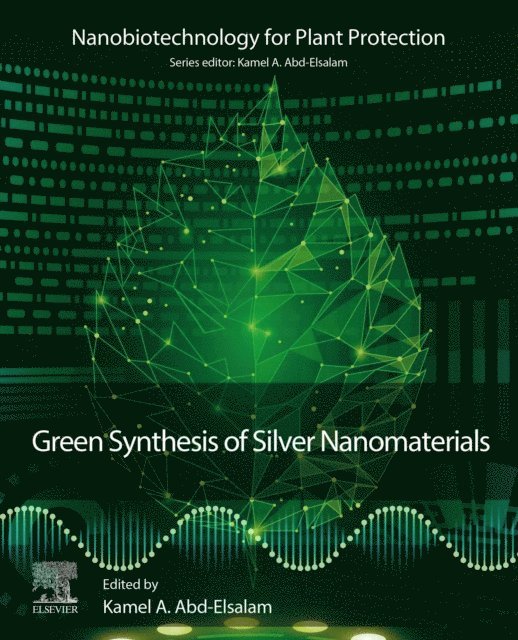
Green Synthesis of Silver Nanomaterials illustrates how to biologically scale up silver nanoparticle synthesis. This book covers green synthesis of silver nanomaterials, via plants, agricultural waste, fungi, and microorganisms.� Sections cover the synthesis and characterization of chemical and green synthesis, various types of silver nanomaterialism,� the ability of different fungal species, such as filamentous fungi, to produce silver nanoparticles, the microbial synthesis of silver NMs, biosynthesis mechanisms, toxicity, fate and commercialization. As examples, greener pathways and mechanisms, toxicity of silver nanoparticles in aquatic life and in natural eco-systems, and strategies for the scaling up of green-synthesized nanomaterials are discussed.
With the extended work in enhancing nanomaterials synthesis performance, and discovering their biomedical, environmental, and agricultural applications, it is hoped that the execution of these methods on a large scale and their industrial applications in different fields will take place in the near future.
Assesses the impact of a large variety of silver-based nanostructures in the biomedical, environmental and agri-food sectors Discusses the major synthesis methods used for effectively processing plant-based silver nanoparticles Outlines the potential and major challenges for adopting green synthesis methods on a mass scale2 264 kr
Skickas inom 7-10 vardagar
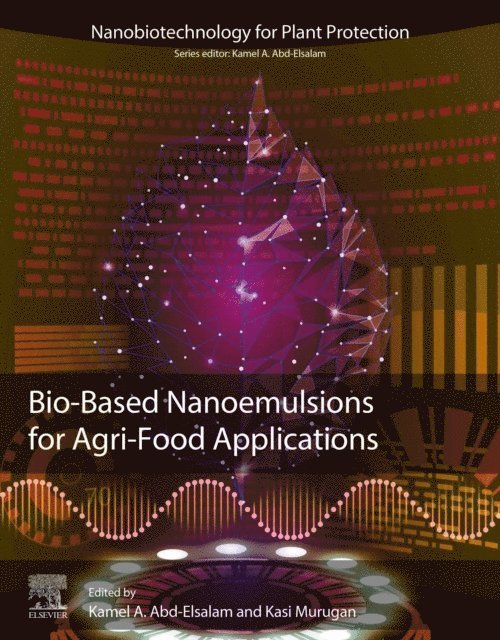
Recent agricultural, food, and pharmaceutical research focuses attention on the development of delivery systems that can encapsulate, protect, and deliver natural compounds. Nanoemulsions are recognized as the best delivery systems for natural-origin nutraceuticals and phytochemicals, having many agri-food applications.
Bio-based Nanoemulsions for Agri-Food Applications provides information on food-grade nanoemulsions and their application in agriculture and the food industry. This book covers concepts, techniques, current advances, and challenges in the formulation of the application of emerging food grade nanoemulsions. Particular attention is placed on food-grade nanoemulsion production methods and components used, such as plant/microbial products, biosurfactants, cosurfactants, emulsifiers, ligand targets, and bioactive/functional ingredients. This is an important reference source for materials scientists, engineers and food scientists who are looking to understand how nanoemulsions are being used in the agri-food sector.
Provides an overview of a range of bio-based nanoemulsions used in the agrifood sector Explores how nanotechnology improves the properties of bio-based emulsions Assesses the major challenges of manufacturing nanoemulsions at an industrial scale2 386 kr
Skickas inom 7-10 vardagar
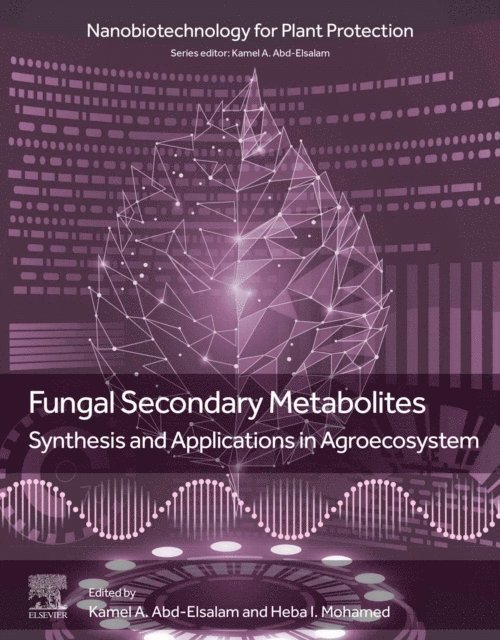
Fungal Secondary Metabolites: Synthesis and Applications in Agroecosystem presents the properties and biotechnological applications of fungal metabolites and their industrial, pharmaceutical, antimicrobial, and anticancer applications.Chapters cover topics including the role of fungal metabolites in the management of biotic or abiotic stress, microbial alkaloids and their pharmaceutical and agricultural applications, and fungal metabolites as novel plant pathogen antagonists. In order to develop novel bioactive compounds, researchers must understand the agricultural applications of fungal metabolites. This book provides expert insights from around the globe highlighting the latest understanding and future prospects for their use.Plant and agri-food environmental scientists, researchers, graduate, and post-graduate students in related fields will find value in this reference book which is published as part of the Nanobiotechnology for Plant Protection series.
Addresses the link between fungal secondary metabolites and healthCovers cryptic genes and their link to the production of bioactive compoundsExplores possibilities for producing bio-based business solutions1 898 kr
Skickas inom 7-10 vardagar
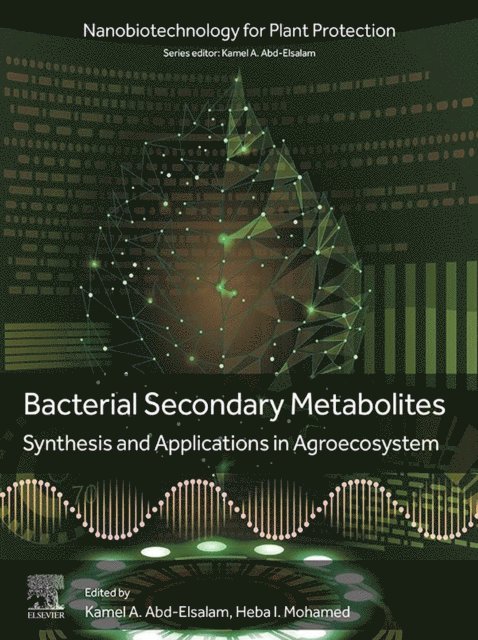
Bacterial Secondary Metabolites: Synthesis and Applications in Agroecosystem presents the structure, properties, and biotechnological applications of bacterial metabolites and their upcoming industrial, pharmaceutical, antimicrobial, and anticancer applications. Chapters cover topics such as the use of lactic acid bacteria as an antifungal and antibacterial agent, bacterial siderophores structure and potential applications, and the role of cyanobacteria metabolites in disease management, amongst others. Plant and agri-food environmental scientists and researchers, graduate, and post-graduate students in related fields will benefit from this reference book which is published as part of the Nanobiotechnology for Plant Protection series.
Explores how research might lead to the production of new bio-based commercial solutions to tackle global agricultural and human diseasesContains extensive information to understand the intricate processes of cryptic genes and their relationship to the synthesis of bioactive chemicalsProvides in-depth insights into microbial biotechnology, namely secondary metabolites2 386 kr
Skickas inom 7-10 vardagar
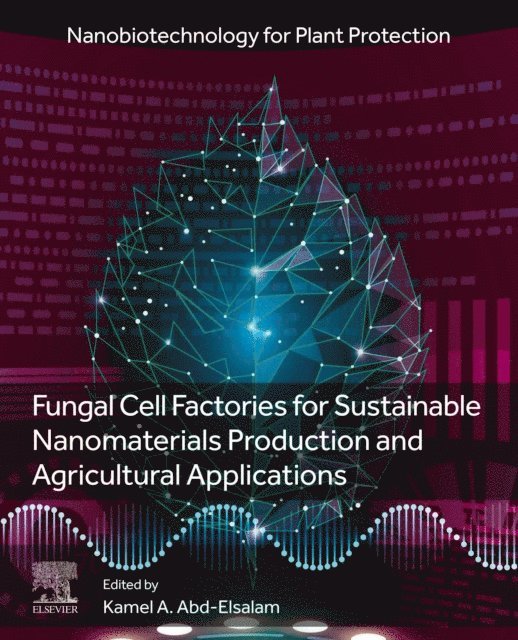
Fungal Cell Factories for Sustainable Nanomaterials Productions and Agricultural Applications
2 812 kr
Skickas inom 7-10 vardagar
Fungal Cell Factories for Sustainable Nanomaterials Productions and Agricultural Applications explores the mycogenic synthesis of many metal nanoparticles, including processing processes, environmental protection, and future perspectives. Nanomaterials, including silver, gold, palladium, copper, zinc, selenium, titanium dioxide, metal sulphide, cellulose, have been formed by major fungal genes, such as mushrooms, Fusarium, Trichoderma, endophytic fungi, and yeast, in addition to lichens. Understanding the exact process involved in the synthesis of nanoparticles and the effects of various factors on the reduction of metal ions can help to improve low-cost strategies for the synthesis and extraction of nanoparticles.
Other sections focus on a new framework for the production of nano-antimicrobial, the use of myconanoparticles against plant diseases, post-harvest antibiotics, mycotoxin control and plant pests in addition to certain animal pathogens. Myconanomaterials are well developed with great potential and promise for advanced diagnostics, biosensors, precision farming and targeted smart delivery systems.
Assesses the impact of a variety of copper-based nanostructures on agri-food sectors, addressing the most relevant knowledge gaps Explores the opportunities that myconanotechnology can provide for industrial applications Explains the major challenges of applying myconanotechnology at an industrial scaleCRISPRized Horticulture Crops
Genome Modified Plants and Microbes in Food and Agriculture
2 508 kr
Skickas inom 7-10 vardagar
CRISPRized Horticultural Crops: Genome Modified Plants and Microbes in Food and Agriculture summarizes applications of CRISPR/Cas systems and its advanced variants e.g., CRISPR/Cpf1, base editing and prime editing, for precise editing of horticultural crops. The book discusses vector transformations methods, epi-genome, deep learning, synthetic biology, and precision breeding for improving yield and quality related attributes in horticultural crops. With coverage of the relevant technologies and their applications, the book also includes bioinformatics and large-scale databases and their potential application in fruits, vegetables and ornamental plants and sections on regulatory concerns related to CRISPR edited crops.
Horticultural crops, including fruit, vegetable and ornamental plants are an important component of agriculture production systems and play an important role in sustaining human life.�
Reviews CRISPR for editing horticultural crops Discusses vector transformation methods, epigenome, deep learning, synthetic biology and precision breeding Includes bioinformatics and large-scale databases Contributes engineering approaches for crop improvement programs1 995 kr
Skickas inom 7-10 vardagar
Nanofertilizer Delivery, Effects and Application Methods explores the science of nutrient nanoformulation, a potential tool toward sustainable and climate-sensitive crops. The book discusses the potential agricultural benefits of nanofertilizers, from coverage of their formulation and delivery, to application, plant uptake, translocation, and destiny, and their overall effect on plant physiology and metabolism. As the widespread use of chemical fertilizers has been shown to causes significant damage to soil structure, mineral cycles, soil microbial flora, plants, and create human health risk, both immediately and for future generations, this book elucidates on the latest findings.According to recent studies, through environmental cues and biological demands, nano-fertilizers can respond to specifical challenges and boost agricultural yield by increasing the rate of seed germination, seedling growth, photosynthetic activity, nitrogen metabolism, and carbohydrate and protein synthesis. This book is ideal for researchers in industry and academia.
Highlights types, uses, and advantages of a wide range and variety of nanofertilizers on agri-food sectorsLooks at current practices, their challenges, and future development opportunitiesIncludes methods and applications for real-world insights1 898 kr
Skickas inom 7-10 vardagar
Nanofertilizer Synthesis: Methods and Types discusses the production of a variety of nano-fertilizers, including biological, chemical, and mechanical types. The book presents the latest information, highlights the benefits and impacts of each, and provides a single-volume resource to help effectively and efficiently identify options based on use-case. Exploring the topic from the various mechanistic types to the relevant regulatory, safety, and economic aspects, this volume will be appropriate for those working with and researching new nano-fertilizers which aid in nutrition control by increasing nutrient consumption efficiency as nutrients are bonded to nano-dimensional adsorbents, which in turn release nutrients considerably more slowly than traditional fertilizers. As the nano-fertilizer sector advances, one approach is to concentrate on macro elements (N, P, K), as switching to nano-fertilizers may result in significant environmental benefits by replacing the majority of these nutrients. Furthermore, the biosynthesis of nanomaterials employing bacteria, algae, yeast, fungus, actinomycetes, and plants has opened up a new field of study for the creation of inorganic nanoparticles as environmentally benign fertilizers. Because of the several-fold increase in the surface-to-volume ratio of nano-forms of nutrients, and their appropriateness for foliar application, where environmental losses are further decreased, nano-fertilizers may achieve higher efficiency.
Guides in the identification of appropriate nano-fertilizer options based on use-caseAddresses both target plant and environmental considerationsIncludes economic and regulatory insights2 195 kr
Skickas inom 7-10 vardagar
Global Regulatory Outlook of CRISPRized Plants summarizes CRISPR/Cas systems and applications for precise editing of plant genomes and discusses global regulatory frameworks for CRISPR edited crops. While CRISPR technology has become a routine, cheap, and efficient method to generate edited crops with superior traits, how these crops are regulated determines the future of this technology. Understanding the current state of regulation, concerns, issues, and foundations for future decisions are key in determining how this technology is used going forward. This important summary will be vital to the successful commercialization of CRISPR technology and biosafety concerns associated with this technology. The book highlights regulatory classification of CRISPR modifications such as SDN1, SDN2 and SDN3 and their global regulation and discusses the social, ethical, governance, and policy issues related to CRISPR edited crops.
Presents regulatory frameworks for CRISPR edited crops in the USA, Canada, Australia and New Zealand, Japan, EU, Africa, and AsiaIncludes a specific chapter on global regulation of genetically engineered cropsAddresses public perception, social aspects, and ethical concerns that are impacting the commercialization of CRISPR edited cropsNanotechnology for Hydrogen Production and Storage
Nanostructured Materials and Interfaces
1 898 kr
Skickas inom 7-10 vardagar
Nanotechnology for Hydrogen Production and Storage: Nanostructured Materials and Interfaces presents an evaluation of the various nano-based systems for hydrogen generation and storage. With a focus on challenges and recent developments, the book analyzes nanomaterials with the potential to boost hydrogen production and improve storage. It assesses the potential improvements to industrially important hydrogen production technologies by way of better surface-interface control through nanostructures of strategical composites of metal oxides, metal chalcogenides, plasmonic metals, conducting polymers, carbonaceous materials, and bio-interfaces with different types of algae and bacteria.In addition, the efficiency of various photochemical water splitting processes to generate renewable hydrogen energy are reviewed, with a focus on natural water splitting via photosynthesis, and the use of various metallic and non-metallic nanomaterials in anthropogenic/artificial water splitting processes is analyzed. Finally, the potential of nanomaterials in enhancing hydrogen generation in dark- and photo-fermentative organisms is explored, along with various nano-based systems for hydrogen generation and associated significant challenges and advances in biohydrogen research and development.
Synthesizes the latest advances in the field of nanoparticles for hydrogen production and storage, including new methods and industry applicationsExplains various methods for the design of nanomaterials for hydrogen production and storageIdentifies the strengths and weaknesses of different nanomaterials and approachesExplores hydrogen production via photocatalytic, electrocatalytic, and biological processes1 995 kr
Skickas inom 7-10 vardagar
2 696 kr
Skickas inom 10-15 vardagar
971 kr
Skickas inom 10-15 vardagar
Plant Growth Regulators to Manage Biotic and Abiotic Stress in Agroecosystems
2 226 kr
Skickas inom 10-15 vardagar
726 kr
Skickas inom 10-15 vardagar
2 226 kr
Skickas inom 10-15 vardagar
Biofungicides: Eco-Safety and Future Trends
Novel Sources and Mechanisms, Volume 2
1 957 kr
Skickas inom 10-15 vardagar
Biofungicides: Eco-Safety and Future Trends
Novel Sources and Mechanisms, Volume 2
713 kr
Skickas inom 10-15 vardagar
2 040 kr
Kommande
3 788 kr
Skickas inom 5-8 vardagar