Rajiv Periakaruppan - Böcker
2 398 kr
Skickas inom 7-10 vardagar
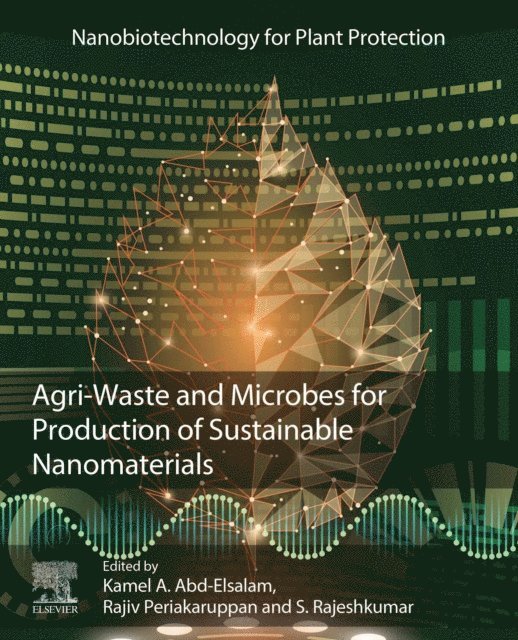
Agri-Waste and Microbes for Production of Sustainable Nanomaterials assesses the most recent trends used to produce bionanomaterials from agricultural waste and microorganisms. The book covers the green synthesis of various nanomaterials using microorganisms and agricultural waste, including the synthesis and characterization of green nanomaterials, the production of nanomaterials from agri-waste, including metallic, copper, silica, cellulose, nanopolymers and nano/micro plastics, and biological methods such as agricultural and microbial synthesis of metallic/metal oxide, magnetic, silver, copper, nanomaterials and nanonutrients. This is an important reference source for plant scientists, materials scientists and environmental scientists who want to understand this new generation of sustainable nanomaterials.
The synthesis of nanocellulose materials from agri-wastes is an emerging alternative for waste treatment methods, developing new biosensors and antimicrobial agents. Silicon nanoparticles are an additional ingredient for the improvement of crop yields. With recent advances in nanomaterials synthesis performance and the discovery of their biomedical, environmental and agricultural applications, it is hoped that the implementation of these methods will be used at large-scale for industrial applications in different sectors.
Highlights recent methods to produce bionanomaterials from agricultural waste and microorganisms Explores the use of agri-waste in environmental and agricultural applications Assesses the major challenges for using agri-waste to create eco-friendly nanomaterials at large scale1 898 kr
Skickas inom 7-10 vardagar
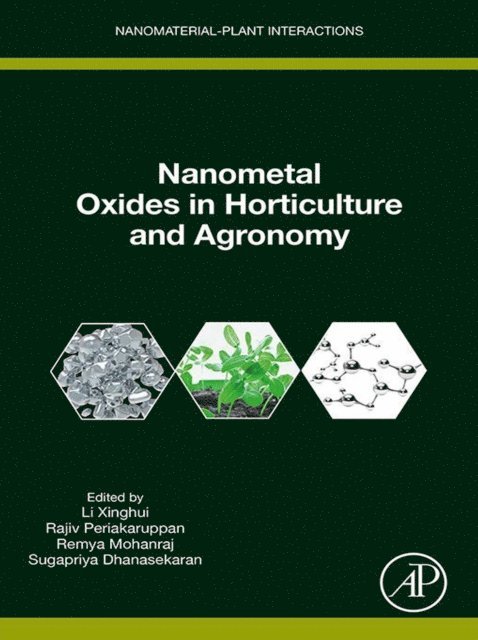
Nanometal Oxides in Horticulture and Agronomy, a volume in the Nanomaterial-Plant Interactions series, summarizes the physiological, morphological, biochemical, and molecular regulation of metal oxide nanoparticles in plants under normal conditions as well as during different stresses. With a focus on impact and applications, it presents the latest advances in the roles of metal oxide nanoparticles in both horticulture and agriculture.
Metal oxide nanoparticles have been reported as beneficial inorganic materials for the growth and development of plants, playing a protective role against the abiotic and biotic stresses. Researchers need to understand the different regulatory pathways of metal oxide nanoparticles, including their mechanisms of operation under different stressful conditions. This volume presents the physiological, morphological, biochemical, and molecular regulation of metal oxide nanoparticles in plants in normal conditions as well as during different stresses. It also discusses tolerance mechanisms and the variety of roles and applications that metal oxide nanoparticles have within plant biology.
Beginning with an introductory overview to metal oxide nanomaterials, chapters discuss the effect of metal oxide nanomaterials on biochemical pathways within the plant, highlighting key applications such as fertilizers, weed control systems and pest control systems. It describes the impact of metal oxide nanoparticles in different challenging environmental conditions. Concluding with a discussion of the strengths and weaknesses of metal oxide nanoparticles in agriculture, Nanometal Oxides in Horticulture and Agronomy provides inspiration for further research and advancement. This book is an essential read for researchers and students interested in horticulture, agronomy, and plant nanomaterials.
Bridges the interdisciplinary knowledge gap between metal oxide nanoparticle synthesis and biological relevance in agriculture and horticulture Evaluates why metal oxide nanoparticles are superior to other nanomaterials for horticultural and agricultural applications Interprets the impact of metal oxide nanoparticles against a variety of different stressors, including drought, salinity and heavy metal contamination