Kan Wang - Böcker
Visar alla böcker från författaren Kan Wang. Handla med fri frakt och snabb leverans.
11 produkter
11 produkter
Del 3 - Biotechnology Research
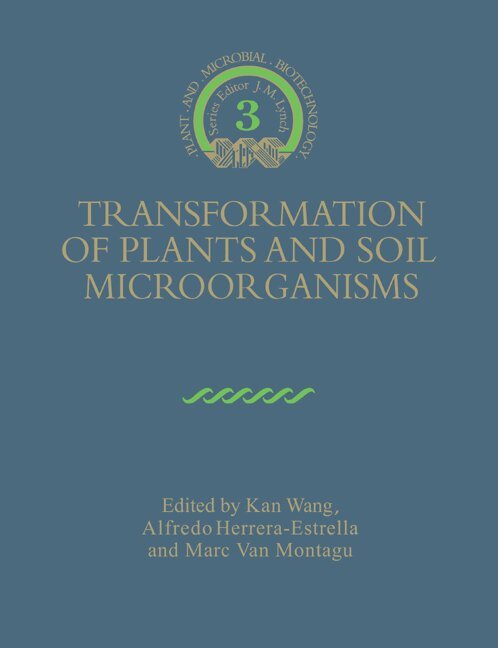
Transformation of Plants and Soil Microorganisms
Häftad, Engelska, 2004
652 kr
Skickas inom 7-10 vardagar
Over the past fifty years plant breeders have achieved impressive improvements in yield, quality and disease resistance. These gains suggest that many more modifications might be introduced if appropriate genes can be identified. Current DNA techniques allow the construction of transgenic plants and this important new book reviews the current state of knowledge. A team of leading researchers provide in-depth reviews at the cutting edge of technology for laboratory techniques for the transformation of important soil microorganisms and recalcitrant plants of economic value. The book is divided into three sections: soil microorganisms; cereal crops; and industrially important plants. The most effective methods used to date are compared, and their merits and limitations discussed. Some chapters emphasise case studies and applications. In cases where obstacles remain to be overcome, an overview of progress to date is given. The book will serve as a general guide and reference tool for those working on transformation in microbiology and plant science.
2 101 kr
Skickas inom 10-15 vardagar
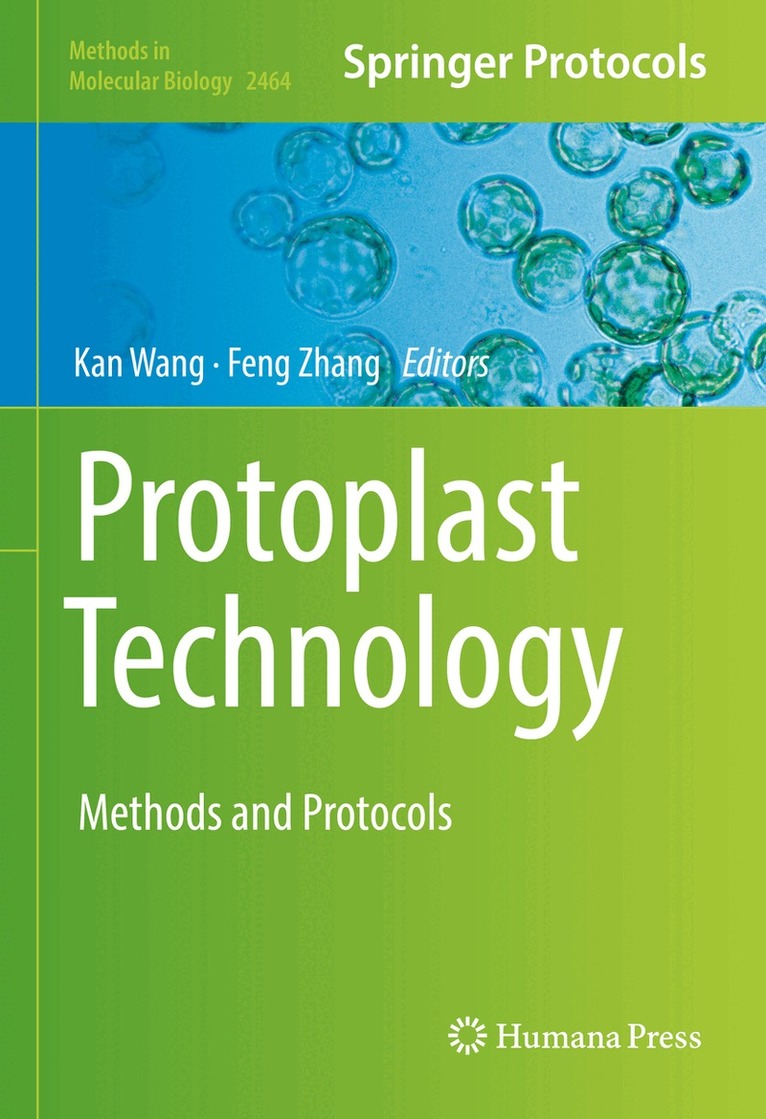
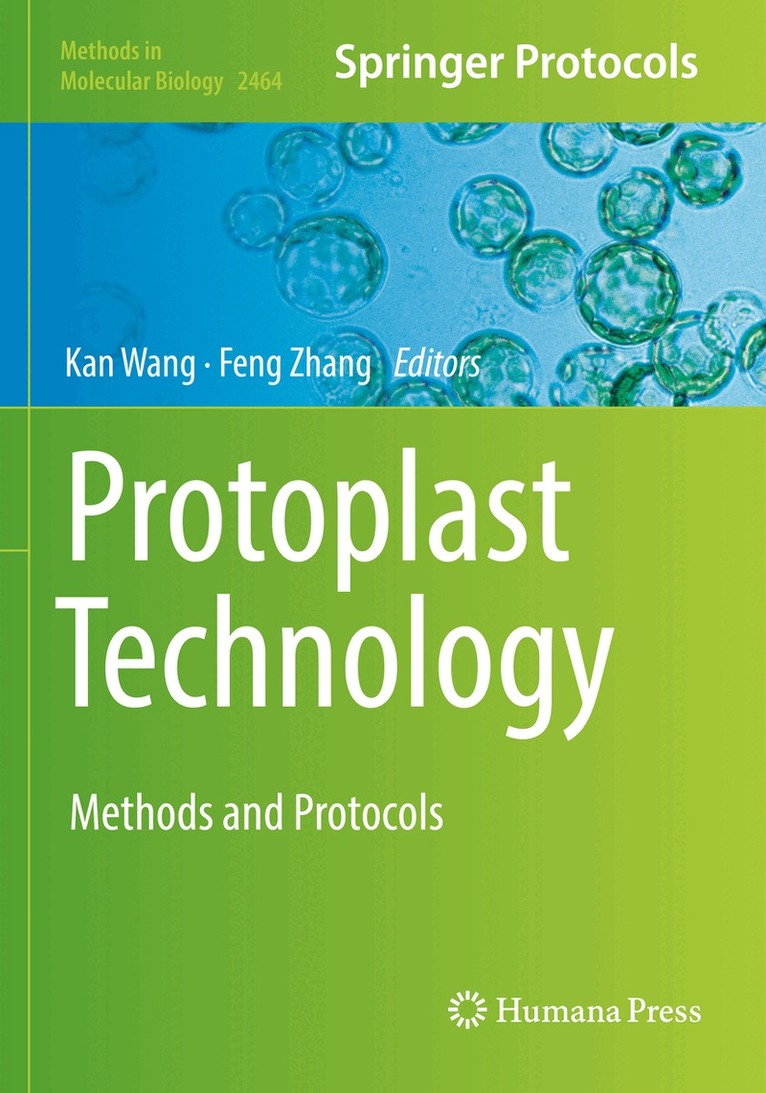
The book begins with chapters that focus on basic protoplast techniques and their utilities, such as protocols on protoplast isolation, transfection, and regeneration, as well as examples of how to use protoplasts for genome editing and gene function analysis in a number of major crop or model plant species.
1 381 kr
Skickas inom 10-15 vardagar
The book begins with chapters that focus on basic protoplast techniques and their utilities, such as protocols on protoplast isolation, transfection, and regeneration, as well as examples of how to use protoplasts for genome editing and gene function analysis in a number of major crop or model plant species.
1 064 kr
Skickas inom 10-15 vardagar
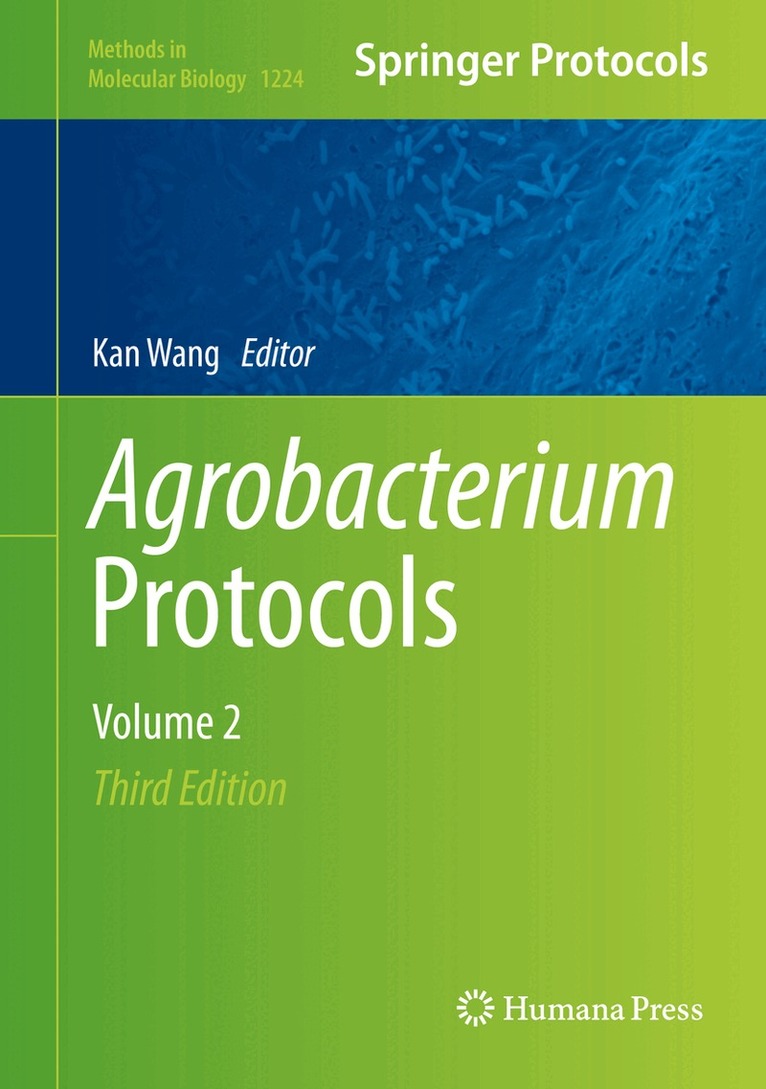
Rapid changes and significant progress have been made in the Agrobacterium field, such as genetically transforming plants for both basic research purposes and agricultural development. In Agrobacterium Protocols, Third Edition, Volumes 1 and 2, a team of leading experts and veteran researchers describe in detail techniques for delivering DNA to plant cells and permanently altering their genomes. This edition emphasizes agricultural crops and plant species with economic values, with updated protocols on 32 plant species and protocols involving 19 new species. Together with the 1st and 2nd editions, these two volumes offer Agrobacterium-mediated genetic transformation protocols for a total of 76 plant species. For a number of important plants such as rice, barley, wheat and citrus, multiple protocols using different starting plant materials for transformation are included. Volume 2 contains 29 chapters with updated techniques for industrial plants, root plants, nuts and fruits, tropic plants, and other important plant species. Written in the highly successful Methods in Molecular Biology series format, chapters include introductions to their respective topics, lists of the necessary materials and reagents, step-by-step, readily reproducible laboratory protocols, and tips on troubleshooting and avoiding known pitfalls.Authoritative and cutting-edge, Agrobacterium Protocols, Third Edition facilitates the transfer of this rapidly developing technology to all researchers in both fundamental and applied biology.
1 578 kr
Skickas inom 10-15 vardagar
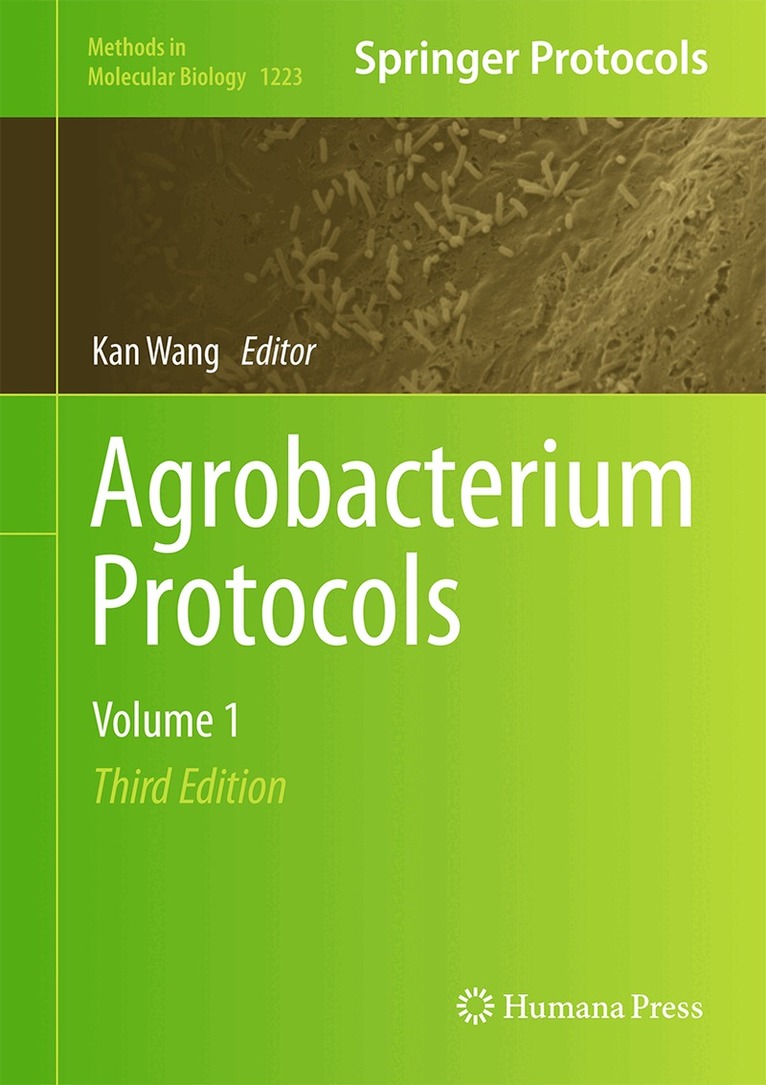
Rapid changes and significant progress have been made in the Agrobacterium field, such as genetically transforming plants for both basic research purposes and agricultural development. In Agrobacterium Protocols, Third Edition, Volumes 1 and 2, a team of leading experts and veteran researchers describe in detail techniques for delivering DNA to plant cells and permanently altering their genomes. This edition emphasizes agricultural crops and plant species with economic values, with updated protocols on 32 plant species and protocols involving 19 new species. Together with the 1st and 2nd editions, these two volumes offer Agrobacterium-mediated genetic transformation protocols for a total of 76 plant species. For a number of important plants such as rice, barley, wheat and citrus, multiple protocols using different starting plant materials for transformation are included.Volume 1 details updated techniques available for 18 plant species drawn from cereal crops, legume plants, vegetable plants, and three model plant species: Brachypodium distachyon, Medicago truncatula, and Setaria viridis. It also updates a chapter for vector construction, a step critical to a successful plant transformation process. Written in the highly successful Methods in Molecular Biology series format, chapters include introductions to their respective topics, lists of the necessary materials and reagents, step-by-step, readily reproducible laboratory protocols, and tips on troubleshooting and avoiding known pitfalls.Authoritative and cutting-edge, Agrobacterium Protocols, Third Edition facilitates the transfer of this rapidly developing technology to all researchers for use in both fundamental and applied biology.
1 175 kr
Skickas inom 10-15 vardagar
Rapid changes and significant progress have been made in the Agrobacterium field, such as genetically transforming plants for both basic research purposes and agricultural development. In Agrobacterium Protocols, Third Edition, Volumes 1 and 2, a team of leading experts and veteran researchers describe in detail techniques for delivering DNA to plant cells and permanently altering their genomes. This edition emphasizes agricultural crops and plant species with economic values, with updated protocols on 32 plant species and protocols involving 19 new species. Together with the 1st and 2nd editions, these two volumes offer Agrobacterium-mediated genetic transformation protocols for a total of 76 plant species. For a number of important plants such as rice, barley, wheat and citrus, multiple protocols using different starting plant materials for transformation are included.Volume 1 details updated techniques available for 18 plant species drawn from cereal crops, legume plants, vegetable plants, and three model plant species: Brachypodium distachyon, Medicago truncatula, and Setaria viridis. It also updates a chapter for vector construction, a step critical to a successful plant transformation process. Written in the highly successful Methods in Molecular Biology series format, chapters include introductions to their respective topics, lists of the necessary materials and reagents, step-by-step, readily reproducible laboratory protocols, and tips on troubleshooting and avoiding known pitfalls.Authoritative and cutting-edge, Agrobacterium Protocols, Third Edition facilitates the transfer of this rapidly developing technology to all researchers for use in both fundamental and applied biology.
1 175 kr
Skickas inom 10-15 vardagar
Rapid changes and significant progress have been made in the Agrobacterium field, such as genetically transforming plants for both basic research purposes and agricultural development. In Agrobacterium Protocols, Third Edition, Volumes 1 and 2, a team of leading experts and veteran researchers describe in detail techniques for delivering DNA to plant cells and permanently altering their genomes. This edition emphasizes agricultural crops and plant species with economic values, with updated protocols on 32 plant species and protocols involving 19 new species. Together with the 1st and 2nd editions, these two volumes offer Agrobacterium-mediated genetic transformation protocols for a total of 76 plant species. For a number of important plants such as rice, barley, wheat and citrus, multiple protocols using different starting plant materials for transformation are included. Volume 2 contains 29 chapters with updated techniques for industrial plants, root plants, nuts and fruits, tropic plants, and other important plant species. Written in the highly successful Methods in Molecular Biology series format, chapters include introductions to their respective topics, lists of the necessary materials and reagents, step-by-step, readily reproducible laboratory protocols, and tips on troubleshooting and avoiding known pitfalls.Authoritative and cutting-edge, Agrobacterium Protocols, Third Edition facilitates the transfer of this rapidly developing technology to all researchers in both fundamental and applied biology.
2 110 kr
Skickas inom 10-15 vardagar
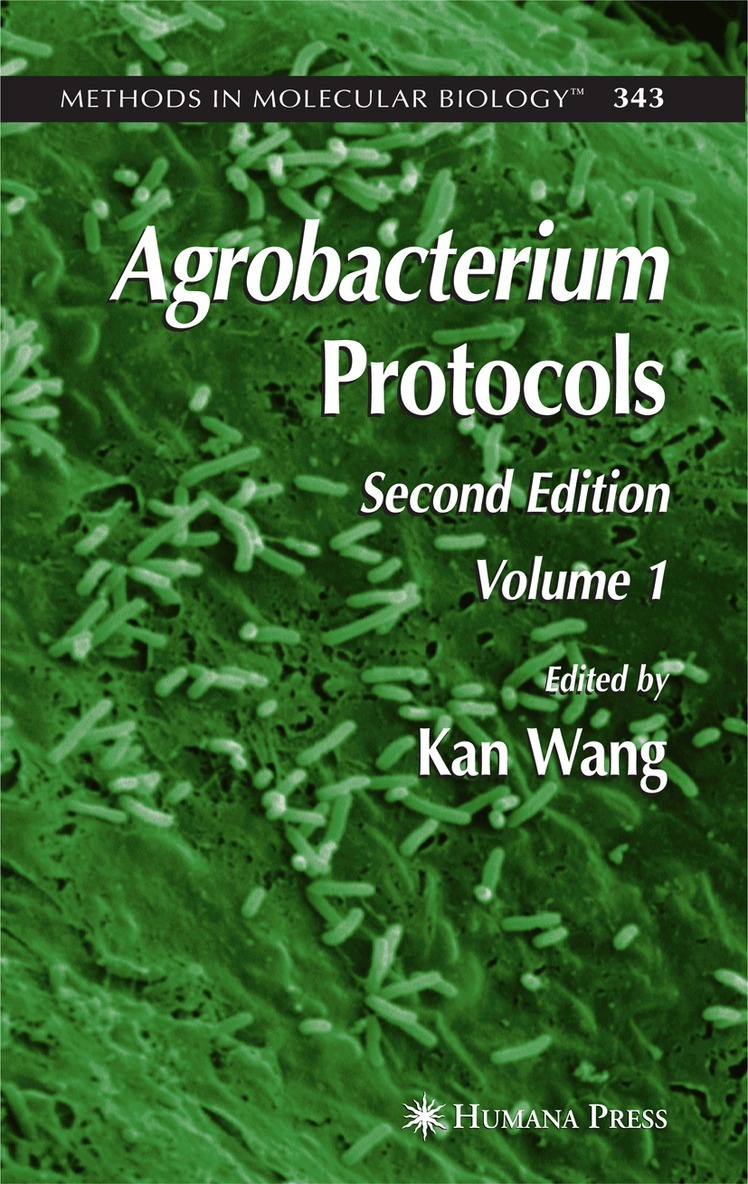
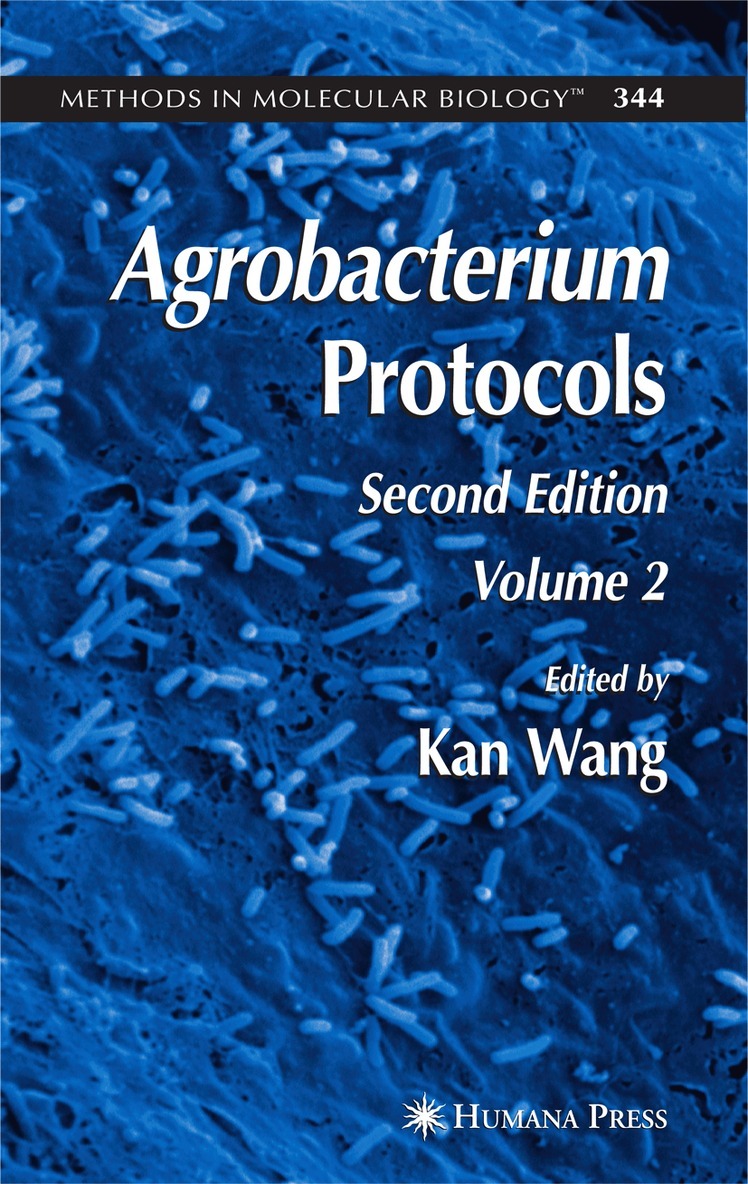
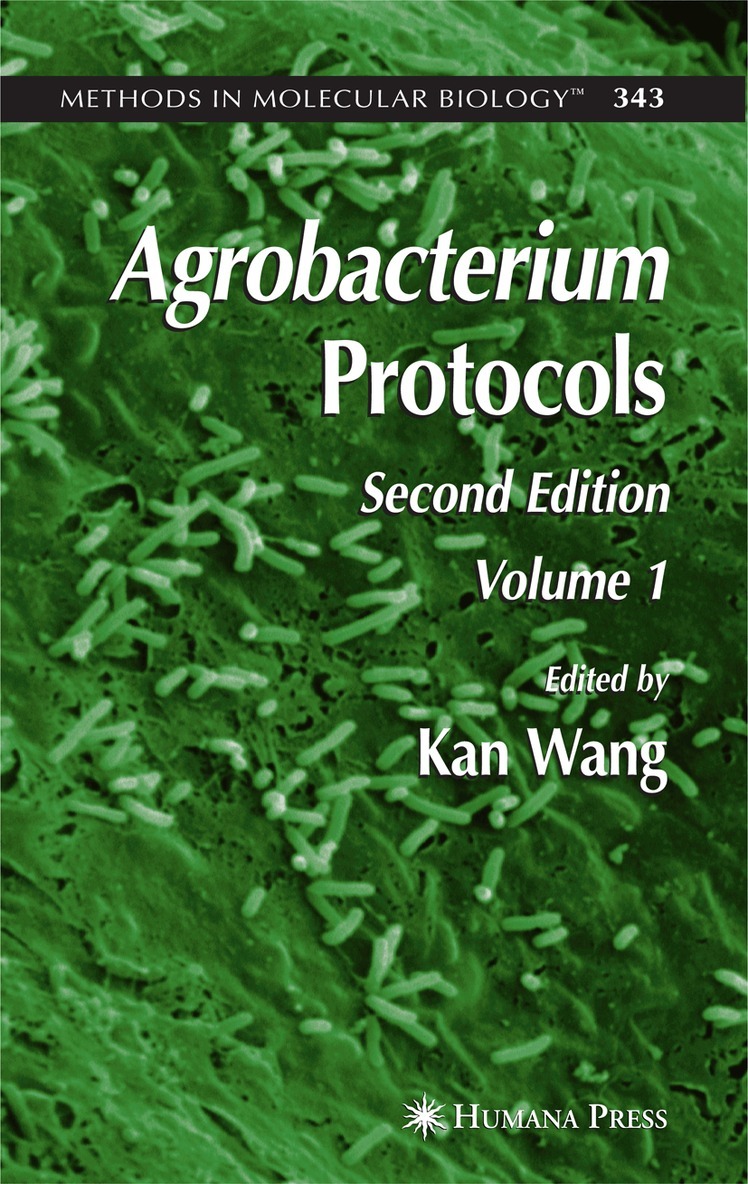
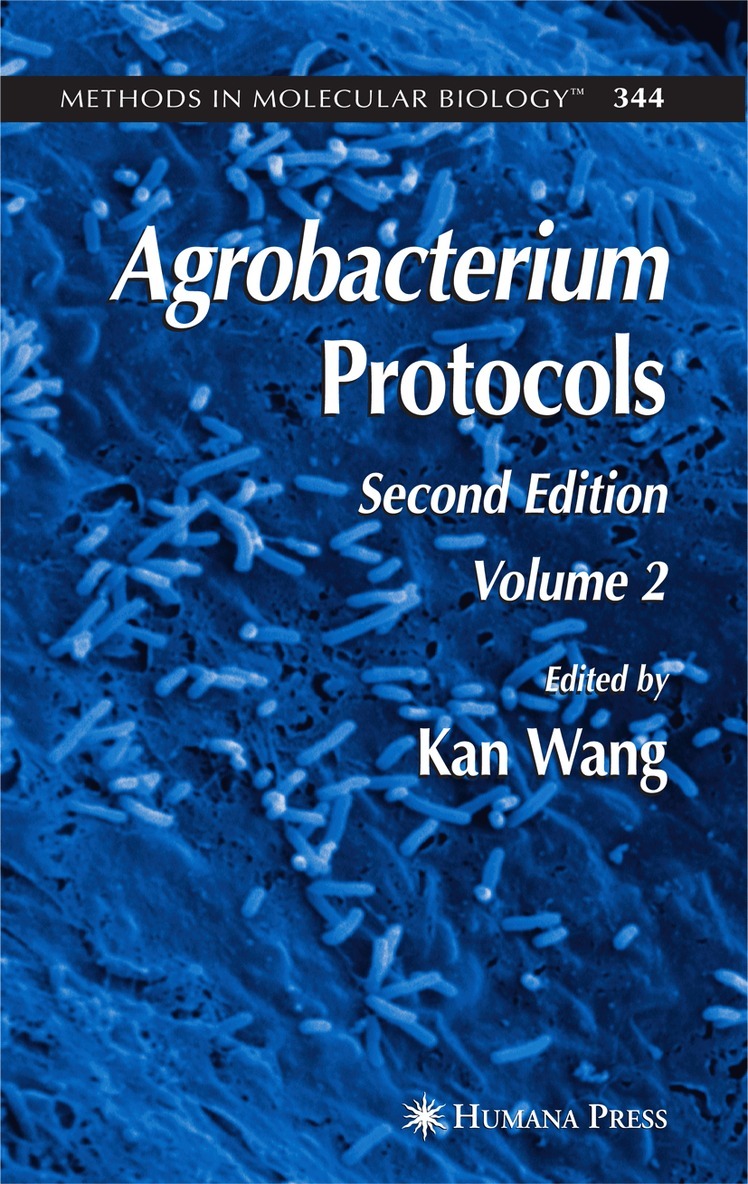
Agrobacterium tumefaciens is a soil bacterium that for more than a century has been known as a pathogen causing the plant crown gall disease. Unlike many other pathogens, Agrobacterium has the ability to deliver DNA to plant cells and permanently alter the plant genome. The discovery of this unique feature 30 years ago has provided plant scientists with a powerful tool to genetically transform plants for both basic research purposes and for agricultural development. Compared to physical transformation methods such as particle bomba- ment or electroporation, Agrobacterium-mediated DNA delivery has a number of advantages. One of the features is its propensity to generate a single or a low copy number of integrated transgenes with defined ends. Integration of a single transgene copy into the plant genome is less likely to trigger “gene silencing” often associated with multiple gene insertions. When the first edition of Agrobacterium Protocols was published in 1995, only a handful of plants could be routinely transformed using Agrobacterium. Agrobacterium-mediated transformation is now commonly used to introduce DNA into many plant species, including monocotyledon crop species that were previously considered non-hosts for Agrobacterium. Most remarkable are recent developments indicating that Agrobacterium can also be used to deliver DNA to non-plant species including bacteria, fungi, and even mammalian cells.
1 584 kr
Skickas inom 10-15 vardagar
Agrobacterium tumefaciens is a soil bacterium that for more than a century has been known as a pathogen causing the plant crown gall disease. Unlike many other pathogens, Agrobacterium has the ability to deliver DNA to plant cells and permanently alter the plant genome. The discovery of this unique feature 30 years ago has provided plant scientists with a powerful tool to genetically transform plants for both basic research purposes and for agric- tural development. Compared to physical transformation methods such as particle bomba- ment or electroporation, Agrobacterium-mediated DNA delivery has a number of advantages. One of the features is its propensity to generate single or a low copy number of integrated transgenes with defined ends. Integration of a single transgene copy into the plant genome is less likely to trigger “gene silencing” often associated with multiple gene insertions. When the first edition of Agrobacterium Protocols was published in 1995, only a handful of plants could be routinely transformed using Agrobacterium. Ag- bacterium-mediated transformation is now commonly used to introduce DNA into many plant species, including monocotyledon crop species that were previously considered non-hosts for Agrobacterium. Most remarkable are recent devel- ments indicating that Agrobacterium can also be used to deliver DNA to non-plant species including bacteria, fungi, and even mammalian cells.
2 110 kr
Skickas inom 10-15 vardagar
A gold standard collection of Agrobacterium-mediated transformation techniques for state-of-the-art plant genetic engineering, functional genomic analysis, and crop improvement. Volume 1 details the most updated techniques available for twenty-six plant species drawn from cereal crops, industrial plants, legume plants, and vegetable plants, and presents various methods for introducing DNA into three major model plant species, Arabidopsis thaliana, Medicago truncatula, and Nicotiana. The authors also outline the basic methods in Agrobacterium manipulation and strategies for vector construction. Volume 2 contains another thirty-three proven techniques for root plants, turf grasses, woody species, tropic plants, nuts and fruits, ornamental plants, and medicinal plants. Additional chapters provide methods for introducing DNA into non-plant species, such as bacteria, fungi, algae, and mammalian cells.The protocols follow the successful Methods in Molecular Biologya series format, each offering step-by-step laboratory instructions, an introduction outlining the principles behind the technique, lists of the necessary equipment and reagents, and tips on troubleshooting and avoiding known pitfalls.
1 584 kr
Skickas inom 10-15 vardagar
A gold standard collection of Agrobacterium-mediated transformation techniques for state-of-the-art plant genetic engineering, functional genomic analysis, and crop improvement. Volume 1 details the most updated techniques available for twenty-six plant species drawn from cereal crops, industrial plants, legume plants, and vegetable plants, and presents various methods for introducing DNA into three major model plant species, Arabidopsis thaliana, Medicago truncatula, and Nicotiana. The authors also outline the basic methods in Agrobacterium manipulation and strategies for vector construction. Volume 2 contains another thirty-three proven techniques for root plants, turf grasses, woody species, tropic plants, nuts and fruits, ornamental plants, and medicinal plants. Additional chapters provide methods for introducing DNA into non-plant species, such as bacteria, fungi, algae, and mammalian cells.The protocols follow the successful Methods in Molecular Biologya series format, each offering step-by-step laboratory instructions, an introduction outlining the principles behind the technique, lists of the necessary equipment and reagents, and tips on troubleshooting and avoiding known pitfalls.