Kanako N Kusanagi – författare
Visar alla böcker från författaren Kanako N Kusanagi. Handla med fri frakt och snabb leverans.
4 produkter
4 produkter
538 kr
Skickas inom 5-8 vardagar
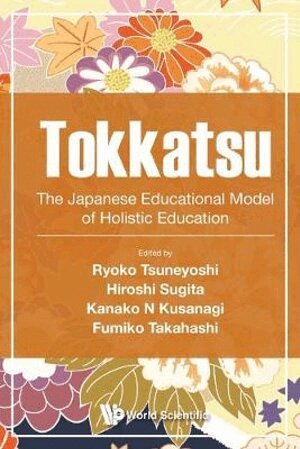
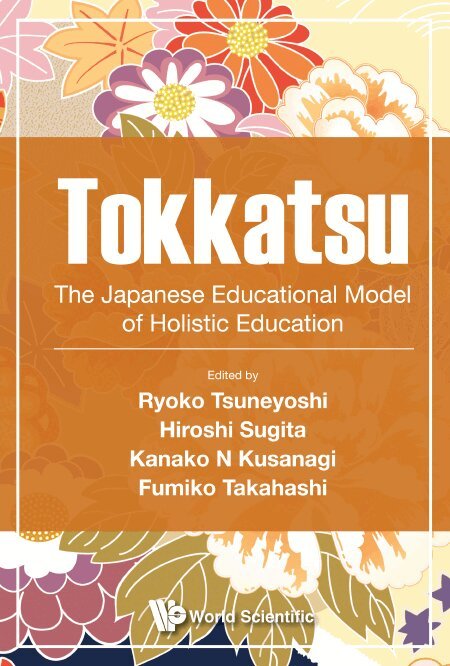
Though there has been much discussion on the academic aspects of Japanese education abroad (e.g., high scores on international tests, lesson study), there has been little information on the non-academic aspects of Japanese schooling. This non-academic aspect is called Tokkatsu (tokubetsu katsudo).Unlike math and reading, Tokkatsu is not confined to a certain period, but extends throughout the school day and even after-school activities — such as school excursions. It includes classroom activities such as classroom discussions, morning and afternoon meetings that take place daily, cleaning and serving lunch, school events such as sports day, school excursions, student councils, and club activities. Such activities occur every single day, throughout one's school years, from elementary school (actually, even kindergarten) to high school. They are, however, bound together by the common goals of the Tokkatsu framework.This book is the foremost attempt to address a gap in English literature on Tokkatsu.
1 455 kr
Skickas inom 10-15 vardagar
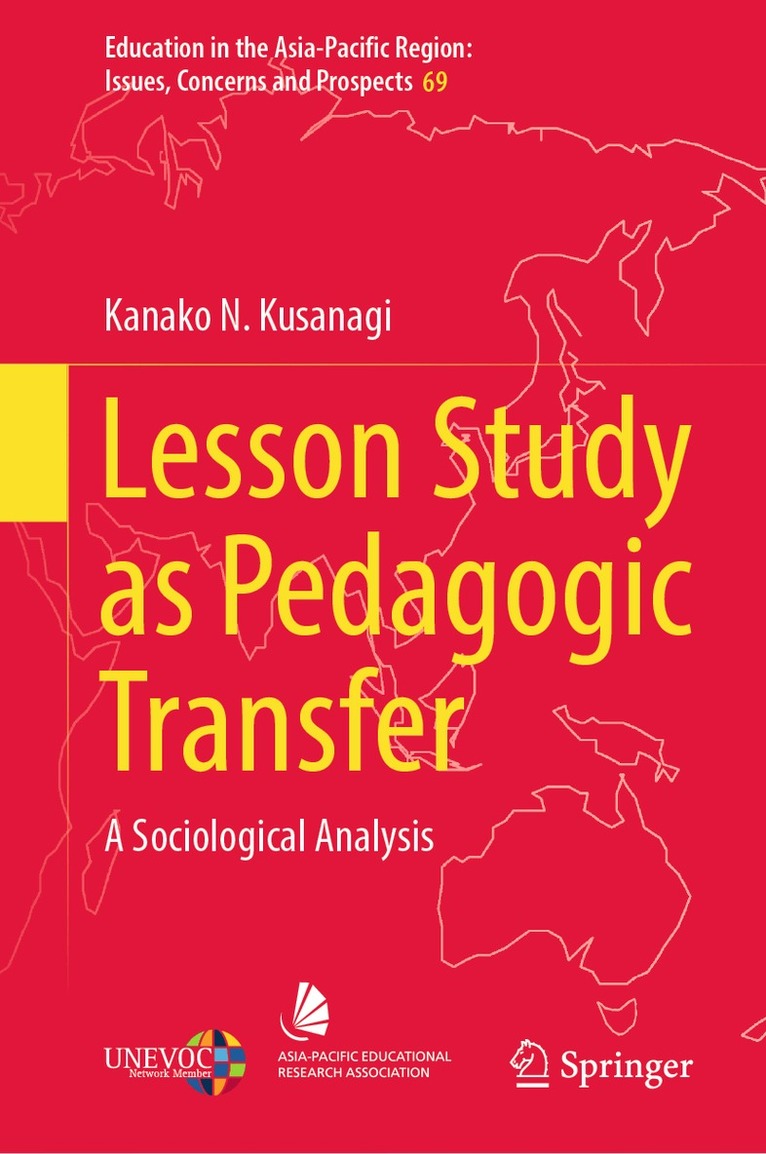
This book examines education transfer, specifically focusing on pedagogic transfer, and analyzes what happens when lesson study is introduced into foreign contextual settings. Lesson study, a professional development approach that originated in Japan 150 years ago, has been widely considered one of the best practices for collaborative professional development. There is an underlying assumption behind education transfer that when “best practice” is transferred to another country, it will generate a similar effect and improve schooling quality. Since pedagogic practice is socially constructed, the best practice in one setting may not be meaningful in another contextual setting. This book makes a unique contribution to the field of comparative education by offering a sociological examination of why pedagogic transfer often fails to bring expected benefits. It is comprised of three parts. Part I, ”Pedagogic Transfer and Lesson study,” provides contextualized analysis of lesson study in Japan and abroad and presents how the meaning of practice is always reinterpreted against the local educational context. Part II presents a sociological analysis of Indonesian teachers’ practice based on ethnographic fieldwork. It conceptually analyses the nature of the teacher community and their practice and is presented as “teacher strategies.” The concept showed that teacher culture and practice are not fixed but constantly negotiated within the institutional setting.Part III, “Sociological Understanding of Pedagogic Transfer,” builds on the analyses in Part I and II and provides a theoretical understanding of the issue of pedagogic transfer. Professional responsibilities of teachers, collegiality, and teaching expertise in Japan and Indonesia are compared to understand how the meaning of lesson study was reconstructed in the Indonesian setting. In conclusion, recommendations for an alternative approach to professional development are offered.
1 455 kr
Skickas inom 10-15 vardagar
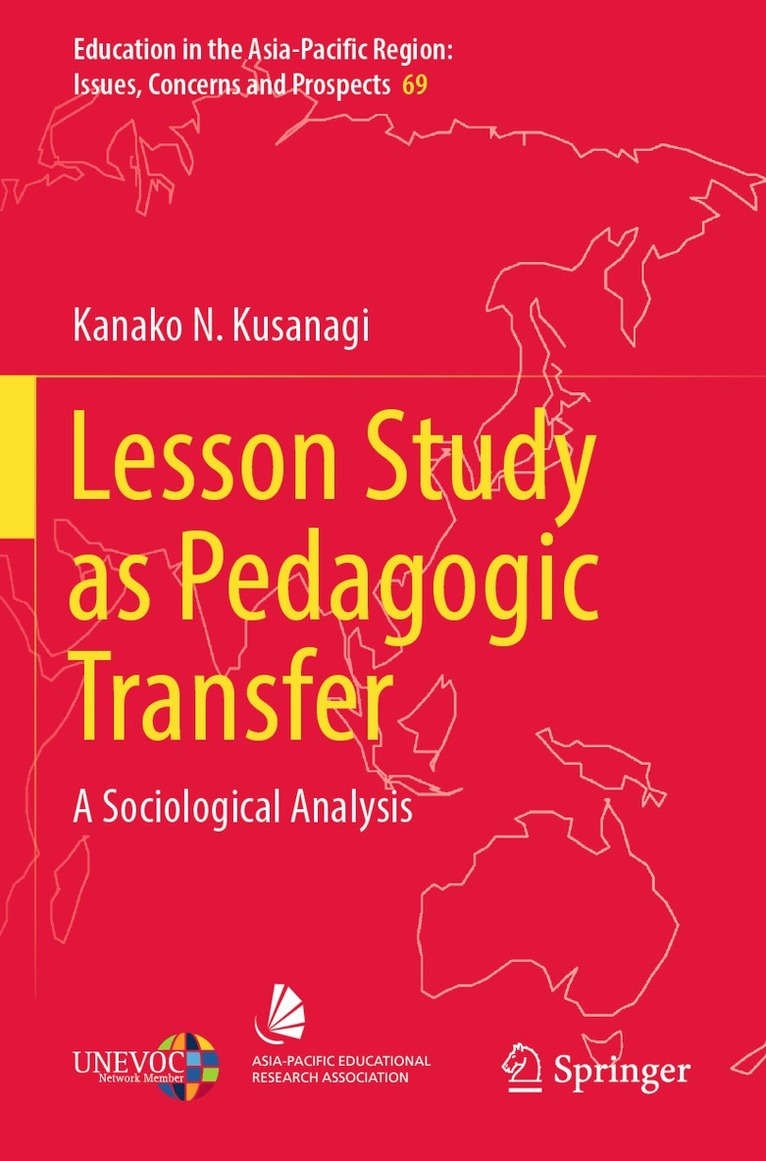
This book examines education transfer, specifically focusing on pedagogic transfer, and analyzes what happens when lesson study is introduced into foreign contextual settings. Lesson study, a professional development approach that originated in Japan 150 years ago, has been widely considered one of the best practices for collaborative professional development. There is an underlying assumption behind education transfer that when “best practice” is transferred to another country, it will generate a similar effect and improve schooling quality. Since pedagogic practice is socially constructed, the best practice in one setting may not be meaningful in another contextual setting. This book makes a unique contribution to the field of comparative education by offering a sociological examination of why pedagogic transfer often fails to bring expected benefits. It is comprised of three parts. Part I, ”Pedagogic Transfer and Lesson study,” provides contextualized analysis of lesson study in Japan and abroad and presents how the meaning of practice is always reinterpreted against the local educational context. Part II presents a sociological analysis of Indonesian teachers’ practice based on ethnographic fieldwork. It conceptually analyses the nature of the teacher community and their practice and is presented as “teacher strategies.” The concept showed that teacher culture and practice are not fixed but constantly negotiated within the institutional setting.Part III, “Sociological Understanding of Pedagogic Transfer,” builds on the analyses in Part I and II and provides a theoretical understanding of the issue of pedagogic transfer. Professional responsibilities of teachers, collegiality, and teaching expertise in Japan and Indonesia are compared to understand how the meaning of lesson study was reconstructed in the Indonesian setting. In conclusion, recommendations for an alternative approach to professional development are offered.
1 636 kr
Skickas inom 3-6 vardagar
Though there has been much discussion on the academic aspects of Japanese education abroad (e.g., high scores on international tests, lesson study), there has been little information on the non-academic aspects of Japanese schooling. This non-academic aspect is called Tokkatsu (tokubetsu katsudo).Unlike math and reading, Tokkatsu is not confined to a certain period, but extends throughout the school day and even after-school activities — such as school excursions. It includes classroom activities such as classroom discussions, morning and afternoon meetings that take place daily, cleaning and serving lunch, school events such as sports day, school excursions, student councils, and club activities. Such activities occur every single day, throughout one's school years, from elementary school (actually, even kindergarten) to high school. They are, however, bound together by the common goals of the Tokkatsu framework.This book is the foremost attempt to address a gap in English literature on Tokkatsu.