Ryoko Tsuneyoshi – författare
Visar alla böcker från författaren Ryoko Tsuneyoshi. Handla med fri frakt och snabb leverans.
14 produkter
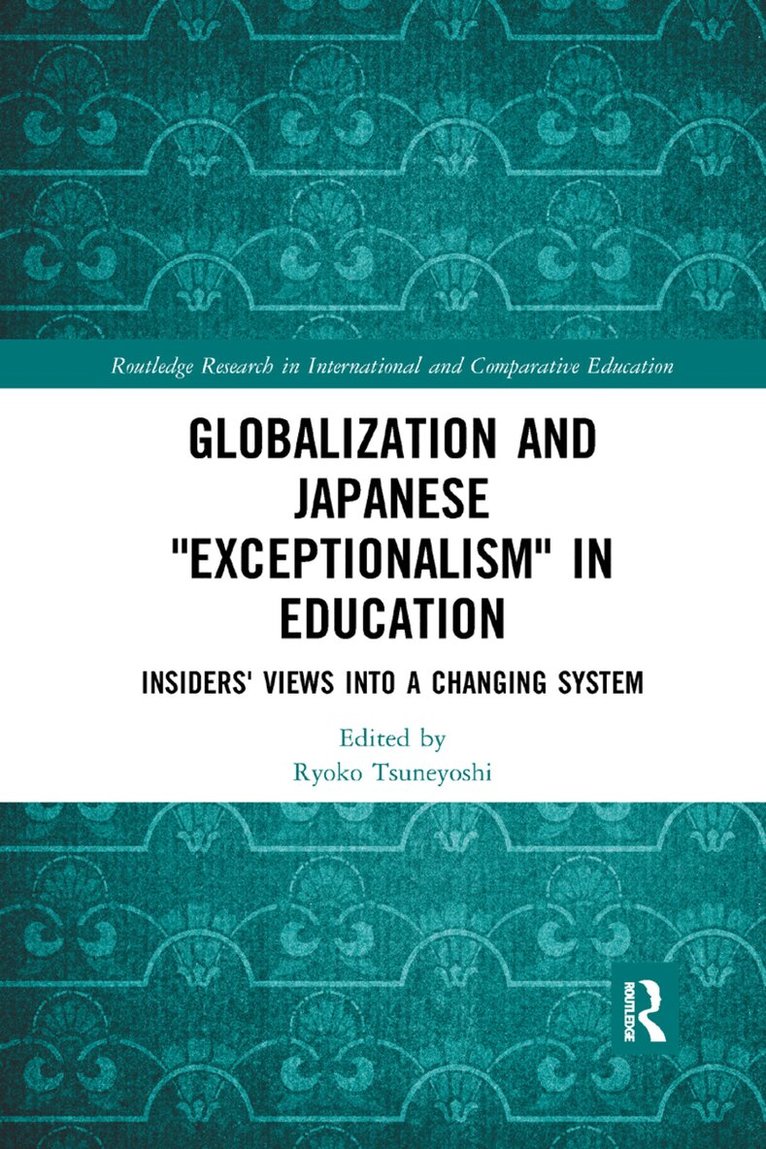
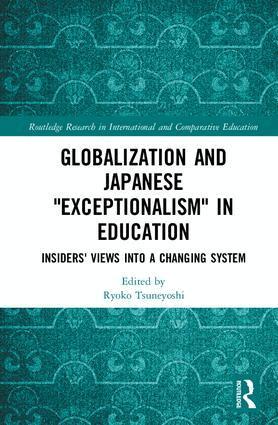
Globalization and Japanese Exceptionalism in Education
Insiders' Views into a Changing System
Häftad, 2019
715 kr
Lägg i varukorg
Globalization is the most common overriding characteristic of our time, with societies all over the world struggling to change their educational systems to meet what are perceived to be the needs of globalization. This book provides an insider's account of how the Japanese educational system is …
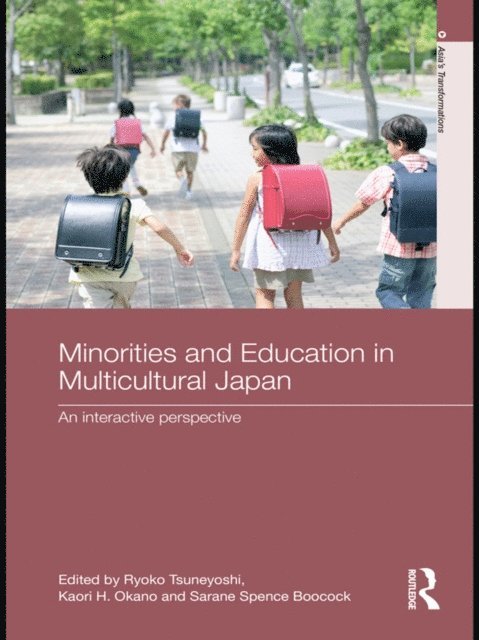
Minorities and Education in Multicultural Japan
An Interactive Perspective
Av Ryoko Tsuneyoshi, Kaori H. Okano m. fl.
Inbunden, 2010
2442 kr
Lägg i varukorg
This volume examines how Japan’s increasingly multicultural population has impacted on the lives of minority children and their peers at school, and how schools are responding to this trend in terms of providing minority children with opportunities and preparing them for the adult society. The …
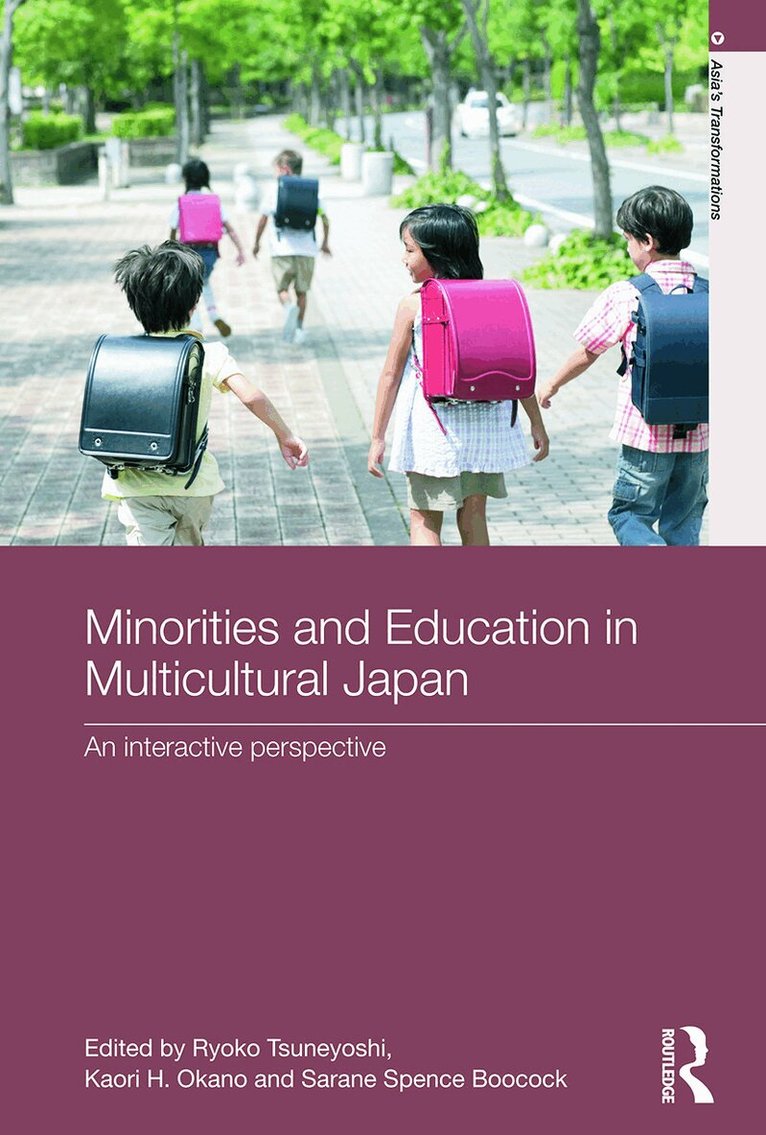
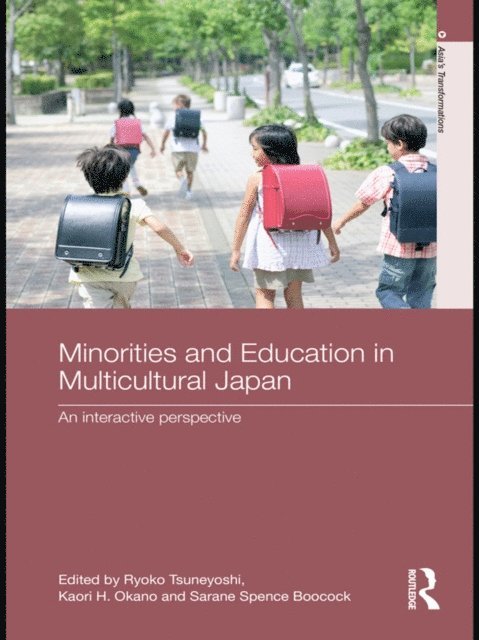
Minorities and Education in Multicultural Japan
An Interactive Perspective
Av Ryoko Tsuneyoshi, Kaori H. Okano m. fl.
Häftad, 2011
729 kr
Lägg i varukorg
This volume examines how Japan’s increasingly multicultural population has impacted on the lives of minority children and their peers at school, and how schools are responding to this trend in terms of providing minority children with opportunities and preparing them for the adult society. The …
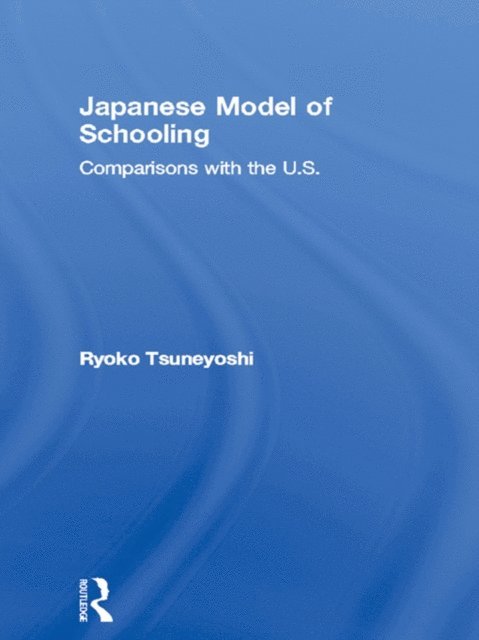
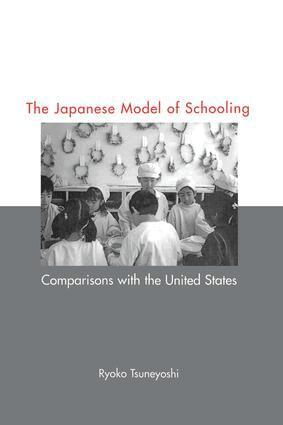
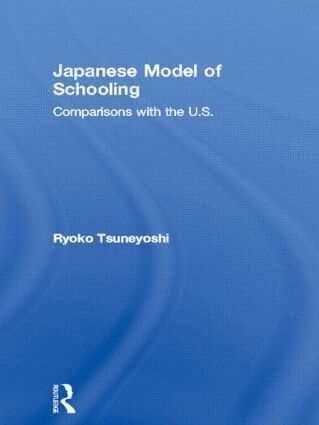
Japanese Model of Schooling
Comparisons with the U.S.
E-bok, 2013
875 kr
Lägg i varukorg
In this book, Dr. Tsuneyoshi observes the educational approach of two nations, one most often cited as being the home of rugged individualism, and the champion of the free market, the other more often cited as being the most groupist amongst the industrialized societies, known for strong central …
Japanese Model of Schooling
Comparisons with the U.S.
E-bok, 2013
856 kr
Lägg i varukorg
In this book, Dr. Tsuneyoshi observes the educational approach of two nations, one most often cited as being the home of rugged individualism, and the champion of the free market, the other more often cited as being the most groupist amongst the industrialized societies, known for strong central …
Minorities and Education in Multicultural Japan
An Interactive Perspective
Av Sarane Boocock, Kaori H. Okano m. fl.
E-bok, 2010
858 kr
Lägg i varukorg
This volume examines how Japan’s increasingly multicultural population has impacted on the lives of minority children and their peers at school, and how schools are responding to this trend in terms of providing minority children with opportunities and preparing them for the adult society. The …
Minorities and Education in Multicultural Japan
An Interactive Perspective
Av Sarane Boocock, Kaori H. Okano m. fl.
E-bok, 2010
858 kr
Lägg i varukorg
This volume examines how Japan’s increasingly multicultural population has impacted on the lives of minority children and their peers at school, and how schools are responding to this trend in terms of providing minority children with opportunities and preparing them for the adult society. The …
Globalization and Japanese Exceptionalism in Education
Insiders' Views into a Changing System
Inbunden, 2017
2442 kr
Lägg i varukorg
Globalization is the most common overriding characteristic of our time, with societies all over the world struggling to change their educational systems to meet what are perceived to be the needs of globalization. This book provides an insider's account of how the Japanese educational system is …
Japanese Model of Schooling
Comparisons with the U.S.
Häftad, 2015
743 kr
Lägg i varukorg
In this book, Dr. Tsuneyoshi observes the educational approach of two nations, one most often cited as being the home of rugged individualism, and the champion of the free market, the other more often cited as being the most groupist amongst the industrialized societies, known for strong central …
Globalization and Japanese Exceptionalism in Education
Insiders' Views into a Changing System
E-bok, 2017
842 kr
Lägg i varukorg
Globalization is the most common overriding characteristic of our time, with societies all over the world struggling to change their educational systems to meet what are perceived to be the needs of globalization. This book provides an insider''s account of how the Japanese educational system is …
Globalization and Japanese Exceptionalism in Education
Insiders' Views into a Changing System
E-bok, 2017
823 kr
Lägg i varukorg
Globalization is the most common overriding characteristic of our time, with societies all over the world struggling to change their educational systems to meet what are perceived to be the needs of globalization. This book provides an insider''s account of how the Japanese educational system is …
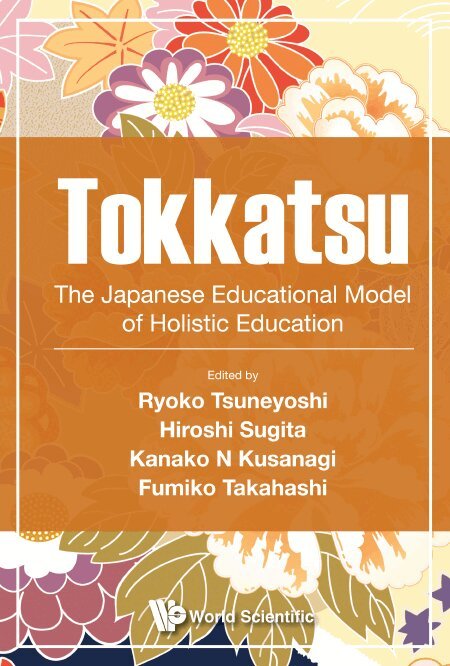
TOKKATSU: THE JAPANESE EDUCATIONAL MODEL OF HOLISTIC EDUCATION
Av Tsuneyoshi Ryoko, Ryoko Tsuneyoshi m. fl.
Häftad, 2019
569 kr
Lägg i varukorg
Though there has been much discussion on the academic aspects of Japanese education abroad (e.g., high scores on international tests, lesson study), there has been little information on the non-academic aspects of Japanese schooling. This non-academic aspect is called Tokkatsu (tokubetsu …
TOKKATSU: THE JAPANESE EDUCATIONAL MODEL OF HOLISTIC EDUCATION
Av Tsuneyoshi Ryoko, Ryoko Tsuneyoshi m. fl.
Inbunden, 2019
1754 kr
Lägg i varukorg
Though there has been much discussion on the academic aspects of Japanese education abroad (e.g., high scores on international tests, lesson study), there has been little information on the non-academic aspects of Japanese schooling. This non-academic aspect is called Tokkatsu (tokubetsu …
Japanese Model of Schooling
Comparisons with the U.S.
Inbunden, 2001
2945 kr
Tillfälligt slut
In this book, Dr. Tsuneyoshi observes the educational approach of two nations, one most often cited as being the home of rugged individualism, and the champion of the free market, the other more often cited as being the most groupist amongst the industrialized societies, known for strong central …