Kapila D. Silva – författare
Visar alla böcker från författaren Kapila D. Silva. Handla med fri frakt och snabb leverans.
11 produkter
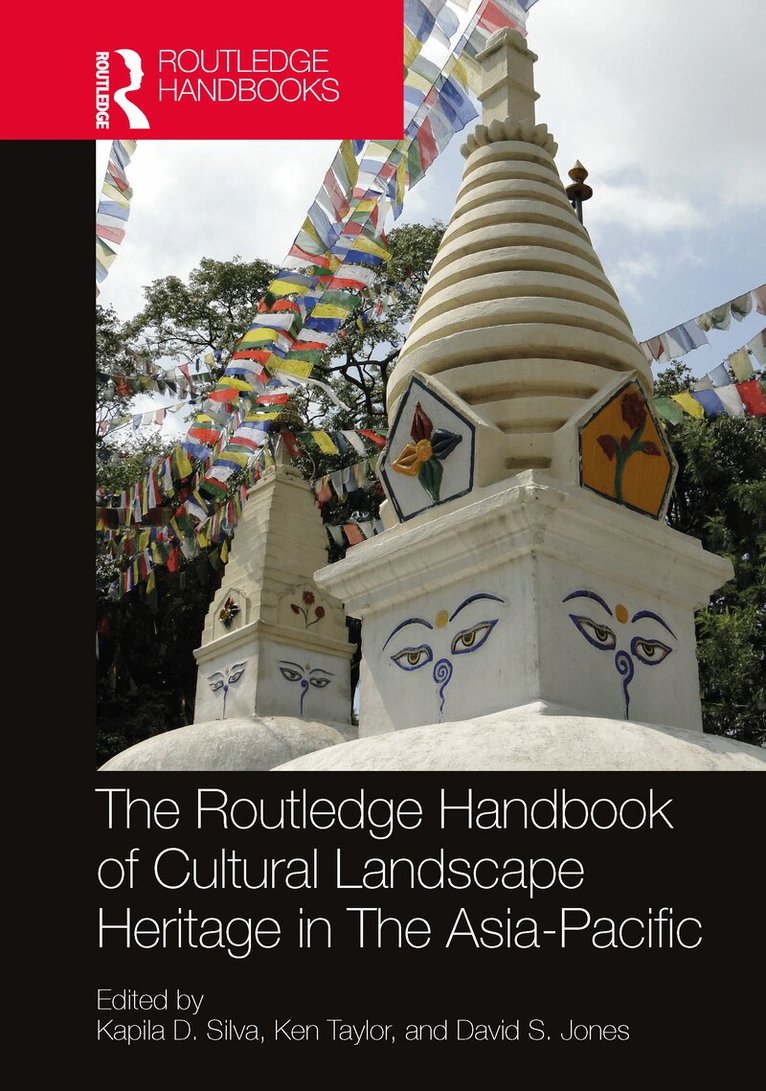
Routledge Handbook of Cultural Landscape Heritage in The Asia-Pacific
Av Kapila D. Silva, Ken Taylor m. fl.
Inbunden, 2022
3913 kr
Lägg i varukorg
The Routledge Handbook of Cultural Landscape Heritage in the Asia-Pacific revisits the use, growth, and potential of the cultural landscape methodology in the conservation and management of culture-nature heritage in the Asia-Pacific region. Taking both a retrospective and prospective view of the …
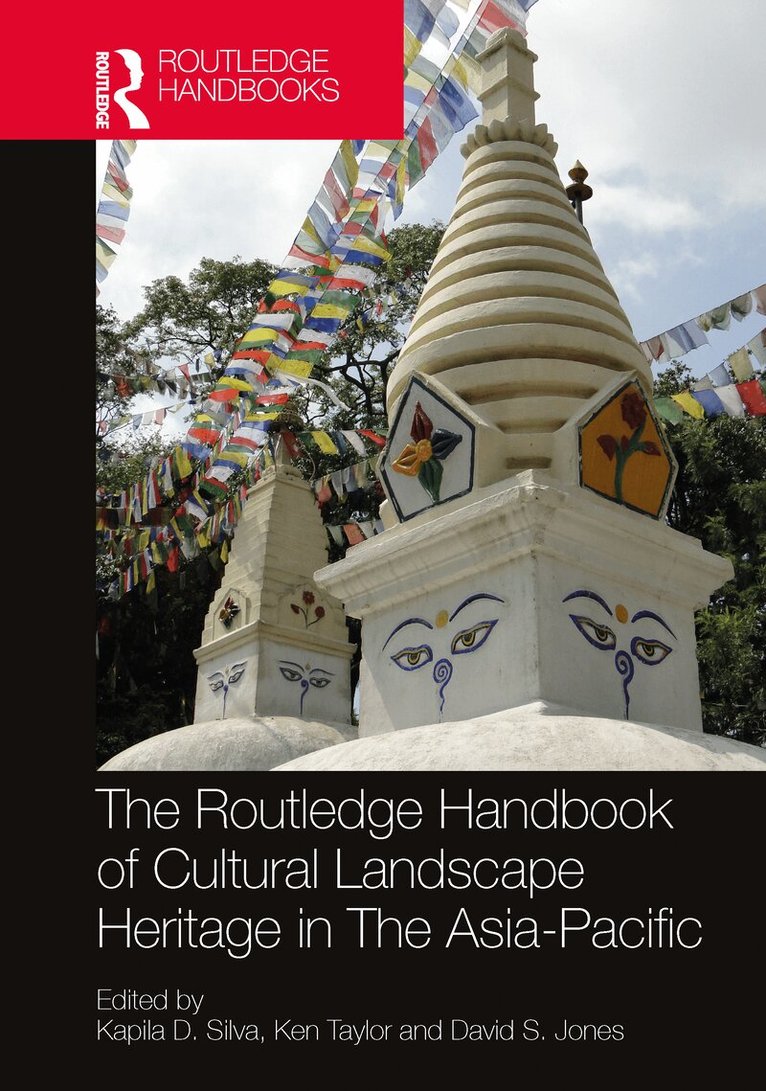
Routledge Handbook of Cultural Landscape Heritage in The Asia-Pacific
Av Kapila D. Silva, Ken Taylor m. fl.
Häftad, 2024
740 kr
Lägg i varukorg
The Routledge Handbook of Cultural Landscape Heritage in the Asia-Pacific revisits the use, growth, and potential of the cultural landscape methodology in the conservation and management of culture-nature heritage in the Asia-Pacific region. Taking both a retrospective and prospective view of the …
Routledge Handbook of Cultural Landscape Heritage in The Asia-Pacific
Av David S. Jones, Ken Taylor m. fl.
E-bok, 2022
785 kr
Lägg i varukorg
The Routledge Handbook of Cultural Landscape Heritage in the Asia-Pacific revisits the use, growth, and potential of the cultural landscape methodology in the conservation and management of culture-nature heritage in the Asia-Pacific region. Taking both a retrospective and prospective view of the …
Routledge Handbook of Cultural Landscape Heritage in The Asia-Pacific
Av David S. Jones, Ken Taylor m. fl.
E-bok, 2022
785 kr
Lägg i varukorg
The Routledge Handbook of Cultural Landscape Heritage in the Asia-Pacific revisits the use, growth, and potential of the cultural landscape methodology in the conservation and management of culture-nature heritage in the Asia-Pacific region. Taking both a retrospective and prospective view of the …
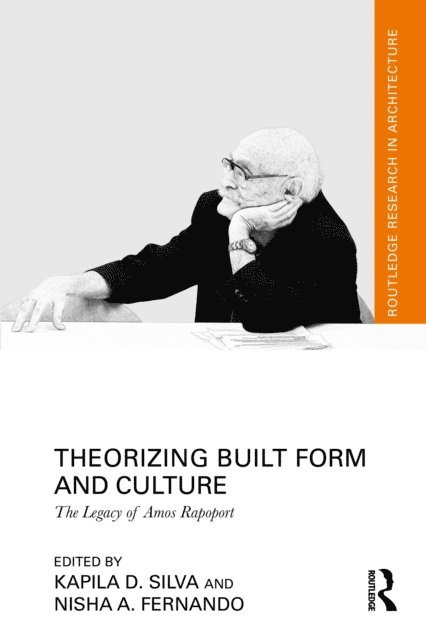
Theorizing Built Form and Culture
The Legacy of Amos Rapoport
Av Nisha A. Fernando, Kapila D. Silva
E-bok, 2024
856 kr
Lägg i varukorg
In this collection of essays, Theorizing Built Form and Culture: The Legacy of Amos Rapoport – a felicitation volume to celebrate the significance of Professor Amos Rapoport''s lifelong scholarship – scholars from around the world discuss the analytical relevance, expansion, and continuing …
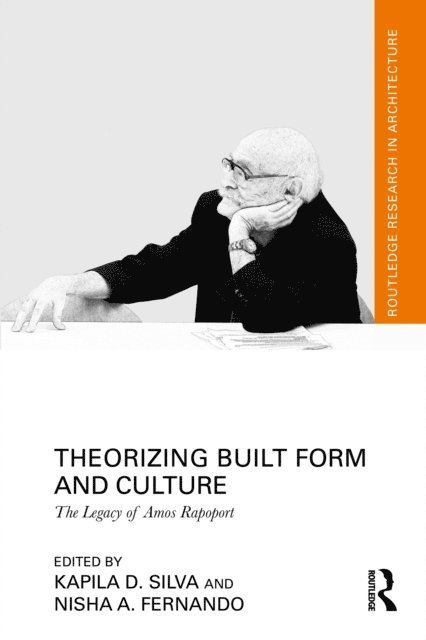
Theorizing Built Form and Culture
The Legacy of Amos Rapoport
Av Nisha A. Fernando, Kapila D. Silva
E-bok, 2024
856 kr
Lägg i varukorg
In this collection of essays, Theorizing Built Form and Culture: The Legacy of Amos Rapoport – a felicitation volume to celebrate the significance of Professor Amos Rapoport''s lifelong scholarship – scholars from around the world discuss the analytical relevance, expansion, and continuing …
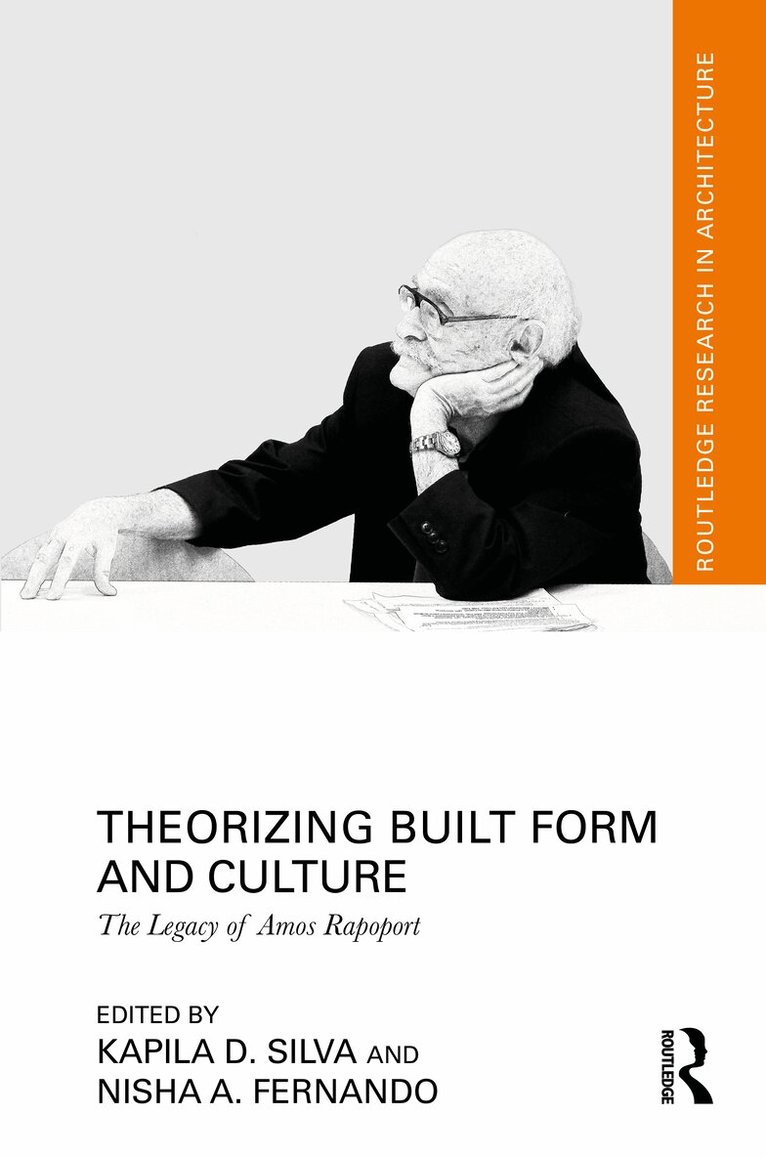
Theorizing Built Form and Culture
The Legacy of Amos Rapoport
Av Kapila D. Silva, Nisha A. Fernando
Inbunden, 2024
2591 kr
Lägg i varukorg
In this collection of essays, Theorizing Built Form and Culture: The Legacy of Amos Rapoport – a felicitation volume to celebrate the significance of Professor Amos Rapoport's lifelong scholarship – scholars from around the world discuss the analytical relevance, expansion, and continuing …
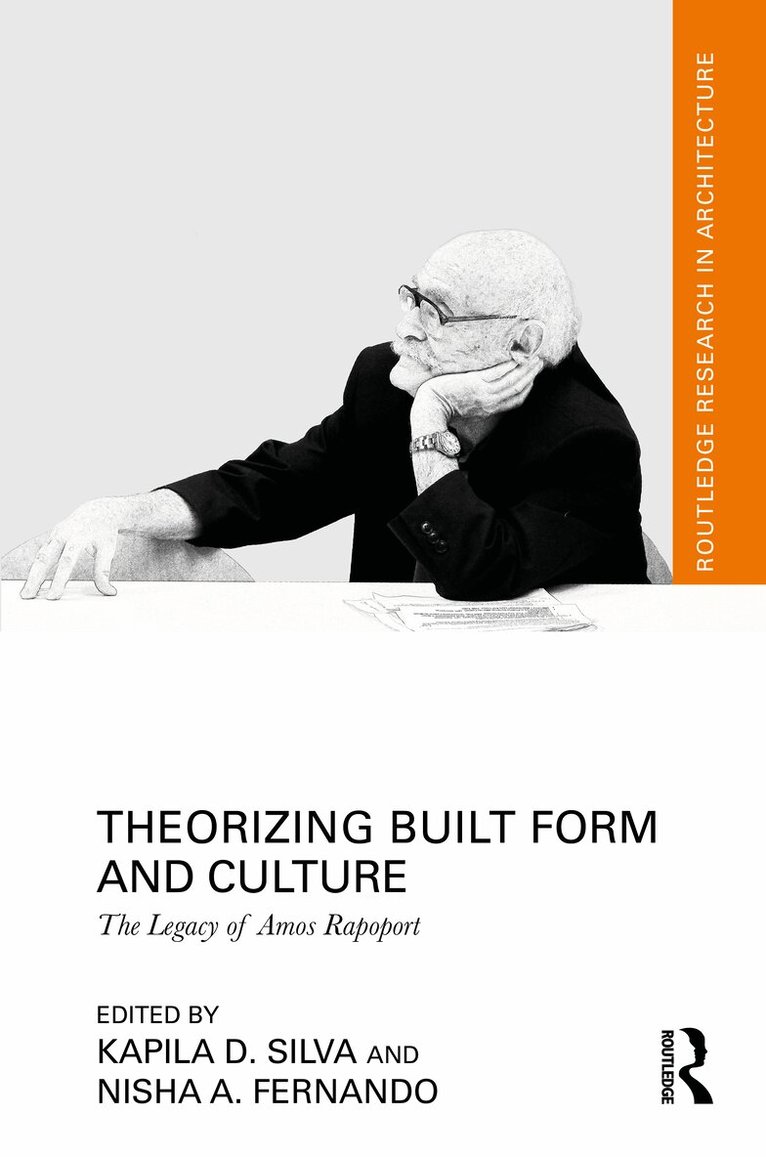
Theorizing Built Form and Culture
The Legacy of Amos Rapoport
Av Kapila D. Silva, Nisha A. Fernando
Häftad, 2025
728 kr
Lägg i varukorg
In this collection of essays, Theorizing Built Form and Culture: The Legacy of Amos Rapoport – a felicitation volume to celebrate the significance of Professor Amos Rapoport's lifelong scholarship – scholars from around the world discuss the analytical relevance, expansion, and continuing …
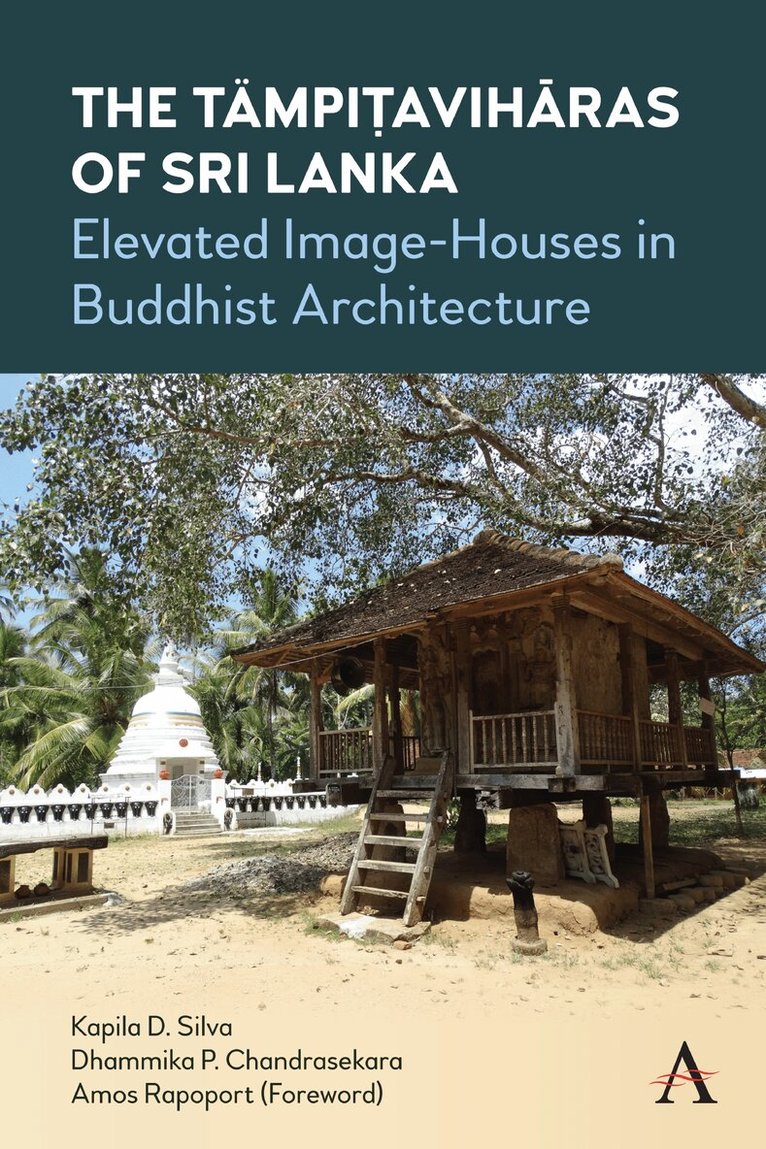
Tämpiṭavihāras of Sri Lanka
Elevated Image-Houses in Buddhist Architecture
Av Dhammika P. Chandrasekara, Kapila D. Silva
Inbunden, 2021
1266 kr
Lägg i varukorg
The Ṭämpiṭavihāras of Sri Lanka focuses on one distinctive Buddhist architectural practice from pre-modern Sri Lanka – the construction of Buddha image-houses on elevated wooden platforms supported by stone pillars. As a centre of Buddhism, Sri Lanka has a rich tradition of erecting Buddha …
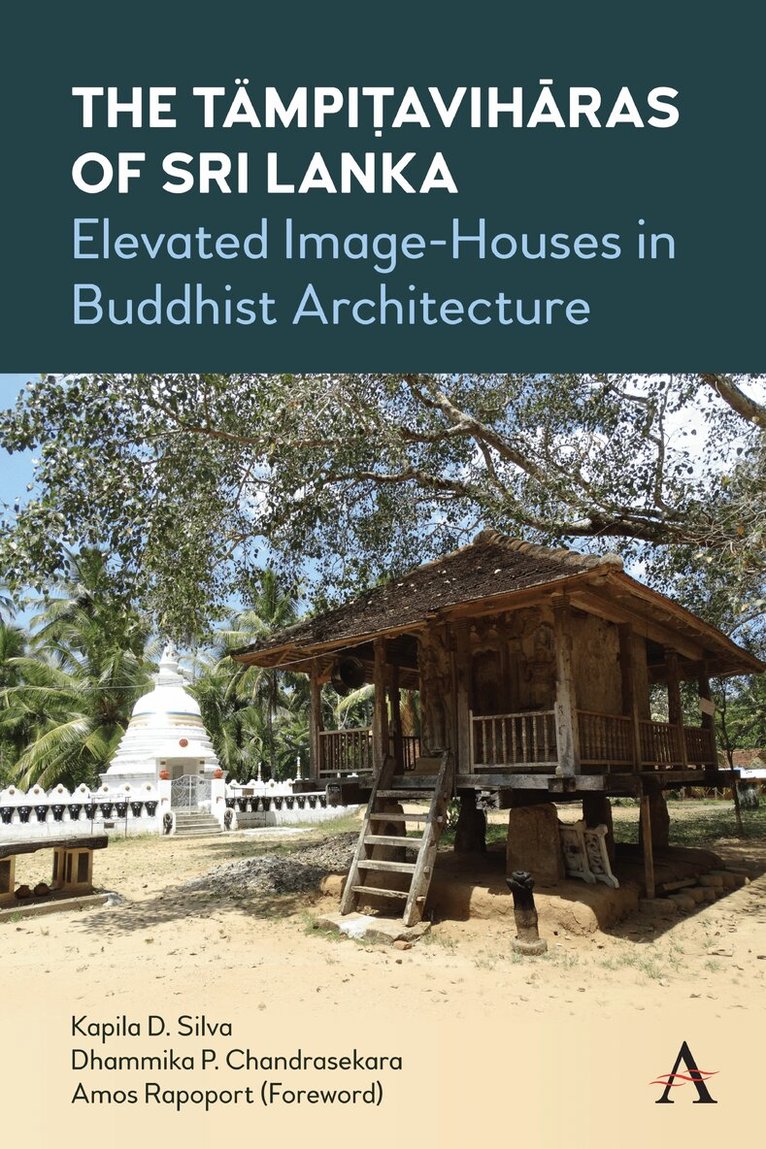
Tämpiṭavihāras of Sri Lanka
Elevated Image-Houses in Buddhist Architecture
Av Dhammika P. Chandrasekara, Kapila D. Silva
Häftad, 2026
435 kr
Lägg i varukorg
The Ṭämpiṭavihāras of Sri Lanka focuses on one distinctive Buddhist architectural practice from pre-modern Sri Lanka – the construction of Buddha image-houses on elevated wooden platforms supported by stone pillars. As a centre of Buddhism, Sri Lanka has a rich tradition of erecting Buddha …
Safeguarding Cultural Landscape Heritage
The Legacies of Ken Taylor
Av David S. Jones, Kapila D. Silva
Inbunden, 2027
1975 kr
Kommande
This book revisits the last three decades of heritage management across the world with the use of cultural landscape methodology. In 1992, UNESCO adopted the concept of cultural landscape as a category of world heritage places. This change recognized that culture and nature intertwined to create …