Karen L. Fingerman - Böcker
Visar alla böcker från författaren Karen L. Fingerman. Handla med fri frakt och snabb leverans.
4 produkter
4 produkter
227 kr
Skickas inom 11-20 vardagar
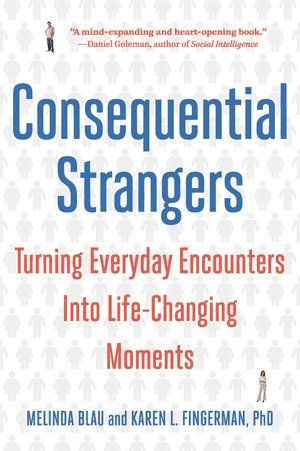
Our barista, our mechanic, our coworker—they populate our days, but we often take them for granted. Yet these are the people who bring novelty and information into our lives, allow us to exercise different parts of ourselves, and open us up to new opportunities. In their unprecedented examination of people on the periphery, psychologist Karen Fingerman, who coined the term “consequential strangers,” collaborates with journalist Melinda Blau to expand on and make her own groundbreaking research come alive. Drawing as well from Blau’s more than two hundred interviews with specialists in psychology, sociology, marketing, and communication, the book presents compelling stories of individuals and institutions, past and present. A rich portrait of our social landscape—on and off the Internet—it presents the science of casual connection and chronicles the surprising impact that consequential strangers have on business, creativity, the work environment, our physical and mental health, and the strength of our communities.
493 kr
Skickas inom 7-10 vardagar
Understanding personal relationships throughout the life course is one of the most crucial issues in the behavioral and social sciences. This book brings together perspectives from different disciplines on individual development and personal relationships across the life span. The book addresses two pertinent dimensions of personal relationships: 1) structures of relationship networks (e.g. kin vs non-kin, peripheral vs intimate, short-term vs long-term) and 2) processes (i.e. change or stability) and outcomes of personal relationships across the life span. The book stimulates discussion of personal relationships as resources for and outcomes of individual development throughout the life course. Different qualities of personal relationships serve as catalysts for individual development. At the same time, relationship qualities reflect changes of developing individuals. The book does not give exclusive priority to one phase of the human life span. Rather, each chapter addresses social development across the entire life span from childhood to later adulthood.
1 466 kr
Skickas inom 7-10 vardagar
Understanding personal relationships throughout the life course is one of the most crucial issues in the behavioral and social sciences. This book brings together perspectives from different disciplines on individual development and personal relationships across the life span. The book addresses two pertinent dimensions of personal relationships: 1) structures of relationship networks (e.g. kin vs non-kin, peripheral vs intimate, short-term vs long-term) and 2) processes (i.e. change or stability) and outcomes of personal relationships across the life span. The book stimulates discussion of personal relationships as resources for and outcomes of individual development throughout the life course. Different qualities of personal relationships serve as catalysts for individual development. At the same time, relationship qualities reflect changes of developing individuals. The book does not give exclusive priority to one phase of the human life span. Rather, each chapter addresses social development across the entire life span from childhood to later adulthood.
1 818 kr
Skickas inom 5-8 vardagar
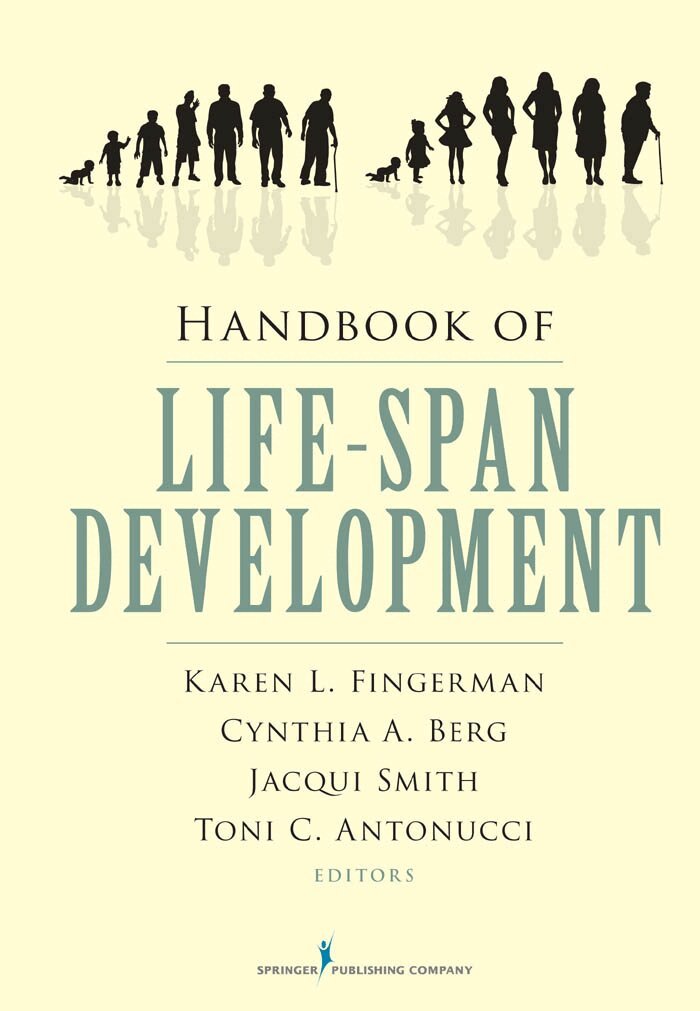
The handbook is an impressive collection of research studies and theories provided by knowledgeable contributors on life-span development from conception to old age."--Anthropology and Aging QuarterlyThe doubling of our average life span since the turn of the 20th century is considered by many scholars to be one of the most important changes in human existence. This definitive text is the only volume to fully address, through a multidisciplinary perspective, the biological, cognitive, and psychological development that occurs from infancy through old age, and how the sociocultural and institutional factors interface with these changes. Edited by leading research scholars in the field of life-span development, the volume also includes contributions of specialists in behavioral genetics, socioemotional selectivity theory, neuroscience, ecological models, and more. It examines the dynamics of close relationships and informal ties among the elderly population, child-parent attachment relationships as a life-span phenomenon, developmental tasks across the lifespan, continuity and discontinuity in temperament and personality, the sociocultural context of cognition across the life span, and variability in approaches to social problem solving from early to later life. Given the number of recent demographic shifts, it also explores issues related to fertility, life expectancy, environmental contexts, technology, immigration, and public policy. Key Features: Integrates the full life span from infancy through old age in each chapter Considers multidisciplinary perspectives that address personal relationships, cognitive development, and social, emotional, and physical health across the life span Situates life-span development in ecological contexts (e.g., socioeconomic, neighborhood, and immigration status) Provides a concise but thorough resource for graduate seminars in life-span-related studies Highlights future issues in all areas of life-span study