Karen Redrobe - Böcker
Visar alla böcker från författaren Karen Redrobe. Handla med fri frakt och snabb leverans.
11 produkter
11 produkter
Del 9 - Feminist Media Histories
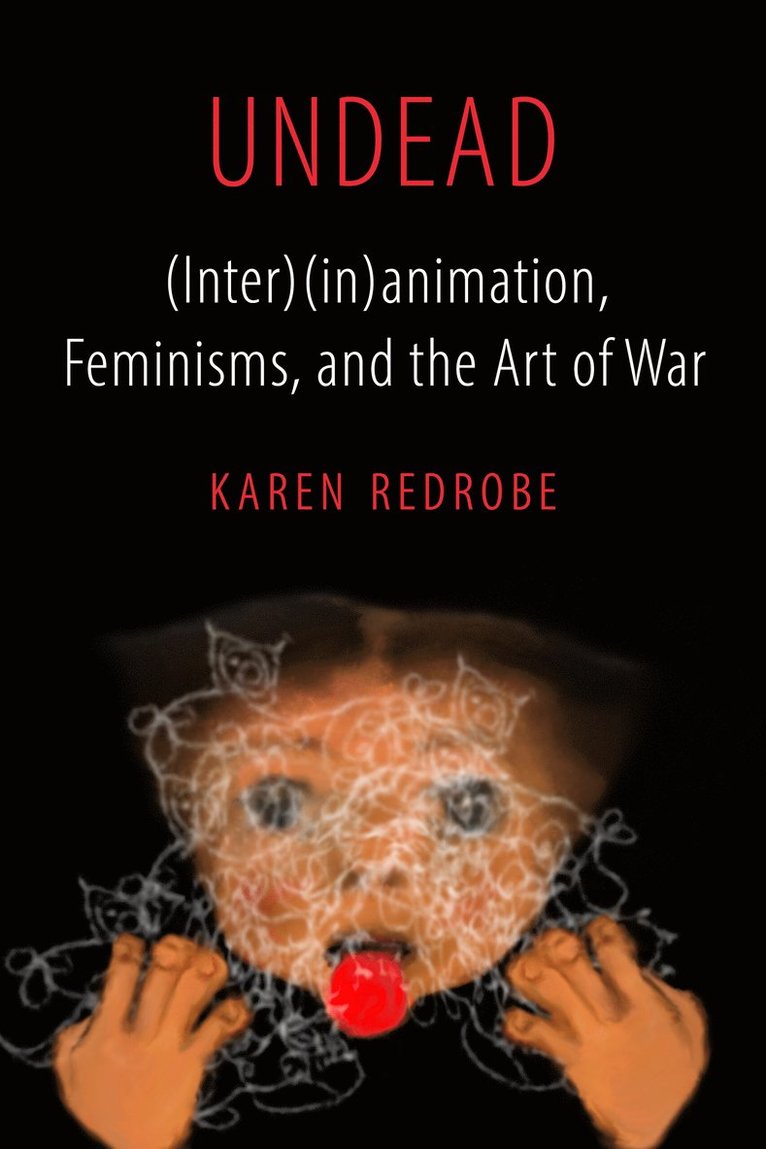
Undead
(Inter)(in)animation, Feminisms, and the Art of War
Häftad, Engelska, 2025
283 kr
Skickas inom 7-10 vardagar
A free ebook version of this title is available through Luminos, University of California Press’s Open Access publishing program. Visit www.luminosoa.org to learn more.Undead examines the visual culture of war, broadly understood, through the lens of animation. Focusing on works in which relational, intermedial, and variably paced practices of “(inter)(in)animation” generate aesthetic tactics for thinking about, feeling, and reframing war, Karen Redrobe analyzes works by artists including Yael Bartana, Nancy Davenport, Kelly Dolak and Wazhmah Osman, Gesiye, David Hartt, Helen Hill, Onyeka Igwe, Maryam Mohajer, Ibrahim Nasrallah, and Mary Reid Kelley and Patrick Kelley. Deftly moving between cinema and media studies, peace and conflict studies, and art history, Undead is an interdisciplinary feminist meditation on the complex relationship between states of war and the discourses, infrastructures, and institutions through which memory, change, and understanding are made.
363 kr
Kommande
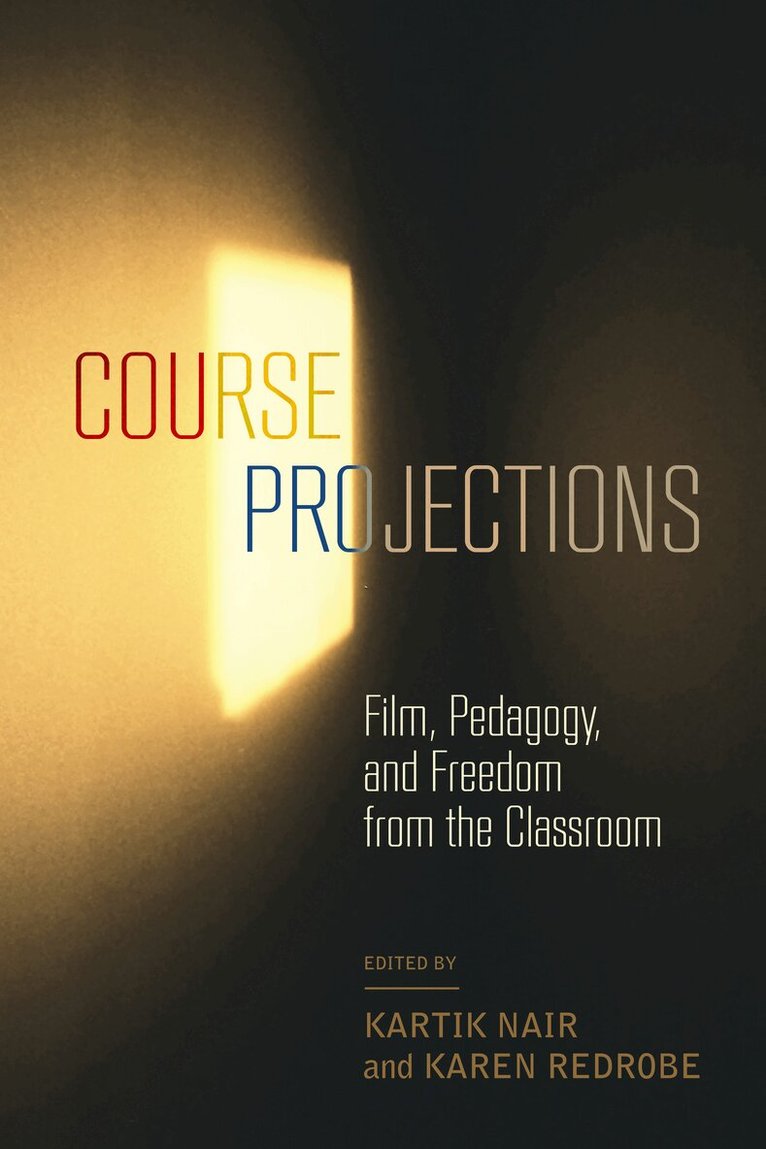
A free ebook version of this title is available through Luminos, University of California Press’s Open Access publishing program. Visit www.luminosoa.org to learn more.What does a liberatory film pedagogy look like? In situated speculations from around the world, this volume explores the teaching of film as a practice of freedom. Widening its focus beyond the university classroom, Course Projections visits lecture halls and festivals, archives and encampments shadowed by scholasticide, fascism, ecocide, surveillance, attacks on academic freedom, and hate-based exclusion. Against this backdrop of unfreedoms, contributors consider the stakes of film education, experimenting with genres—from the satirical screenplay to the teaching diary, the personal essay to the roundtable conversation—and recuperating teaching archives as diverse as coffee-stained syllabi and customized course questionnaires. Together, these writings posit pedagogy as a field where media theories are tested and revised, histories of the moving image are made and remade, and new communities are forged around screens, opening up horizons of possibility for our collective futures.
955 kr
Kommande
A free ebook version of this title is available through Luminos, University of California Press’s Open Access publishing program. Visit www.luminosoa.org to learn more.What does a liberatory film pedagogy look like? In situated speculations from around the world, this volume explores the teaching of film as a practice of freedom. Widening its focus beyond the university classroom, Course Projections visits lecture halls and festivals, archives and encampments shadowed by scholasticide, fascism, ecocide, surveillance, attacks on academic freedom, and hate-based exclusion. Against this backdrop of unfreedoms, contributors consider the stakes of film education, experimenting with genres—from the satirical screenplay to the teaching diary, the personal essay to the roundtable conversation—and recuperating teaching archives as diverse as coffee-stained syllabi and customized course questionnaires. Together, these writings posit pedagogy as a field where media theories are tested and revised, histories of the moving image are made and remade, and new communities are forged around screens, opening up horizons of possibility for our collective futures.
364 kr
Skickas inom 7-10 vardagar
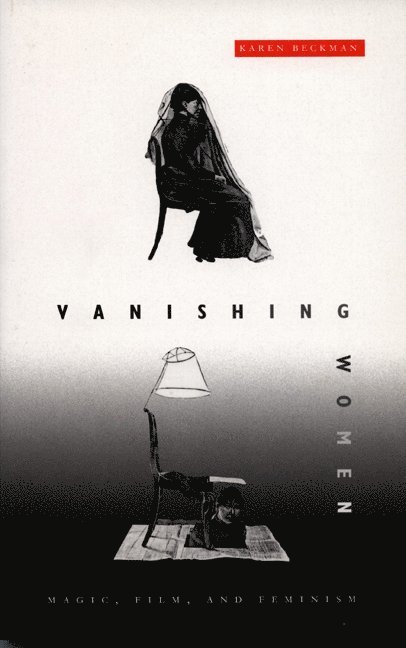
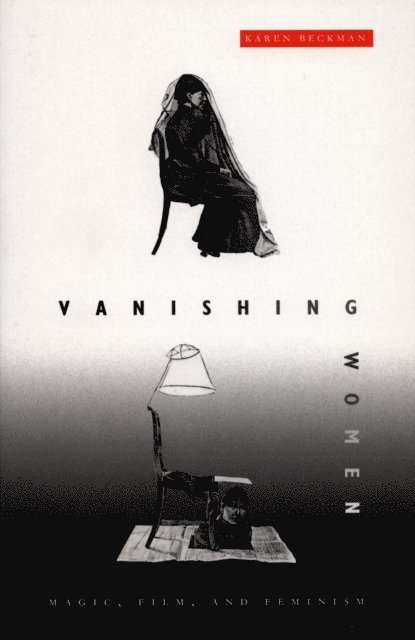
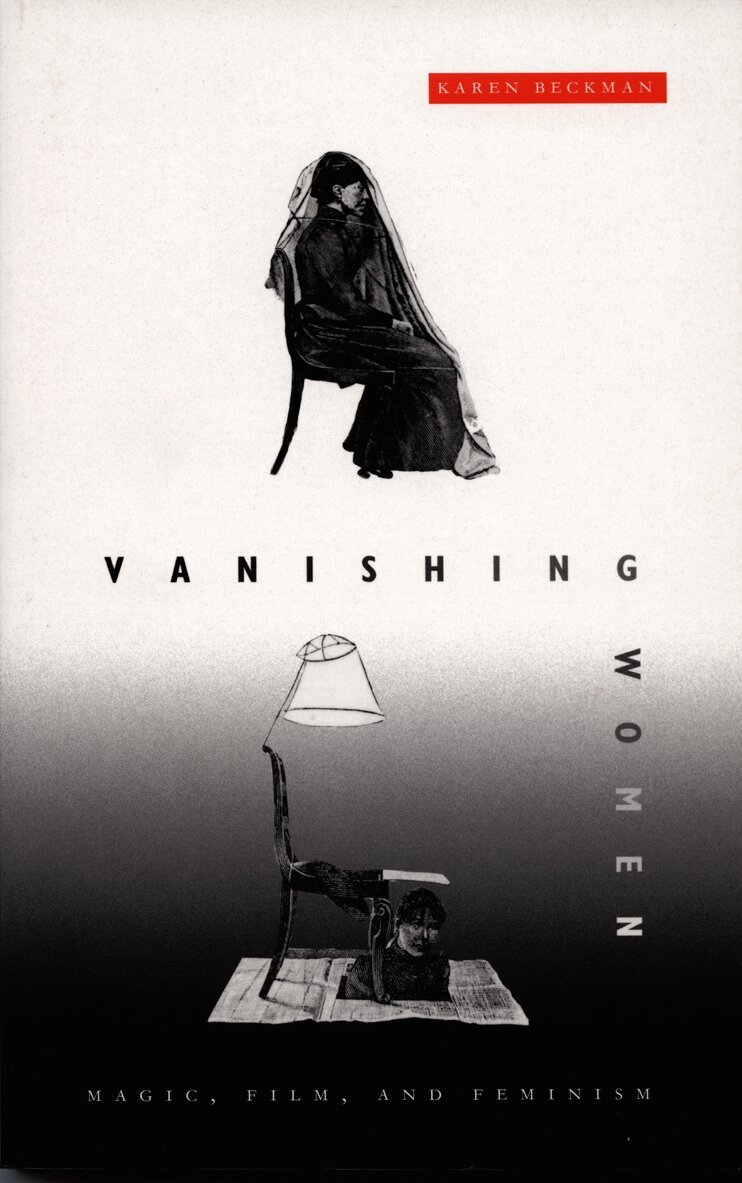
With the help of mirrors, trap doors, elevators, photographs, and film, women vanish and return in increasingly spectacular ways throughout the nineteenth and twentieth centuries. Karen Beckman tracks the proliferation of this elusive figure, the vanishing woman, from her genesis in Victorian stage magic through her development in conjunction with photography and film. Beckman reveals how these new visual technologies projected their anxieties about insubstantiality and reproducibility onto the female body, producing an image of "woman" as utterly unstable and constantly prone to disappearance. Drawing on cinema studies and psychoanalysis as well as the histories of magic, spiritualism, and photography, Beckman looks at particular instances of female vanishing at specific historical moments-in Victorian magic’s obsessive manipulation of female and colonized bodies, spiritualist photography’s search to capture traces of ghosts, the comings and goings of bodies in early cinema, and Bette Davis’s multiple roles as a fading female star. As Beckman places the vanishing woman in the context of feminism’s discussion of spectacle and subjectivity, she explores not only the problems, but also the political utility of this obstinate figure who hovers endlessly between visible and invisible worlds. Through her readings, Beckman argues that the visibly vanishing woman repeatedly signals the lurking presence of less immediately perceptible psychic and physical erasures, and she contends that this enigmatic figure, so ubiquitous in late-nineteenth- and twentieth-century culture, provides a new space through which to consider the relationships between visibility, gender, and agency.
375 kr
Skickas inom 7-10 vardagar
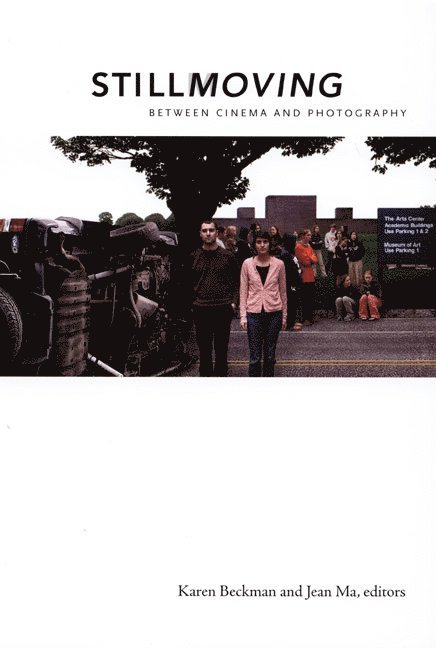
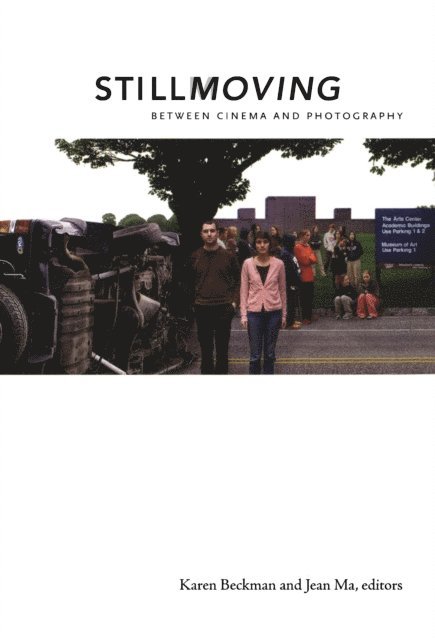
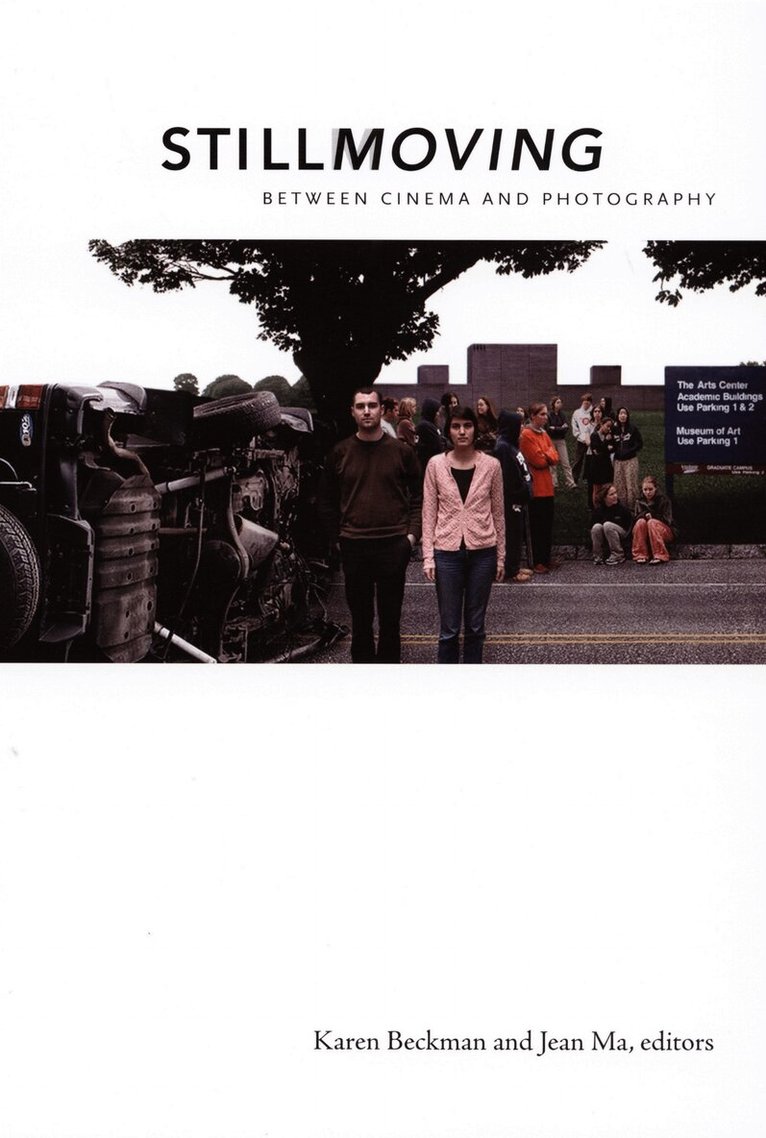
In Still Moving noted artists, filmmakers, art historians, and film scholars explore the boundary between cinema and photography. The interconnectedness of the two media has emerged as a critical concern for scholars in the field of cinema studies responding to new media technologies, and for those in the field of art history confronting the ubiquity of film, video, and the projected image in contemporary art practice. Engaging still, moving, and ambiguous images from a wide range of geographical spaces and historical moments, the contributors to this volume address issues of indexicality, medium specificity, and hybridity as they examine how cinema and photography have developed and defined themselves through and against one another.Foregrounding the productive tension between stasis and motion, two terms inherent to cinema and to photography, the contributors trace the shifting contours of the encounter between still and moving images across the realms of narrative and avant-garde film, photography, and installation art. Still Moving suggests that art historians and film scholars must rethink their disciplinary objects and boundaries, and that the question of medium specificity is a necessarily interdisciplinary question. From a variety of perspectives, the contributors take up that challenge, offering new ways to think about what contemporary visual practice is and what it will become.Contributors: George Baker, Rebecca Baron, Karen Beckman, Raymond Bellour, Zoe Beloff,Timothy Corrigan, Nancy Davenport, Atom Egoyan, Rita Gonzalez, Tom Gunning, Louis Kaplan,Jean Ma, Janet Sarbanes, Juan A. SuÁrez
1 326 kr
Skickas inom 7-10 vardagar
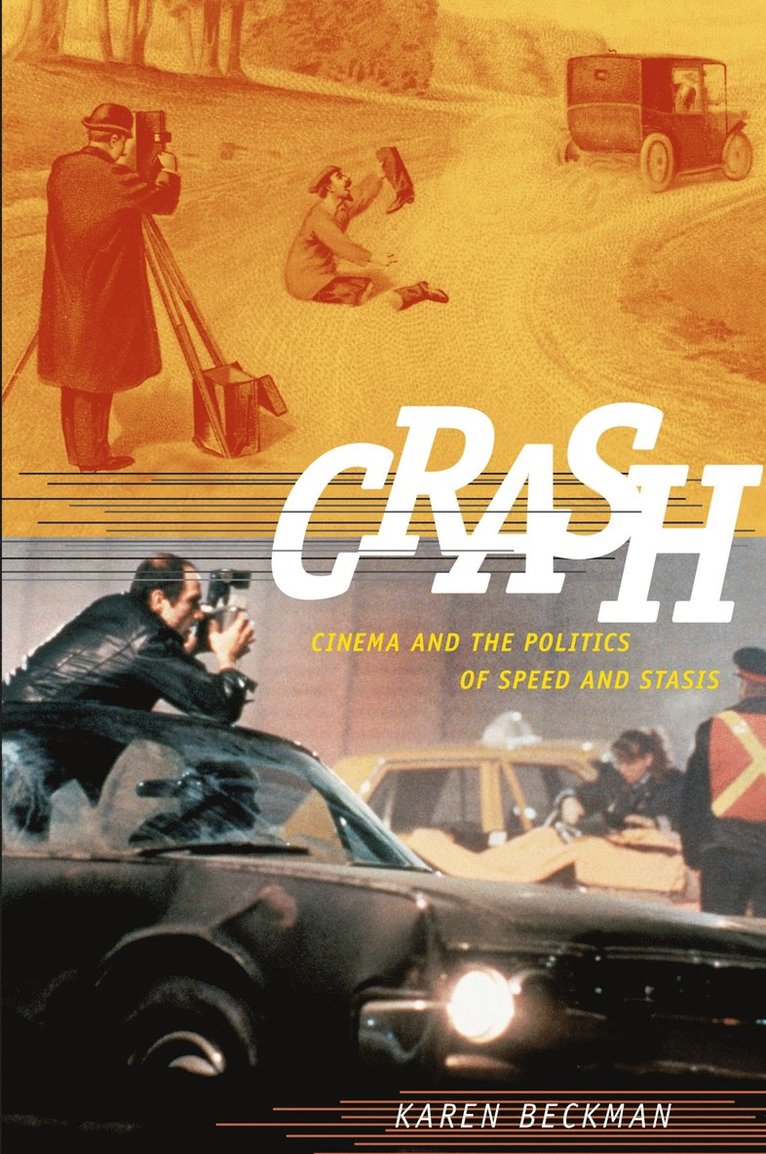
Artists, writers, and filmmakers from Andy Warhol and J. G. Ballard to Alejandro GonzÁlez IÑÁrritu and Ousmane SembÈne have repeatedly used representations of immobilized and crashed cars to wrestle with the conundrums of modernity. In Crash, Karen Beckman argues that representations of the crash parallel the encounter of film with other media, and that these collisions between media offer useful ways to think about alterity, politics, and desire. Examining the significance of automobile collisions in film genres including the “cinema of attractions,” slapstick comedies, and industrial-safety movies, Beckman reveals how the car crash gives visual form to fantasies and anxieties regarding speed and stasis, risk and safety, immunity and contamination, and impermeability and penetration. Her reflections on the crash as the traumatic, uncertain moment of inertia that comes in the wake of speed and confidence challenge the tendency in cinema studies to privilege movement above film’s other qualities. Ultimately, Beckman suggests that film studies is a hybrid field that cannot apprehend its object of study without acknowledging the ways that cinema’s technology binds it to capitalism’s industrial systems and other media, technologies, and disciplines.
386 kr
Skickas inom 7-10 vardagar
Artists, writers, and filmmakers from Andy Warhol and J. G. Ballard to Alejandro GonzÁlez IÑÁrritu and Ousmane SembÈne have repeatedly used representations of immobilized and crashed cars to wrestle with the conundrums of modernity. In Crash, Karen Beckman argues that representations of the crash parallel the encounter of film with other media, and that these collisions between media offer useful ways to think about alterity, politics, and desire. Examining the significance of automobile collisions in film genres including the “cinema of attractions,” slapstick comedies, and industrial-safety movies, Beckman reveals how the car crash gives visual form to fantasies and anxieties regarding speed and stasis, risk and safety, immunity and contamination, and impermeability and penetration. Her reflections on the crash as the traumatic, uncertain moment of inertia that comes in the wake of speed and confidence challenge the tendency in cinema studies to privilege movement above film’s other qualities. Ultimately, Beckman suggests that film studies is a hybrid field that cannot apprehend its object of study without acknowledging the ways that cinema’s technology binds it to capitalism’s industrial systems and other media, technologies, and disciplines.
1 786 kr
Skickas inom 7-10 vardagar
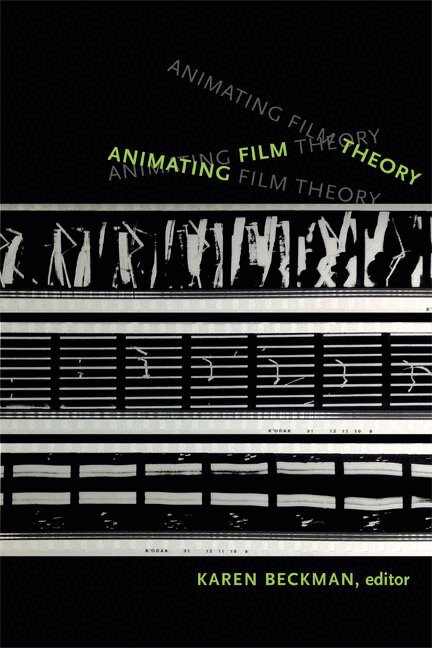
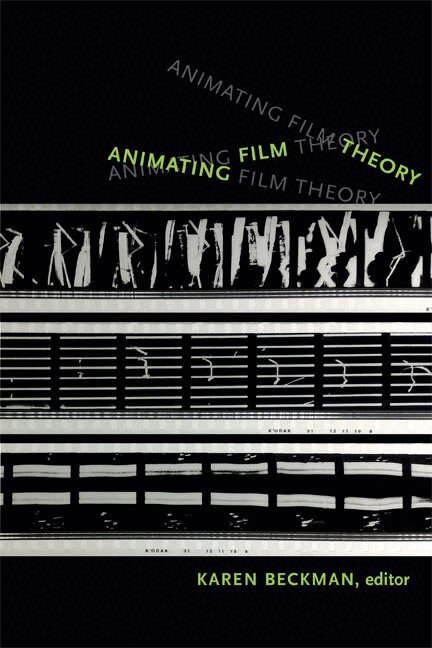
Animating Film Theory provides an enriched understanding of the relationship between two of the most unwieldy and unstable organizing concepts in cinema and media studies: animation and film theory. For the most part, animation has been excluded from the purview of film theory. The contributors to this collection consider the reasons for this marginalization while also bringing attention to key historical contributions across a wide range of animation practices, geographic and linguistic terrains, and historical periods. They delve deep into questions of how animation might best be understood, as well as how it relates to concepts such as the still, the moving image, the frame, animism, and utopia. The contributors take on the kinds of theoretical questions that have remained underexplored because, as Karen Beckman argues, scholars of cinema and media studies have allowed themselves to be constrained by too narrow a sense of what cinema is. This collection reanimates and expands film studies by taking the concept of animation seriously.Contributors. Karen Beckman, Suzanne Buchan, Scott Bukatman, Alan Cholodenko, Yuriko Furuhata, Alexander R. Galloway, Oliver Gaycken, Bishnupriya Ghosh, Tom Gunning, Andrew R. Johnston, HervÉ Joubert-Laurencin, Gertrud Koch, Thomas LaMarre, Christopher P. Lehman, Esther Leslie, John MacKay, Mihaela Mihailova, Marc Steinberg, Tess Takahashi
442 kr
Skickas inom 7-10 vardagar
Animating Film Theory provides an enriched understanding of the relationship between two of the most unwieldy and unstable organizing concepts in cinema and media studies: animation and film theory. For the most part, animation has been excluded from the purview of film theory. The contributors to this collection consider the reasons for this marginalization while also bringing attention to key historical contributions across a wide range of animation practices, geographic and linguistic terrains, and historical periods. They delve deep into questions of how animation might best be understood, as well as how it relates to concepts such as the still, the moving image, the frame, animism, and utopia. The contributors take on the kinds of theoretical questions that have remained underexplored because, as Karen Beckman argues, scholars of cinema and media studies have allowed themselves to be constrained by too narrow a sense of what cinema is. This collection reanimates and expands film studies by taking the concept of animation seriously.Contributors. Karen Beckman, Suzanne Buchan, Scott Bukatman, Alan Cholodenko, Yuriko Furuhata, Alexander R. Galloway, Oliver Gaycken, Bishnupriya Ghosh, Tom Gunning, Andrew R. Johnston, HervÉ Joubert-Laurencin, Gertrud Koch, Thomas LaMarre, Christopher P. Lehman, Esther Leslie, John MacKay, Mihaela Mihailova, Marc Steinberg, Tess Takahashi
1 473 kr
Skickas inom 7-10 vardagar
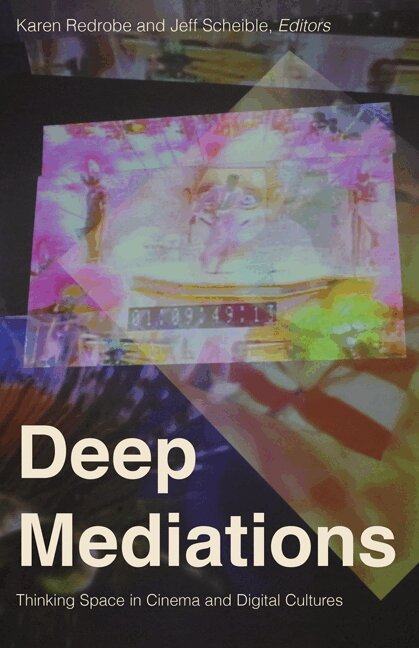
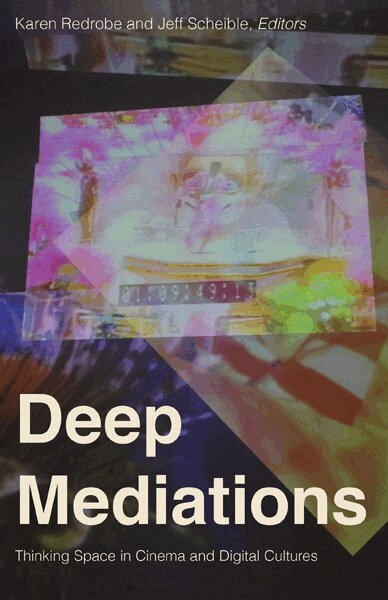
The preoccupation with “depth” and its relevance to cinema and media studiesFor decades the concept of depth has been central to critical thinking in numerous humanities-based disciplines, legitimizing certain modes of inquiry over others. Deep Mediations examines why and how this is, as scholars today navigate the legacy of depth models of thought and vision, particularly in light of the “surface turn” and as these models impinge on the realms of cinema and media studies.The collection’s eighteen essays seek to understand the decisive but evolving fixation on depth by considering the term’s use across a range of conversations as well as its status in relation to critical methodologies and the current mediascape. Engaging contemporary debates about new computing technologies, the environment, history, identity, affect, audio/visual culture, and the limits and politics of human perception, Deep Mediations is a timely interrogation of depth’s ongoing importance within the humanities. Contributors: Laurel Ahnert; Taylor Arnold, U of Richmond; Erika Balsom, King’s College London; Brooke Belisle, Stony Brook University; Jinhee Choi, King’s College London; Jennifer Fay, Vanderbilt U; Lisa Han, UC Santa Barbara; Jean Ma, Stanford U; Shaka McGlotten, Purchase College-SUNY; Susanna Paasonen, U of Turku, Finland; Jussi Parikka, U of Southampton; Alessandra Raengo, Georgia State U; Pooja Rangan, Amherst College; Katherine Rochester, VIA Art Fund in Boston; Karl Schoonover, University of Warwick (UK); Jordan Schonig, Michigan State U; John Paul Stadler, North Carolina State U; Nicole Starosielski, New York U; Lauren Tilton, U of Richmond.
364 kr
Skickas inom 7-10 vardagar
The preoccupation with “depth” and its relevance to cinema and media studiesFor decades the concept of depth has been central to critical thinking in numerous humanities-based disciplines, legitimizing certain modes of inquiry over others. Deep Mediations examines why and how this is, as scholars today navigate the legacy of depth models of thought and vision, particularly in light of the “surface turn” and as these models impinge on the realms of cinema and media studies.The collection’s eighteen essays seek to understand the decisive but evolving fixation on depth by considering the term’s use across a range of conversations as well as its status in relation to critical methodologies and the current mediascape. Engaging contemporary debates about new computing technologies, the environment, history, identity, affect, audio/visual culture, and the limits and politics of human perception, Deep Mediations is a timely interrogation of depth’s ongoing importance within the humanities. Contributors: Laurel Ahnert; Taylor Arnold, U of Richmond; Erika Balsom, King’s College London; Brooke Belisle, Stony Brook University; Jinhee Choi, King’s College London; Jennifer Fay, Vanderbilt U; Lisa Han, UC Santa Barbara; Jean Ma, Stanford U; Shaka McGlotten, Purchase College-SUNY; Susanna Paasonen, U of Turku, Finland; Jussi Parikka, U of Southampton; Alessandra Raengo, Georgia State U; Pooja Rangan, Amherst College; Katherine Rochester, VIA Art Fund in Boston; Karl Schoonover, University of Warwick (UK); Jordan Schonig, Michigan State U; John Paul Stadler, North Carolina State U; Nicole Starosielski, New York U; Lauren Tilton, U of Richmond.