Karin Kukkonen – författare
Visar alla böcker från författaren Karin Kukkonen. Handla med fri frakt och snabb leverans.
22 produkter
Litteraturvetenskap II
Av Sigrid Schottenius Cullhed, Andreas Hedberg m. fl.
Häftad, 2026
476 kr
Lägg i varukorg
Litteraturvetenskap II fördjupar och breddar kunskaperna om olika teorier och metoder inom det litteraturvetenskapliga forskningsområdet. Boken omfattar tolv kapitel, skrivna av specialister inom olika litteraturvetenskapliga fält. Syftet är bland annat att ge vägledning och inspiration för …
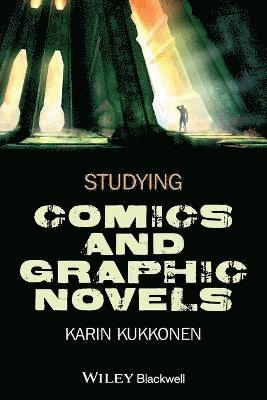
Studying Comics and Graphic Novels
Häftad, 2013
359 kr
Lägg i varukorg
This introduction to studying comics and graphic novels is a structured guide to a popular topic. It deploys new cognitive methods of textual analysis and features activities and exercises throughout. Deploys novel cognitive approaches to analyze the importance of psychological and physical aspects …
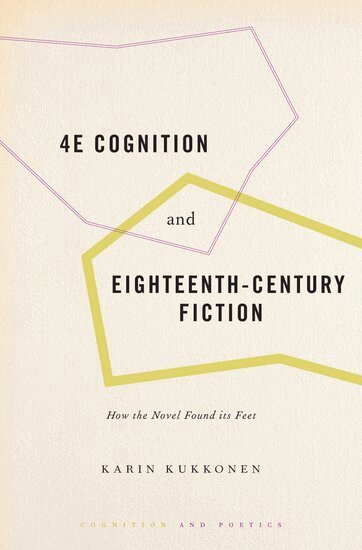
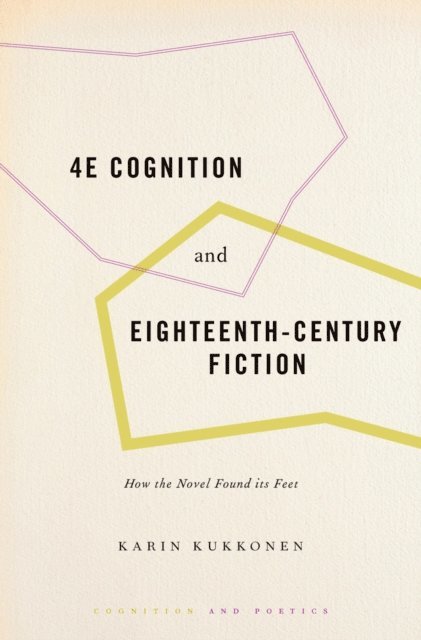
4E Cognition and Eighteenth-Century Fiction
How the Novel Found its Feet
Inbunden, 2019
2183 kr
Lägg i varukorg
When the novel broke into cultural prominence in the eighteenth century, it became notorious for the gripping, immersive style of its narratives. In this book, Karin Kukkonen explores this phenomenon through the embodied style in Eliza Haywood's flamboyant amatory fiction, Charlotte Lennox's work …
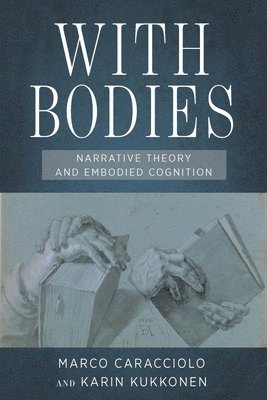
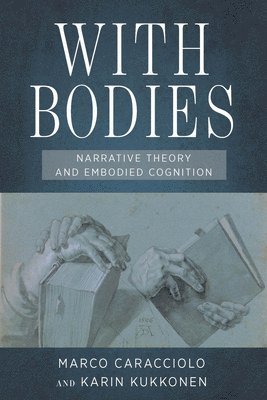
With Bodies
Narrative Theory and Embodied Cognition
Av Marco Caracciolo, Karin Kukkonen
Häftad, 2021
691 kr
Lägg i varukorg
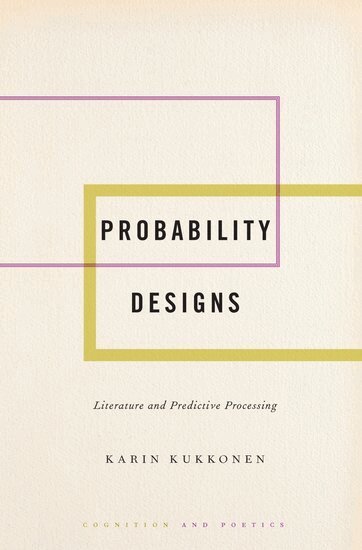
Probability Designs
Literature and Predictive Processing
Inbunden, 2020
1733 kr
Lägg i varukorg
In Probability Designs, Karin Kukkonen proposes a new perspective on the complex role of predictions and probabilities in the dynamics of literary narrative. Predictive processing, an emerging account of cognition in neuroscience, psychology, and philosophy, provides the theoretical backdrop for an …
Probability Designs
Literature and Predictive Processing
E-bok, 2019
1581 kr
Lägg i varukorg
In Probability Designs , Karin Kukkonen proposes a new perspective on the complex role of predictions and probabilities in the dynamics of literary narrative. Predictive processing, an emerging account of cognition in neuroscience, psychology, and philosophy, provides the theoretical backdrop for …
Probability Designs
Literature and Predictive Processing
E-bok, 2019
1581 kr
Lägg i varukorg
In Probability Designs , Karin Kukkonen proposes a new perspective on the complex role of predictions and probabilities in the dynamics of literary narrative. Predictive processing, an emerging account of cognition in neuroscience, psychology, and philosophy, provides the theoretical backdrop for …
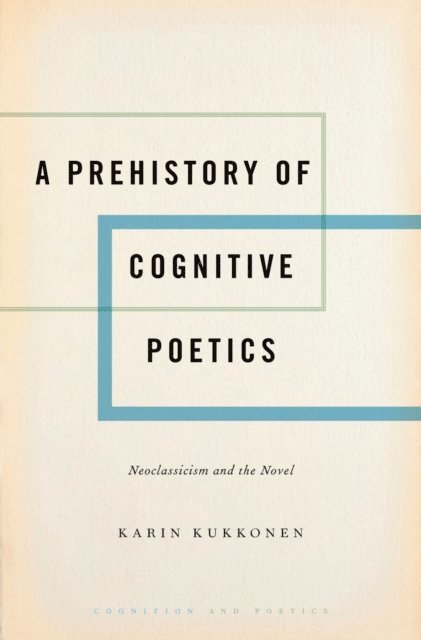
A Prehistory of Cognitive Poetics
Neoclassicism and the Novel
Inbunden, 2017
2038 kr
Lägg i varukorg
This study provides an introduction to the neoclassical debates around how literature is shaped in concert with the thinking and feeling human mind. Three key rules of neoclassicism, namely, poetic justice (the rewards and punishments of characters in the plot), the unities (the coherence of the …
Prehistory of Cognitive Poetics
Neoclassicism and the Novel
E-bok, 2017
1349 kr
Lägg i varukorg
This study provides an introduction to the neoclassical debates around how literature is shaped in concert with the thinking and feeling human mind. Three key rules of neoclassicism, namely, poetic justice (the rewards and punishments of characters in the plot), the unities (the coherence of the …
Prehistory of Cognitive Poetics
Neoclassicism and the Novel
E-bok, 2017
1349 kr
Lägg i varukorg
This study provides an introduction to the neoclassical debates around how literature is shaped in concert with the thinking and feeling human mind. Three key rules of neoclassicism, namely, poetic justice (the rewards and punishments of characters in the plot), the unities (the coherence of the …
4E Cognition and Eighteenth-Century Fiction
How the Novel Found its Feet
E-bok, 2019
1560 kr
Lägg i varukorg
When the novel broke into cultural prominence in the eighteenth century, it became notorious for the gripping, immersive style of its narratives. In this book, Karin Kukkonen explores this phenomenon through the embodied style in Eliza Haywood''s flamboyant amatory fiction, Charlotte Lennox''s work …
4E Cognition and Eighteenth-Century Fiction
How the Novel Found its Feet
E-bok, 2019
1560 kr
Lägg i varukorg
When the novel broke into cultural prominence in the eighteenth century, it became notorious for the gripping, immersive style of its narratives. In this book, Karin Kukkonen explores this phenomenon through the embodied style in Eliza Haywood''s flamboyant amatory fiction, Charlotte Lennox''s work …
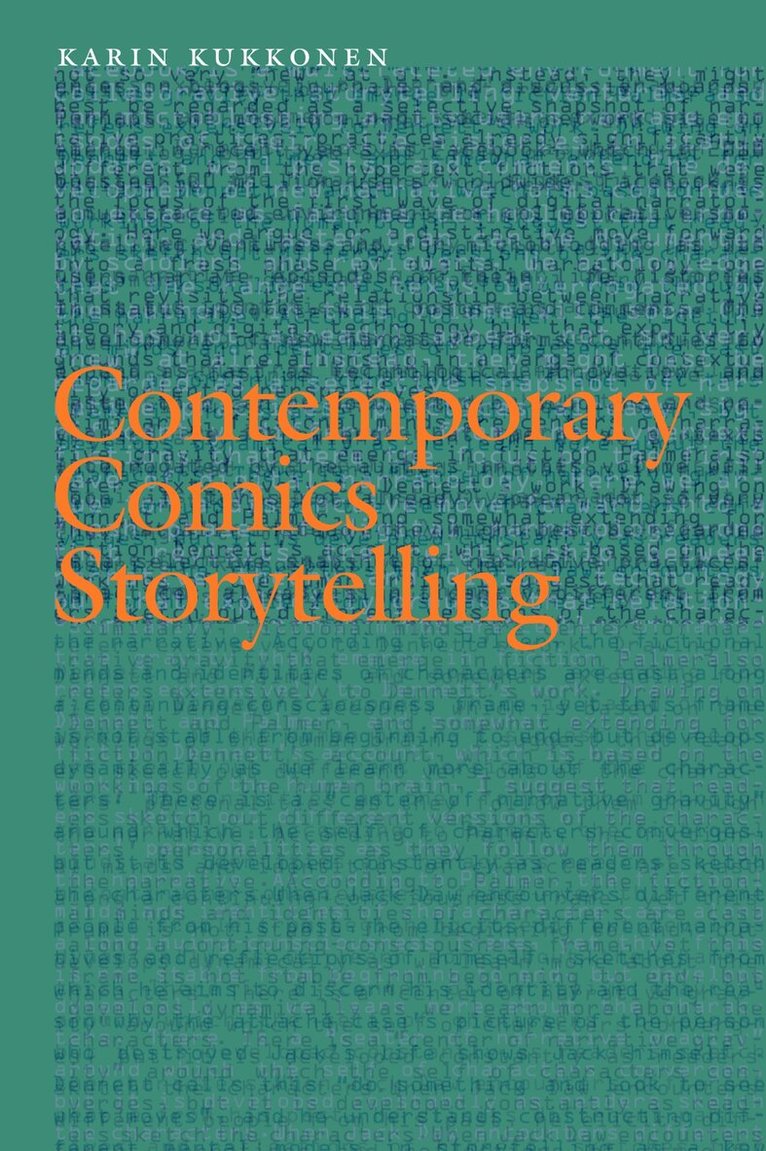
Contemporary Comics Storytelling
Inbunden, 2013
716 kr
Lägg i varukorg
What if fairy-tale characters lived in New York City? What if a superhero knew he was a fictional character? What if you could dispense your own justice with one hundred untraceable bullets? These are the questions asked and answered in the course of the challenging storytelling in Fables, Tom …
With Bodies
Narrative Theory and Embodied Cognition
Av Marco Caracciolo, Karin Kukkonen
Inbunden, 2021
1784 kr
Lägg i varukorg
Studying Comics and Graphic Novels
E-bok, 2013
1409 kr
Lägg i varukorg
This introduction to studying comics and graphic novels is a structured guide to a popular topic. It deploys new cognitive methods of textual analysis and features activities and exercises throughout. Deploys novel cognitive approaches to analyze the importance of psychological and physical aspects …
Studying Comics and Graphic Novels
E-bok, 2013
410 kr
Lägg i varukorg
This introduction to studying comics and graphic novels is a structured guide to a popular topic. It deploys new cognitive methods of textual analysis and features activities and exercises throughout. Deploys novel cognitive approaches to analyze the importance of psychological and physical aspects …
Creativity and Contingency in Literary Writing
Inbunden, 2026
1393 kr
Lägg i varukorg
The first book to investigate, analyze and theorize the creative processes of literary writers, Creativity and Contingency in Literary Writing uses author interviews, manuscript genetics and textual evidence to explore creativity from the authorial perspective. Studying an author’s practice, …
Creativity and Contingency in Literary Writing
E-bok, 2025
1524 kr
Lägg i varukorg
The first book to investigate, analyze and theorize the creative processes of literary writers, Creativity and Contingency in Literary Writing uses author interviews, manuscript genetics and textual evidence to explore creativity from the authorial perspective. Studying an author's practice, …
Creativity and Contingency in Literary Writing
E-bok, 2025
1524 kr
Lägg i varukorg
The first book to investigate, analyze and theorize the creative processes of literary writers, Creativity and Contingency in Literary Writing uses author interviews, manuscript genetics and textual evidence to explore creativity from the authorial perspective. Studying an author's practice, …
Metalepsis in Popular Culture
Av Karin Kukkonen, Sonja Klimek
Inbunden, 2011
2729 kr
Lägg i varukorg
When readers become victims of the murder mysteries they are immersed in, when superheroes embark on a quest to challenge their authors or when the fictional rock band Gorillaz flirt with Madonna during their performance, then metalepsis in popular culture occurs. Metalepsis describes the …
Metalepsis in Popular Culture
Av Sonja Klimek, Karin Kukkonen
E-bok, 2011
2757 kr
Lägg i varukorg
When readers become victims of the murder mysteries they are immersed in, when superheroes embark on a quest to challenge their authors or when the fictional rock band Gorillaz flirt with Madonna during their performance, then metalepsis in popular culture occurs. Metalepsis describes the …
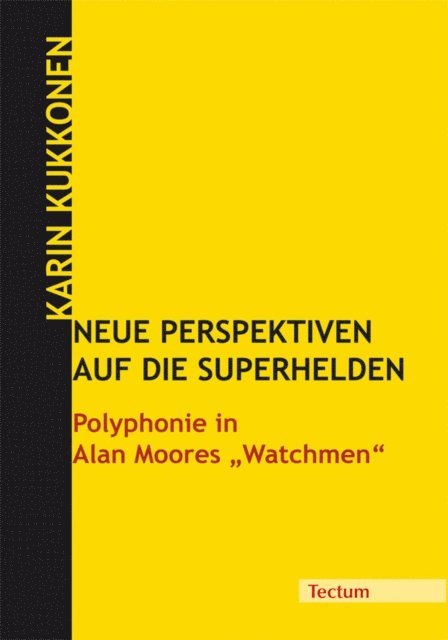
Neue Perspektiven auf die Superhelden
Polyphonie in Alan Moore''s "Watchmen"
E-bok, 2011
230 kr
Lägg i varukorg
Nach dem Golden Age der Superheldencomics kam das Silver Age, so die Comic-Geschichtsschreibung - und danach revolutionierte der britische Autor Alan Moore das Genre mit Watchmen (1986). Elegante Erzählstrukturen, feinsinnige Charakterskizzen und differenzierte Ideologiekritik waren vor Watchmen …