
Kasper van Ommen - Böcker
Visar alla böcker från författaren Kasper van Ommen. Handla med fri frakt och snabb leverans.
2 produkter
2 produkter
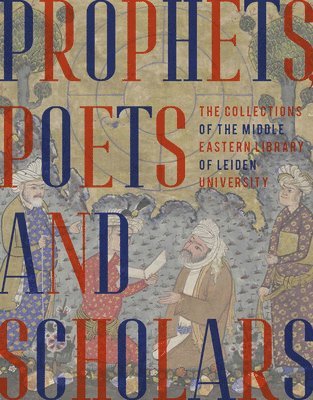
Prophets, Poets and Scholars
The Collections of the Middle Eastern Library of Leiden University
Inbunden, Engelska, 2024
1 194 kr
Skickas inom 7-10 vardagar
Leiden University has an impressive collection of primary texts in various Middle Eastern languages such as Arabic, Persian, Turkish, Berber languages, Hebrew, and Ethiopian. These texts are contained in objects made of parchment, paper, and leather, which are often artistically shaped and ingeniously constructed. In addition, the university holds the written and printed records of 400 years of scholarly activity by Western orientalists. Currently, the Leiden University Library is the custodian of the largest Middle Eastern and Islamic cultural collection in the Netherlands, a unique position that is scarcely known to the public.
1 194 kr
Skickas inom 7-10 vardagar
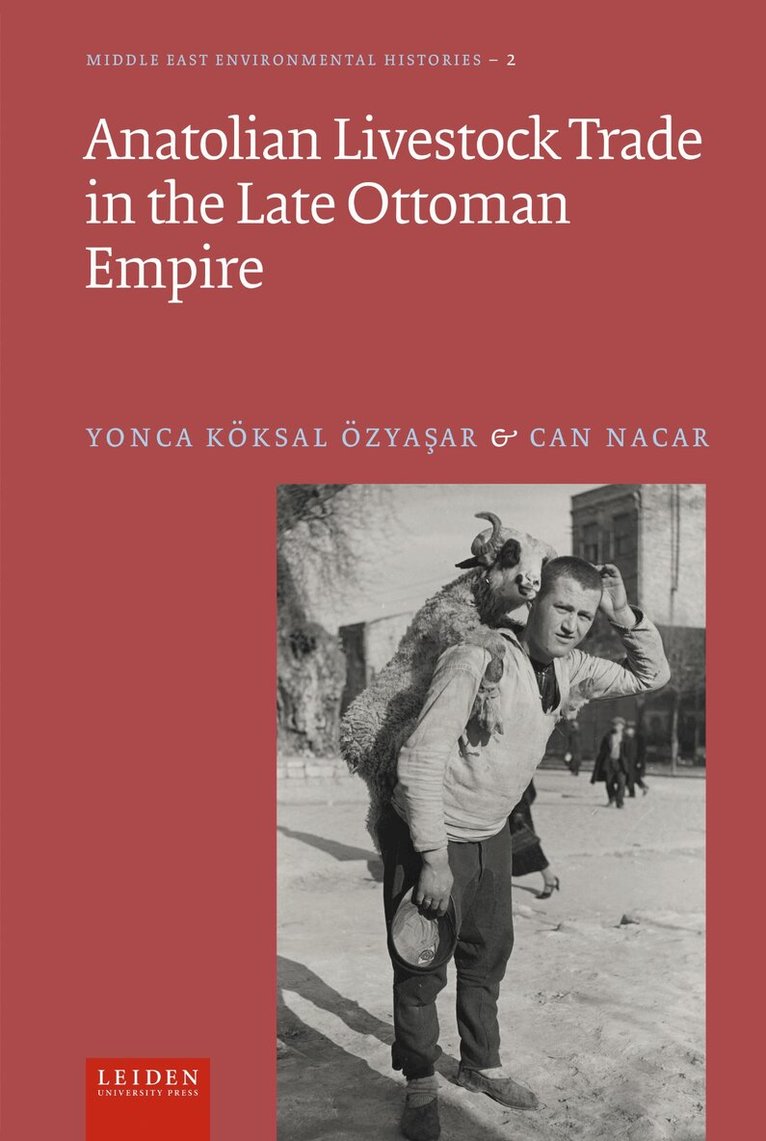
This book analyzes the expansion of the Anatolian livestock trade, focusing on sheep and cattle, during the nineteenth and early twentieth centuries— a period marked by significant changes in state policies, society and environment. It examines the impact of these changes on both human and non-human actors, maps trade routes and networks, and explores their transformations over time, thereby contributing to the literature on Ottoman environmental and socioeconomic history. The book identifies three regions -central, northeastern, and northwestern Anatolia- and four Eastern Mediterranean ports (İzmir, İskenderun, Mersin, and Antalya) as major centers of livestock trade. It examines a combination of environmental, economic, social, and political dynamics that shaped the emergence of these regions as primary suppliers of sheep to Istanbul and the ports as gateways for livestock exports. By highlighting diverse ecosystems and socioeconomic dynamics, and utilizing a variety of primary sources including Ottoman and British state documents, newspapers, memoirs, and travel accounts, the book aims to address several key questions: How did the ecosystems and socioeconomic dynamics of these regions and ports change in the nineteenth and early twentieth centuries? What were the repercussions of these changes on livestock production and trade? And how did they impact the organization of livestock and meat trade in Istanbul?