Katalin Nun – författare
Visar alla böcker från författaren Katalin Nun. Handla med fri frakt och snabb leverans.
25 produkter
Volume 2, Tome I: Kierkegaard and the Greek World - Socrates and Plato
Inbunden, 2009
2513 kr
Lägg i varukorg
The articles in this volume employ source-work research to trace Kierkegaard's understanding and use of authors from the Greek tradition. A series of figures of varying importance in Kierkegaard's authorship are treated, ranging from early Greek poets to late Classical philosophical schools. In …
Volume 2, Tome II: Kierkegaard and the Greek World - Aristotle and Other Greek Authors
Inbunden, 2010
3168 kr
Lägg i varukorg
The articles in this volume employ source-work research to trace Kierkegaard's understanding and use of authors from the Greek tradition. A series of figures of varying importance in Kierkegaard's authorship are treated, ranging from early Greek poets to late Classical philosophical schools. In …
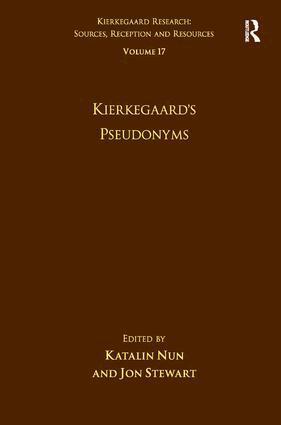
Volume 17: Kierkegaard's Pseudonyms
Häftad, 2021
705 kr
Lägg i varukorg
One of the elements that many readers admire in Kierkegaard’s skill as a writer is his ability to create different voices and perspectives in his works. Instead of unilaterally presenting clear-cut doctrines and theses, he confronts the reader with a range of personalities and figures who all …
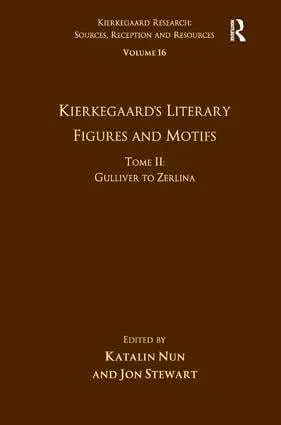
Volume 16, Tome II: Kierkegaard's Literary Figures and Motifs
Gulliver to Zerlina
Häftad, 2021
705 kr
Lägg i varukorg
While Kierkegaard is perhaps known best as a religious thinker and philosopher, there is an unmistakable literary element in his writings. He often explains complex concepts and ideas by using literary figures and motifs that he could assume his readers would have some familiarity with. This …
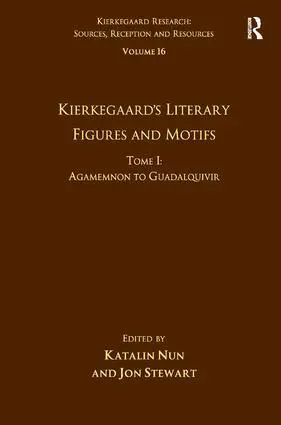
Volume 16, Tome I: Kierkegaard's Literary Figures and Motifs
Agamemnon to Guadalquivir
Häftad, 2021
705 kr
Lägg i varukorg
While Kierkegaard is perhaps known best as a religious thinker and philosopher, there is an unmistakable literary element in his writings. He often explains complex concepts and ideas by using literary figures and motifs that he could assume his readers would have some familiarity with. This …
Volume 2, Tome II: Kierkegaard and the Greek World - Aristotle and Other Greek Authors
Häftad, 2021
705 kr
Lägg i varukorg
The articles in this volume employ source-work research to trace Kierkegaard's understanding and use of authors from the Greek tradition. A series of figures of varying importance in Kierkegaard's authorship are treated, ranging from early Greek poets to late Classical philosophical schools. In …
Volume 2, Tome I: Kierkegaard and the Greek World - Socrates and Plato
Häftad, 2016
865 kr
Lägg i varukorg
The articles in this volume employ source-work research to trace Kierkegaard's understanding and use of authors from the Greek tradition. A series of figures of varying importance in Kierkegaard's authorship are treated, ranging from early Greek poets to late Classical philosophical schools. In …
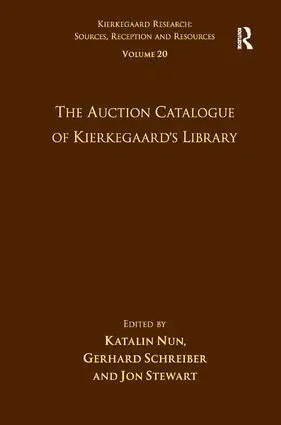
Volume 20: The Auction Catalogue of Kierkegaard's Library
Av Katalin Nun, Gerhard Schreiber
Häftad, 2019
807 kr
Lägg i varukorg
This volume is a revised and improved edition of the auction catalogue of Kierkegaard’s private library. The catalogue has long served as one of the most valuable tools in Kierkegaard studies and has been actively used by commentators, translators and researchers for tracing the various sources of …
Volume 20: The Auction Catalogue of Kierkegaard's Library
Av Gerhard Schreiber, Katalin Nun
E-bok, 2016
939 kr
Lägg i varukorg
This volume is a revised and improved edition of the auction catalogue of Kierkegaard’s private library. The catalogue has long served as one of the most valuable tools in Kierkegaard studies and has been actively used by commentators, translators and researchers for tracing the various sources of …
Volume 20: The Auction Catalogue of Kierkegaard's Library
Av Gerhard Schreiber, Katalin Nun
E-bok, 2016
919 kr
Lägg i varukorg
This volume is a revised and improved edition of the auction catalogue of Kierkegaard’s private library. The catalogue has long served as one of the most valuable tools in Kierkegaard studies and has been actively used by commentators, translators and researchers for tracing the various sources of …
Volume 2, Tome II: Kierkegaard and the Greek World - Aristotle and Other Greek Authors
E-bok, 2016
956 kr
Lägg i varukorg
The articles in this volume employ source-work research to trace Kierkegaard''s understanding and use of authors from the Greek tradition. A series of figures of varying importance in Kierkegaard''s authorship are treated, ranging from early Greek poets to late Classical philosophical schools. In …
Volume 2, Tome II: Kierkegaard and the Greek World - Aristotle and Other Greek Authors
E-bok, 2016
813 kr
Lägg i varukorg
The articles in this volume employ source-work research to trace Kierkegaard''s understanding and use of authors from the Greek tradition. A series of figures of varying importance in Kierkegaard''s authorship are treated, ranging from early Greek poets to late Classical philosophical schools. In …
Volume 2, Tome I: Kierkegaard and the Greek World - Socrates and Plato
E-bok, 2016
1022 kr
Lägg i varukorg
The articles in this volume employ source-work research to trace Kierkegaard''s understanding and use of authors from the Greek tradition. A series of figures of varying importance in Kierkegaard''s authorship are treated, ranging from early Greek poets to late Classical philosophical schools. In …
Volume 2, Tome I: Kierkegaard and the Greek World - Socrates and Plato
E-bok, 2016
1022 kr
Lägg i varukorg
The articles in this volume employ source-work research to trace Kierkegaard''s understanding and use of authors from the Greek tradition. A series of figures of varying importance in Kierkegaard''s authorship are treated, ranging from early Greek poets to late Classical philosophical schools. In …
Volume 17: Kierkegaard's Pseudonyms
E-bok, 2016
935 kr
Lägg i varukorg
One of the elements that many readers admire in Kierkegaard’s skill as a writer is his ability to create different voices and perspectives in his works. Instead of unilaterally presenting clear-cut doctrines and theses, he confronts the reader with a range of personalities and figures who all …
Volume 17: Kierkegaard's Pseudonyms
E-bok, 2016
956 kr
Lägg i varukorg
One of the elements that many readers admire in Kierkegaard’s skill as a writer is his ability to create different voices and perspectives in his works. Instead of unilaterally presenting clear-cut doctrines and theses, he confronts the reader with a range of personalities and figures who all …
Volume 16, Tome II: Kierkegaard's Literary Figures and Motifs
Gulliver to Zerlina
E-bok, 2016
956 kr
Lägg i varukorg
While Kierkegaard is perhaps known best as a religious thinker and philosopher, there is an unmistakable literary element in his writings. He often explains complex concepts and ideas by using literary figures and motifs that he could assume his readers would have some familiarity with. This …
Volume 16, Tome II: Kierkegaard's Literary Figures and Motifs
Gulliver to Zerlina
E-bok, 2016
956 kr
Lägg i varukorg
While Kierkegaard is perhaps known best as a religious thinker and philosopher, there is an unmistakable literary element in his writings. He often explains complex concepts and ideas by using literary figures and motifs that he could assume his readers would have some familiarity with. This …
Volume 16, Tome I: Kierkegaard's Literary Figures and Motifs
Agamemnon to Guadalquivir
E-bok, 2016
831 kr
Lägg i varukorg
While Kierkegaard is perhaps known best as a religious thinker and philosopher, there is an unmistakable literary element in his writings. He often explains complex concepts and ideas by using literary figures and motifs that he could assume his readers would have some familiarity with. This …
Volume 16, Tome I: Kierkegaard's Literary Figures and Motifs
Agamemnon to Guadalquivir
E-bok, 2016
831 kr
Lägg i varukorg
While Kierkegaard is perhaps known best as a religious thinker and philosopher, there is an unmistakable literary element in his writings. He often explains complex concepts and ideas by using literary figures and motifs that he could assume his readers would have some familiarity with. This …
Volume 16, Tome I: Kierkegaard's Literary Figures and Motifs
Agamemnon to Guadalquivir
Inbunden, 2014
2886 kr
Lägg i varukorg
While Kierkegaard is perhaps known best as a religious thinker and philosopher, there is an unmistakable literary element in his writings. He often explains complex concepts and ideas by using literary figures and motifs that he could assume his readers would have some familiarity with. This …
Volume 16, Tome II: Kierkegaard's Literary Figures and Motifs
Gulliver to Zerlina
Inbunden, 2015
2886 kr
Lägg i varukorg
While Kierkegaard is perhaps known best as a religious thinker and philosopher, there is an unmistakable literary element in his writings. He often explains complex concepts and ideas by using literary figures and motifs that he could assume his readers would have some familiarity with. This …
Volume 20: The Auction Catalogue of Kierkegaard's Library
Av Katalin Nun, Gerhard Schreiber
Inbunden, 2015
2510 kr
Lägg i varukorg
This volume is a revised and improved edition of the auction catalogue of Kierkegaard’s private library. The catalogue has long served as one of the most valuable tools in Kierkegaard studies and has been actively used by commentators, translators and researchers for tracing the various sources of …
Volume 17: Kierkegaard's Pseudonyms
Inbunden, 2015
2510 kr
Lägg i varukorg
One of the elements that many readers admire in Kierkegaard’s skill as a writer is his ability to create different voices and perspectives in his works. Instead of unilaterally presenting clear-cut doctrines and theses, he confronts the reader with a range of personalities and figures who all …
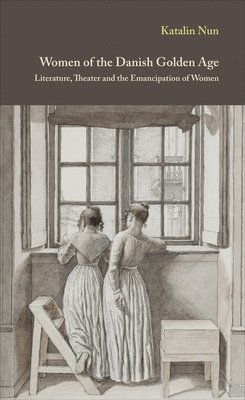
Women of the Danish Golden Age
Literature, Theater and the Emancipation of Women
Av Katalin Nun
Inbunden, 2013
403 kr
Lägg i varukorg
This broad, interdisciplinary work explores the little recognised contributions of women to the cultural life of the Danish Golden Age. Featuring chapters on the novelist Thomasine Gyllembourg, the actress Johanne Louise Heiberg and the feminist writer Mathilde Fibiger, this text spans three …