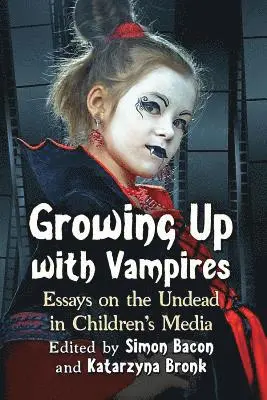
Vampire narratives are generally thought of as adult or young adult fare, yet there is a long history of their appearance in books, film and other media meant for children. They emerge as expressions of anxiety about change and growing up but sometimes turn out to be new best friends who highlight the beauty of difference and individuality.This collection of new essays examines the history of vampires in 20th and 21st century Western popular media marketed to preteens and explores their significance and symbolism.
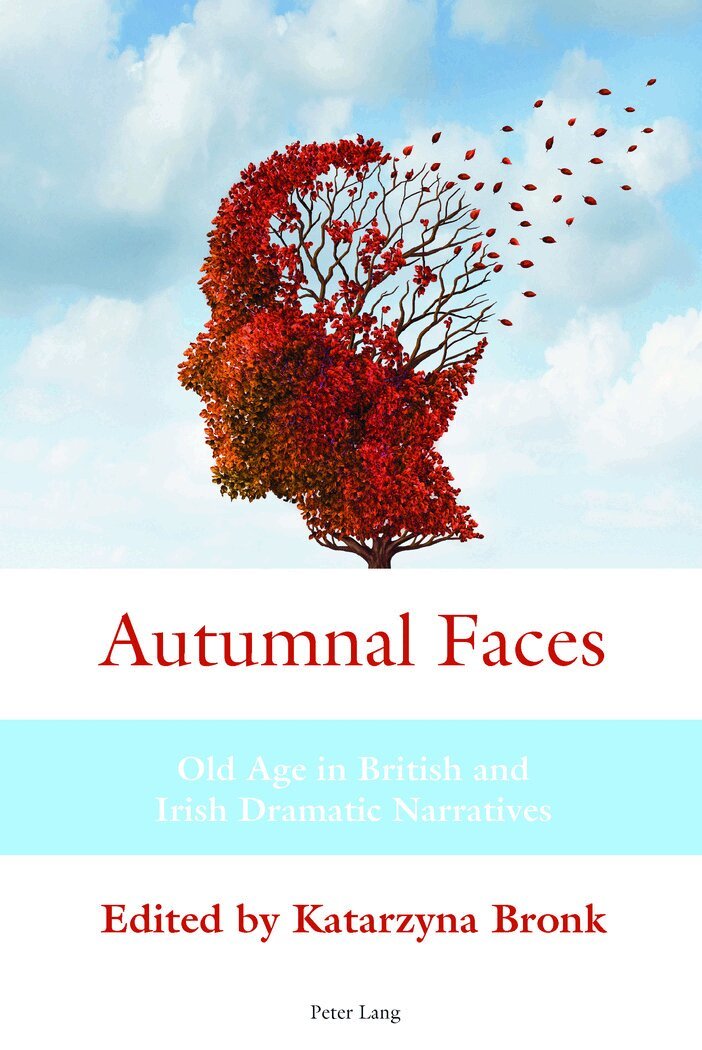
Autumnal Faces is a timely study within the ever-growing research on the ways older people and ageing itself have been conceptualized and represented in the popular imagination and, more specifically, in drama and on stage. Tracing this theme from the Renaissance to the twenty-first century, this volume offers original, innovative and diachronic analyses of plays and performances that focus on or are peopled with older characters. The contributors study the roots of positive and negative stereotypes pertaining to senescence and the elderly, offering meticulous interpretations of dramatic narratives and performances on topics such as gendered ageing, geronticide, the «sins» of senex amans and iratus, ageing and uncontrolled passions versus ageing and prudence, longevity and immortality, memory and life narratives, the elderly as storytellers and repositories of wisdom in British and Irish culture, Alzheimer’s disease and the loss of self, and intergenerational conflicts. Ultimately, this collection of essays answers the ongoing call for more studies devoted to humanistic/cultural gerontology, seeing old age not just as an issue affecting past generations but one that is increasingly important as we all age into an unknown future.
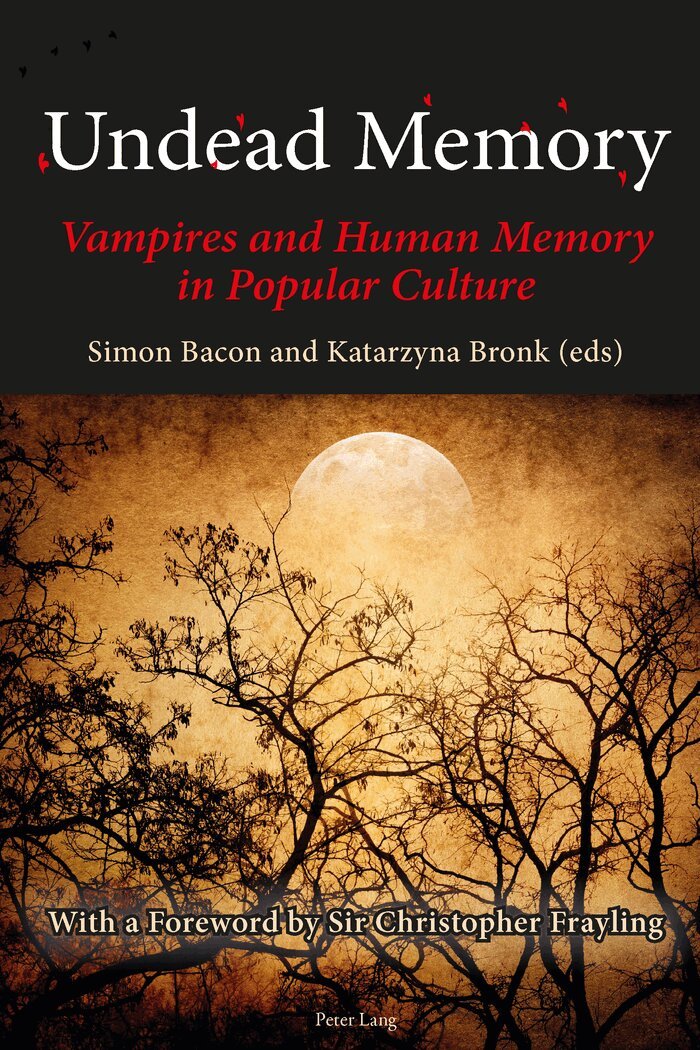
Vampires have never been as popular in Western culture as they are now: Twilight, True Blood, The Vampire Diaries and their fans have secured the vampire’s place in contemporary culture. Yet the role vampires play in how we remember our pasts and configure our futures has yet to be explored. The present volume fills this gap, addressing the many ways in which vampire narratives have been used to describe the tensions between memory and identity in the twentieth and twenty-first centuries.The first part of the volume considers the use of the vampire to deal with rapid cultural change, both to remember the past and to imagine possible futures. The second part examines vampire narratives as external cultural archives, a memory library allowing us to reference the past and understand how this underpins our present. Finally, the collection explores how the undead comes to embody memorial practice itself: an autonomous entity that gives form to traumatic, feminist, postcolonial and oral traditions and reveals the resilience of minority memory.Ranging from actual reports of vampire activity to literary and cinematic interpretations of the blood-drinking revenant, this timely study investigates the ways in which the «undead memory» of the vampire throughout Western culture has helped us to remember more clearly who we were, who we are, and who we will/may become.
Del 101 - At the Interface / Probing the Boundaries
Questioning what “makes” a celebrity and how celebrity is controlled, dispersed and received are aspects branching out of (Extra)Ordinary’s debate over celebrities as ordinary/extraordinary. Jade Alexander and Katarzyna Bronk, together with the authors whose chapters make up this inter-disciplinary discussion, not only utilise the existing research on celebrity and fandom, but they also go beyond the often-quoted theorists to engage in multidirectional analyses of what it means to be a celebrity, and what influence they have on the consuming public. The present book provides an avenue for exploring not just what celebrity is as a discursive construction, but also how this involves a complex interplay between celebrities, the media and the audience.