Katharina Stornig – författare
Visar alla böcker från författaren Katharina Stornig. Handla med fri frakt och snabb leverans.
4 produkter
4 produkter
Inbunden, Engelska, 2020
1 570 kr
Skickas inom 10-15 vardagar
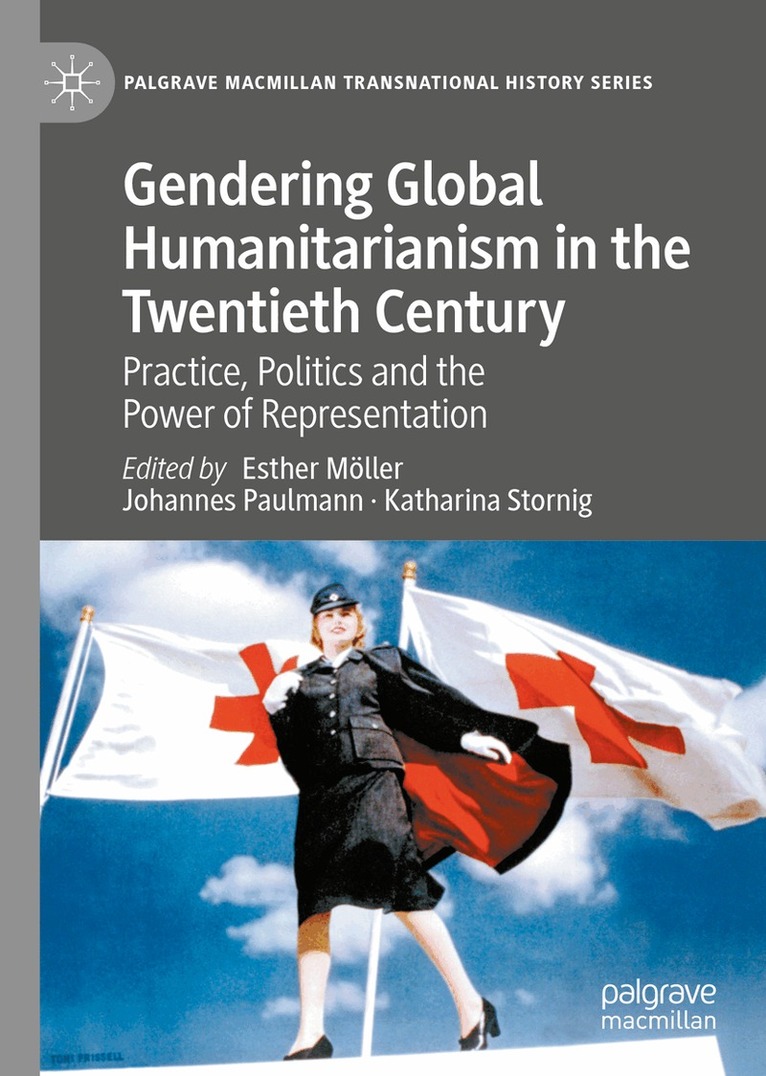
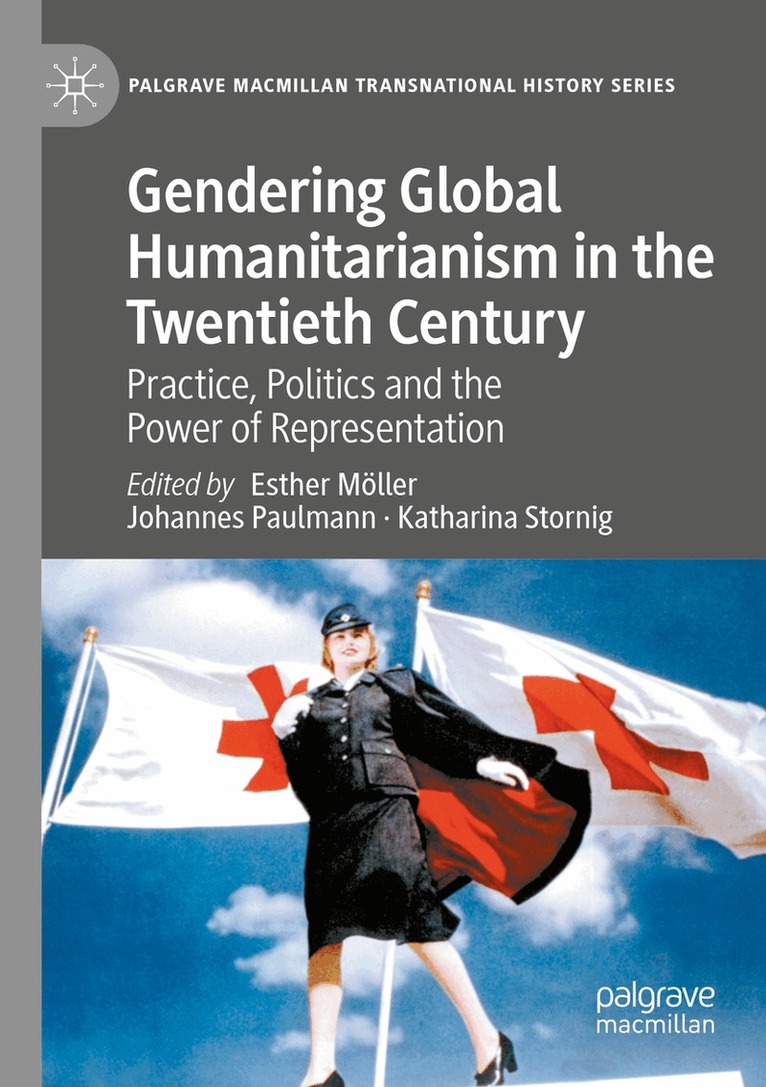
“This volume is interesting both because of its global focus, and its chronology up to the present, it covers a good century of changes. It will help define the field of gender studies of humanitarianism, and its relevance for understanding the history of nation-building, and a political history that goes beyond nations.” - Glenda Sluga, Professor of International History and ARC Kathleen Laureate Fellow at the University of Sydney, AustraliaThis volume discusses the relationship between gender and humanitarian discourses and practices in the twentieth century. It analyses the ways in which constructions, norms and ideologies of gender both shaped and were shaped in global humanitarian contexts. The individual chapters present issues such as post-genocide relief and rehabilitation, humanitarian careers and subjectivities, medical assistance, community aid, child welfare and child soldiering. They give prominence to thebeneficiaries of aid and their use of humanitarian resources, organizations and structures by investigating the effects of humanitarian activities on gender relations in the respective societies. Approaching humanitarianism as a global phenomenon, the volume considers actors and theoretical positions from the global North and South (from Europe to the Middle East, Sub-Saharan Africa, South and South East Asia as well as North America). It combines state and non-state humanitarian initiatives and scrutinizes their gendered dimension on local, regional, national and global scales. Focusing on the time between the late nineteenth century and the post-Cold War era, the volume concentrates on a period that not only witnessed a major expansion of humanitarian action worldwide but also saw fundamental changes in gender relations and the gradual emergence of gender-sensitive policies in humanitarian organizations in many Western and non-Western settings.
E-bok
Engelska, 20201 879 kr
Läs direkt efter köp
“This volume is interesting both because of its global focus, and its chronology up to the present, it covers a good century of changes. It will help define the field of gender studies of humanitarianism, and its relevance for understanding the history of nation-building, and a political history that goes beyond nations.” - Glenda Sluga, Professor of International History and ARC Kathleen Laureate Fellow at the University of Sydney, AustraliaThis volume discusses the relationship between gender and humanitarian discourses and practices in the twentieth century. It analyses the ways in which constructions, norms and ideologies of gender both shaped and were shaped in global humanitarian contexts. The individual chapters present issues such as post-genocide relief and rehabilitation, humanitarian careers and subjectivities, medical assistance, community aid, child welfare and child soldiering. They give prominence to thebeneficiaries of aid and their use of humanitarian resources, organizations and structures by investigating the effects of humanitarian activities on gender relations in the respective societies. Approaching humanitarianism as a global phenomenon, the volume considers actors and theoretical positions from the global North and South (from Europe to the Middle East, Sub-Saharan Africa, South and South East Asia as well as North America). It combines state and non-state humanitarian initiatives and scrutinizes their gendered dimension on local, regional, national and global scales. Focusing on the time between the late nineteenth century and the post-Cold War era, the volume concentrates on a period that not only witnessed a major expansion of humanitarian action worldwide but also saw fundamental changes in gender relations and the gradual emergence of gender-sensitive policies in humanitarian organizations in many Western and non-Western settings.
Häftad, Engelska, 2021
1 570 kr
Skickas inom 10-15 vardagar
“This volume is interesting both because of its global focus, and its chronology up to the present, it covers a good century of changes. It will help define the field of gender studies of humanitarianism, and its relevance for understanding the history of nation-building, and a political history that goes beyond nations.” - Glenda Sluga, Professor of International History and ARC Kathleen Laureate Fellow at the University of Sydney, AustraliaThis volume discusses the relationship between gender and humanitarian discourses and practices in the twentieth century. It analyses the ways in which constructions, norms and ideologies of gender both shaped and were shaped in global humanitarian contexts. The individual chapters present issues such as post-genocide relief and rehabilitation, humanitarian careers and subjectivities, medical assistance, community aid, child welfare and child soldiering. They give prominence to thebeneficiaries of aid and their use of humanitarian resources, organizations and structures by investigating the effects of humanitarian activities on gender relations in the respective societies. Approaching humanitarianism as a global phenomenon, the volume considers actors and theoretical positions from the global North and South (from Europe to the Middle East, Sub-Saharan Africa, South and South East Asia as well as North America). It combines state and non-state humanitarian initiatives and scrutinizes their gendered dimension on local, regional, national and global scales. Focusing on the time between the late nineteenth century and the post-Cold War era, the volume concentrates on a period that not only witnessed a major expansion of humanitarian action worldwide but also saw fundamental changes in gender relations and the gradual emergence of gender-sensitive policies in humanitarian organizations in many Western and non-Western settings.
E-bok
PDF, Engelska, 2013954 kr
Läs direkt efter köp
The last third of the 19th century witnessed a considerable increase in the active participation of women in the various Christian missions. Katharina Stornig focusses onthe Catholic case, and particularly explores the activities and experiences of German missionary nuns, the so-called Servants of the Holy Spirit,in colonial Togo and New Guinea in the late 19th and first half of the 20th centuries. Introducing the nuns'' ambiguous roles as travelers, evangelists, believers, domestic workers, farmers, teachers, and nurses, Stornig highlights the ways in which these women shaped and were shaped by the missionary encounter and how they affected colonial societies more generally. Privileging the sources produced by nuns (i.e. letters, chronicles and reports) and emphasizing their activities, Sisters Crossing Boundaries profoundly challenges the frequent depiction of women and particularly nuns as the largely passive observers of the missionizing and colonizing activities of men. Stornig does not stop at adding women to the existing historical narrative of mission in Togo and New Guinea, but presents the hopes and strategies that German nuns related to the imagination and practice of empire. She also discusses the effects of boundary-crossing, both real and imagined, in the context of religion, gender and race.